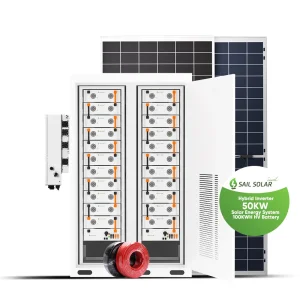
Custom OEM Affordable Energy Storage Supplier & Exporters

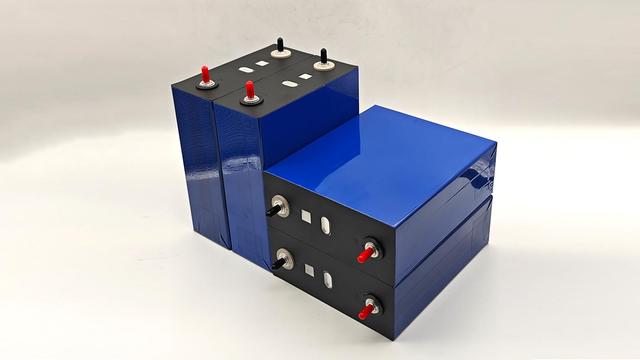
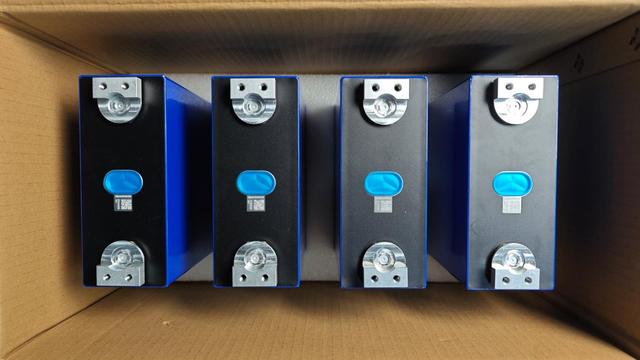
Providing high-efficiency, commercial-grade LiFePO4 battery energy storage systems (BESS) built with Tier-1 battery cells, optimized for global distributors, EPCs, and systems integrators.

15+
Years of R&D Excellence
6000+
Cell Lifecycle @80% DoD
314Ah
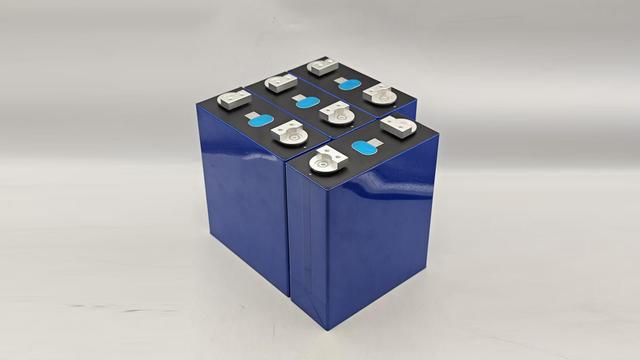
Next-Gen High-Density LFP
100%
A-Grade Cell Assurance

Corporate Profile & Foundational E-E-A-T

Shenzhen PowerSTN Energy Co., Ltd. is a China-based manufacturer specializing in advanced energy storage battery solutions for residential, commercial, and industrial applications. The company focuses on the development, production, and integration of lithium battery systems designed to support renewable energy utilization, backup power supply, and energy management projects worldwide.

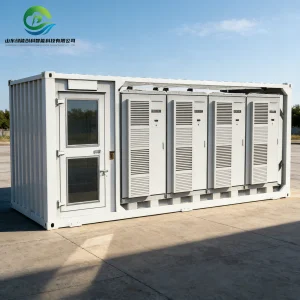
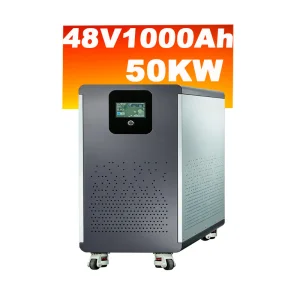
With a commitment to innovation and quality, PowerSTN provides a comprehensive portfolio of energy storage products, including residential energy storage systems, commercial and industrial battery solutions, solar energy storage batteries, off-grid power systems, hybrid energy storage platforms, and containerized battery energy storage systems. These solutions are engineered to help customers improve energy efficiency, enhance grid stability, and maximize the value of renewable energy investments.

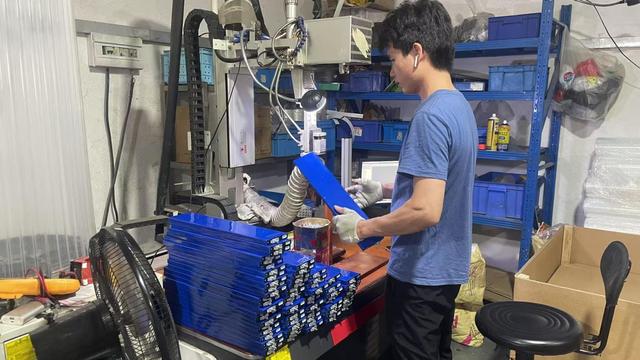
The company operates modern manufacturing facilities equipped with advanced production technologies and strict quality control procedures. From battery cell selection and battery pack assembly to system integration and performance testing, every stage of production is managed to ensure reliability, safety, and long-term operational performance.

PowerSTN serves customers across multiple industries, including renewable energy, telecommunications, data centers, utilities, manufacturing, commercial facilities, and infrastructure projects. Its engineering team works closely with clients to deliver customized energy storage solutions tailored to specific project requirements and operational environments.

In addition to manufacturing capabilities, Shenzhen PowerSTN Energy Co., Ltd. offers OEM and ODM services for global brands, distributors, system integrators, and energy solution providers. By combining technical expertise, flexible production capacity, and customer-focused support, the company aims to be a trusted partner for organizations seeking reliable and scalable energy storage technologies in the rapidly evolving global energy market.

Why China's Supply Chain is the Global Benchmark for Affordable Energy Storage

In the global energy transition, cost efficiency (affordability) must be balanced with absolute system reliability. China's unparalleled lithium-iron-phosphate (LiFePO4) ecosystem offers the ideal environment for manufacturing energy storage systems that satisfy both constraints. At Shenzhen PowerSTN Energy, we leverage this massive supply chain network to deliver cost-optimized solutions with premium performance metrics.

The affordability of Chinese energy storage systems is not merely a consequence of labor cost advantages; it is driven by structural, vertical integration. China processes the vast majority of the world's battery raw materials, including cathode precursor chemistry, anode materials, synthetic graphite, and high-purity battery-grade lithium carbonate. By locating our production facilities in Shenzhen, the silicon valley of hardware, we bypass intermediate international shipping fees, import tariffs on components, and supply-chain delays. This translates directly to a lower Levelized Cost of Storage (LCOS) for our international customers.

Furthermore, the concentration of Tier-1 battery cell giants in China creates a highly competitive component ecosystem. Accessing premium cells, advanced Battery Management Systems (BMS), and state-of-the-art power conversion systems (PCS) is streamlined. As a custom OEM/ODM exporter, we transfer these system-level economies of scale directly to global system integrators and distributors, offering high-capacity, certified modular battery solutions at price points that accelerate capital return (ROI) on utility and C&I projects.

Technological Megatrends in the Energy Storage Industry

The energy storage sector is transitioning from simple containerized batteries to highly intelligent, thermally managed assets. To maintain market relevance and ensure long-term grid conformity, several technical advancements must be recognized:

Transition to 314Ah+ High-Capacity Cells

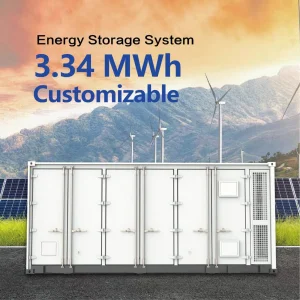
Industry-standard 280Ah cells are rapidly being replaced by high-density 314Ah cells. This shift raises volumetric energy density without changing pack footprints, allowing for standard 20ft containers to house up to 5MWh of usable energy.

Liquid Cooling vs. Air Cooling

For high-power industrial projects, liquid cooling systems keep cell temperature differentials within ±2°C. This precision minimizes cell mismatch, mitigates degradation rates, and extends system lifetimes by up to 20% compared to forced-air solutions.

Intelligent EMS and Cloud Diagnostics

Modern BESS designs integrate cloud-connected Energy Management Systems (EMS). Machine learning algorithms predict potential thermal anomalies, evaluate cell health index in real-time, and dynamically configure power usage patterns.

Localized Application Scenarios & Commercial Case Studies

Industrial battery systems must perform reliably across different operational settings. Customized configurations address the unique parameters of each installation site:

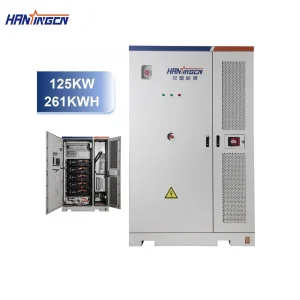
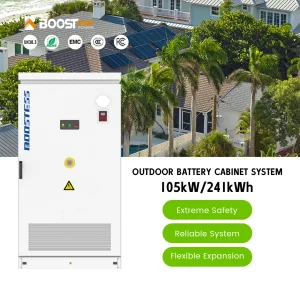
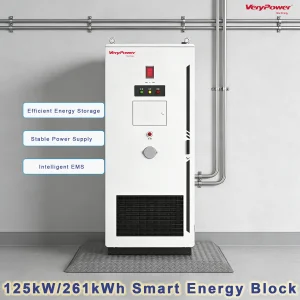
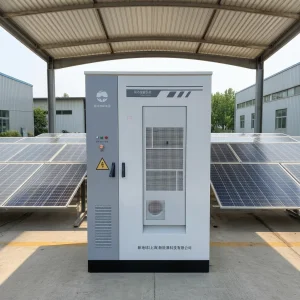
  • Commercial & Industrial (C&I) Peak Shaving: Manufacturing facilities with high Peak Demand Charges install commercial-grade cabinets (such as our 125kW / 261kWh systems) to reduce billing peaks. The system discharges stored clean solar energy during high-tariff periods and recharges during off-peak times.
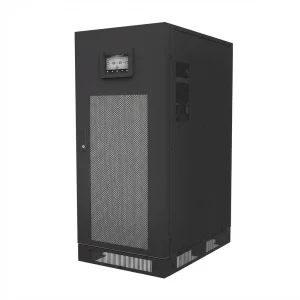
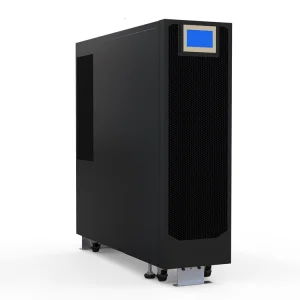
  • Mission-Critical Data Centers: In facilities requiring uninterrupted uptime, 3-Phase Online Double-Conversion UPS systems backed by liquid-cooled lithium batteries replace legacy lead-acid structures. These systems offer faster transient response, 10x smaller footprints, and reliable operation without active HVAC heating.
  • Off-Grid Island Microgrids: Remote installations couple high-capacity containerized systems (1MWh - 5MWh) with solar PV and backup diesel generators. The system ensures utility-grade, stable AC voltage under variable load conditions, reducing diesel consumption by up to 75%.
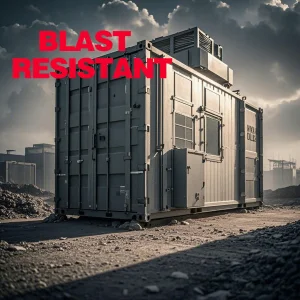
  • Explosion-Proof & Specialized Environments: Hazardous sites, defense facilities, or chemical operations require blast-resistant container structures. These contain advanced structural reinforcements and gas-tight explosion-proof systems, ensuring compliance with strict occupational health and safety guidelines.

The Professional Buyer's Guide to Importing China Energy Storage Systems

When sourcing utility or industrial-scale BESS solutions, procurement departments should evaluate the following key parameters to ensure safety, reliability, and regulatory compliance:

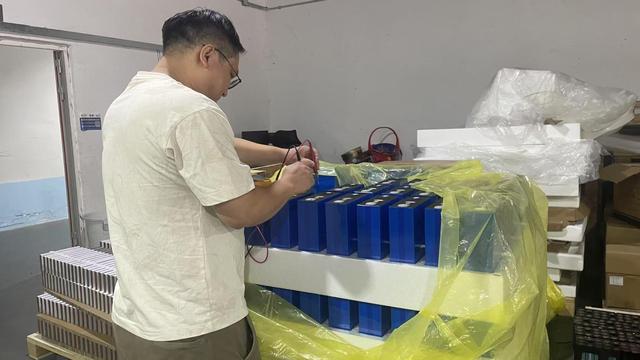
  1. Cell Grading Verification: Ensure the manufacturer provides official OCV (Open Circuit Voltage), IR (Internal Resistance), and capacity testing logs showing the usage of Grade-A, brand-new cells. Avoid refurbished or B-grade stock that degrades unevenly and shortens total system life.
  2. Regulatory Certifications: Sourcing systems for Europe, North America, or Oceania requires international compliance documentation. Essential certifications include CE, GB/T, IEC 62619 for industrial cell safety, UN 38.3 for transport compliance, and UL 9540A for fire safety assessment.
  3. Thermal Management Strategy: For high C-rate applications (fast charge/discharge), evaluate liquid-cooled configurations. For mild environments with low discharge requirements, forced-air cabinets remain a cost-effective, dependable choice.
  4. BMS Customization and Integration Protocols: Confirm that the system's BMS supports standard communication protocols (CAN bus, Modbus TCP/IP) to ensure seamless integration with existing energy management platforms (EMS) and power conversion systems (PCS).

Technical Q&A: Commercial Energy Storage Systems

Detailed answers to critical technical and commercial queries from system integrators and EPC contractors.

What are the key technical differences between Liquid Cooling and Air Cooling for BESS?
Liquid cooling systems circulate a glycol-water mixture directly through cooling plates adjacent to the battery cells. This configuration achieves precise thermal management, keeping the temperature delta across the system within ±2°C. This uniformity reduces cell aging variance and minimizes the risk of hot spots. In contrast, air-cooled systems rely on forced air circulation, which can lead to temperature deltas of ±5°C or more in high-power setups. While air cooling is simpler and has a lower initial cost, liquid cooling is highly recommended for containerized, high-density systems (e.g., 5MWh containers) due to superior safety, thermal efficiency, and longer battery service life.
Why choose LiFePO4 (LFP) over NMC chemistry for industrial applications?
LiFePO4 (LFP) is the industry standard for stationary energy storage due to its exceptional safety profile and long cycle life. LFP has a high thermal runaway threshold (approx. 270°C) compared to NMC (approx. 210°C) and does not release oxygen during thermal breakdown, significantly reducing fire propagation risks. Furthermore, LFP systems typically deliver 6,000+ cycles at 80% Depth of Discharge (DoD), whereas NMC chemistry generally ranges between 2,000 to 3,000 cycles. These properties make LFP the most economical choice over the lifecycle of commercial and industrial stationary storage systems.
How do you manage thermal runaway and fire protection in your containerized systems?
We employ a multi-layered safety architecture. First, the Battery Management System (BMS) continuously monitors cell voltage, temperature, and internal resistance to isolate anomalies before they escalate. Second, we integrate automatic fire suppression systems, including aerosol or Novec 1230 gas systems, combined with combustible gas and smoke detectors. Finally, the structural design of our containers includes mechanical deflagration venting and physical partition barriers to prevent fire propagation between modules.
What custom OEM/ODM parameters can Shenzhen PowerSTN adjust for global clients?
Our engineering team supports full-system customization. This includes custom battery pack voltages (e.g., 48V to 1500V systems), customized energy capacities (kWh to MWh scale), specific dimensional requirements to fit client enclosures, custom BMS communication protocols (Modbus, CAN, Profinet), integration of specialized Power Conversion Systems (PCS) compatible with local grid codes, and custom container branding, paint coatings, and mechanical protection ratings (IP55 to IP66).
What are the lead times for custom containerized BESS and global shipping logistics?
Standard OEM production for customized container systems ranges from 6 to 10 weeks, depending on system scale and current cell availability. All lithium batteries are classified under dangerous goods logistics (Class 9). We handle export clearance, provide UN38.3 test summaries, MSDS, and sea transportation testing certificates, coordinating delivery to major international ports worldwide.

Industrial Manufacturing & Facility Showcase

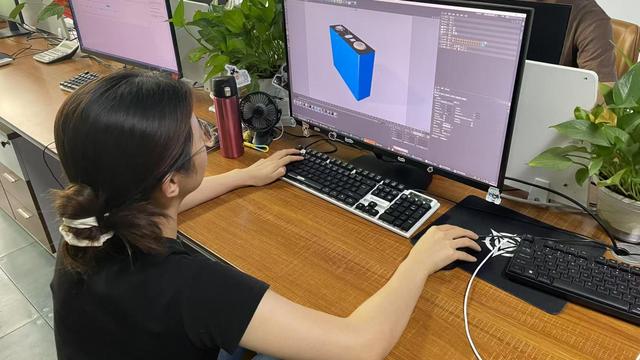
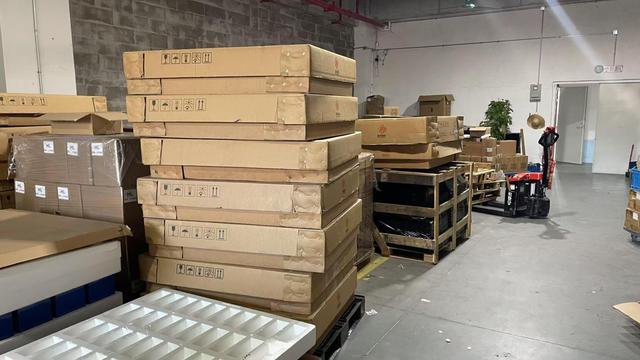
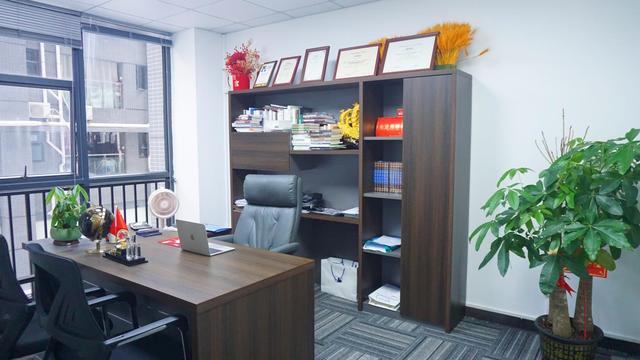
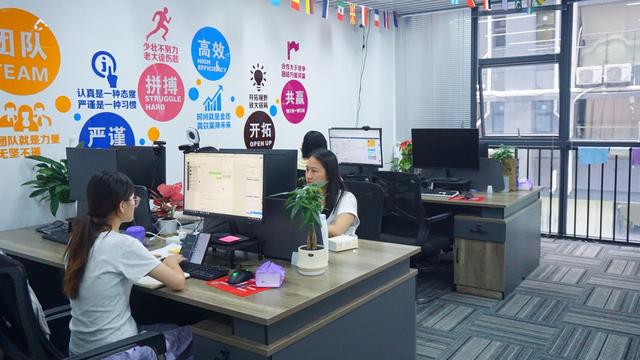
Inside our advanced manufacturing plant, showing cell testing, automatic laser assembly, and containerized integration.