PowerSTN Energy
The Macroeconomics of Industrial Load Shifting & Grid Transition
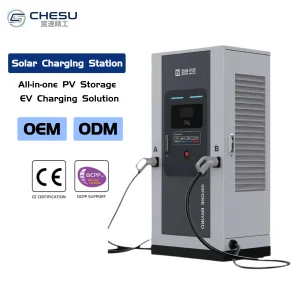
As the global energy infrastructure undergoes a paradigm shift toward decarbonization, traditional electric grids face unprecedented strain. The deployment of intermittent renewable energy sources, such as solar photovoltaic (PV) and wind power, introduces substantial volatility in generation curves. Concurrently, the exponential growth of high-demand infrastructure—including hyperscale data centers, industrial manufacturing facilities, and electric vehicle (EV) fleet fast-charging corridors—has escalated peak power demands to historic levels.
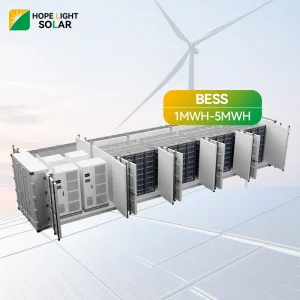
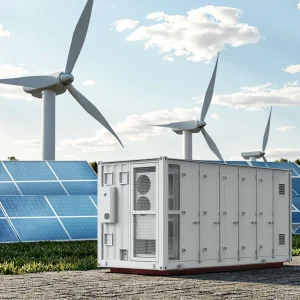
In this challenging operational landscape, **Load Shifting Solutions** emerge as a critical techno-economic imperative. By storing energy during low-demand, low-tariff periods (valley filling) and discharging it during peak demand intervals (peak shaving), commercial and industrial (C&I) operations can drastically curb their peak demand charges. Crucially, this mitigates grid congestion, improves Power Quality factor (PQF), and yields significant utility tariff arbitrage. Shenzhen PowerSTN Energy Co., Ltd. stands at the forefront of this technology, designing and manufacturing highly integrated utility-scale battery energy storage systems (BESS) tailored for these exact operational profiles.
"Levelized Cost of Storage (LCOS) has surpassed traditional gas peaker plants in economic viability. Realizing these returns requires highly intelligent, custom OEM thermal management systems, modular battery topologies, and ultra-reliable communications protocols."
Shenzhen PowerSTN Energy Co., Ltd.: Global Manufacturing & Engineering Prowess
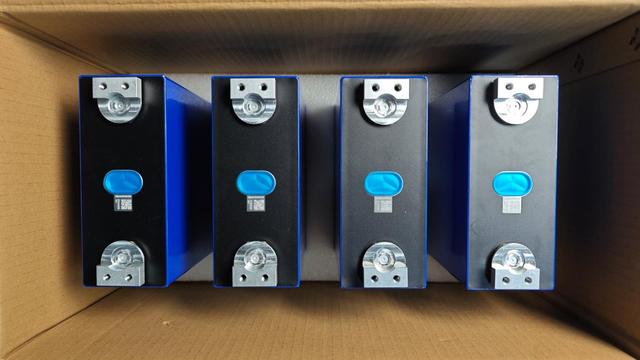
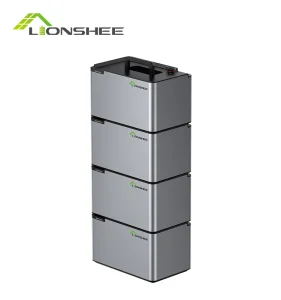
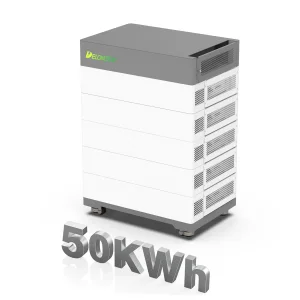
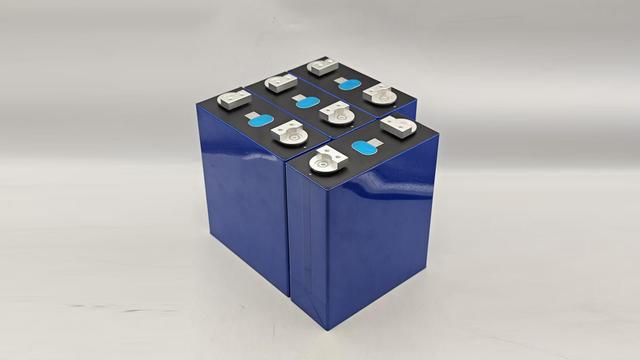
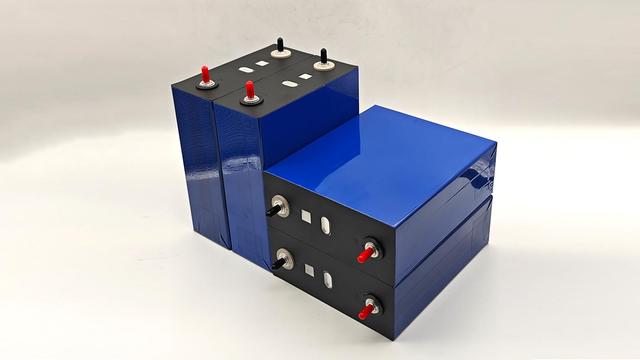
Based in the technology hub of Shenzhen, China, Shenzhen PowerSTN Energy Co., Ltd. is a globally recognized manufacturer specializing in advanced lithium-ion energy storage battery solutions. Our focus encompasses the complete lifecycle development, precision manufacturing, and system integration of high-performance LiFePO4 battery storage platforms. From residential balcony systems and scalable telecom backups to multi-megawatt containerized grid-scale solutions, we support utilities, EPC contractors, and distributors worldwide.
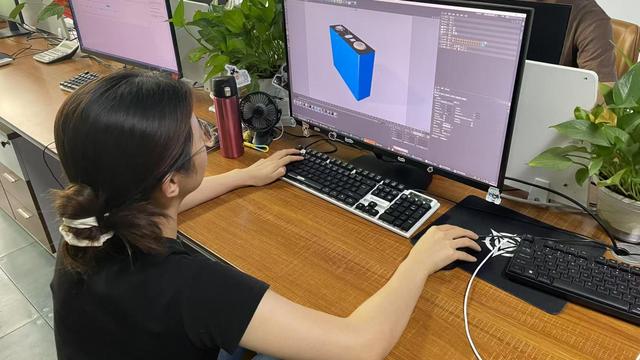
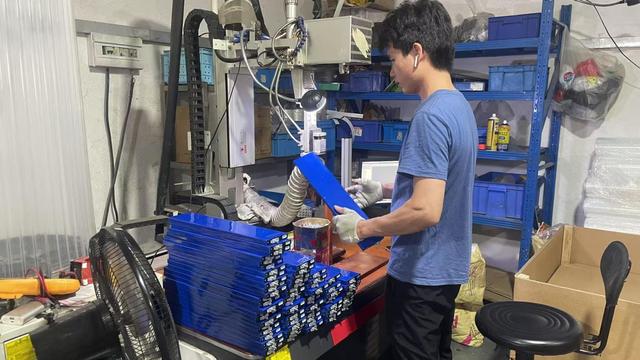
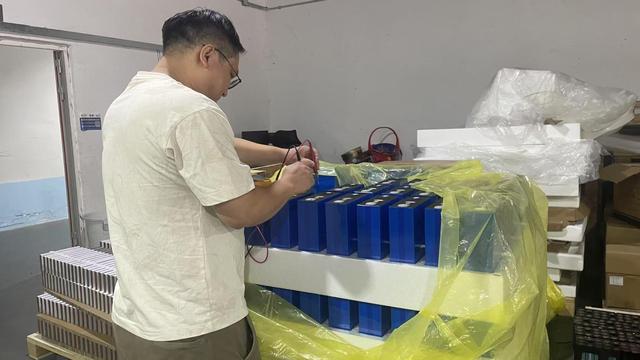
Our state-of-the-art production facility operates with rigorous vertical integration. Every phase—from raw cell characterization and cell balancing to module assembly, thermal envelope testing, and final factory acceptance tests (FAT)—is subject to absolute control standards. This intensive attention to detail ensures that every battery pack, Power Conversion System (PCS), and HVAC integration complies with global safety and operational benchmarks.
Industrial Technical Architecture: Liquid Cooling & Safety Engineering
High-capacity load shifting demands thermal management systems capable of withstanding continuous high C-rate operation. Standard air-cooled systems often struggle to maintain temperature uniformity across dense battery configurations, accelerating cell degradation and introducing thermal runaway risks.
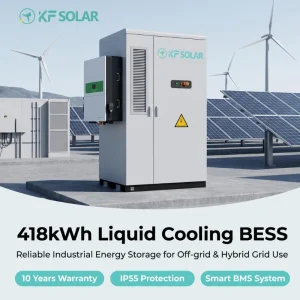
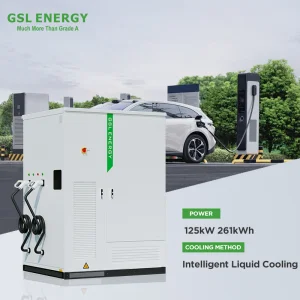
Our next-generation liquid-cooled ESS systems incorporate direct-contact cold plates flowing customized glycol-water mixtures. This architecture yields a cell-to-cell temperature differential of <3°C, extending overall pack life cycle expectancy by up to 25%. Additionally, the integrated CAN communication bus integrates directly with intelligent Battery Management Systems (BMS), tracking state of charge (SoC), state of health (SoH), and internal resistance profiles down to individual cells in real time.
Custom OEM & ODM Integration Capabilities
No two industrial profiles are identical. Grid requirements, space constraints, ambient environmental parameters, and local codes dictate highly specific hardware and software engineering parameters. As a premier OEM and ODM exporter, Shenzhen PowerSTN Energy Co., Ltd. provides robust customization services:
Modular Mechanical Configurations
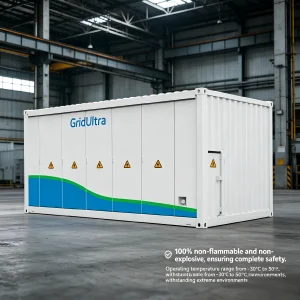
Custom cabinet form factors, standardized 20ft/40ft container layouts, and severe outdoor IP65/IP67 rated enclosures designed for seismic zones and extreme temperatures.
Electrical Optimization
System bus configurations ranging from 400V AC up to 1500V DC, customizable PCS integrations, and multi-protocol grid-tied or off-grid operations.
BMS & EMS Tailoring
Dynamic firmware adaptations mapping Modbus TCP/IP, CAN, and IEC 61850 protocols, allowing direct interface with localized supervisory control (SCADA) platforms.
Localized Applications & Global Compliance Assurance
Deploying energy storage products globally presents a complicated web of localized compliance standards and strict environmental requirements. For example, systems entering North American markets demand full listing under **UL 9540** (for integrated systems) and **UL 1973** (for battery packs), backed by comprehensive thermal runaway data from **UL 9540A** tests. European distribution requires the CE mark, compliance with the **Battery Directive (2006/66/EC)**, and national grid connection certifications such as VDE-AR-N 4110.
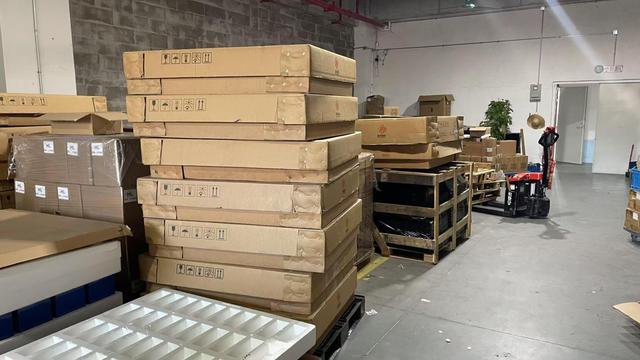
PowerSTN ensures that our overseas partners receive compliant, certified systems. We work closely with nationally recognized testing laboratories (NRTLs) to secure all certifications before shipment. Furthermore, our export packaging complies with strict UN 38.3 transport safety regulations for high-voltage lithium cargo, ensuring smooth custom clearances and safe arrivals.
Technological Roadmap & Future Outlook (2025-2030)
The next era of load shifting will rely heavily on software sophistication and chemical refinement. PowerSTN's active R&D pipeline focuses on several vital developmental vectors:
- AI-Driven Predictive Management: Integrating machine-learning models into our EMS platforms to analyze weather patterns, market pricing data, and load profiles to dynamically run real-time battery cycling.
- Solid-State Transition: While LiFePO4 remains the standard for stationary utility ESS due to its safety and lifecycle profile, we are testing solid-state configurations to increase energy densities and reduce spatial footprints in urban projects.
- Virtual Power Plant (VPP) Aggregation: Designing native support for high-speed API interfaces, enabling aggregated decentralized BESS networks to trade grid-ancillary services on energy spot markets.