Explore our highly-engineered commercial, industrial, and specialized marine battery packs, complete with customizable Active BMS and liquid-cooling enclosures.
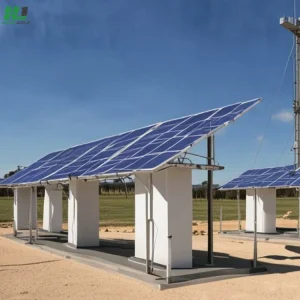
A technical overview of regulatory demands, high-voltage circular economies, and clean energy storage scaling.
The global transition toward decentralized power grids and zero-emission logistics has triggered an unprecedented demand for reliable, high-capacity Battery Energy Storage Systems (BESS). However, modern procurement calls for more than just raw cell capacity; the focus has shifted to comprehensive Battery Lifecycle Management (BLM). Integrating circular economy initiatives, advanced battery passrolling, thermal runaway mitigation strategies, and state-of-health tracking forms the core of modern grid, industrial, and marine energy assets.
Historically, manufacturers optimized only for initial cost per kilowatt-hour ($/kWh). Today, global enterprises look at the total Levelized Cost of Storage (LCOS). Minimizing degradation through smart telemetry, managing cell balancing in high-voltage series connections, and mapping the second-life utility transition (from electric vehicles or heavy marine storage to static microgrids) are the elements defining premium OEM/ODM partnerships.
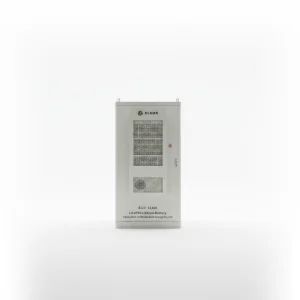
Shenzhen PowerSTN Energy Co., Ltd. stands at the nexus of this lifecycle revolution, combining advanced lithium iron phosphate (LiFePO4) chemistry with intelligent Battery Management Systems (BMS). We ensure every unit—whether a containerized 418KWh liquid-cooled system or a 48VDC base station backup—is manufactured, monitored, and optimized for maximum long-term residual value.
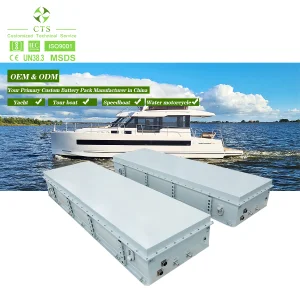
From custom Yacht high-voltage setups to modular multi-megawatt configurations, explore how our engineering fits complex project specifications.
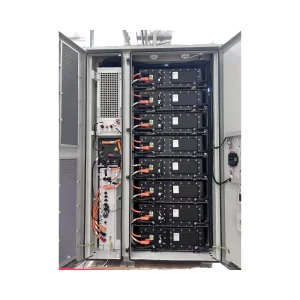
We deploy customizable active balancing BMS cards designed for high-stress environments. Coupled with liquid cooling pathways, our containerized configurations keep cell delta-T under 3°C, extending functional lifespans up to 15 years.
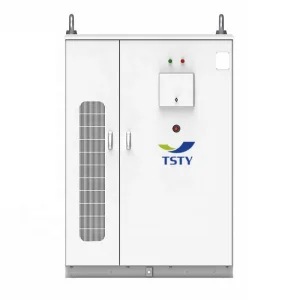
For large-scale grid connections, we build turn-key 20ft and 40ft container installations. Incorporating automatic aerosol fire extinguishing systems, HVAC logic, and integrated bidirectional PCS for seamless on/off grid switching.
Through barcode tracking from raw lithium chemical extraction, cell grading, and module welding, we maintain complete transparency for regulatory approvals, satisfying EU Battery Passport mandates.
A deep look into the geographical constraints, grid synchronization requirements, and regional deployment architectures.
Energy security requirements vary significantly between industrial zones. In the European Union, the emphasis lies in frequency containment reserve (FCR) and strict environmental lifecycle footprints. Conversely, in the North American market, commercial entities focus on peak-shaving, microgrid resilience, and compliance with local utility regulations (such as SGIP or UL9540 standards).
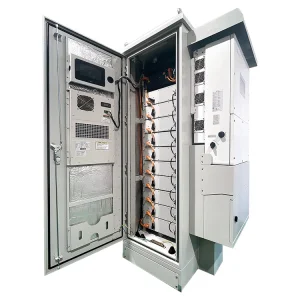
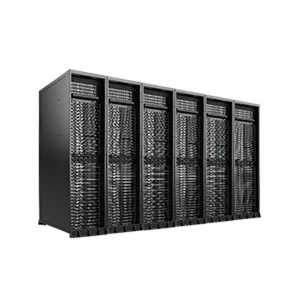
To meet these diverse needs, modern OEM suppliers must support flexible system integrations. This requires deploying modular architectures like the H3C Uniserver data center cabinet systems, or robust 51.2V telecom rectifiers capable of operating under extreme ambient temperatures (ranging from -20°C to 55°C) for remote base stations. The integration of CAN and Modbus communication protocols ensures these localized battery units communicate seamlessly with global SCADA platforms.
Moreover, the shift towards ultra-high voltage (up to 768V and beyond, as seen in our 241KWh and marine luxury catamaran configurations) reduces system current, resulting in lower line losses, smaller cable cross-sections, and higher efficiency conversion rates during deep discharge cycles.
Integrating the manufacturing depth, QC controls, and customized cell assembly capabilities of Shenzhen PowerSTN Energy Co., Ltd.
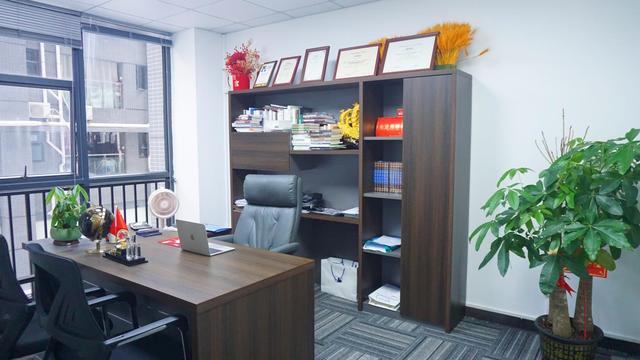
Shenzhen PowerSTN Energy Co., Ltd. is a China-based manufacturer specializing in advanced energy storage battery solutions for residential, commercial, and industrial applications. The company focuses on the development, production, and integration of lithium battery systems designed to support renewable energy utilization, backup power supply, and energy management projects worldwide.
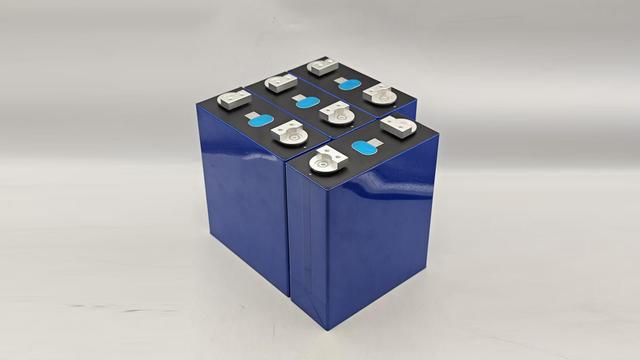
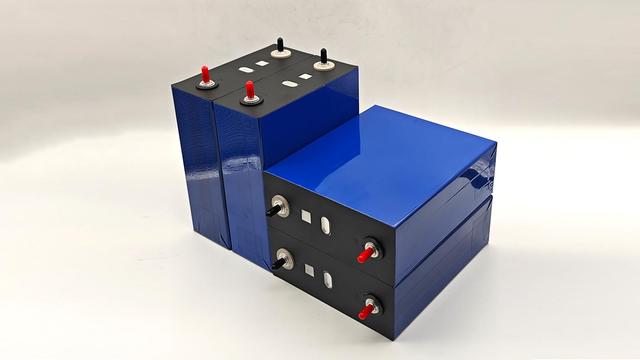
With a commitment to innovation and quality, PowerSTN provides a comprehensive portfolio of energy storage products, including residential energy storage systems, commercial and industrial battery solutions, solar energy storage batteries, off-grid power systems, hybrid energy storage platforms, and containerized battery energy storage systems. These solutions are engineered to help customers improve energy efficiency, enhance grid stability, and maximize the value of renewable energy investments.
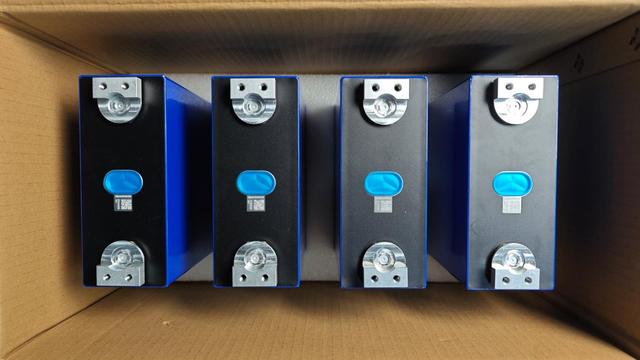
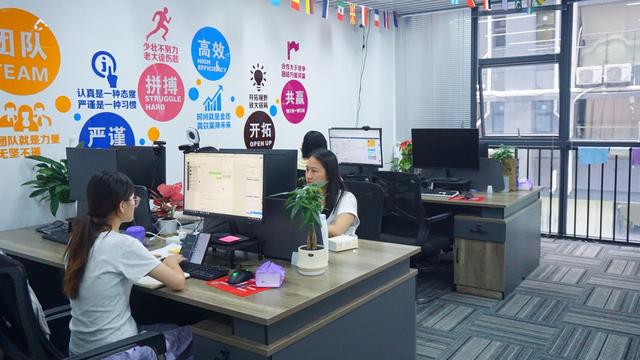
The company operates modern manufacturing facilities equipped with advanced production technologies and strict quality control procedures. From battery cell selection and battery pack assembly to system integration and performance testing, every stage of production is managed to ensure reliability, safety, and long-term operational performance.
PowerSTN serves customers across multiple industries, including renewable energy, telecommunications, data centers, utilities, manufacturing, commercial facilities, and infrastructure projects. Its engineering team works closely with clients to deliver customized energy storage solutions tailored to specific project requirements and operational environments.
In addition to manufacturing capabilities, Shenzhen PowerSTN Energy Co., Ltd. offers OEM and ODM services for global brands, distributors, system integrators, and energy solution providers. By combining technical expertise, flexible production capacity, and customer-focused support, the company aims to be a trusted partner for organizations seeking reliable and scalable energy storage technologies in the rapidly evolving global energy market.
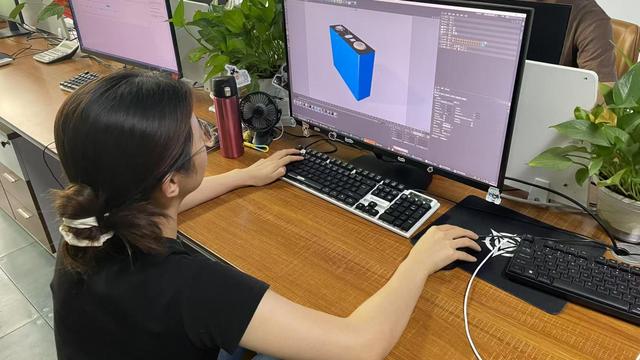
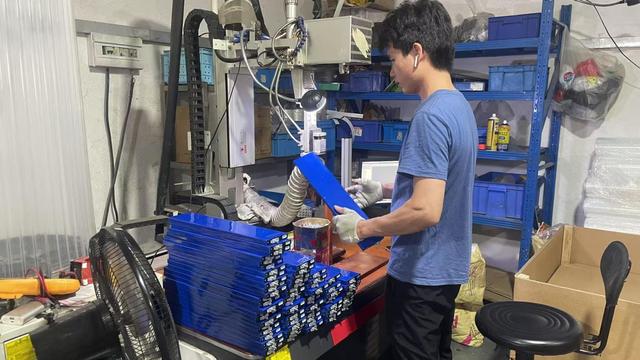
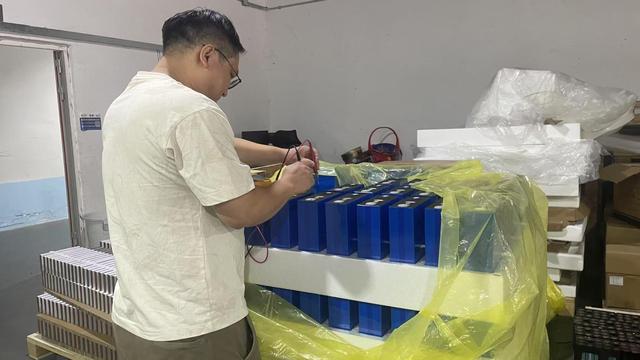
How we guarantee seamless market entry through stringent documentation, certificate management, and engineering protocols.
Shipping multi-ton energy storage systems or high-capacity lithium batteries requires compliance with strict safety regulations. Any custom lithium-ion configuration must possess UN38.3 transport testing certification and Material Safety Data Sheet (MSDS) approvals, which are standard for all PowerSTN designs. For key European markets, certifications such as CE, IEC 62619, and local grid connection certificates (such as VDE-AR-N 4105) ensure trouble-free installation and utility approval.
Furthermore, our localized OEM/ODM support options streamline installation. We collaborate with regional system integrators in Europe, the Americas, and APAC to assist in pre-commissioning phases. From configuring hybrid off-grid home setups to integrating multi-cabinet container systems for remote mining locations, PowerSTN delivers design schemas, localized user interfaces, and modular maintenance manuals.
Leading the next generation of cloud-based diagnostics, active-balancing solid chemistry, and circular lifecycle designs.
As cell chemistry reaches its energetic density sweet spot, the next differentiator is the deployment of software-defined battery intelligence. The PowerSTN R&D roadmap focuses on three main pillars:
Find answers to common engineering, integration, and lifecycle questions concerning large-scale LiFePO4 assets.
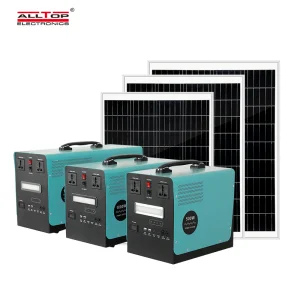
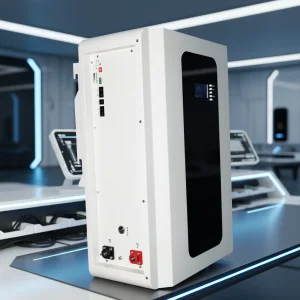
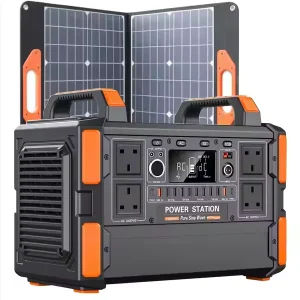
Complete your industrial power infrastructure with our extensive portfolio, including localized portable stations and emergency back-up solutions.
 PowerSTN Energy