Engineered for high performance, maximum cycle life, and absolute thermal safety across commercial, industrial, and residential applications.
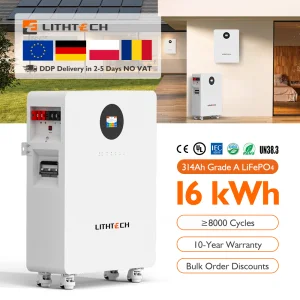
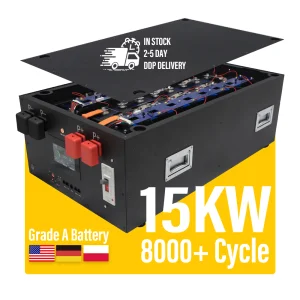
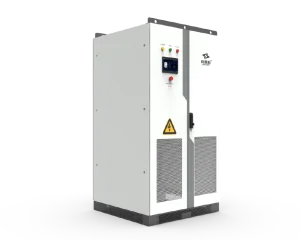
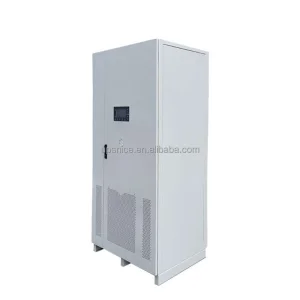
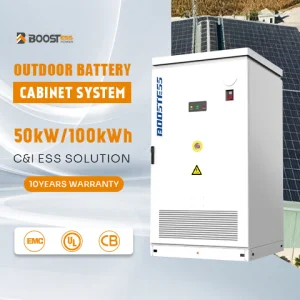
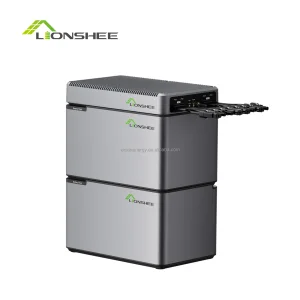
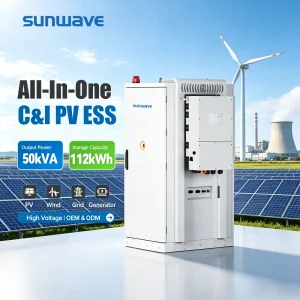
Analyzing the pivotal shift towards highly integrated Battery Energy Storage Systems (BESS) amidst global grid modernization and policy evolution.
The global transition towards decarbonization has fundamentally modified how electricity is generated, transmitted, and consumed. Intermittent renewable resources like solar photovoltaic (PV) and wind energy are destabilizing legacy grids that were designed for dispatchable, centralized fossil-fuel generation. In this context, advanced battery energy storage systems (BESS) are no longer auxiliary systems; they have emerged as core infrastructure assets essential for grid stability, frequency regulation, and load management.
Globally, the Commercial & Industrial (C&I) sector represents over 60% of total electrical power consumption. High demand charges, strict sustainability directives, and grid instability have driven corporate consumers to actively procure behind-the-meter (BTM) storage solutions. In geographic zones such as North America and Central Europe, peak shaving has transitioned from a localized cost-control measure to an absolute operational necessity. By discharging batteries during peak tariffs and recharging them during low-tariff or high-generation periods, industrial manufacturers can reduce energy demand components on utility bills by up to 45%.
Utility-scale energy storage systems resolve the "duck curve" phenomenon by absorbing excess solar power during midday and injecting it back into the grid during evening demand peaks. On/off-grid microgrid integration ensures operational continuity during blackouts, isolating vital manufacturing processes without interrupting production lines.
Advanced inverters combined with LFP battery packs respond in milliseconds to transient load disruptions. Providing rapid active power injection (frequency support) and reactive power regulation, these systems maintain grid nominal parameters without the mechanical latency of traditional gas turbine thermal peaker plants.
Time-of-Use (ToU) arbitrage leverages volatile intra-day spot prices. By storing energy during negative or ultra-low pricing intervals and exporting during high-revenue peaks, enterprise operations transform energy storage units from depreciating cost centers into high-yield, active balance-sheet assets.
Leading Chinese Manufacturer of Integrated Battery Systems
Shenzhen PowerSTN Energy Co., Ltd. is a China-based manufacturer specializing in advanced energy storage battery solutions for residential, commercial, and industrial applications. The company focuses on the development, production, and integration of lithium battery systems designed to support renewable energy utilization, backup power supply, and energy management projects worldwide.
With a commitment to innovation and quality, PowerSTN provides a comprehensive portfolio of energy storage products, including residential energy storage systems, commercial and industrial battery solutions, solar energy storage batteries, off-grid power systems, hybrid energy storage platforms, and containerized battery energy storage systems (BESS). These solutions are engineered to help customers improve energy efficiency, enhance grid stability, and maximize the value of renewable energy investments.
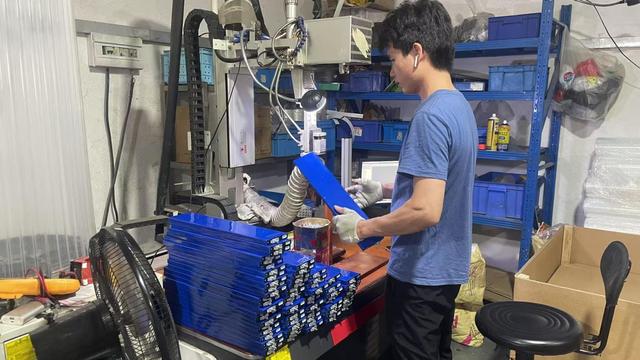
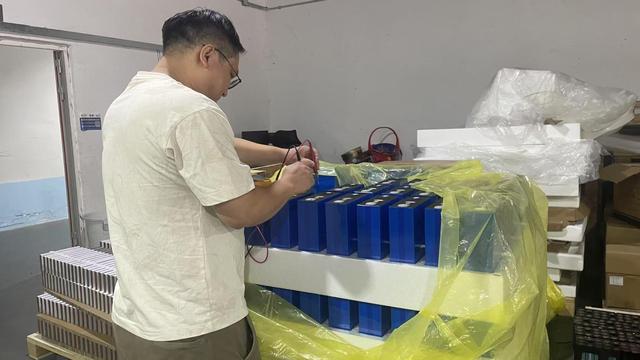
The company operates modern manufacturing facilities equipped with advanced production technologies and strict quality control procedures. From battery cell selection and battery pack assembly to system integration and performance testing, every stage of production is managed to ensure reliability, safety, and long-term operational performance.
High-volume cell manufacturing coupled with absolute quality control guarantees reliability at scale.
Unlocking cross-border supply chains and minimizing lead times through local hubs and rigorous safety certifications.
Deploying commercial and industrial energy storage globally requires complying with highly fragmented grid codes and safety regulations. PowerSTN bridges the gap between massive manufacturing efficiency in China and localized support on the ground.
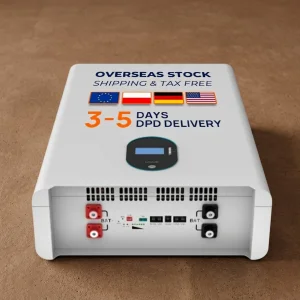
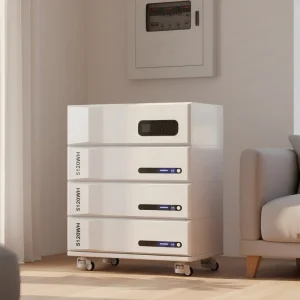
With fully-stocked warehouses situated directly in Europe, we bypass global shipping delays, providing immediate delivery of stackable home energy storage modules, LiFePO4 replacement packs, and hybrid inverters to local European system integrators.
Our solutions conform to rigid safety parameters including UL 1973, UL 9540A, CE, IEC 62619, and UN38.3. This ensures hassle-free permitting from municipal planners, fire departments, and local distribution system operators (DSOs).
From engineering custom battery system voltages (ranging from 48V to 800V DC) to configuring specialized EMS parameters, our R&D department adapts structural designs and communication protocols (Modbus, CAN bus) for Tier 1 global clients.
Deploying tailored power architectures to optimize efficiency, lower operating costs, and secure mission-critical infrastructure.
For isolated facilities, manufacturing plants, or remote mining areas, our 50kW / 112kWh to 125kW / 250kW Hybrid Microgrid Systems combine solar PV, diesel backup, and LiFePO4 storage. The system actively offsets high-tariff grid usage during peak periods and shifts load profiles to maximize PV self-consumption. In the event of grid collapse, the high-speed transfer switch transitions to islanded mode in under 10ms, safeguarding automation machinery.
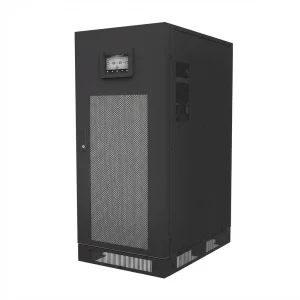
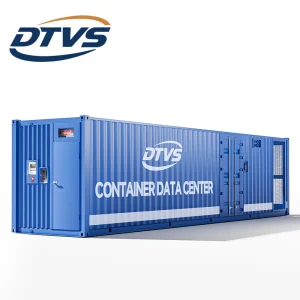
Edge computing sites and telecom cell towers require unwavering power quality. Our three-phase online double-conversion UPS systems (20KVA-100KVA) utilize advanced lithium-ion chemistries instead of heavy, space-consuming lead-acid arrays. Combined with containerized, rapid-deployment mobile data center units, infrastructure developers can deploy robust, weatherproof, and thermally insulated IT configurations globally within weeks.
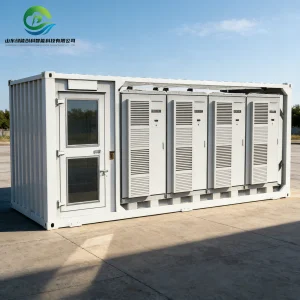
For scale-intensive applications like grid-frequency regulation and renewable wind/solar farms, our containerized 400kWh to 2MWh LiFePO4 BESS uses liquid-cooling systems. Liquid cooling reduces temperature gradients inside the containerized cabinet to within 3°C, extending the lifespan of the integrated Grade A+ cells and dramatically lowering operational fire risks compared to standard forced-air systems.
As the energy storage landscape transitions from basic battery chemistry to intelligent energy management, PowerSTN's technological roadmap prioritizes system safety, structural energy density, and AI-optimized EMS platforms.
Phasing out older 280Ah cell configurations in favor of 314Ah high-capacity cells. This structural evolution increases system capacity by 12% in the exact same physical cabinet envelope, lowering spatial footprint and installation costs for multi-megawatt configurations.
Standardizing liquid thermal management throughout the C&I portfolio. Active coolant circulation maintains internal cell temperatures under optimal conditions even during high-rate C-rate cycling (1C/2C charging/discharging), preventing thermal degradation.
Deploying machine-learning-based Energy Management Systems. By analyzing local meteorological data, spot market electricity pricing, and historical facility consumption patterns, the system automatically schedules charge/discharge profiles to maximize ROI.
Addressing the critical technical questions asked by system integrators, EPC engineers, and project developers.
The transition to 314Ah LFP (Lithium Iron Phosphate) cells represents a significant density leap. It allows manufacturers to package more energy without altering standard cell dimensions. For example, a standard 20-foot container system previously limited to 3.72MWh can now comfortably house 5.0MWh+ of nominal capacity. This reduces balance of system (BOS) components, simplifies civil construction costs, and increases the overall revenue generation capacity per square meter of facility footprint.
Air cooling uses high-power HVAC systems to blow air through battery racks, often resulting in temperature differentials of up to 8°C between top and bottom cells. These differentials cause unequal internal cell resistances, leading to mismatched cell degradation and premature overall system capacity loss. Liquid cooling uses active chiller plates directly adjacent to the cells. The fluid transfer coefficient is significantly higher, reducing the temperature variance to below 3°C, conserving auxiliary power consumed by HVAC fans, and adding up to 20% to the lifetime of the battery system.
Our 8000 cycle claim is rooted in Grade A+ cell chemistry, utilizing proprietary electrolyte additives that inhibit lithium plating during fast charging. We execute meticulous cell sorting (based on capacity, internal resistance, and open-circuit voltage matching) to guarantee that every pack operates in perfect alignment. Furthermore, our integrated battery management systems (BMS) dynamically balance cells during rest and charge phases, preventing single-cell overcharging and degradation.
We deploy a multi-layered fire mitigation and thermal runaway defense strategy. First, we use LiFePO4 chemistry, which inherently possesses a higher thermal runaway threshold (270°C) compared to NMC (150°C). Second, our modules feature built-in pressure relief valves and electrical fuses. Third, the cabinet systems are equipped with gas detection sensors (CO, H2, and volatile organic compound sensors) connected to an automatic aerosol or gas fire suppression system (e.g., Novec 1230 or FM200) to isolate thermal events before ignition can spread.
Take an inside look at PowerSTN's automated cell-sorting, module packaging, and system validation lines.
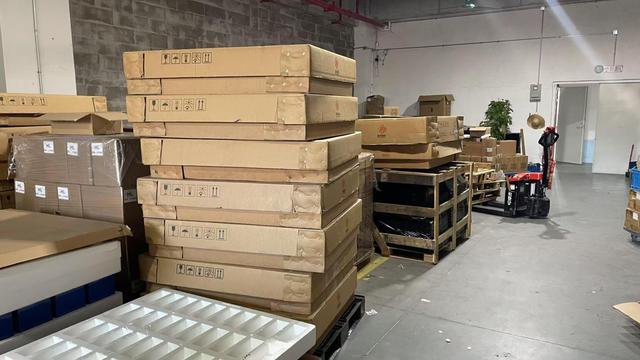
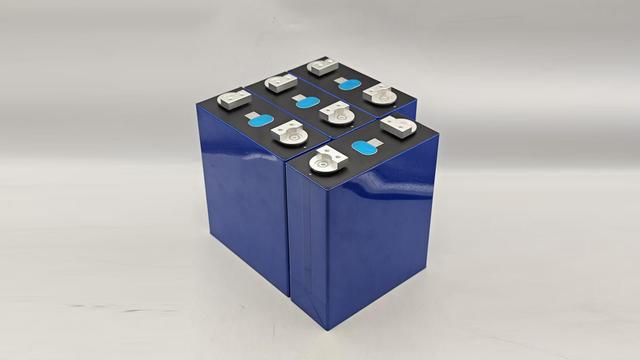
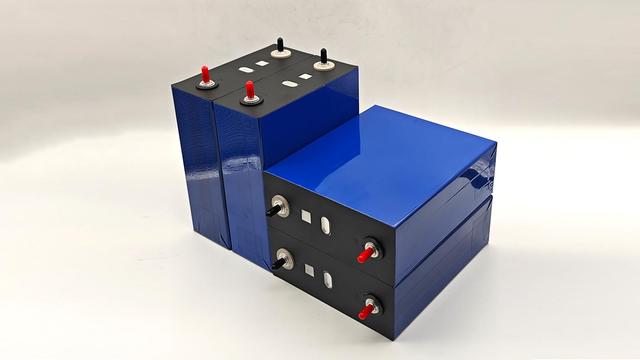
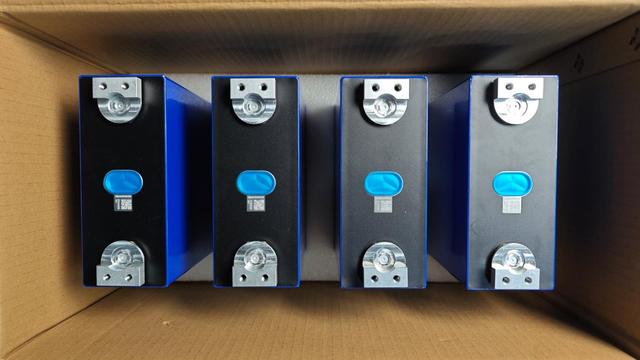

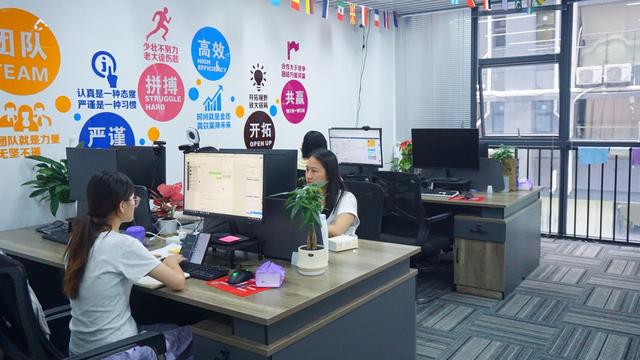
Broadening the energetic horizon with high-voltage battery cabinets, online UPS systems, and portable storage containers.
 PowerSTN Energy