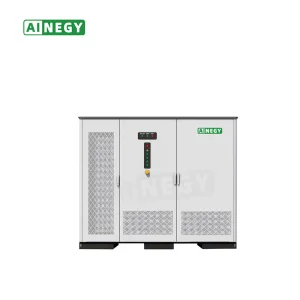
Explore our premium selection of commercial-grade liquid cooling energy storage cabinets, containerized BESS platforms, off-grid EV charging systems, and residential lithium powerwall solutions built for high efficiency.
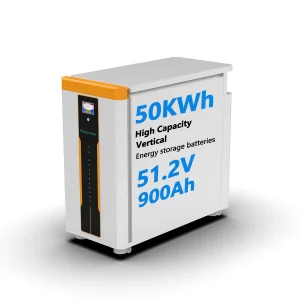
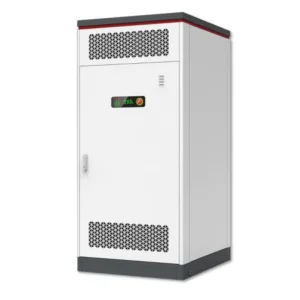
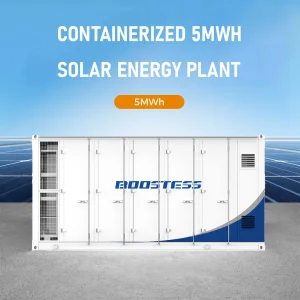
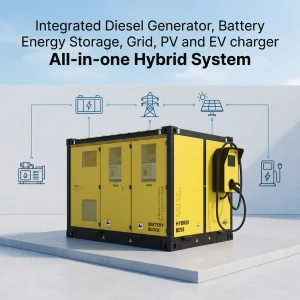
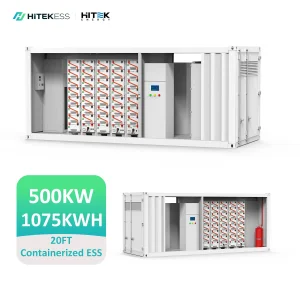
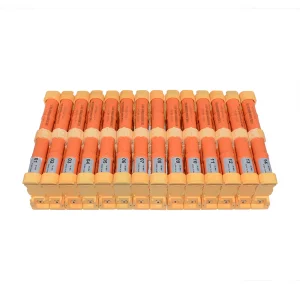
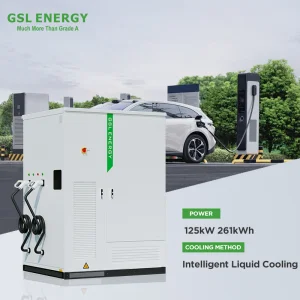
As governments worldwide accelerate decarbonization, the industrial and commercial sectors face a dual pressure: lowering operational carbon footprints while securing uninterrupted, cost-effective electrical power. Intermittent renewable sources like solar PV require robust buffering systems to solve dispatchability challenges.
By storing excess solar energy generated during off-peak periods and discharging it during high-demand windows, commercial operators drastically reduce monthly peak-demand utility charges (demand charges).
For critical infrastructures like data centers, manufacturing plants, and remote telecommunication systems, containerized BESS installations act as seamless uninterruptible backup solutions during grid blackouts.
Utility-scale energy storage providers leverage modular battery systems to perform frequency regulation, voltage support, and black-start capabilities, stabilizing national energy grids.
Shenzhen PowerSTN Energy Co., Ltd. is a premier, China-based technology leader and manufacturer specializing in advanced energy storage battery solutions for residential, commercial, and industrial applications. Our organization focuses on the end-to-end design, development, production, and integration of high-performance lithium battery systems that support global renewable energy utilization, secure backup power supply, and dynamic energy management systems.
With an unwavering commitment to engineering innovation and strict quality control, PowerSTN delivers a comprehensive portfolio of clean energy systems. This includes high-density residential energy storage systems, modular commercial and industrial cabinet solutions, utility-scale off-grid power stations, hybrid storage platforms, and containerized battery energy storage systems (BESS). These products are systematically optimized to maximize renewable energy ROI, lower operational risk, and secure grid compliance.
All manufacturing phases conform to international benchmarks. Every battery system undergoes dynamic cell screening, capacity matching, module-level laser welding, and rigorous full-load thermal cycling under strict safety protocols (certified UL1973, IEC62619, CE, and UN38.3 standards).

Partnering with a leading Chinese energy storage manufacturer provides critical structural and technological advantages in today's capital-intensive energy market. Shenzhen is the epicenter of the global lithium battery supply chain, enabling unmatched resource efficiency and rapid technological iterations.
We source premium Class A Lithium Iron Phosphate (LiFePO4) cells directly from top-tier mineral refiners and cell fabricators in close geographic proximity. This direct integration eliminates global logistical overhead and guarantees consistency in cell chemistry, internal resistance, and voltage match.
Our production facilities feature high-speed robotic sorting, precision laser welding, automated visual inspection (AOI), and integrated digital aging chambers. Automation dramatically minimizes manual intervention, preventing structural defects, ensuring structural integrity, and reducing cell failures to single-digit PPM levels.
Located in Shenzhen, we leverage advanced seaport infrastructures for rapid UN38.3 certified dangerous goods container packaging and shipping. This secure logistics ecosystem shortens delivery lead times and guarantees safe transport compliance across Europe, the Americas, and APAC.
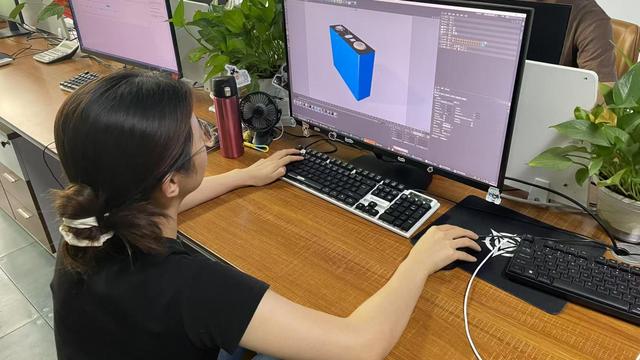
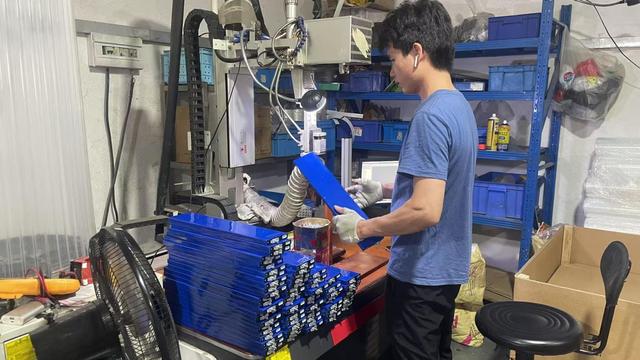
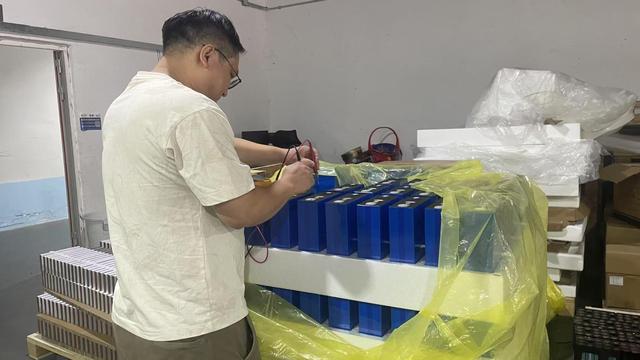
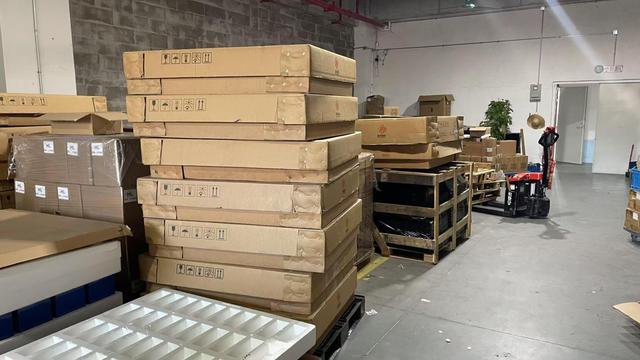
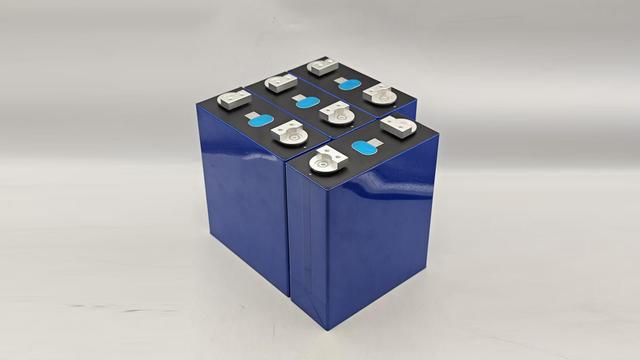
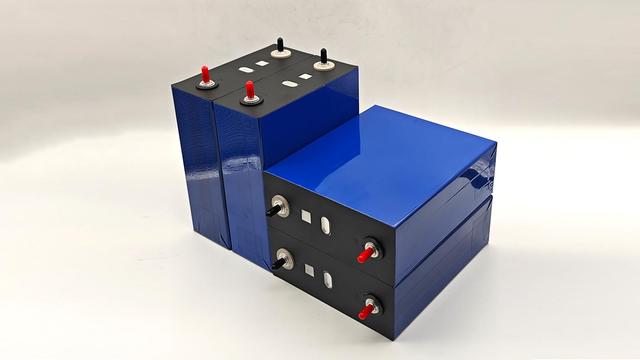
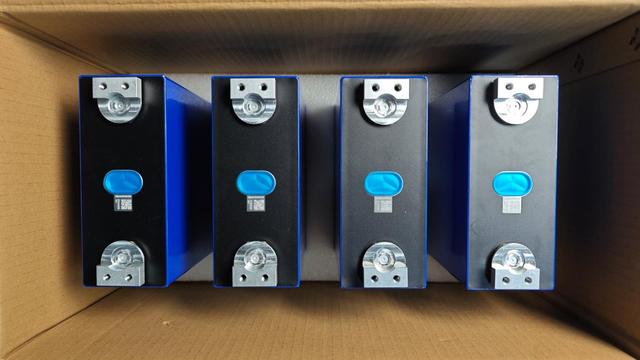

Energy requirements vary extensively by local grid topology, regional climate conditions, and regulatory environments. PowerSTN develops tailored solutions optimized for distinct commercial and industrial demands worldwide.
As electric vehicle deployment outpaces local grid capacities, high-power DC fast-charging terminals require on-site buffering. Our integrated LFP battery solutions charge dynamically during low-demand periods or via solar PV carports, delivering instant high-current discharge to EVs without stressing the local grid distribution transformer.
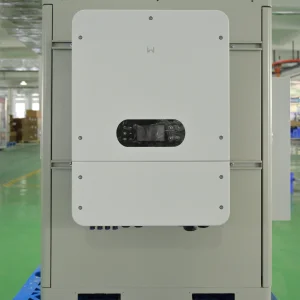
For remote areas and telecom base stations, stable power is critical. Combining high-voltage modular battery banks with hybrid inverters ensures 99.999% uptime. The system dynamically switches between solar arrays, diesel generators, and stored batteries, significantly reducing diesel fuel consumption and maintenance costs.
Heavy manufacturing facilities face high peak-demand charges. By integrating a multi-megawatt BESS, businesses can dispatch stored solar energy during peak demand spikes, shifting their load profile and lowering monthly energy bills while providing reliable emergency backup.
The energy storage industry is shifting from basic battery pack assembly to integrated thermal management, advanced software integration, and high-voltage grid support systems.
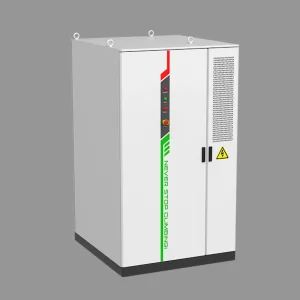
Traditional air cooling systems often suffer from uneven internal module temperatures, leading to localized cell degradation and increased thermal runaway risk. Next-generation liquid cooling systems (such as our 241kWh and 522kWh configurations) pump specialized coolant directly through custom-designed cooling plates integrated within the battery racks.
Moving from 48V to 400V/800V/1500VDC systems reduces operational currents, minimizing copper cabling requirements and significantly lowering line transmission losses in large-scale integrations.
Modern EMS platforms incorporate predictive weather algorithms and dynamic grid tariffs, optimizing charging and discharging profiles in real time to maximize project financial yields.
Advanced pack design features module-level aerosol fire suppression, active vent control, and intelligent BMS monitoring to prevent thermal runaway before it propagates.
Global EPC contractors, developers, and enterprise buyers must evaluate several core technical parameters when selecting a factory-direct solar energy storage system:
BESS systems should specify both nominal capacity and actual usable energy under standard charge/discharge rates (typically 0.5C or 1C). The Depth of Discharge (DoD) should ideally be configured at 90% to 95% to balance operational life and energy availability.
C-rate measures the speed at which a battery charges or discharges. A 1C system charges or discharges fully in 1 hour; a 0.5C system does so in 2 hours. Ensure your BESS selection matches your site's peak power demands and load durations.
Look for systems guaranteeing over 6000 cycles at 80% State of Health (SoH) at 25°C. Reliable manufacturers back their systems with performance warranties, ensuring long-term project bankability.
Get answers to critical technical, financial, and logistical questions when source-purchasing factory-direct solar energy storage systems.
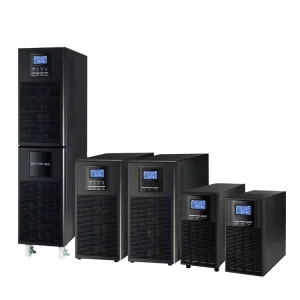
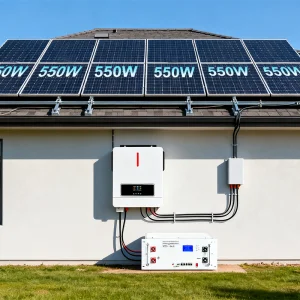
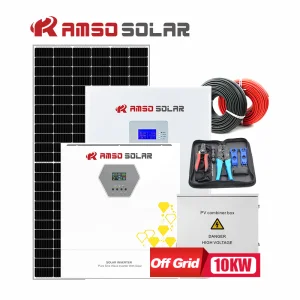
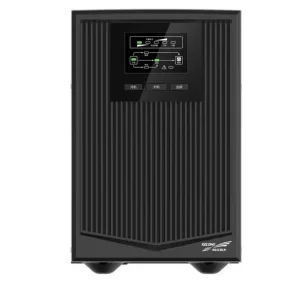
Explore more high-performance solutions, including grid-tied containerized battery energy storage systems, online UPS units, residential solar kits, and heavy liquid-cooling industrial systems.
 PowerSTN Energy