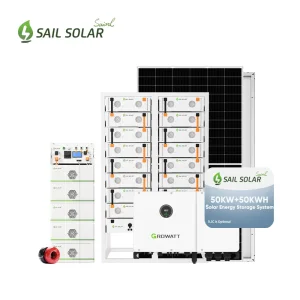
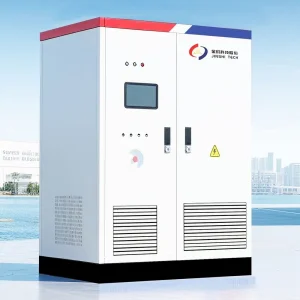
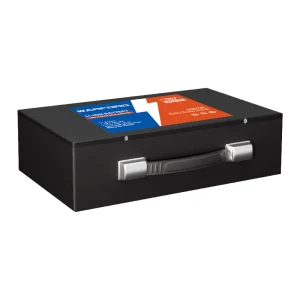
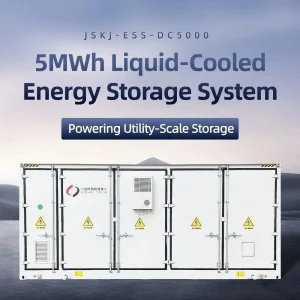
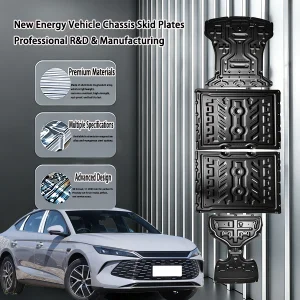
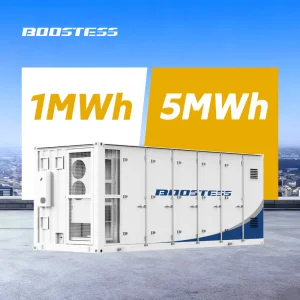
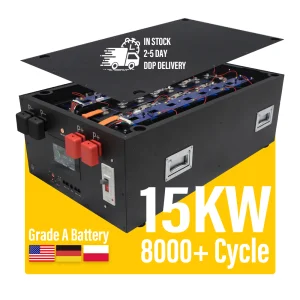
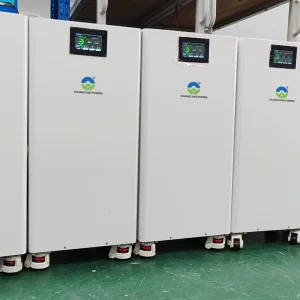
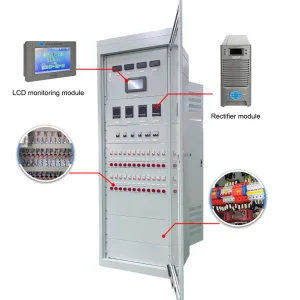
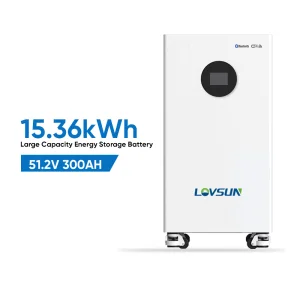
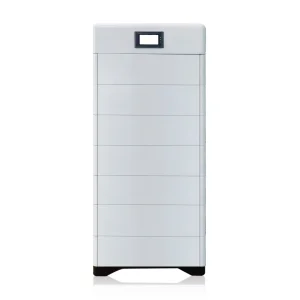
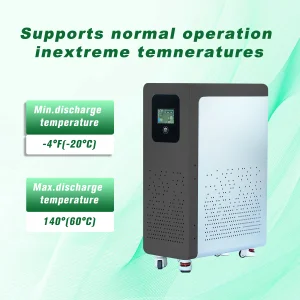
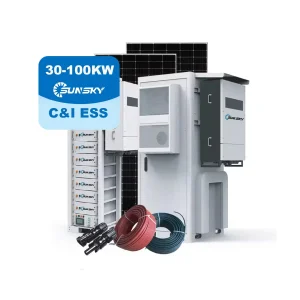
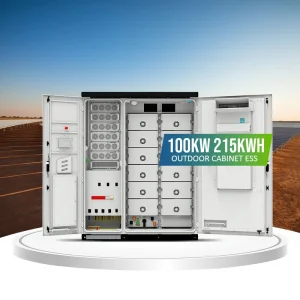
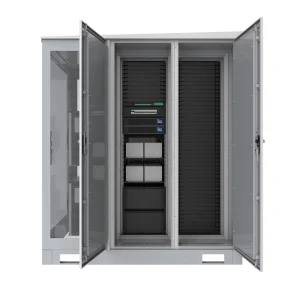
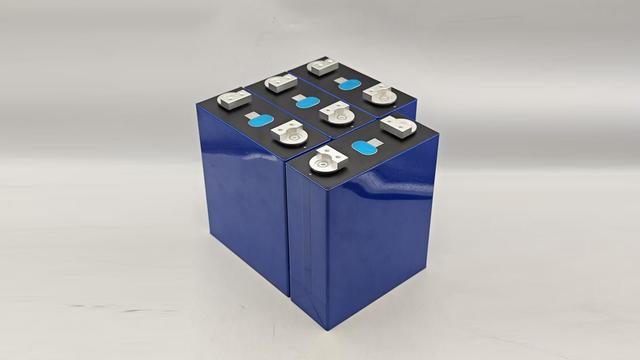
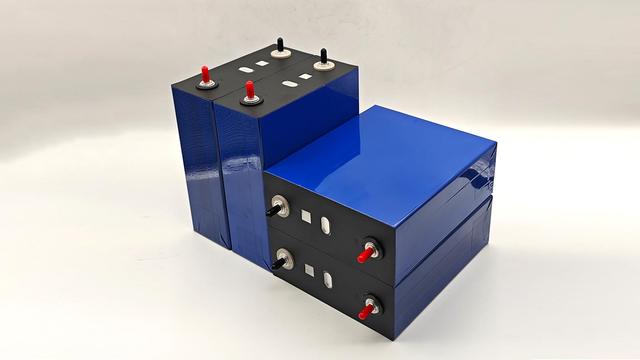
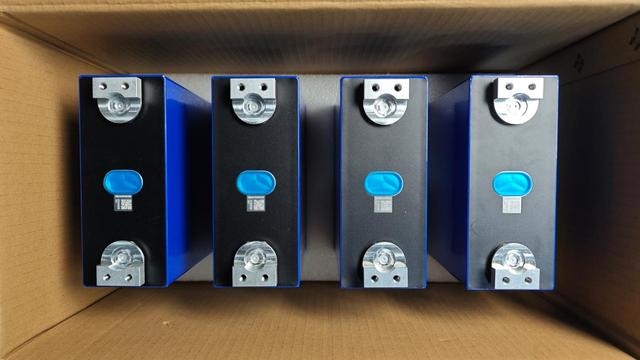
These product families illustrate the practical building blocks that procurement teams evaluate when shortlisting wind energy storage systems manufacturers and exporters: modular LFP batteries, commercial hybrid systems, microgrid BESS containers, data-center backup, and off-grid solar-storage kits.
Product availability, specifications, certification scope, warranty terms, and lead times must be confirmed against the latest datasheet and project-specific quotation.
Wind energy storage is no longer a niche accessory to renewable generation. As onshore and offshore wind penetration rises, grid operators increasingly value fast frequency response, ramp-rate control, curtailment recovery, voltage support, and firm capacity. A battery energy storage system (BESS) co-located with a wind farm can convert variable generation into a more dispatchable product, while a commercial and industrial (C&I) storage system can protect factories from demand charges, outages, and volatile tariffs.
However, the phrase “top 10 wind energy storage systems manufacturers and exporters” does not describe a single universal ranking. A supplier ranked highly for a 30 kWh commercial cabinet may not be the best fit for a 5 MWh containerized system, a data-center UPS platform, or a high-temperature microgrid. Serious procurement teams therefore separate three questions: who makes the battery platform, who engineers the complete system, and who supports the asset locally after commissioning?
This guide is written for EPC contractors, distributors, utilities, data-center operators, telecom companies, and industrial buyers. It organizes the market around user intent: technical due diligence, global commercial status, localized compliance, application scenarios, lifecycle cost, and future technology readiness. The objective is not to repeat generic supplier claims, but to provide information gain that helps buyers ask better questions and compare offers on a like-for-like basis.
The figures below are common reference ranges for qualified lithium iron phosphate (LFP) stationary storage systems. Actual values vary by cell, module design, duty cycle, temperature, state of charge window, and warranty terms.
Always validate cycle life, efficiency, augmentation strategy, and warranty exclusions using third-party test reports and contractual performance guarantees.
Commercial and industrial storage has moved from emergency backup toward a revenue and resilience asset. In Europe, volatile electricity tariffs, capacity constraints, and corporate decarbonization targets are driving peak shaving, self-consumption, and grid-code-compliant flexibility. In North America, data-center load growth, interconnection queues, and reliability concerns are expanding the market for UL 9540/9540A-certified systems. In Latin America, the Middle East, and Africa, weak-grid and high-temperature environments make diesel displacement, telecom backup, and microgrid resilience especially relevant.
For wind projects, the strongest commercial case often appears where curtailment is material, interconnection capacity is scarce, or grid services are compensated. Co-located BESS can smooth wind output, shift energy into higher-value windows, provide frequency response, and reduce the need for fossil-fuel peaking plants. Yet the economics depend on market rules, dispatch rights, tariff design, augmentation cost, and the ability to stack revenues without double-counting.
A practical global sourcing strategy should not treat China-based exporters, European integrators, and North American service providers as interchangeable. The best shortlist balances manufacturing scale with localized engineering, certification coverage, spare-parts strategy, cybersecurity review, and clear responsibility for commissioning and warranty execution. Export capability is not only a price advantage; it is a documentation, compliance, logistics, and service-system advantage.
Because project requirements differ, the most defensible “top 10” approach is a weighted scorecard across ten capability areas. Use it to build a project-specific shortlist rather than relying on generic rankings.
Ask for comparable projects, third-party test reports, financial stability, warranty backing, and evidence that previous systems are still operating at claimed availability.
Review ramp-rate control, frequency response, curtailment recovery, hybrid plant control, and IEC 61850, Modbus TCP, or DNP3 integration experience.
Check UL 9540/9540A, NFPA 855, IEC 62619, IEC 62933, UN38.3, MSDS, CE, and local fire-code documentation for the exact configuration being offered.
Compare LFP cycle life, temperature derating, state-of-charge window, supply-chain traceability, and whether the cell-to-system warranty is coherent.
Evaluate modularity from kWh cabinets to MWh containers, DC/AC topology, augmentation strategy, footprint, and future capacity expansion without replacing core equipment.
Liquid cooling, HVAC design, cell-level monitoring, gas detection, fire suppression, pressure relief, and thermal-propagation testing should match the deployment environment.
Look for transparent dispatch logic, remote diagnostics, KPI dashboards, firmware governance, role-based access, and cybersecurity controls aligned with utility expectations.
Confirm commissioning support, response-time commitments, spare-parts stocking, technician training, remote monitoring, and warranty labor responsibility by region.
Review UN38.3, MSDS, dangerous-goods packing, HS classification, country-of-origin documents, DDP capability, and local registration support.
Compare capex, round-trip efficiency, degradation, augmentation, O&M, insurance, downtime risk, and warranty exclusions—not just the initial price per kWh.
Storage creates value when it is engineered around a clear duty cycle. The following solution patterns are especially relevant for wind energy storage systems manufacturers and exporters serving global markets.
Co-located BESS can smooth output, capture curtailed energy, provide frequency response, and reduce grid-connection stress. The critical design question is how storage dispatch is coordinated with turbine control and market participation.
Factories and commercial estates combine solar, wind, and storage to reduce peak demand and improve resilience. A hybrid EMS should prioritize self-consumption, demand limits, backup reserve, and generator avoidance.
Containerized 1 MWh to 5 MWh systems support capacity markets, ancillary services, and renewable shifting. Buyers should verify fire safety, grid-code compliance, augmentation, and long-term serviceability.
Diesel displacement is often the fastest business case in remote areas. LFP storage with robust thermal design and remote diagnostics can reduce fuel logistics, emissions, and generator runtime.
Critical facilities need ride-through, power quality, and seamless transition. Liquid-cooled cabinets, intelligent Li-ion backup, and -48V telecom systems are relevant where high availability is mandatory.
Home and community storage supports backup, self-consumption, and weak-grid reliability. Exporters should provide clear inverter compatibility, certification coverage, and after-sales support.
A wind-ready storage proposal should be read as a system architecture, not a battery shopping list. LFP cells provide the energy foundation, but the BMS, PCS, thermal management, fire protection, EMS, transformers, switchgear, and protection system determine whether the asset can actually deliver contracted services. For wind integration, the PCS and EMS must handle rapid power changes without compromising battery life or grid compliance.
LFP is widely used for stationary storage because of cycle life, thermal stability, and cost. Verify cell provenance, module-level monitoring, and the stated state-of-charge operating window.
The BMS should balance cells, detect abnormal conditions, communicate with the PCS, and log event data. Ask how alarms escalate and how safe shutdown is coordinated.
PCS selection drives efficiency, response speed, grid-forming readiness, and compliance. Confirm certified grid-support functions for the destination market.
AI-assisted monitoring is useful only when it improves dispatch, degradation forecasting, or fault detection. Thermal and fire systems must be validated for the installed environment.
Localization is not a translated brochure. It is the ability to deliver the right certification package, respond to commissioning issues in the buyer’s time zone, supply spare parts, and interpret local grid and fire requirements correctly. For exporters, compliance begins before shipment and continues through registration, installation, inspection, and warranty execution.
Critical for many North American projects. Confirm the exact model, enclosure, spacing, fire detection, and suppression configuration covered by the listing or test report.
Relevant for industrial lithium batteries and grid-connected energy storage. Review module-level test evidence, not only cell certificates.
Essential for export logistics. Packaging, state of charge, dangerous-goods declaration, and carrier acceptance criteria should be confirmed before booking freight.
IEEE 1547, UL 1741 SB, EN 50549, VDE-AR-N, and local utility requirements may apply. The PCS certificate must match the project’s grid interface.
European market access often requires environmental and product-safety documentation. Check that declarations cover the full system, including accessories and cabinets.
Define who performs installation supervision, grid tests, training, preventive maintenance, firmware updates, and warranty labor. Put response times and escalation paths in writing.
For regional deployment, a strong exporter should provide a compliance matrix by country, a local warehousing or spare-parts plan, and evidence of previous DDP or project-logistics experience. European buyers often emphasize CE, grid-code, and DDP execution; North American buyers emphasize UL, NFPA, and service response; Latin American, Middle Eastern, and African buyers often prioritize high-temperature robustness, diesel displacement, and remote diagnostics.
The same battery platform can serve different use cases only when the EMS, PCS, thermal design, and service model are adapted. These scenario cards show how buyers can map product families to real operating conditions.
Factories and warehouses use hybrid solar-storage systems to reduce demand charges and improve resilience. Priority checks include CE documentation, grid-code compliance, DDP delivery, and local service partners.
Liquid-cooled battery cabinets and LiFePO4 backup systems support critical loads. Buyers should verify UL 9540A testing, NFPA 855 layout, commissioning procedures, and cybersecurity controls.
High ambient temperatures and weak grids demand robust thermal design and remote monitoring. Containerized BESS and telecom backup systems can reduce diesel consumption and maintenance trips.
Offices, telecom sites, and retail networks need seamless backup during unstable grid conditions. Look for integrated UPS-style systems, clear runtime data, and Spanish-language support.
Industrial parks combine solar, storage, and energy management to control peak demand. Modular 30 kW to 100 kW systems can be phased as production expands.
Off-grid hybrid kits and containerized storage improve reliability where fuel logistics are expensive. Ask for black-start strategy, generator coordination, and long-term spares planning.
Wind energy storage is moving toward higher integration, better grid support, and more intelligent operations. The roadmap below is a procurement lens, not a guarantee of any single supplier’s schedule. Buyers should ask how today’s system can be monitored, augmented, and kept compliant over a 15- to 20-year asset life.
Larger LFP cells, 5 MWh-class containers, liquid cooling, higher cycle-life warranties, and more standardized C&I cabinets. Expect stronger demand for UL 9540A and IEC evidence.
Grid-forming inverters, hybrid wind-solar-storage plant controllers, AI-assisted EMS, and advanced fire detection become differentiators for utility and microgrid projects.
Long-duration storage, sodium-ion commercialization, second-life battery strategies, and digital-twin lifecycle management may reshape cost and sustainability assumptions.
Cybersecurity, firmware governance, standardized modularity, and transparent performance data will matter as much as energy density or price per kWh.
Shenzhen PowerSTN Energy Co., Ltd. is a China-based manufacturer specializing in advanced energy storage battery solutions for residential, commercial, and industrial applications. The company focuses on the development, production, and integration of lithium battery systems designed to support renewable energy utilization, backup power supply, and energy management projects worldwide.
With a commitment to innovation and quality, PowerSTN provides a comprehensive portfolio of energy storage products, including residential energy storage systems, commercial and industrial battery solutions, solar energy storage batteries, off-grid power systems, hybrid energy storage platforms, and containerized battery energy storage systems. These solutions are engineered to help customers improve energy efficiency, enhance grid stability, and maximize the value of renewable energy investments.
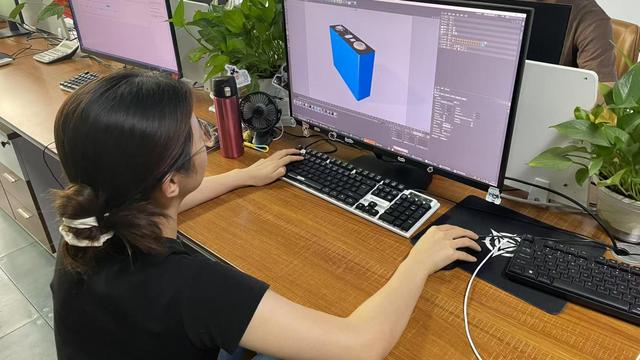
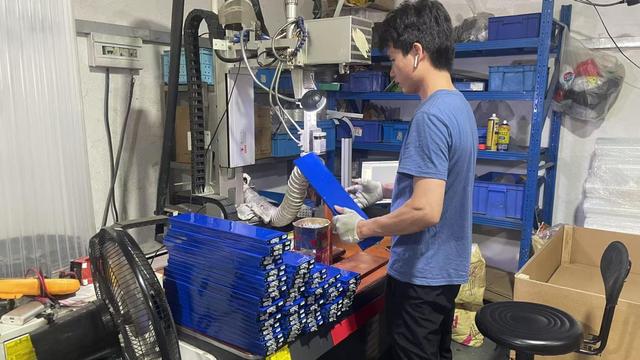
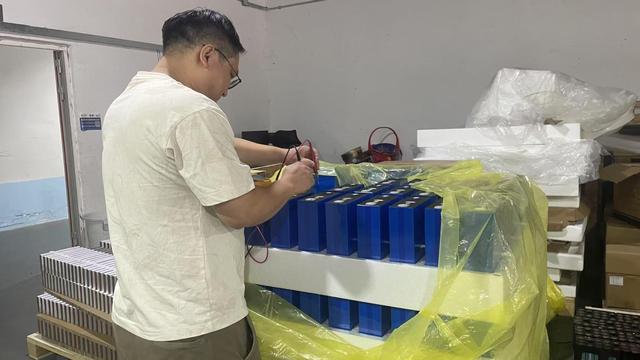
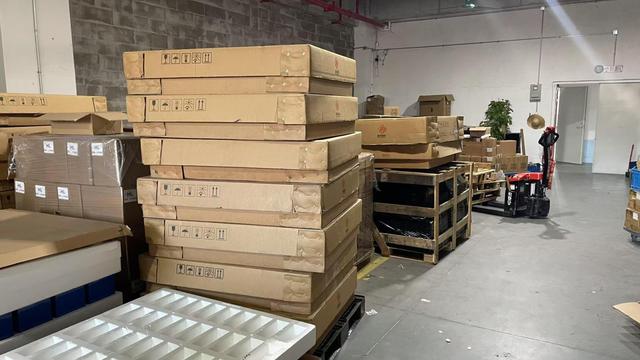
The company operates modern manufacturing facilities equipped with advanced production technologies and strict quality control procedures. From battery cell selection and battery pack assembly to system integration and performance testing, every stage of production is managed to ensure reliability, safety, and long-term operational performance.
PowerSTN serves customers across multiple industries, including renewable energy, telecommunications, data centers, utilities, manufacturing, commercial facilities, and infrastructure projects. Its engineering team works closely with clients to deliver customized energy storage solutions tailored to specific project requirements and operational environments.
In addition to manufacturing capabilities, Shenzhen PowerSTN Energy Co., Ltd. offers OEM and ODM services for global brands, distributors, system integrators, and energy solution providers. By combining technical expertise, flexible production capacity, and customer-focused support, the company aims to be a trusted partner for organizations seeking reliable and scalable energy storage technologies in the rapidly evolving global energy market.
Cell selection, pack assembly, system integration, and performance testing are managed as connected stages rather than isolated operations.
Residential, C&I, telecom, data-center, off-grid, hybrid, and containerized platforms can be adapted to project requirements.
Global brands, distributors, and system integrators can use flexible production and engineering support to scale market-specific offers.


Price per kWh is a starting point, not a decision. A lower-cost system can become more expensive if it requires oversized cooling, delivers less usable energy, fails grid compliance, or lacks local spare parts. Build the comparison around usable energy, round-trip efficiency, degradation curve, augmentation schedule, warranty exclusions, commissioning scope, and service response.
Specify daily cycles, depth of discharge, response speed, backup reserve, and seasonal operating profile. A wind-smoothing application differs from a two-hour peak-shaving application.
Clarify grid-operator requirements, protection settings, metering, communication protocols, and responsibility for studies and approvals.
Review test reports, fire strategy, spacing, ventilation, gas detection, suppression, and emergency response procedures for the exact project layout.
Confirm Incoterms, dangerous-goods packing, MSDS, UN38.3, unloading plan, insurance, and site acceptance testing responsibilities.
Include augmentation, efficiency losses, O&M, insurance, downtime, spare parts, and end-of-life planning—not only the initial equipment price.
Name the party responsible for commissioning, remote monitoring, warranty labor, firmware updates, and response times in each destination market.
These answers address high-intent buyer questions about wind energy storage systems manufacturers, exporters, technical fit, compliance, and lifecycle risk.
It is a battery energy storage system used with onshore or offshore wind generation to smooth output, shift energy, provide grid services, reduce curtailment, or support microgrids. The storage system itself is usually chemistry-agnostic; the wind-specific value comes from PCS, EMS, controls, and grid-code integration.
Commercial and industrial projects commonly use 2–8 hours, while utility-scale wind co-location may range from 1–4 hours for grid services or longer for energy shifting. The right duration depends on tariff design, market rules, curtailment patterns, and dispatch strategy.
Yes, but the hybrid plant controller and EMS must manage priority, ramp rates, reserve margins, and grid constraints. The proposal should show how wind, solar, storage, and loads are coordinated under normal, islanded, and fault conditions.
Depending on the market, request UL 9540/9540A, UL 1973, NFPA 855, IEC 62619, IEC 62933, UN38.3, MSDS, CE, RoHS, and relevant grid-code certificates. Certificates must match the exact model and configuration being purchased.
A capable exporter provides a country-specific compliance matrix, dangerous-goods documentation, customs classification, DDP or local-incoterm options, installation supervision, and a spare-parts plan. Ask for named partners and response commitments, not general statements.
Compare usable energy, round-trip efficiency, degradation, augmentation, warranty exclusions, O&M, insurance, downtime risk, and service labor. A lower upfront price can lose on lifetime cost if availability or warranty execution is weak.
The final product set covers telecom backup, residential LFP storage, EU DDP home storage, commercial UPS, industrial hybrid systems, Growatt-based C&I kits, and data-center cooling infrastructure—preserving the original product links and images for direct buyer evaluation.
 PowerSTN Energy