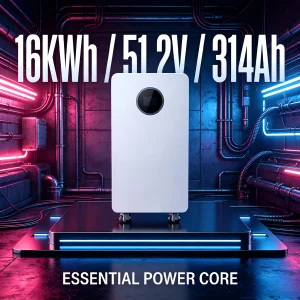
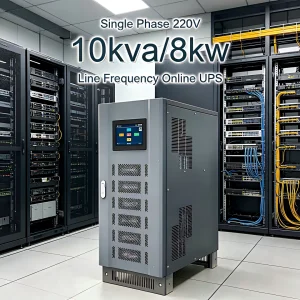
Explore our state-of-the-art power products engineered for high-efficiency grid integration, uninterruptible industrial operations, and dynamic home energy management.
The global energy landscape is undergoing a monumental transition, shifting from centralized fossil-fuel baseload generation toward dynamic, decentralized renewable sources. As wind and solar generation capacity accelerates, utility grids face unprecedented volatility due to the intermittent nature of green energy. In this high-penetration renewable era, Energy Storage Systems (BESS) have transitioned from a luxury grid-balancing asset to absolute, mission-critical infrastructure.
Across Europe, the Americas, and the Asia-Pacific region, governments are instituting stringent regulatory mandates alongside financial incentives to suppress carbon emissions. Carbon neutrality deadlines, combined with volatile utility pricing schemes and peak-load demand charges, have compelled Commercial and Industrial (C&I) sectors to look toward local generation and microgrids. Operating a factory, automated warehouse, or municipal facility now requires an intelligent, active power management topology to lower the Levelized Cost of Storage (LCOS) and maximize return on investment.
Modern Energy Management Solutions are no longer just about placing a physical battery pack on-site. Real value lies in the data layer: predictive dispatching, local peak shaving, dynamic load leveling, and automated virtual power plant (VPP) compatibility. True efficiency gains are extracted when systems forecast load profiles utilizing machine learning algorithms and coordinate with meteorological and spot-market electricity pricing feeds.
China has emerged as the definitive global powerhouse for BESS manufacturing, supply chain integration, and research development. Leveraging deep materials-science ecosystems and vertically integrated manufacturing, Chinese factories are uniquely positioned to offer cost-competitive, reliable, and compliant energy systems. By coordinating high-performance LFP (Lithium Iron Phosphate) cells with advanced system integration, Top China Energy Management Factories like Shenzhen PowerSTN Energy Co., Ltd. deliver systems that balance capital expenditure with structural safety, longevity, and exceptional thermal performance.
Intelligent control topologies enable active frequency regulation, voltage support, and black start capabilities, protecting local assets during grid faults.
Store cheap off-peak electricity and discharge it during high-rate peak periods to dramatically reduce demand charges on C&I electric bills.
Multi-tiered safety architecture spanning cell Chemistry engineering, advanced active Aerosol Fire Suppression, and continuous BMS cloud diagnostics.
Deploying a resilient, utility-scale or C&I energy system requires deep understanding of system components. While cells form the foundational storage chemistry, the reliability and longevity of a BESS are dictated by the integration of the Battery Management System (BMS), the Energy Management System (EMS), and the Thermal Management System (cooling loops).
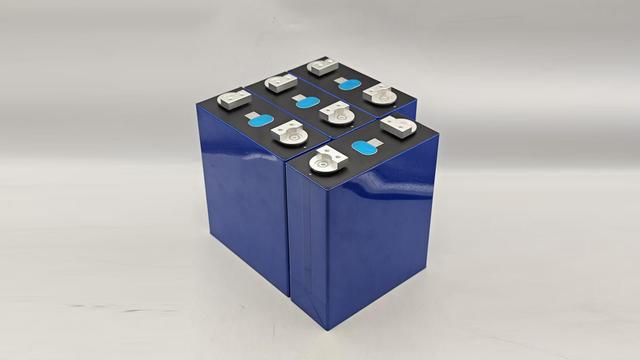
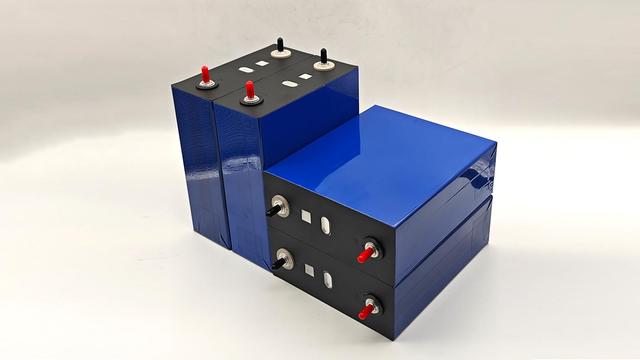
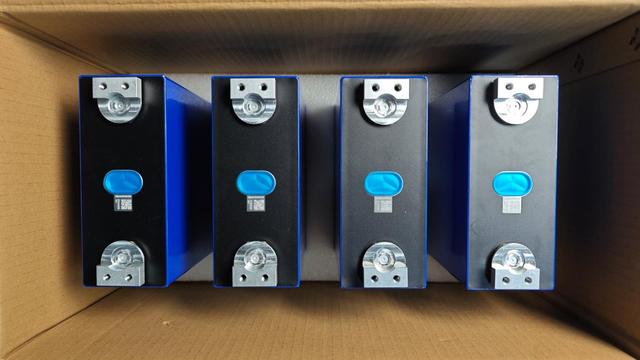
At Shenzhen PowerSTN Energy Co., Ltd., technical architectures are engineered from the ground up to support modern grid applications. By utilizing grade-A LiFePO4 cells with a high cycle life (up to 6000 cycles at 80% DOD), PowerSTN guarantees decades of operation under strenuous charge-discharge cycles. Let us review the key structural blocks of modern energy management systems:
| System Architecture Module | Technical Characteristics | Operational Function | Safety & Reliability Benefit |
|---|---|---|---|
| BMS (Battery Management System) | Triple-tier architecture (Master, Sub-master, Slave topology) with active balancing and CAN/RS485 communication. | Monitors cell-level voltage, SOC, SOH, temperature, and performs real-time capacity alignment. | Prevents over-charging, thermal runaway, and maximizes cell life uniformity across packs. |
| EMS (Energy Management System) | AI-driven cloud monitoring, local edge computing interface, MODBUS & TCP/IP integration. | Executes power flow dispatch decisions based on utility rates, local PV generation, and load curves. | Optimizes economic yield through peak shaving, solar-self consumption, and peak load shifting. |
| Thermal Management (Liquid vs. Air) | Industrial Liquid Cooling (Chilled water-glycol loop) or Intelligent IP55 HVAC Forced Air systems. | Controls internal temperature gradients, maintaining cells within the optimal 20-30°C window. | Reduces thermal degradation, extending cell life expectancy by up to 30% compared to static cooling. |
| PCS (Power Conversion System) | Bi-directional hybrid inverters, grid-forming capability, ultra-fast transfer switch (<10ms). | Converts DC battery power to AC grid power and vice versa with peak efficiency >98.5%. | Provides instantaneous backup transition, seamless microgrid isolation, and power quality filtering. |
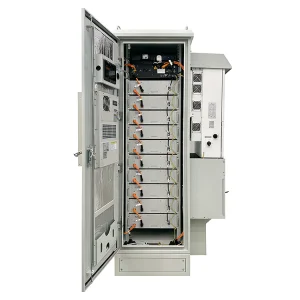
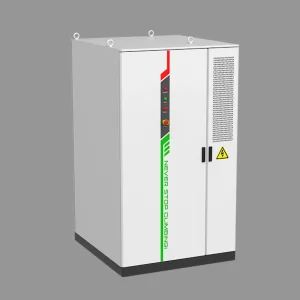
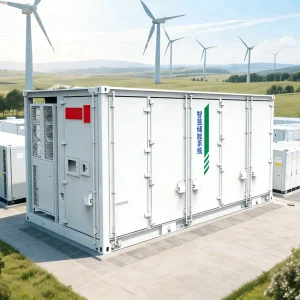
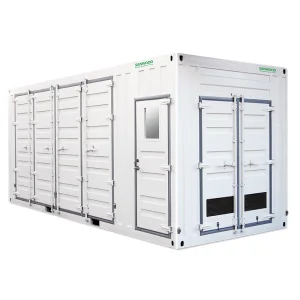
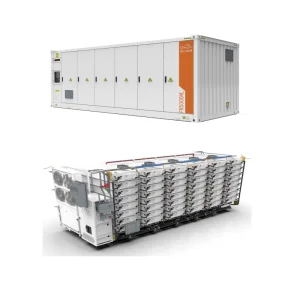
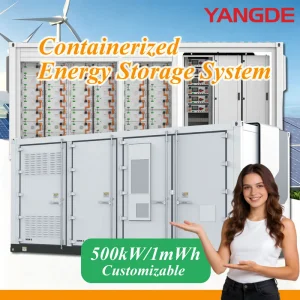
The choice between Liquid Cooling and Air Cooling is a major differentiator in industrial applications. For high-density systems (such as the 241kWh liquid-cooled C&I cabinet or containerized 1MWh systems), liquid cooling provides a uniform cell temperature variation of less than 3°C across the system. This reduces hot spots, avoids premature cell aging, and ensures high safety margins even during high C-rate charging and discharging operations.
Shenzhen PowerSTN Energy Co., Ltd. is a China-based manufacturer specializing in advanced energy storage battery solutions for residential, commercial, and industrial applications. The company focuses on the development, production, and integration of lithium battery systems designed to support renewable energy utilization, backup power supply, and energy management projects worldwide.
With a commitment to innovation and quality, PowerSTN provides a comprehensive portfolio of energy storage products, including residential energy storage systems, commercial and industrial battery solutions, solar energy storage batteries, off-grid power systems, hybrid energy storage platforms, and containerized battery energy storage systems. These solutions are engineered to help customers improve energy efficiency, enhance grid stability, and maximize the value of renewable energy investments.
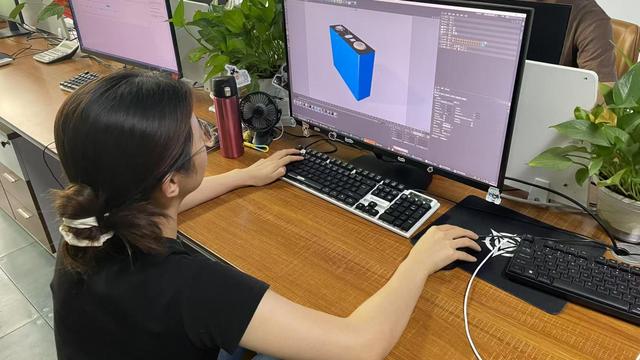
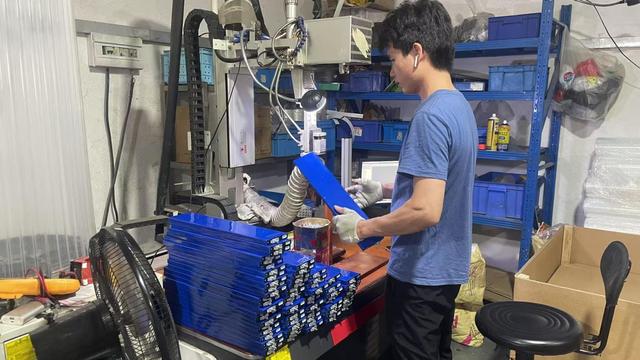
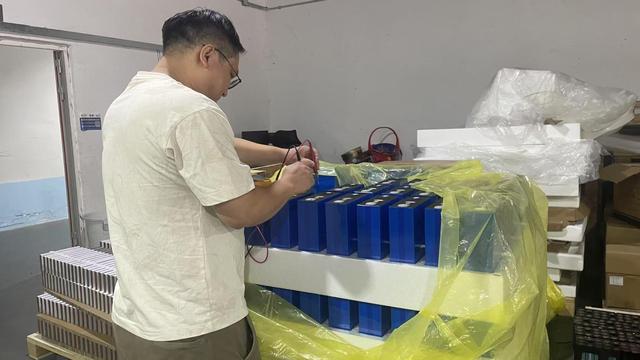
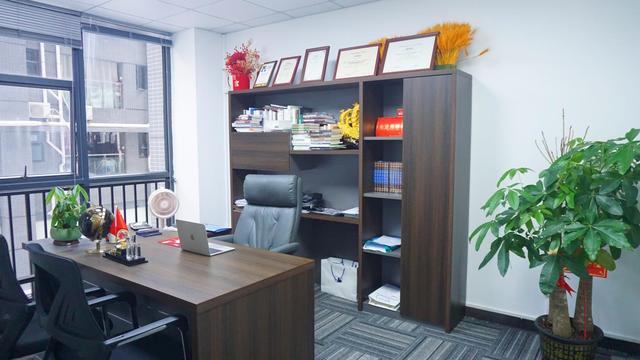
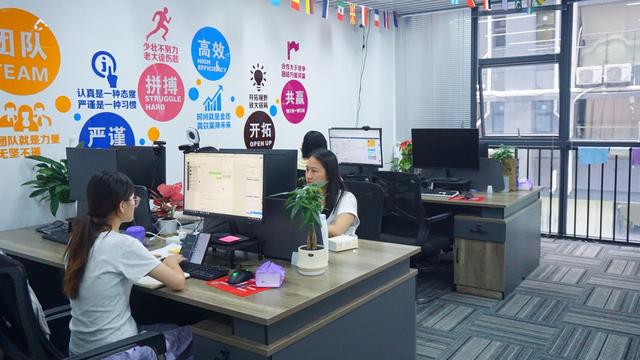
The company operates modern manufacturing facilities equipped with advanced production technologies and strict quality control procedures. From battery cell selection and battery pack assembly to system integration and performance testing, every stage of production is managed to ensure reliability, safety, and long-term operational performance.
PowerSTN serves customers across multiple industries, including renewable energy, telecommunications, data centers, utilities, manufacturing, commercial facilities, and infrastructure projects. Its engineering team works closely with clients to deliver customized energy storage solutions tailored to specific project requirements and operational environments.
In addition to manufacturing capabilities, Shenzhen PowerSTN Energy Co., Ltd. offers OEM and ODM services for global brands, distributors, system integrators, and energy solution providers. By combining technical expertise, flexible production capacity, and customer-focused support, the company aims to be a trusted partner for organizations seeking reliable and scalable energy storage technologies in the rapidly evolving global energy market.
Energy needs vary drastically across geographic regions, regulatory frameworks, and operational environments. Implementing the correct technical solution requires a localized design strategy. Below we analyze four critical operational scenarios where custom energy storage architectures solve local grid limitations.
Operational Environment: Rugged, isolated, high dust levels, and extreme temperature variations.
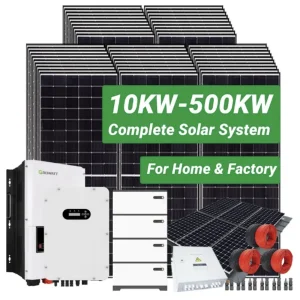
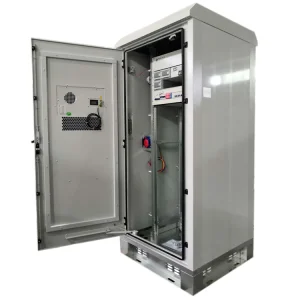
Technical Application: Remote mining operations cannot rely on weak grids. By deploying extreme weather-resistant cabinets with IP55 protection, dual-air conditioning, and robust shock-absorption structures, operators can run continuous heavy-duty machinery. The system integrates directly with off-grid PV arrays and backup diesel generators, reducing fuel consumption by up to 40% and providing uninterrupted operation.
Operational Environment: Remote, continuous uptime requirements, compact physical footprints.
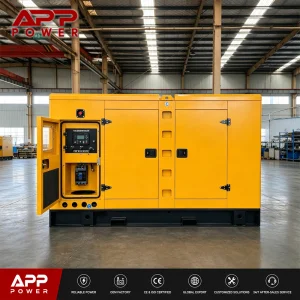
Technical Application: Telecom towers require steady power supplies to prevent packet loss. The combination of silent, low-emission generators with ultra-reliable lithium backup systems ensures constant operation. PowerSTN's specialized base station systems feature advanced remote monitoring (telemetry), allowing off-grid systems to operate without maintenance visits for months at a time.
Operational Environment: Strict residential standards, space limitations, plug-and-play needs.
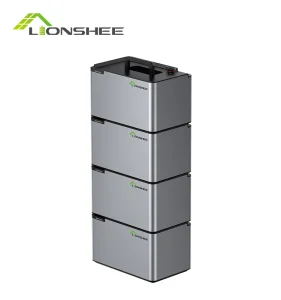
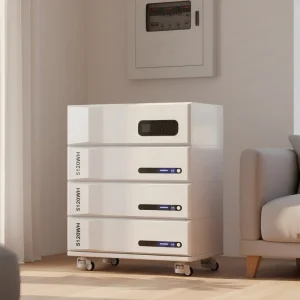
Technical Application: In urban centers (such as Germany and Central Europe), balcony solar systems have exploded. Compact, stackable LiFePO4 packs (6kWh systems) allow renters and homeowners to store micro-generation during the day. By using safe LFP chemistry, certified local micro-inverters, and simple communication, residents avoid high retail electricity rates with zero hazard footprint.
In traditional topologies, standard hybrid inverters are grid-following—they require an external voltage source to synchronize and function. However, in remote microgrids, mining outposts, or disaster-prone locations, we integrate Grid-Forming Inverters. These units use advanced virtual synchronous machine (VSM) algorithms to establish a local voltage and frequency reference, allowing local distribution networks to operate independently from the central utility grid with high power quality.
When importing and deploying industrial and residential battery systems, compliance with safety and grid standards is non-negotiable. Shenzhen PowerSTN Energy designs all systems in strict accordance with global benchmarks, ensuring safety during transit, installation, and decades of operation.
Compliance validation represents a key differentiator in BESS sourcing. European and North American customs offices, along with local fire protection districts, require comprehensive compliance dossiers before project permits are granted. By engineering fire containment barriers, integrating active aerosol or water-deluge cooling connections, and securing UL1973/UL9540 listing support, PowerSTN ensures overseas project developers experience smooth grid-connection approvals and low insurance premiums.
As the energy storage industry scales, technical architectures continue to evolve. To maintain competitive differentiation, PowerSTN’s R&D department focuses on several developmental horizons, driving higher energy density, lower lifecycle degradation, and deeper grid integration.
A. Transition to Sodium-Ion Chemistry: For specific stationary applications where weight is not a primary constraint but capital cost and raw material availability are critical, Sodium-Ion (Na-Ion) batteries present a promising path. PowerSTN is developing high-capacity Na-Ion modules that operate reliably down to -40°C, addressing remote, cold-climate telecom and industrial base station needs.
B. Solid-State and Semi-Solid Battery Packs: By replacing liquid electrolytes with solid or gel-state matrices, thermal runaway risks are virtually eliminated. PowerSTN is prototyping next-generation home and commercial backup solutions using semi-solid state LFP cells, driving energy densities past 200 Wh/kg at module level while securing absolute chemical safety.
C. AI-Powered Virtual Power Plants (VPP): The modern grid is shifting from centralized power plants to dynamic networks of distributed resources. PowerSTN EMS platforms are built with API connectors that hook directly into national aggregator networks. This allows battery systems to dynamically trade energy capacity in real-time ancillary markets, turning a simple emergency backup system into an active revenue-generating asset.
Discover our industrial-grade storage cabinets, multi-megawatt container systems, and modular expansion packs engineered for demanding global markets.
Expert technical insights regarding energy storage selection, import procedures, and system deployment.
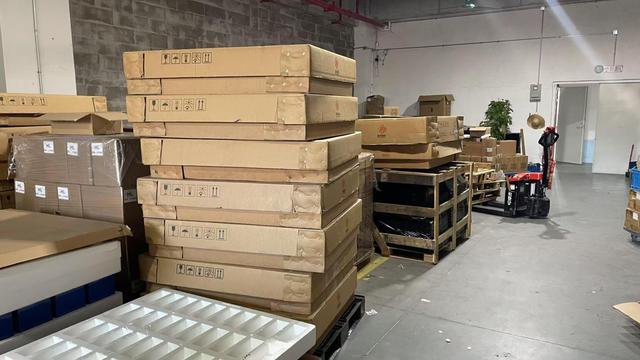
Transparent insight into our production facilities, automated testing, and high-performance system assembly.
 PowerSTN Energy