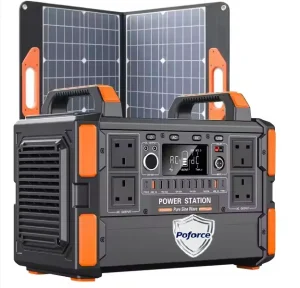
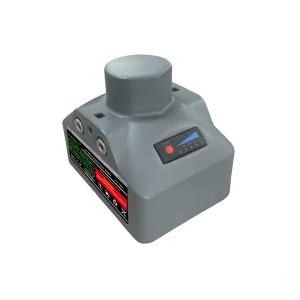
Engineered to deliver high operational safety, modular flexibility, and dynamic power management for diverse global grid environments.
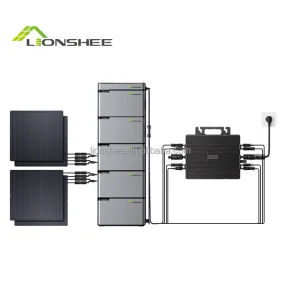
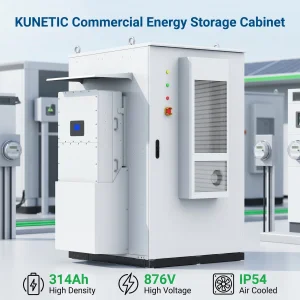
Decoding the shift towards high-integration, battery-supported local smart grids.
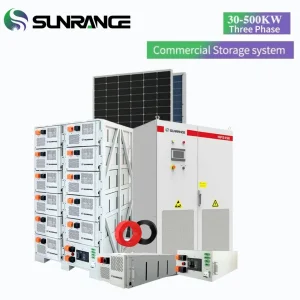
Modern commercial and industrial (C&I) environments are experiencing unprecedented pressures. Surging electricity rates, strict carbon emission targets, and grid instability caused by the intermittent nature of renewable energy integration (solar, wind) demand a robust architecture. The solution lies in localized, smart Battery Energy Storage Systems (BESS) combined with integrated Energy Management Systems (EMS).
These integrated systems perform dual functions: they store excess clean energy during low-demand or peak-generation windows, and dynamically discharge that energy when tariff rates peak or grid failure occurs. By utilizing high-density Lithium Iron Phosphate (LiFePO4) chemistry coupled with active cooling technologies, today's industrial plants protect vital manufacturing machinery while substantially reducing their operational cost footprint.
Comparing next-generation configurations for utility and commercial scale applications.
The industry is transitioning from legacy air cooling to advanced liquid cooling systems. Liquid cooling ensures uniform cell temperature management (gradient deviation <2°C), preventing localized thermal runaway, expanding operational cycles by 20%, and minimizing auxiliary energy consumption.
By stepping up the internal string voltage to 1000V or 1500V, modern BESS reduce system-level currents. This limits thermal losses during high C-rate charging and discharging, optimizes copper sizing, and increases complete round-trip conversion efficiency.
State-of-the-art Battery Management Systems feature active cell balancing. Rather than burning off excess cell charge as waste heat, energy is dynamically redistributed across cells, maintaining consistent state of charge (SoC) and boosting capacity utilization.
| System Aspect | Legacy Technology (Air-Cooled ESS) | Next-Gen Systems (Liquid-Cooled BESS) | Operational Impact |
|---|---|---|---|
| Thermal Management | Forced convection air cooling | Direct liquid-to-cold-plate circulation | Protects cell chemistry; eliminates local hot spots |
| C-Rate Capacity | 0.5C Continuous | 1.0C to 2.0C Peak support | Ensures fast power injection for grid frequency support |
| Safety Integrity | Basic fusible links & compartment ventilation | IP55/IP67 containment, Aerosol suppression, Combustible gas detection | Compliance with UL9540A & strict European safety standards |
| Cycle Longevity | ~4,000 - 5,000 Cycles | 8,000+ Cycles (at 80% DoD) | Extends facility ROI by up to 10 additional years |
Why Tier-1 Chinese manufacturers dictate global standards in energy storage scaling.
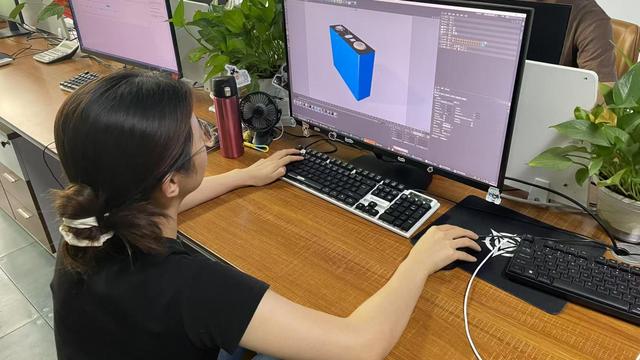
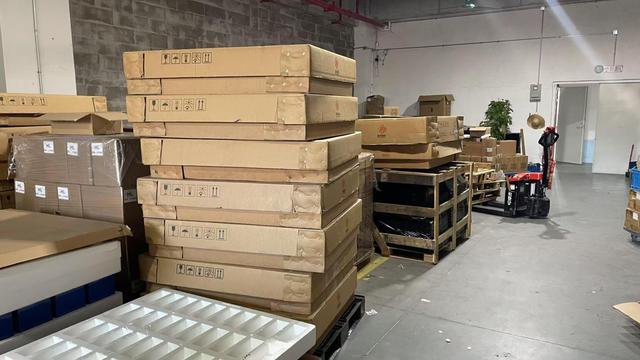
China's energy storage dominance is anchored in its localized raw material supply chain. From precursor active materials (lithium carbonate, iron phosphate) to advanced automated manufacturing equipment, every stage of BESS production happens within closely located hubs. This ecosystem guarantees that facilities like Shenzhen PowerSTN Energy Co., Ltd. can secure premium-grade components without standard logistical delays.
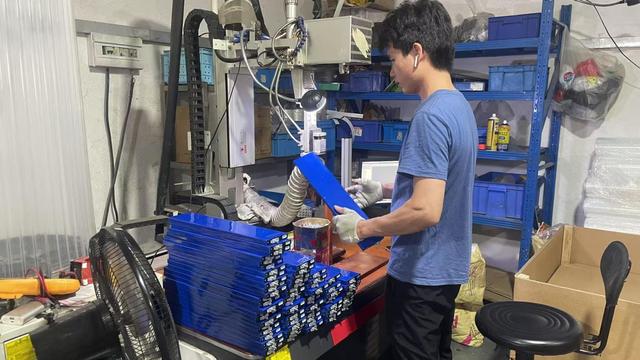
Under Factory 4.0 paradigms, automated manufacturing lines use AI-assisted optical inspections, high-precision laser welding, and automated cell-matching sorting machines. This limits mechanical tolerances, ensures that every single module exhibits matching internal impedance, and produces scalable containerized BESS arrays that interface cleanly with utility networks.
For dense urban areas or apartments across Germany, France, and Italy, modular balcony plug-and-play systems (800W–2000W) provide a localized micro-grid. They allow renters and homeowners to easily offset their baseline energy usage and store excess daylight solar generation for night-time utilization, bypassing complicated electrical permit installations.
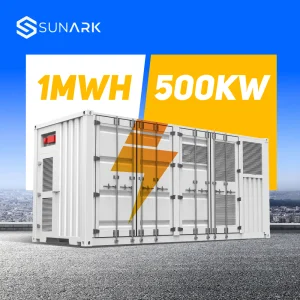
In manufacturing plants where heavy motor startup currents trigger high utility peak demand penalties, mid-to-large-scale containerized systems (100kWh to 1MW) dynamically inject auxiliary energy during start-up cycles. This keeps factory load profiles flat and saves thousands in monthly operational costs.
A globally recognized manufacturer specializing in advanced energy storage battery solutions.
Shenzhen PowerSTN Energy Co., Ltd. is a China-based manufacturer specializing in advanced energy storage battery solutions for residential, commercial, and industrial applications. The company focuses on the development, production, and integration of lithium battery systems designed to support renewable energy utilization, backup power supply, and energy management projects worldwide.
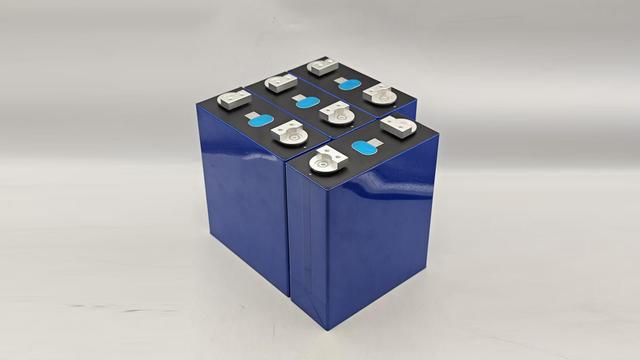
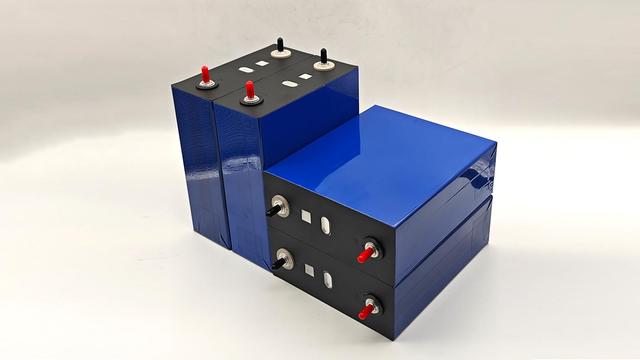
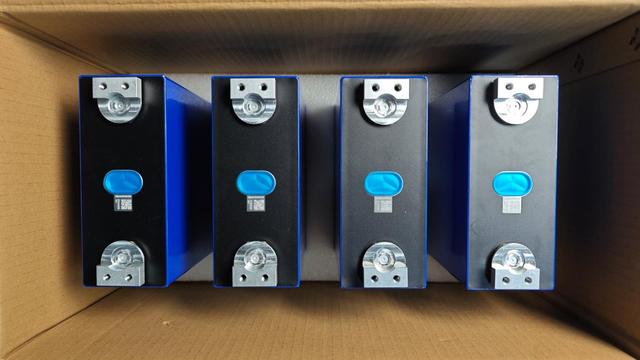
With a commitment to innovation and quality, PowerSTN provides a comprehensive portfolio of energy storage products, including residential energy storage systems, commercial and industrial battery solutions, solar energy storage batteries, off-grid power systems, hybrid energy storage platforms, and containerized battery energy storage systems. These solutions are engineered to help customers improve energy efficiency, enhance grid stability, and maximize the value of renewable energy investments.
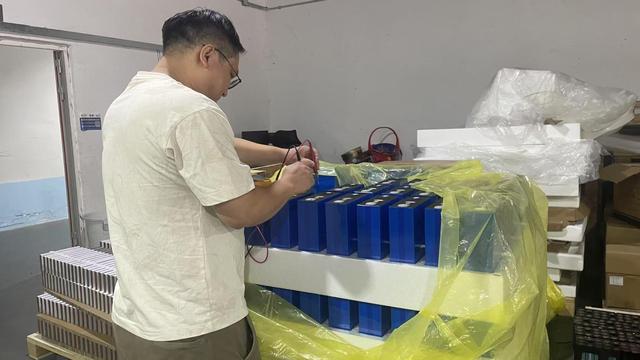
The company operates modern manufacturing facilities equipped with advanced production technologies and strict quality control procedures. From battery cell selection and battery pack assembly to system integration and performance testing, every stage of production is managed to ensure reliability, safety, and long-term operational performance.
PowerSTN serves customers across multiple industries, including renewable energy, telecommunications, data centers, utilities, manufacturing, commercial facilities, and infrastructure projects. Its engineering team works closely with clients to deliver customized energy storage solutions tailored to specific project requirements and operational environments.
In addition to manufacturing capabilities, Shenzhen PowerSTN Energy Co., Ltd. offers OEM and ODM services for global brands, distributors, system integrators, and energy solution providers. By combining technical expertise, flexible production capacity, and customer-focused support, the company aims to be a trusted partner for organizations seeking reliable and scalable energy storage technologies in the rapidly evolving global energy market.
Addressing essential technical, safety, and regulatory considerations for energy systems buyers.
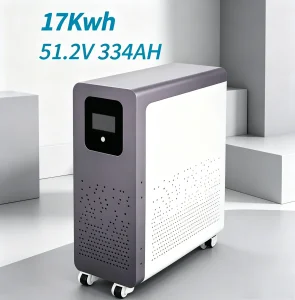
High-efficiency, modular power options designed for targeted domestic, backup, and mobile operations.
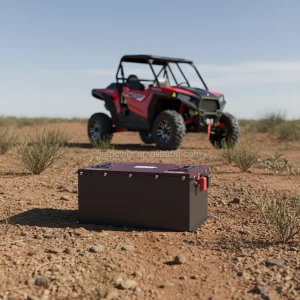
 PowerSTN Energy