Deploy highly scalable energy storage devices engineered to optimize local grid integration, mitigate power disruptions, and maximize financial yields on industrial investments.
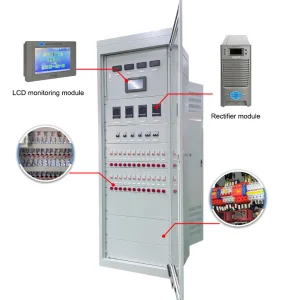
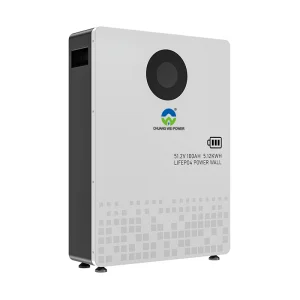
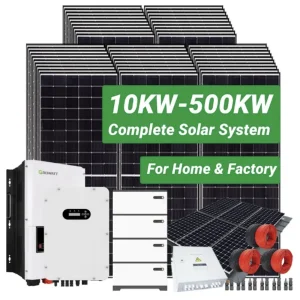
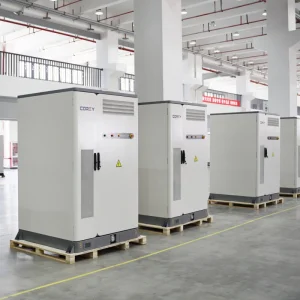
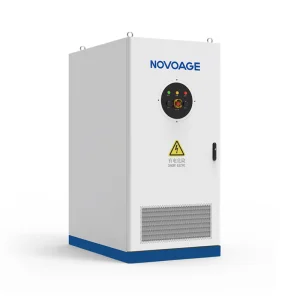
As the global utility landscape transitions from centralized fossil fuel generation to distributed renewable energy resources (DERs), grid stability faces unprecedented challenges. The variable output of large-scale solar arrays and wind installations causes extreme frequency fluctuations and voltage drops. Modern grid infrastructure requires localized, highly responsive assets capable of absorbing surplus generation and discharging during peak demand periods.
Grid-tied Battery Energy Storage Systems (BESS) are no longer simple backup facilities; they serve as active grid participants. By deploying utility-scale, high-voltage battery storage, network operators can mitigate the infamous "Duck Curve," balance supply and demand in real-time, and offer ancillary services. These include primary frequency regulation, fast frequency response (FFR), and dynamic reactive power compensation.
Optimize operations by charging systems during off-peak hours when power tariffs are low, and discharging during peak usage windows. This successfully reduces expensive demand charge tariffs imposed on large commercial and industrial properties.
Rapid response controls allow battery banks to stabilize high-frequency deviations in under 10 milliseconds, maintaining total harmonic distortion (THD) limits within strict utility specifications.
Empower heavy industrial plants and municipal grids to safely reboot critical systems post-blackout without depending on initial grid activation voltages, using synchronized grid-forming inverters.
Around the world, industrial plants, telecom facilities, and high-security data centers are adapting to changing energy markets. Regulatory initiatives, such as the Federal Energy Regulatory Commission (FERC) Order 2222 in the United States and the European Green Deal, enable aggregated distributed battery systems to directly participate in wholesale capacity markets. High-performance battery storage systems now function as capital-generating investments, not just operational expenses.
For data centers and financial services hubs where even millisecond outages disrupt global systems, backup infrastructure must offer instantaneous support. Traditional diesel generators are slow to start and run contrary to environmental commitments. Shenzhen PowerSTN Energy Co., Ltd.'s containerized and cabinet battery platforms provide a clean, reliable solution. They ensure uninterrupted operation while reducing dependence on carbon-intensive fuels.
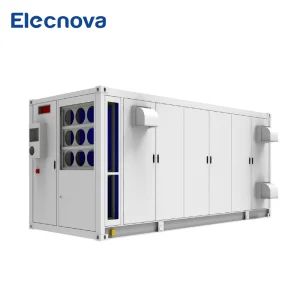
Driven by peak demand charges and sustainability targets, commercial and industrial enterprises utilize containerized battery systems to participate in capacity markets and qualify for corporate tax incentives (such as the IRA ITC in the USA).
Rapid manufacturing growth and localized grids require on-site high-voltage modular batteries to prevent system-wide shutdowns during unexpected supply shortfalls.
The roll-out of high-frequency 5G networks necessitates decentralized, high-capacity lithium backup units. Our -48V intelligent systems replace traditional lead-acid options, saving space and lasting up to four times longer.
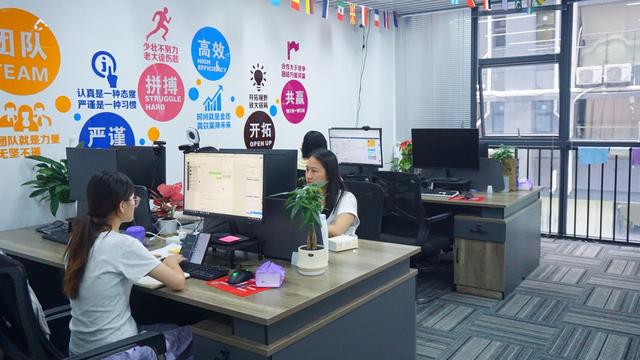
Shenzhen PowerSTN Energy Co., Ltd. operates advanced manufacturing facilities utilizing strict production controls to ensure long-term, safe operations. As an established manufacturer, the company manages cell selection, structural pack integration, and custom BMS development to guarantee reliability across diverse environments.
Our custom battery management systems (BMS) provide real-time diagnostic tracking down to the individual cell. With integrated support for protocols like CAN, RS485, and Modbus TCP, our units connect smoothly with major hybrid inverter architectures, enabling precise state-of-charge (SOC) and state-of-health (SOH) monitoring.
Every commercial cabinet features integrated aerosol fire suppression, automated temperature management, and separate cell barriers. Our structures prevent thermal runaway from spreading, conforming to NFPA 855 guidelines and global regulatory standards.
Shenzhen PowerSTN ensures global distribution and bankability by holding key certifications, including CE, UN38.3, IEC 62619, and UL compliance. From component selection to structural thermal simulations, our products are built to withstand rigorous grid deployment requirements worldwide.
Grid-tied energy storage demands vary by region. Our flexible systems are engineered to support a variety of site applications, ensuring high return on investment and reliable energy distribution.
Aggregate distributed energy assets into a coordinated virtual network. Operators can supply backup energy directly to the municipal grid during capacity shortages, earning revenue through grid stabilization programs.
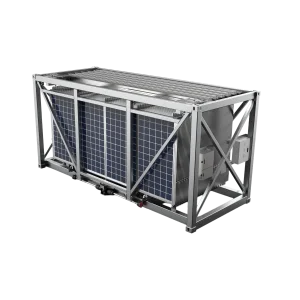
Combine containerized solar installations with high-voltage battery storage. This configuration allows remote facilities like mining sites, agribusinesses, and water treatment plants to run independently during peak tariffs or grid disruptions.
Optimize operations for regional distribution depots and supermarkets. By utilizing battery power during peak demand periods, businesses can lower utility costs and relieve stress on the local grid infrastructure.
At Shenzhen PowerSTN Energy Co., Ltd., we continually update our technology to improve safety, efficiency, and environmental sustainability.
Developing commercial-grade sodium-ion battery packs to offer a cost-effective alternative to lithium-based storage. These systems perform reliably across a wide temperature range and help reduce dependency on lithium resources.
Transitioning commercial containers from air cooling to advanced liquid-cooling systems. This improvement maintains uniform cell temperatures (within ±2°C), increases system lifespan, and allows for higher energy density.
Integrating machine learning algorithms into our Energy Management Systems (EMS). This enables predictive maintenance, forecasts energy loads, and optimizes battery performance based on historical usage patterns.
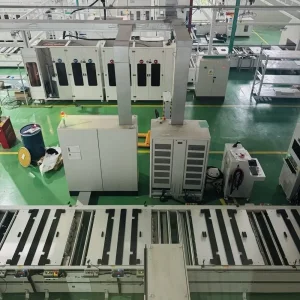
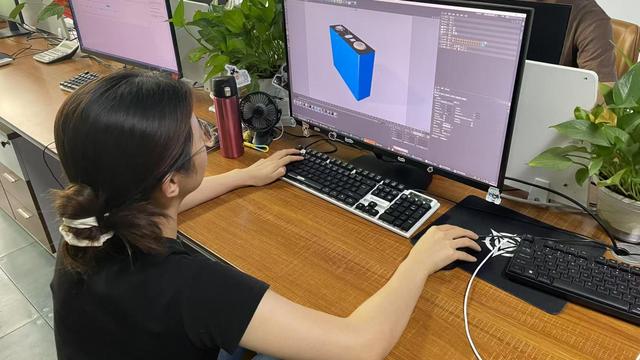
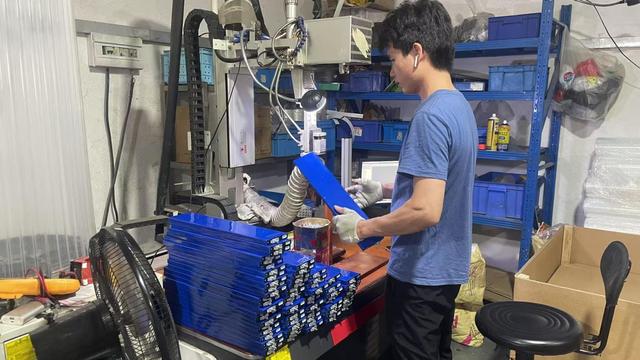
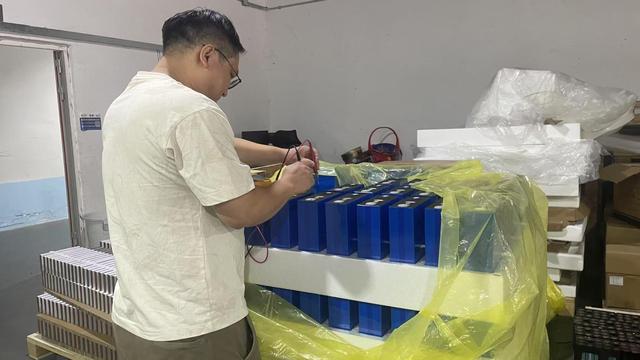
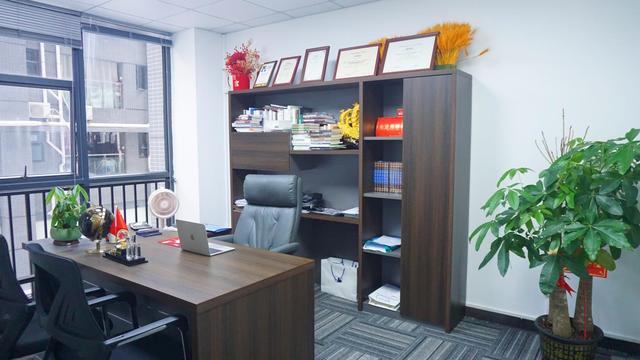
Our modern manufacturing facilities adhere to strict quality control standards. Through advanced assembly and testing processes, we ensure that every battery module meets our performance specifications before shipping.
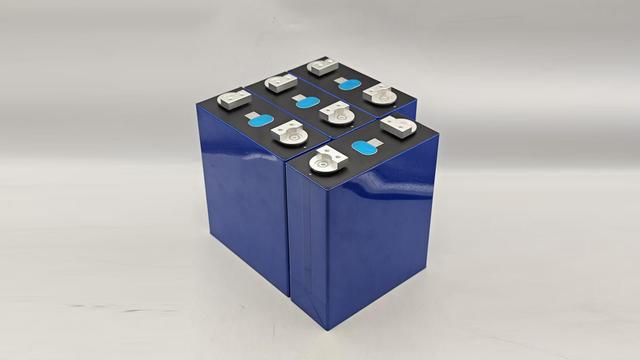
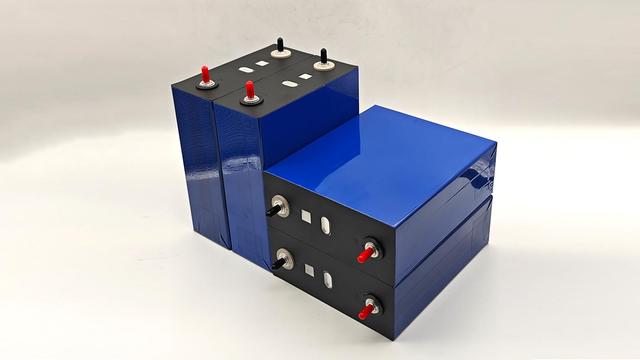
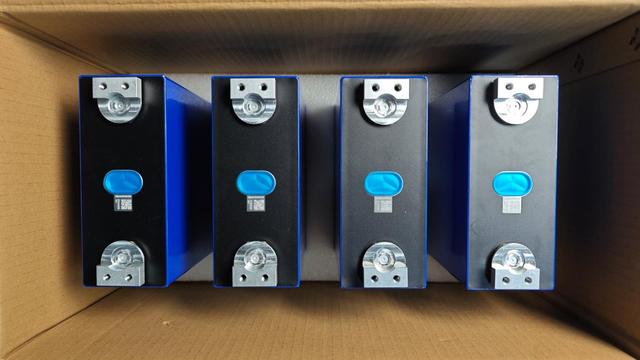
Common technical questions regarding the installation, safety, and performance of commercial grid-tied battery storage systems.
Commercial peak shaving targets high demand periods when utility companies charge premium rates. By monitoring building demand, the Energy Management System (EMS) triggers the batteries to discharge during peak usage, capping the grid draw below a set threshold. This reduces peak demand charges, lower utility bills, and helps relieve strain on regional power grids.
Low-voltage systems (usually 48V - 51.2V) are common in residential and small commercial applications because of their straightforward setup and installation. High-voltage systems (300V - 800V+) are typical for large commercial, industrial, and utility projects. Higher voltages reduce current draw, minimizing thermal loss in power cables, improving round-trip efficiency, and lowering wiring costs for high-power demands.
Shenzhen PowerSTN utilizes a multi-layered safety strategy: we use stable LiFePO4 chemistry, implement cell insulation barriers, and monitor parameters via our custom BMS. Additionally, we integrate automated fire suppression systems and precise thermal management to ensure safe, stable operation under varying conditions.
In a grid outage, a hybrid grid-tied system uses an automatic transfer switch to disconnect from the grid within milliseconds. The system then enters island mode, utilizing battery power to maintain critical operations. Once grid power is restored, the system synchronizes phases and transitions back to standard grid-tied operation without interrupting connected loads.
Explore our full range of customizable residential, C&I, and utility-scale energy storage products.
 PowerSTN Energy