Advanced energy storage modules designed for immediate vehicle retrofit, fleet integration, and high-performance applications in the Brandenburg region.
Analyzing the strategic expansion of Germany's capital as the epicentre of European battery innovation and automotive manufacturing.
The Berlin-Brandenburg metropolitan region has rapidly evolved into Europe's premier industrial and research corridor for electromobility. Dominated by the establishment of major automotive gigafactories and fueled by a dense network of technical universities, Berlin is no longer just a administrative capital—it is the engineering hub for next-generation energy transition projects. As commercial enterprises, municipal fleets, and heavy logistics operations migrate toward strict zero-emission standards, the demand for localized, high-performance battery systems has witnessed exponential growth.
Local industrial operations within Berlin face unique challenges. The transition of transit networks (such as the BVG municipal transit and local distribution fleets) to electric powertrains requires high-density energy solutions that operate flawlessly under varying seasonal climates. With winter temperatures drop below freezing, specific thermal management demands—such as built-in self-heating systems and localized Liquid-to-Air heat exchangers—become central engineering prerequisites. This regional context shapes how global manufacturers design, supply, and certify battery systems targeting Berlin's commercial automotive sectors.
The Berlin Senate’s Clean Mobility Program mandates that 100% of public transit and commercial last-mile delivery services operate via emission-free drivetrains by 2030, driving unprecedented demand for customizable, high-voltage battery modules.
Moreover, the academic and startup ecosystem in Berlin—ranging from specialized battery testlabs at Adlershof Science Park to vehicle design centers—demands adaptive prototyping and rapid integration capabilities. Manufacturers supplying this market must bridge the gap between high-volume, cost-efficient cell production and the highly customized, high-precision module assembly that European OEMs expect.
Balancing high-performance battery engineering with volatile material markets and international logistics strategies.
Procuring battery systems for electric vehicles is a multi-layered challenge that extends far beyond buying individual battery cells. For purchasing officers and logistics coordinators in major European markets, several critical risk vectors must be continuously managed: raw material cost volatility, international shipping hazards, tariff structures, and strict safety compliance frameworks. Global procurement strategies must therefore rely on tier-1 manufacturers who offer integrated supply chain control—from cell sourcing to complete Pack assembly.
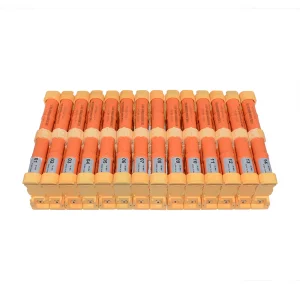
To reduce risk, modern automotive procurement teams are shifting away from general off-the-shelf options in favor of customized OEM/ODM partnerships. Our manufacturing infrastructure addresses this demand by offering flexible integration options. Whether a vehicle project requires high-density cylindrical cells, cost-efficient prismatic LiFePO4 cells, or specialized Ni-MH replacement modules for older fleets, our supply chain ensures consistent raw-material access and reliable production output.
Furthermore, shipping lithium-ion and nickel-metal hydride batteries internationally requires adherence to strict global safety regulations. All shipments must comply with UN38.3 transport standards, and logistics channels must be optimized for Class 9 dangerous goods transport. By maintaining strategic relationships with major logistics networks, we offer delivery options directly into Berlin and broader European industrial hubs, ensuring supply chain continuity for continuous vehicle production lines.
A leading manufacturer of advanced energy storage systems and EV battery solutions, serving markets in Berlin and globally.
Shenzhen PowerSTN Energy Co., Ltd. is a China-based manufacturer specializing in advanced energy storage battery solutions for residential, commercial, and industrial applications. The company focuses on the development, production, and integration of lithium battery systems designed to support renewable energy utilization, backup power supply, and energy management projects worldwide.
With a commitment to innovation and quality, PowerSTN provides a comprehensive portfolio of energy storage products, including residential energy storage systems, commercial and industrial battery solutions, solar energy storage batteries, off-grid power systems, hybrid energy storage platforms, and containerized battery energy storage systems. These solutions are engineered to help customers improve energy efficiency, enhance grid stability, and maximize the value of renewable energy investments.
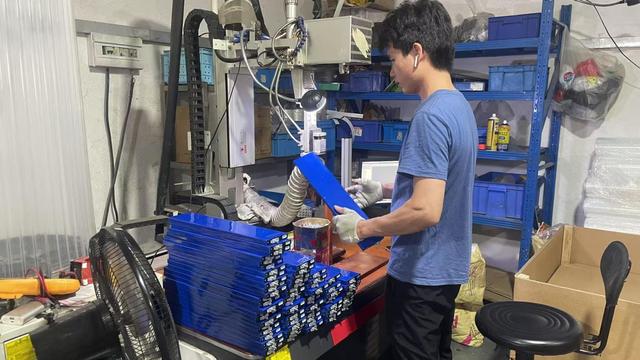
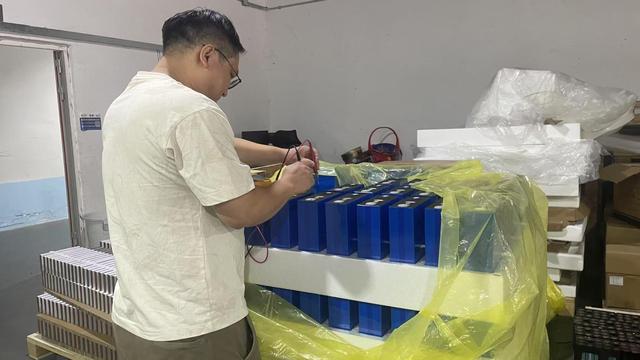
The company operates modern manufacturing facilities equipped with advanced production technologies and strict quality control procedures. From battery cell selection and battery pack assembly to system integration and performance testing, every stage of production is managed to ensure reliability, safety, and long-term operational performance.
PowerSTN serves customers across multiple industries, including renewable energy, telecommunications, data centers, utilities, manufacturing, commercial facilities, and infrastructure projects. Its engineering team works closely with clients to deliver customized energy storage solutions tailored to specific project requirements and operational environments.
In addition to manufacturing capabilities, Shenzhen PowerSTN Energy Co., Ltd. offers OEM and ODM services for global brands, distributors, system integrators, and energy solution providers. By combining technical expertise, flexible production capacity, and customer-focused support, the company aims to be a trusted partner for organizations seeking reliable and scalable energy storage technologies in the rapidly evolving global energy market.
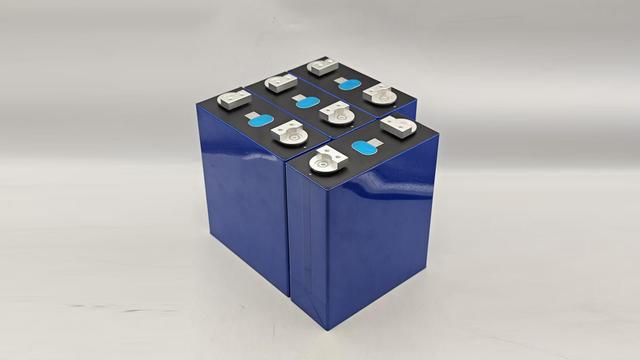
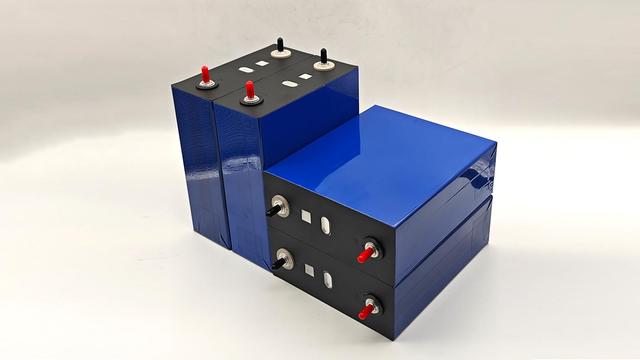
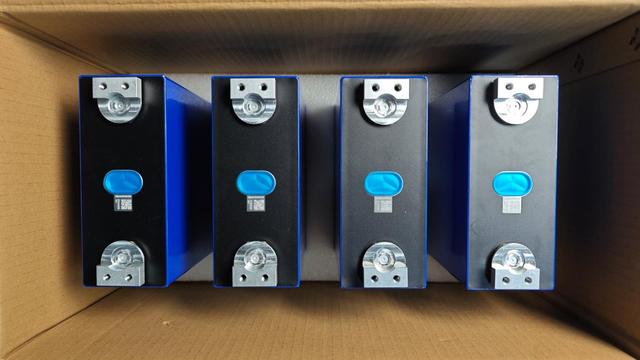


An engineering analysis of battery chemistries and management systems optimized for Northern European commercial use cases.
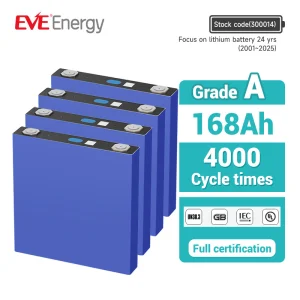
Selecting the optimal battery chemistry requires balancing energy density, cost, safety, and longevity. Lithium Iron Phosphate (LFP / LiFePO4) has emerged as the industry benchmark for commercial and industrial vehicles due to its thermal stability and cycle life. Offering upwards of 4,000 to 6,000 charge-discharge cycles before dropping to 80% State of Health (SOH), LFP chemistry reduces the total lifetime operating cost of delivery fleets, utility vehicles, and heavy-duty industrial mobile systems.
In contrast, Nickel Manganese Cobalt (NMC) chemistries remain critical for passenger vehicles and high-voltage long-range transport where energy density per unit of mass is the priority. For legacy hybrid fleets, such as public utility vehicles and older hybrid passenger cars operating in the Berlin market, high-capacity Nickel-Metal Hydride (Ni-MH) replacement packs offer a plug-and-play alternative that maintains vehicle operation without requiring expensive modifications to the drivetrain controls.
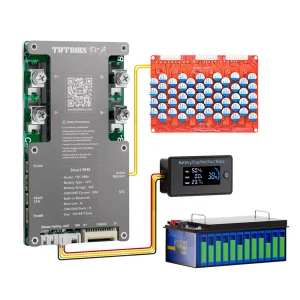
Every EV battery system is managed by its Battery Management System (BMS). The BMS acts as the primary safety system, monitoring cell-level voltage, pack current, and module temperature to prevent operations outside the safe operating area (SOA). Our systems feature smart BMS units equipped with CAN bus communication interfaces, Bluetooth diagnostic links, and integrated GPS telematics modules.
1. Over-charge and deep discharge protection at the individual cell level.
2. Active and passive cell balancing to maintain module capacity uniformity.
3. Dynamic thermal management control, including heater activation under sub-zero conditions.
4. State of Charge (SOC) and State of Health (SOH) estimation algorithms using Coulomb counting and open-circuit voltage curves.
By using communication protocols like CAN-open and J1939, our systems integrate with vehicle control units (VCU) and display screens, providing fleet managers with real-time status updates. This connectivity is vital for predictive maintenance schedules in modern urban logistics operations.
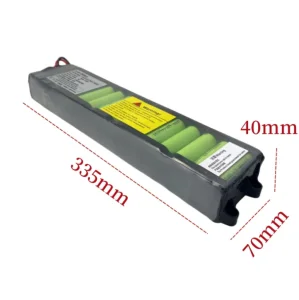
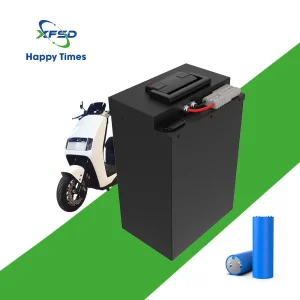
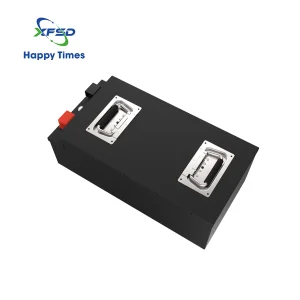
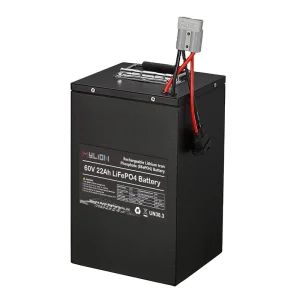
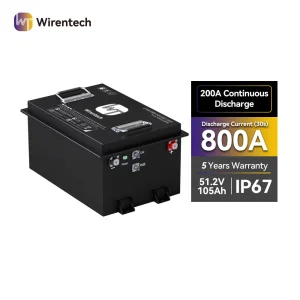
Explore our highly reliable lithium and Ni-MH battery configurations, engineered to support e-bikes, delivery scooters, utility vehicles, and roadside assistance systems.
Navigating the complex regulatory landscape of Germany and the broader European Union market.
Entering the European Union market—especially the German industrial sector—requires strict compliance with electrical, environmental, and transport safety regulations. Under the European Battery Regulation, manufacturers must document their supply chains, material origins, and carbon footprints. Our systems are engineered to simplify compliance for European OEMs, ensuring that our products meet these technical requirements from the design phase.
• CE Declaration of Conformity: Ensuring compliance with the Low Voltage Directive (2014/35/EU) and Electromagnetic Compatibility (EMC) Directive (2014/30/EU).
• UN 38.3 Transportation Certification: Certifying that all modules pass safety testing (vibration, thermal shock, short-circuit, impact, overcharge, and forced discharge) for secure international logistics.
• RoHS and REACH Compliance: Verifying that no hazardous substances above legal limits are used in our battery cell and pack structures.
• EU Battery Directive (2006/66/EC): Supporting recycling and proper end-of-life handling for local waste management systems.
For German clients, we offer comprehensive technical documentation, including STEP/CAD files, thermal simulation results, and BMS register maps. This documentation helps local engineering teams integrate the batteries into their vehicles quickly, reducing development timelines and expediting road-legal approvals with agencies like TÜV.
Addressing the core technical, logistical, and commercial inquiries of engineering and procurement managers.
Speak directly with our engineering and procurement team about custom battery packs, bulk order logistics, and technical specifications for the Berlin and wider European markets.
Send Inquiry Now PowerSTN Energy