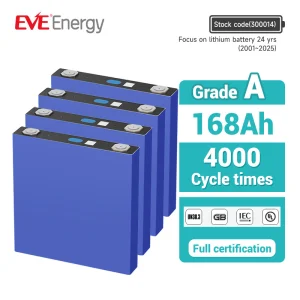
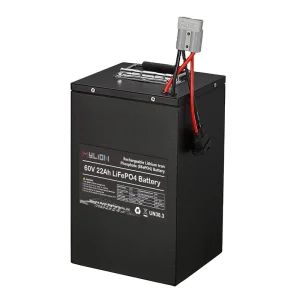
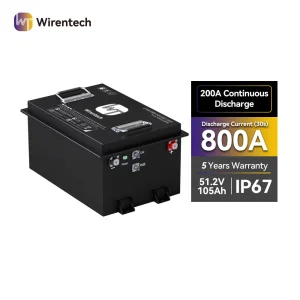
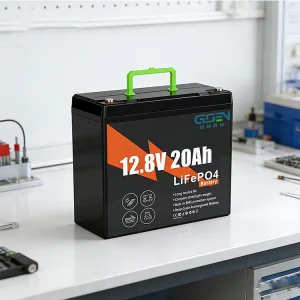
Industrial-grade lithium and nickel-metal hydride solutions tailored for regional fleet conversions, electric buses, and urban hybrid commuters in Accra and Kumasi.
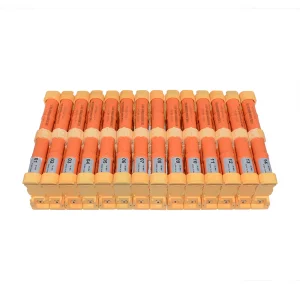
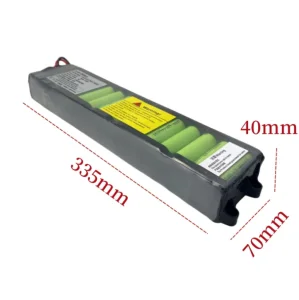
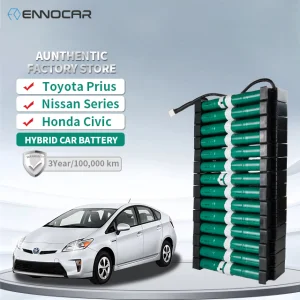
Optimized nickel-metal hydride replacement battery offering robust cell uniformity and high thermal tolerance for Ghana's urban hybrid passenger vehicles.
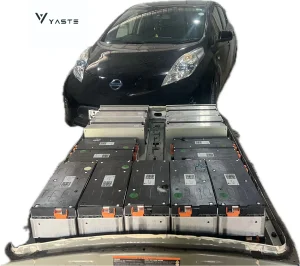
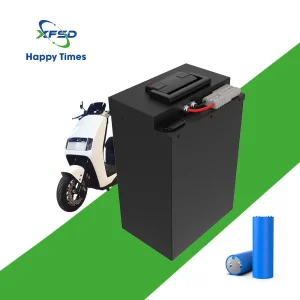
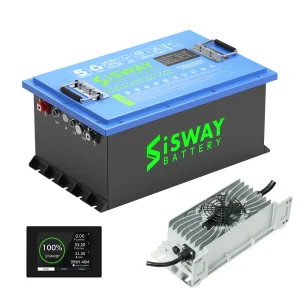
High energy density CATL module architecture providing extended range and high cycling efficiency for import EV conversions in West Africa.
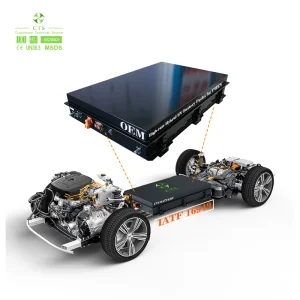
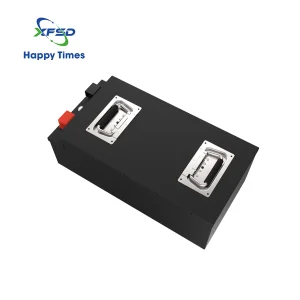
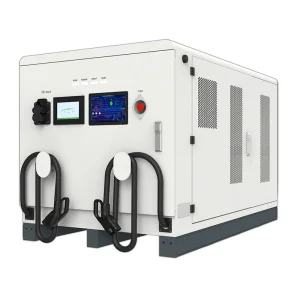
Tailored high-voltage configurations built specifically for commercial delivery fleets operating under extreme duty cycles in West African hubs.
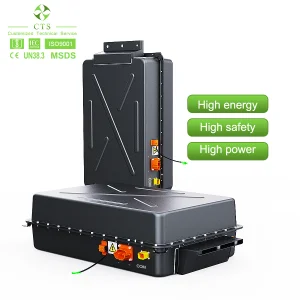
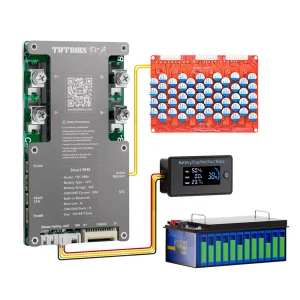
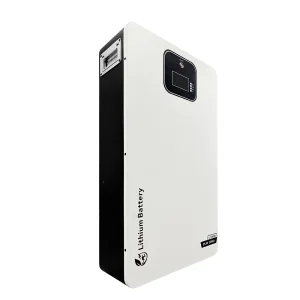
Heavy-duty cell assembly with advanced BMS offering exceptional reliability for public transit buses and light-duty electric delivery trucks.
Ghana is rapidly positioning itself as a central hub for electric mobility adoption in West Africa. Under the framework of the National Electric Mobility Policy and the Energy Commission’s strategic directives, the Ghanaian government has actively promoted the transition from internal combustion engine (ICE) vehicles to clean energy alternatives. The drive is fueled by a dual imperative: reducing municipal air pollution in high-density zones like Accra and Kumasi, and curbing the national reliance on imported fossil fuels. In this shifting economic landscape, the sourcing and customization of Electric Vehicle Battery Systems have emerged as the foundational pillar for domestic and industrial EV integration.
Unlike cooler temperate zones, sub-Saharan West Africa presents a demanding set of environmental challenges for battery energy storage. The region's tropical climate—characterized by high ambient temperatures reaching up to 40°C in the northern regions, combined with elevated humidity—accelerates battery degradation and compromises the efficiency of standard lithium-ion formulations. Consequently, Ghanaian fleet operators, custom vehicle retrofitters, and industrial equipment importers are shifting their sourcing requirements toward highly specialized battery configurations. These systems must offer integrated active thermal management, resilient cell balancing, and robust, dust-proof enclosures designed to withstand unpaved rural roadways.
At Shenzhen PowerSTN Energy Co., Ltd., we recognize these local realities. As a global manufacturer and exporter of advanced energy storage systems, we specialize in exporting high-performance LFP (Lithium Iron Phosphate) and NiMH (Nickel-Metal Hydride) battery systems designed for the unique operational environments of West Africa. By integrating advanced Battery Management Systems (BMS) with high-density cell structures, we provide the industrial-grade performance, longevity, and thermal stability required to power Ghana's transition to a sustainable transport infrastructure.
Ghana's zero-rate import duty policy on EVs and hybrid components directly lowers the capital cost for large-scale battery fleet deployment.
Our LiFePO4 configurations boast up to 4800 to 6000 cycles, translating to a service life of over 10 years in tropical conditions.
Tailored mechanical layouts and custom voltages (72V to 614V) matching the design parameters of buses, tuk-tuks, and marine crafts.
For global enterprise buyers, municipal developers, and mining consortia operating within West Africa, sourcing EV battery systems is not merely a matter of purchasing cells. It requires adhering to rigorous global compliance standards to ensure long-term ROI and operational safety. Standard consumer-grade lithium batteries lack the internal safety protocols required for harsh industrial usage, making professional-grade engineering a non-negotiable prerequisite.
Moreover, B2B procurement professionals require manufacturers to provide detailed documentation, traceable raw material origins, and reliable warranty terms. This level of quality assurance protects projects from premature battery failure, which can result in costly replacement overheads and operational downtime in remote operations.
Selecting the ideal battery chemistry requires analyzing the trade-offs between energy density, cost, safety, and temperature stability. For industrial transport, public buses, and commercial transport systems in West Africa, two primary chemistries dominate high-performance applications:
Ideal for: High-Capacity Commercial Fleets, E-Buses, Cargo Vans, and Grid-Tied Charging Stations.
LFP offers unmatched cycle life (up to 6,000 cycles at 80% DOD), exceptional thermal stability, and is inherently safe from thermal runaway. Its lower raw material cost makes it highly viable for large industrial projects.
Ideal for: Passenger Hybrid Vehicles (e.g., Lexus and Toyota fleet replacements).
Ni-MH remains highly relevant for hybrid vehicle maintenance. Highly resilient to complete discharge states and capable of reliable performance over wide temperature ranges without complex cooling infrastructures.
Ideal for: Remote Telematics, E-Bike Fleets, and Commercial Tracking.
Integrating Bluetooth, GPS, and active LCD monitoring enables real-time tracking of State-of-Health (SOH), State-of-Charge (SOC), and GPS coordination for fleet logistics management.
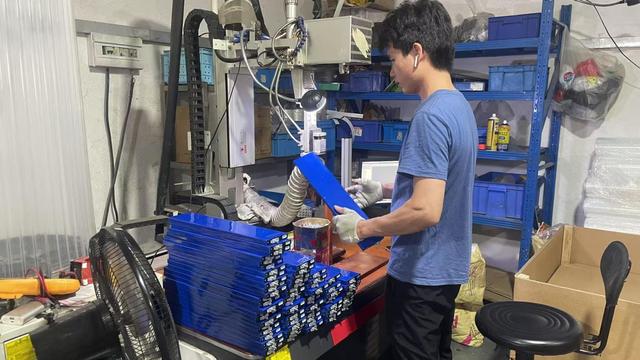
Our technical roadmap prioritizes high-safety prismatic cells combined with robust packaging layouts. By using premium materials and automated assembly lines, we ensure every cell pack achieves consistent internal resistance. This minimizes hotspot creation and maximizes overall system performance in high-ambient environments.
Shenzhen PowerSTN Energy Co., Ltd. is a China-based manufacturer specializing in advanced energy storage battery solutions for residential, commercial, and industrial applications. The company focuses on the development, production, and integration of lithium battery systems designed to support renewable energy utilization, backup power supply, and energy management projects worldwide.
With a commitment to innovation and quality, PowerSTN provides a comprehensive portfolio of energy storage products, including residential energy storage systems, commercial and industrial battery solutions, solar energy storage batteries, off-grid power systems, hybrid energy storage platforms, and containerized battery energy storage systems. These solutions are engineered to help customers improve energy efficiency, enhance grid stability, and maximize the value of renewable energy investments.
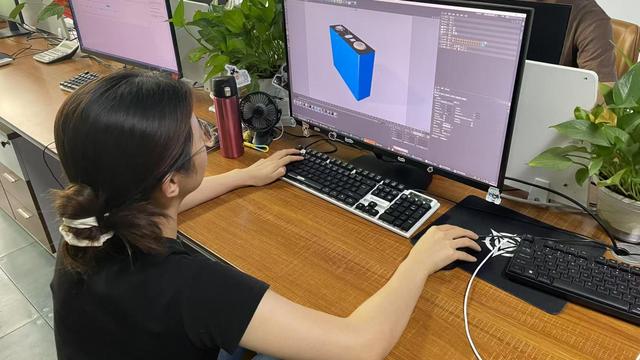
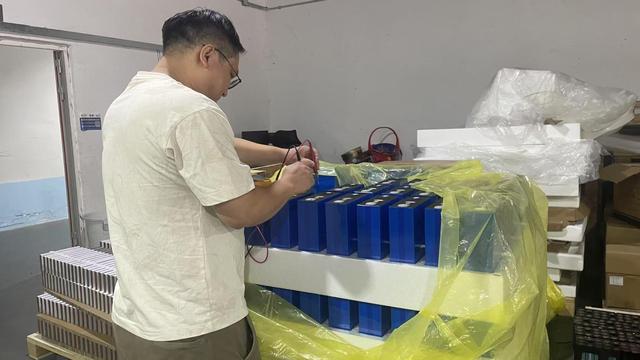
The company operates modern manufacturing facilities equipped with advanced production technologies and strict quality control procedures. From battery cell selection and battery pack assembly to system integration and performance testing, every stage of production is managed to ensure reliability, safety, and long-term operational performance.
PowerSTN serves customers across multiple industries, including renewable energy, telecommunications, data centers, utilities, manufacturing, commercial facilities, and infrastructure projects. Its engineering team works closely with clients to deliver customized energy storage solutions tailored to specific project requirements and operational environments.
In addition to manufacturing capabilities, Shenzhen PowerSTN Energy Co., Ltd. offers OEM and ODM services for global brands, distributors, system integrators, and energy solution providers. By combining technical expertise, flexible production capacity, and customer-focused support, the company aims to be a trusted partner for organizations seeking reliable and scalable energy storage technologies in the rapidly evolving global energy market.
Strict quality control from cell sorting to final functional validation.
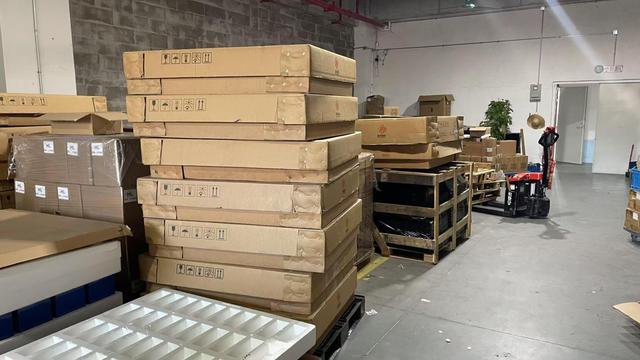
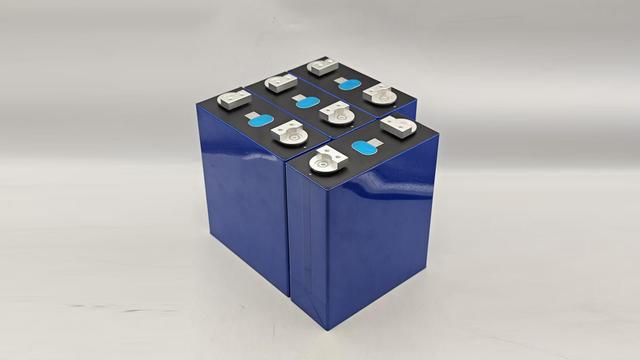
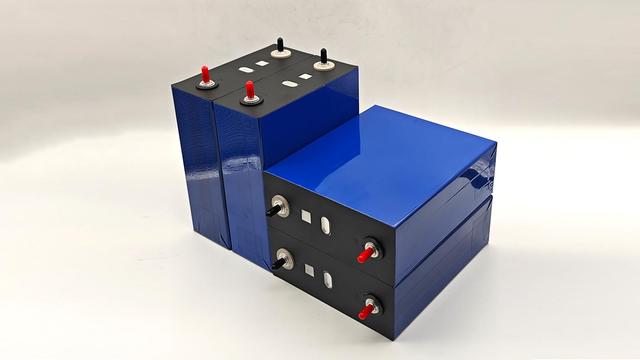
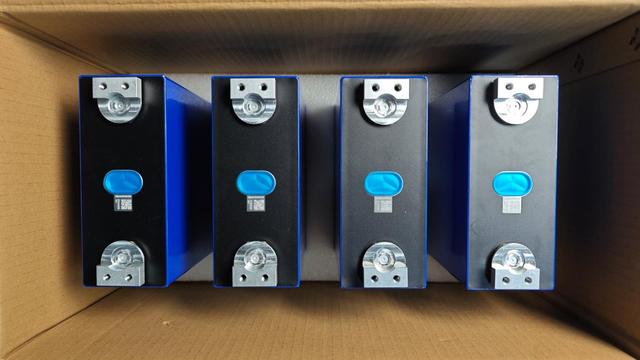

Transporting large-format lithium battery packs requires strict compliance with international maritime hazardous cargo standards. Under the IMDG (International Maritime Dangerous Goods) code, lithium batteries are classified as Class 9 Dangerous Goods. Sourcing from experienced manufacturers who understand the shipping container guidelines, packaging, and custom protocols is critical to avoiding delays at destination ports.
At PowerSTN, we manage the complete logistics workflow for imports to Ghana, offering:
Through our logistics network, we ensure your commercial EV batteries arrive safely, certified, and ready for system integration.
Select from our comprehensive line of light and heavy mobility battery solutions. Every unit is engineered for long-term cycling and thermal efficiency.
Providing direct answers to technical queries, environmental factors, and importation frameworks for the West African commercial sector.
A: Our LFP (Lithium Iron Phosphate) cells feature advanced thermal barriers combined with active cooling systems. The integrated smart BMS monitors temperature at the cell level, adjusting charge rates or disconnecting the pack if critical safety thresholds are reached, preventing thermal runaway in tropical environments.
A: Under Ghana's latest Electric Mobility Policy, import tariffs on completely knocked down (CKD) components, hybrid parts, and electric vehicle battery packs have been zero-rated to promote domestic assembly and local value addition. Our export division supplies all necessary customs paperwork to ensure you benefit from these exemptions.
A: Yes. Shenzhen PowerSTN specializes in OEM/ODM customizations. We design and manufacture custom battery configurations ranging from 12V to 614V, matching the exact physical, weight, and electrical load requirements of retrofitted buses, delivery vehicles, and watercraft.
A: Absolutely. All exported battery shipments are fully certified under UN38.3, meeting all structural and safety requirements for international maritime freight. We handle Class 9 compliance paperwork from dispatch to arrival at port.
A: Our A-grade LiFePO4 cells are rated for 4800 to 6000 cycles at 80% Depth of Discharge (DOD). In typical operating scenarios, this delivers over 10 years of reliable daily service before capacity drops to 80% of its original rating.
 PowerSTN Energy