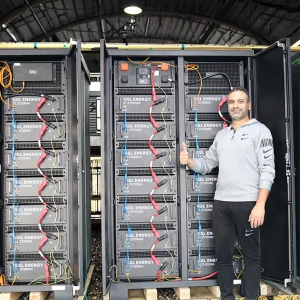
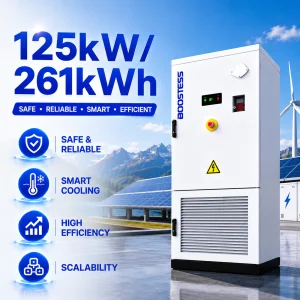
High-performance containerized and cabinet battery platforms optimized for grid stabilization, peak shaving, and clean power continuity across Pakistan's industrial zones.
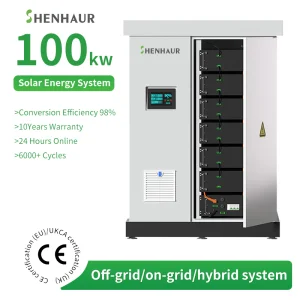
Pakistan’s industrial and commercial sectors—ranging from the high-output textile clusters in Karachi and Faisalabad to the manufacturing centers of Lahore—face unique grid-stability hurdles. Frequent blackouts, power line losses, volatile fuel prices for diesel generators, and escalating NEPRA electricity tariffs create a highly challenging operational climate. Industrial Battery Energy Storage Systems (BESS) represent the missing link in stabilizing the country's energy landscape, turning inconsistent power into a competitive asset.
In Pakistan, BESS installations are primarily sized to prevent voltage dips that halt textile spinning frames or food packaging lines. By applying Peak Shaving algorithms, factories can draw power from the batteries during high-tariff peak hours (typically 5 PM to 9 PM or 6 PM to 10 PM depending on DISCO regulations), saving thousands of PKR per month while shifting their base loads smoothly.
Textile mills rely on absolute continuous power. A single micro-cut in electricity can cause fibers to snap, resulting in hours of machinery cleanup and material waste. Our containerized LFP systems act as massive online UPS platforms, filtering grid anomalies and providing seamless back-up power when DISCO lines drop.
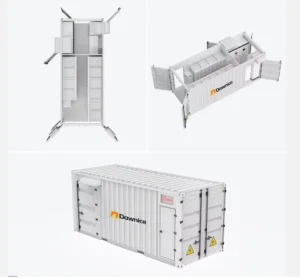
Many mineral extraction projects and cement factories in remote regions run entirely on expensive diesel fuel. By integrating our BESS containers (like the 500kW/1MWh configuration) with local photovoltaic plants, companies can run a "generator-off" mode during the day, reducing fuel costs by up to 65% and saving thousands of tons of CO2 annually.
Agricultural warehousing for dairy and fruit requires reliable thermal control. When the grid fails, a battery backup system instantly powers refrigeration compressor motors, preventing cold-room temperature rises and ensuring product safety.
How our factory integrates the BESS with your local plant setup:
As the international BESS landscape shifts towards safer chemistry and higher energy density, PowerSTN remains at the forefront, incorporating advanced technologies designed specifically to handle tough operational conditions.
Our research and development focus is centered on high-temperature resilience. Traditional lithium batteries degrade quickly when subjected to temperatures exceeding 35°C. PowerSTN's battery enclosures are built to IP54/IP55 industrial protection grades, featuring thermal insulation blankets and intelligent active cooling that self-regulates. This ensures reliable operation even in regions like Jacobabad and Sibi where ambient temperatures frequently top 48°C.
Additionally, our Smart Energy Management System (EMS) supports local grid compliance, facilitating clean integration with NEPRA-mandated net-metering standards and safety codes.
Shenzhen PowerSTN Energy Co., Ltd. combines advanced engineering with vertically integrated production lines to deliver highly reliable BESS hardware directly to the Pakistani market. Situated in Shenzhen—the hub of the global lithium-ion supply chain—we offer quick components procurement, rigorous quality control, and highly efficient shipping routes to the Port of Karachi.
Every unit leaving our Shenzhen facility undergoes a multi-point testing cycle, including high-potential insulation checks, cell balancing, charge-discharge verification, and simulated load testing under high thermal stress. Our factories hold ISO9001, ISO14001, and ISO45001 certifications, ensuring our battery containers comply with international safety directives (CE, IEC 62619, UL 9540A).
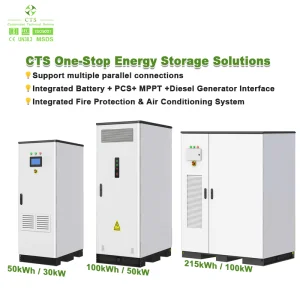
For Pakistani EPC contractors, engineers, and plant owners, this translation of raw materials to fully integrated systems ensures minimal project lead times. Whether your project demands standard off-the-shelf cabinets (such as our 50kW/100kWh packs) or complex multi-megawatt systems, we can tailor the system configuration, enclosure size, and PCS integration to match your site dimensions perfectly.
Globally, commercial and industrial enterprises are utilizing BESS not only as backup power, but as active assets in energy arbitrage. In Europe and North America, systems bid into frequency response markets to balance local grids. In emerging markets like Pakistan, the primary driver remains energy security and tariff avoidance.
By studying international deployments, PowerSTN has engineered systems that provide localized reliability. We understand that Pakistani companies need to bridge grid outages and reduce their reliance on diesel generators. Consequently, our hybrid BESS systems are programmed with customized firmware specifically optimized to minimize generator run-time by prioritizing solar battery self-consumption.
This integration of international engineering standards with local applications allows Pakistani industries to achieve global efficiency metrics. Your facility can lower its carbon footprint, satisfy export auditing standards (crucial for textile exporters working with international brands), and protect valuable electrical machinery from grid-related damage.
Navigating the regulatory landscape in Pakistan for solar and energy storage systems requires understanding local distribution company (DISCO) regulations, NEPRA guidelines, and customs requirements. PowerSTN works closely with local engineering partners to ensure smooth custom clearance and grid-interconnection approvals.
Our storage inverters comply with strict anti-islanding regulations and voltage-frequency ride-through standards required for safety synchronization with LESCO, K-Electric, and FESCO systems.
We provide all necessary paperwork, including certificates of origin, CE/IEC testing reports, and custom codes, to help you navigate import policies at Karachi Port (KICT/PICT).
All container units feature automated aerosol/gas fire suppression systems (FM200 or Novec 1230), heat/smoke sensors, and emergency manual release safety vents.
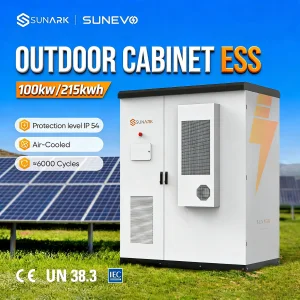
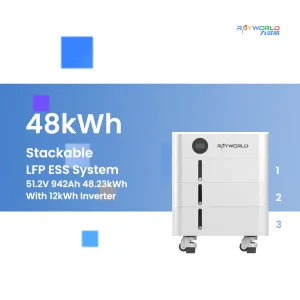
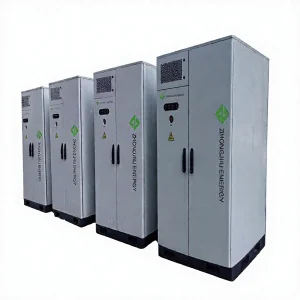
Discover our complete line of industrial battery storage containers and cabinets engineered for grid resilience, off-grid microgrids, and commercial backup in Pakistan.
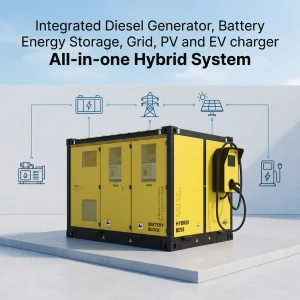
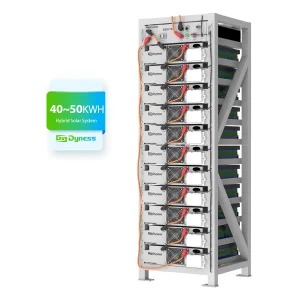
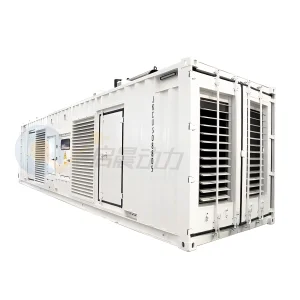
Here are detailed answers to key questions commonly raised by plant owners, engineering contractors, and energy project leads in Pakistan.
Our systems utilize an advanced EMS with integrated controllers that interface directly with your diesel generator's Automatic Transfer Switch (ATS). When grid power drops, the battery instantly handles the load while the generator starts up. Alternatively, if solar power is available, the BESS works in tandem with solar arrays to minimize the generator run-time, maintaining high-efficiency generator operating limits to save fuel.
We use high-grade Lithium Iron Phosphate (LiFePO4) chemistry that provides more than 6,000 complete cycles at 80% Depth of Discharge (DoD) under nominal conditions. Operating in temperatures optimized by our liquid-cooling systems, this equates to roughly 12 to 15 years of daily cycling, offering a significantly lower lifetime cost compared to lead-acid batteries.
We supply container systems with active liquid-cooling mechanisms or industrial HVAC cooling solutions. The internal thermal insulation within the container walls resists high external temperatures, keeping the battery pack temperatures between 20°C and 30°C. This prevents thermal degradation and maintains safety even when outside temperatures rise above 45°C.
Depending on your current energy tariffs (including peak charges) and diesel consumption rates, the typical ROI ranges between 3.5 to 5 years. PowerSTN provides detailed economic projections based on your facility's consumption profiles, utility billing structures, and solar generation characteristics.
Yes. Our grid-tied inverters are certified under IEC 62109, IEC 61727, and regional parameters mandated by local electricity boards (such as K-Electric, LESCO, and FESCO). They feature anti-islanding mechanisms and export control parameters to prevent unauthorized power flow while enabling smooth net-metering operations.
PowerSTN collaborates with local engineering partners and EPC contractors in Pakistan to manage physical installation, site testing, and commissioning. We offer remote monitoring support via IoT gateways and keep critical spare parts in our local partners' inventory to ensure quick service. Standard system warranties range from 5 to 10 years depending on the project requirements.
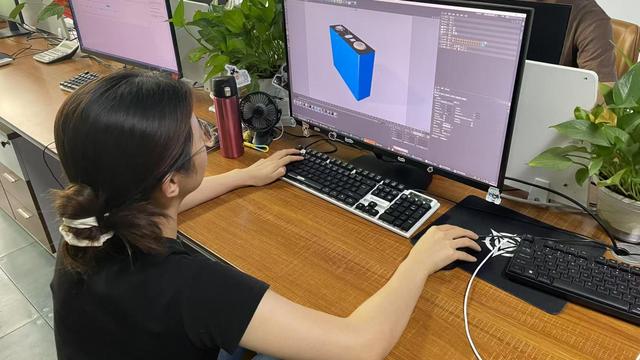
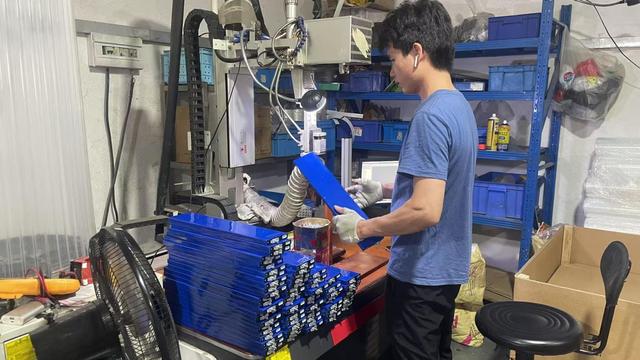
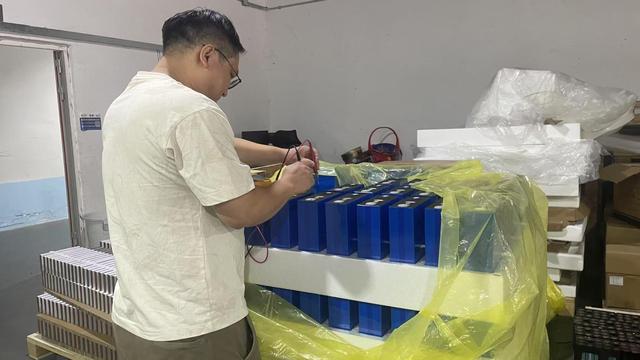
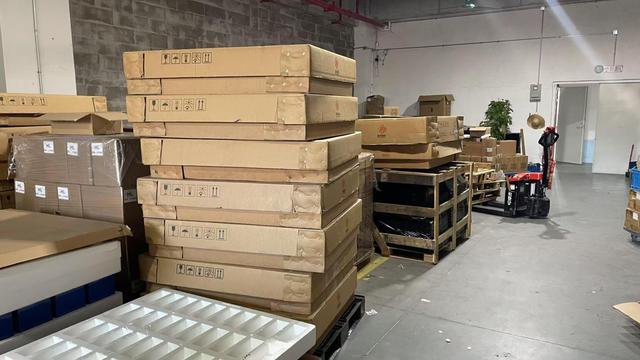
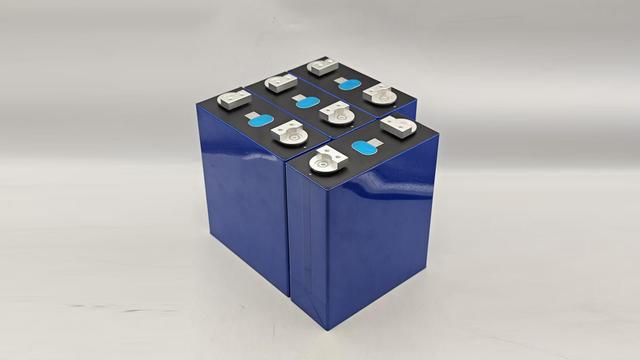
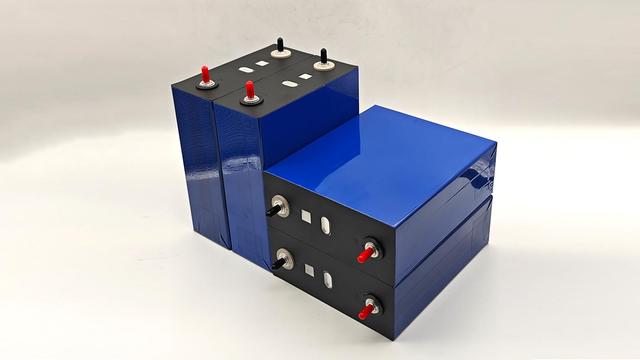
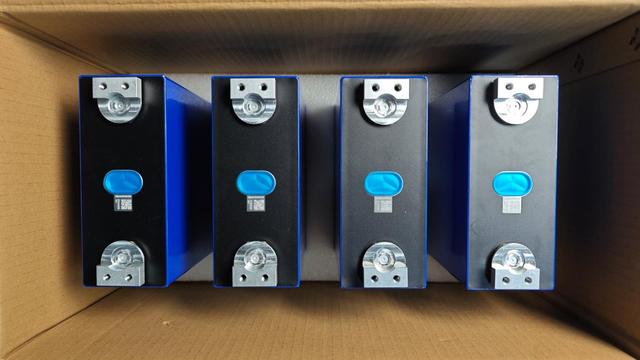
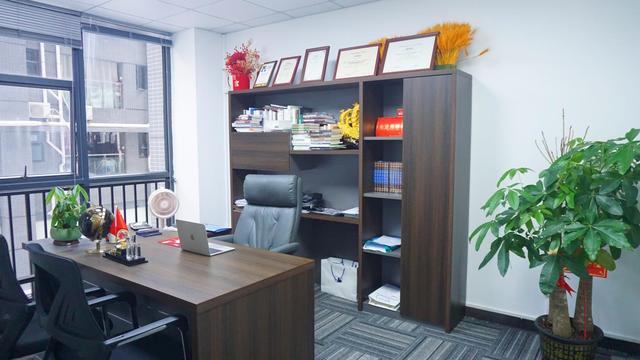
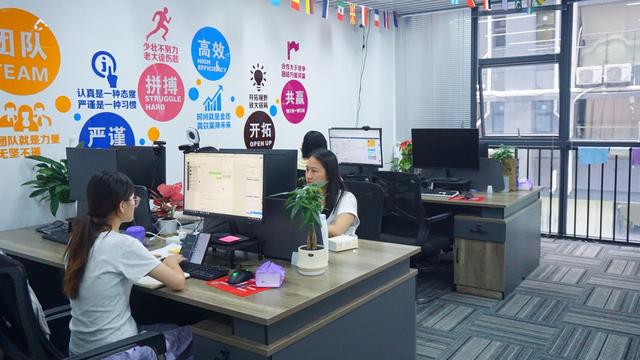
Shenzhen PowerSTN Energy Co., Ltd. operates a high-capacity manufacturing plant equipped with automated cell grading systems, pack assembly equipment, and comprehensive testing labs. Below are views of our production processes, system assembly setups, and final container integration zones.
 PowerSTN Energy