Pre-engineered, fully integrated battery systems optimizing return on investment under NEM network standards.
The transition toward renewable energy assets is accelerating at an unprecedented scale globally. The international energy transition, guided by COP targets and aggressive decarbonization goals, has made Battery Energy Storage Systems (BESS) the single most critical structural element in modern electrical infrastructure. Grid operators worldwide are grappling with solar and wind intermittency, leading to rapid investments in frequency regulation, grid stabilization, and capacity market reserve services.
In the local context, Australia stands as one of the world's most dynamic energy environments. The unique geographic layout of the National Electricity Market (NEM) along the eastern coast, combined with the isolated nature of the Western Australian SWIS grid, presents severe technical challenges. Rapid rooftop PV penetration (exceeding 30% in multiple states) has created the famous "duck curve" phenomenon, where midday grid demand plummets, only to rise steeply in the evening. As a result, network distributors (DNSPs) and transmission networks are facing major instability issues, leading to curtailments, voltage fluctuations, and volatile wholesale spot prices. For Australian C&I (Commercial & Industrial) operators, these dynamics manifest as soaring network demand charges, Peak Demand penalty rates, and a pressing need for energy autonomy.
Deploying energy storage in Australia involves navigating complex market designs and grid interconnection standards. Industrial consumers can transition from passive utility spenders into active energy market players by leveraging BESS technology for multi-layered economic strategies.
In the NEM, the Australian Energy Market Operator (AEMO) pays fast-responding resources to keep grid frequency within its safe operating envelope (around 50Hz). Our utility-scale BESS platforms are engineered with sub-millisecond response controllers and advanced EMS (Energy Management Systems). These features allow them to participate directly in Contingency and Regulation FCAS markets, yielding lucrative revenue streams that accelerate system payback times.
For Australian mines, factories, and cold storage facilities, network charges (DUoS and TuoS) can account for up to 40% of their total power bill. These charges are computed based on the peak demand registered during specific grid intervals. A local BESS can monitor substation loading in real-time, discharging stored solar or cheap off-peak power during peak periods to shave the load profile, lowering network tariff bands and peak-demand penalties.
By networking multiple distributed commercial storage assets into a single cohesive control network, businesses can participate in Virtual Power Plants. During extreme summer weather patterns or unexpected thermal generation outages, wholesale prices in the NEM can spike up to the market price cap of AUD 16,600/MWh. A VPP allows businesses to export stored solar power during these high-priced peaks, converting an operational expense into a strong profit center.
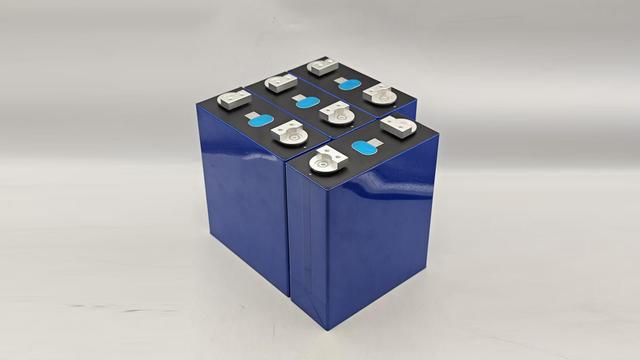
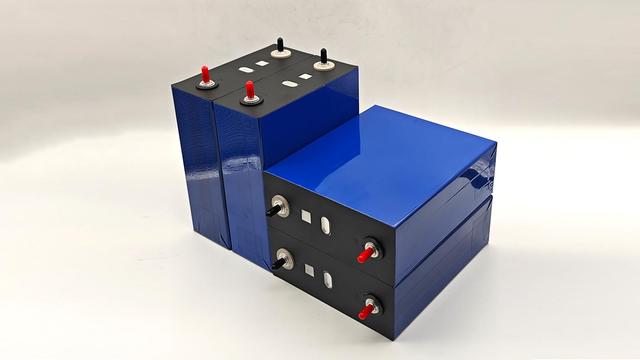
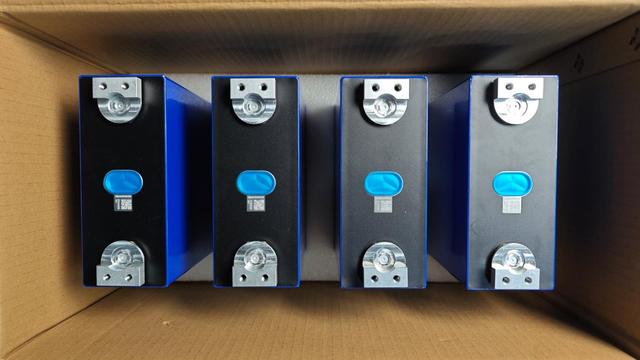
For energy storage to be commercially viable, it must maintain a low LCOS. This is achieved by combining grade-A LiFePO4 cells, active balance BMS, and efficient cooling systems. Reducing system degradation ensures the batteries deliver reliable energy over their operational lifespan, maximizing ROI across multiple cycles daily.
The vast geographic diversity of Australia demands localized configurations. A generic, one-size-fits-all energy storage system will not perform optimally under Australia's environmental conditions. We specialize in tailoring BESS deployments to specific regional requirements:
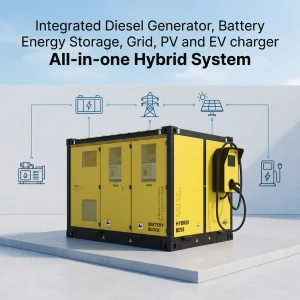
Perfect for remote sites in Western Australia and Queensland. Our containerized BESS integrates with solar arrays and diesel generators. Utilizing advanced microgrid controllers, it helps displace up to 60% of diesel fuel consumption, protecting equipment from voltage sags caused by large heavy-duty motor starts.
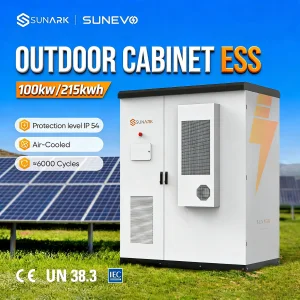
Farms and food processors in regional Victoria and New South Wales often face unreliable grid connections at the end of long power lines. Our outdoor IP54 and IP55 rated cabinets deliver reliable back-up power during blackouts, protecting temperature-sensitive stock and maintaining constant uptime for irrigation pumps.
With EV fleet charging growing in major metro hubs like Sydney, Melbourne, and Brisbane, existing local grid grids can struggle with high fast-charging demands. Our liquid-cooled BESS reduces the need for expensive grid substation upgrades by supplying immediate local power during high-rate EV charging peaks.
To support design engineers and energy procurement managers, the following matrix outlines the technical parameters of our primary utility-scale and commercial container units designed for the Australian grid:
| System Type / Model | Energy Capacity | Inverter Capacity | Thermal Management | Target Application |
|---|---|---|---|---|
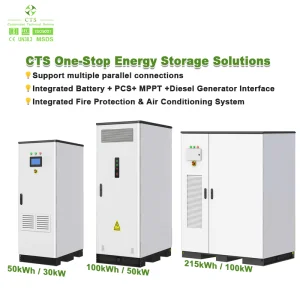
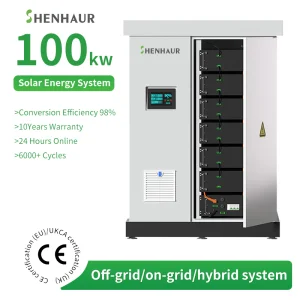
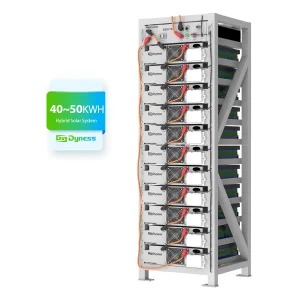
| All-in-One Cabinet (CTS Series) | 50kWh - 215kWh | 30kW - 100kW | Smart Air / Liquid Cooling option | Commercial Office, Small Manufacturing, Solar Integration |
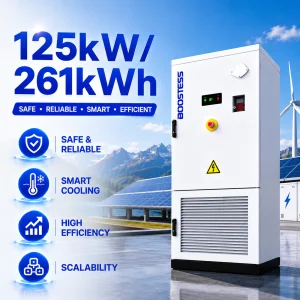
| C&I Liquid Cooled Cabinet | 261kWh - 372kWh | 125kW - 180kW | Closed-Loop Liquid Cooling | High-Duty Cycle Peak Shaving, Agricultural Grids |
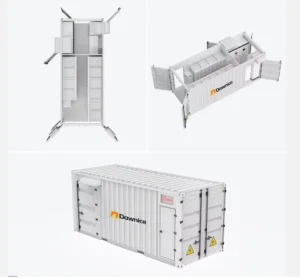
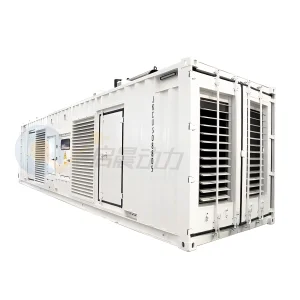
| 20FT High-Capacity Container | 1.0MWh - 2.5MWh | 500kW - 1.25MW | Industrial HVAC / Liquid Cooling | Utility-Scale Ancillary Services, Mining Microgrids |
| 40FT Utility Container | 3.0MWh - 5.0MWh | 1.5MW - 2.5MW | Advanced Liquid Cold Plate | Front-of-the-Meter (FTM) Substations, Transmission Support |
The energy storage landscape is evolving rapidly, and deploying systems that become obsolete within five years is a critical commercial risk. Shenzhen PowerSTN Energy Co., Ltd. is focusing its technical roadmap on these key innovations to keep your assets future-proof:
Traditional forced-air cooling systems face challenges in hot Australian climates, where ambient temperatures can exceed 45°C. Air systems struggle to maintain uniform cell temperatures, leading to localized hot spots and accelerated capacity degradation. Our liquid-cooled BESS designs route cooling fluid directly through heat-sink plates nestled against the cells, keeping temperature variance within 2°C across the pack. This extends battery lifespan by up to 20% and lowers auxiliary energy usage.
To reduce balance-of-system (BOS) costs, the C&I and utility industries are shifting from 1000V DC to 1500V DC architectures. Higher operating voltages reduce the required cable cross-sections and inline losses, improving round-trip efficiency (RTE) by 1.5% to 2% while reducing configuration costs for grid-tied substations.
Deploying storage in Australia requires strict adherence to safety standards. The primary regulatory standard is AS/NZS 5139, which governs the installation and safety of battery systems. This is supported by IEC 62619 for safety requirements of lithium cells, and AS/NZS 4777.2 for grid-interactive inverters.
As an experienced global factory and exporter, Shenzhen PowerSTN Energy Co., Ltd. ensures all exported systems feature multi-layered protection circuits. This includes thermal runaway mitigation systems and built-in aerosol fire suppression systems (such as Stat-X or Novec 1230), complying with international fire safety codes (like NFPA 855). Our engineering team works directly with Australian EPCs, electrical contractors, and DNSPs to guide projects smoothly through connection agreements and local approvals.
Explore our wide selection of certified containerized and rack-mounted battery energy systems, built for high duty cycles and harsh environments.
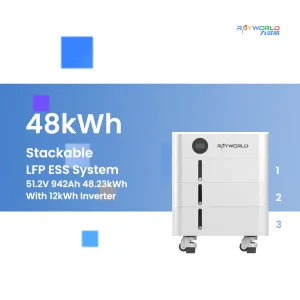
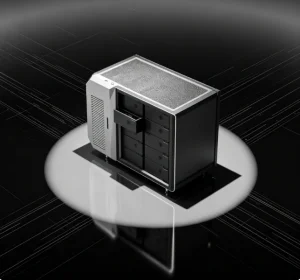
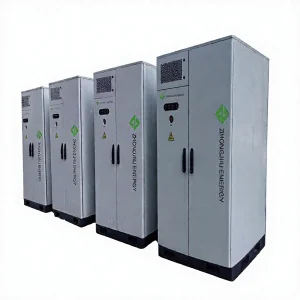
A leading China-based manufacturer specializing in advanced lithium energy storage battery solutions for residential, commercial, and industrial markets.
Shenzhen PowerSTN Energy Co., Ltd. is a specialized manufacturer dedicated to high-performance energy storage solutions. We focus on the design, production, and assembly of advanced lithium battery systems that support solar energy use, backup power supply, and energy management projects worldwide. Our portfolio includes residential storage, commercial and industrial cabinet solutions, containerized BESS platforms, off-grid systems, and hybrid energy networks.
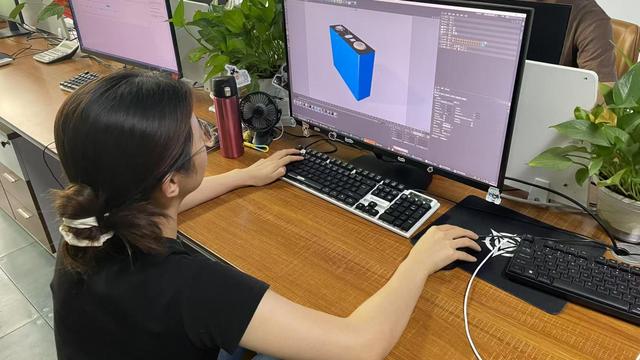
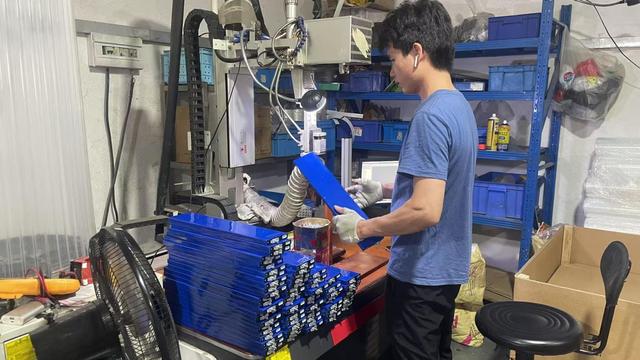
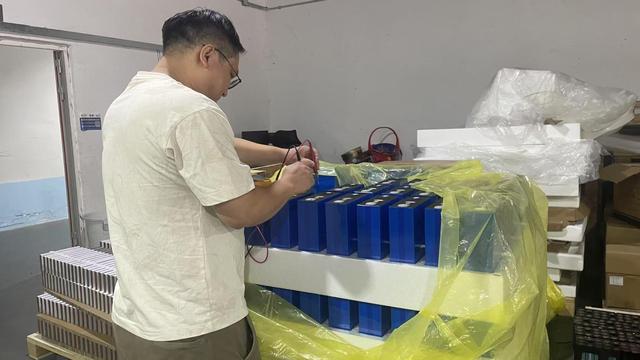
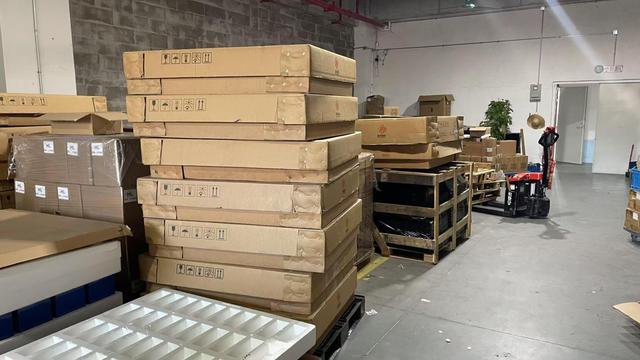
We operate modern, ISO-certified manufacturing facilities. From strict battery cell testing and advanced battery pack assembly to system integration and testing under load, every production stage is carefully monitored to ensure quality. In addition to our standard products, we provide OEM and ODM services to global brands, project developers, and system integrators. By combining technical expertise with adaptable production capacity, we help organizations implement scalable energy storage systems in the global energy market.
Key technical and regulatory answers for engineers, project developers, and commercial buyers regarding BESS deployment in Australia.
 PowerSTN Energy