Engineered for vessels operating in the Balearic Sea and the Port of Barcelona, featuring premium LiFePO4 chemistry and optimized BMS configurations.
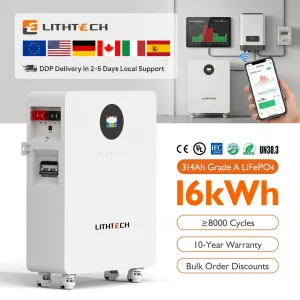
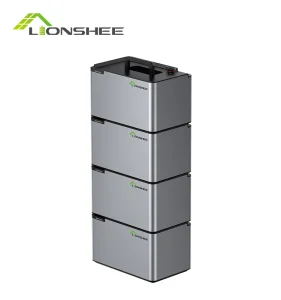
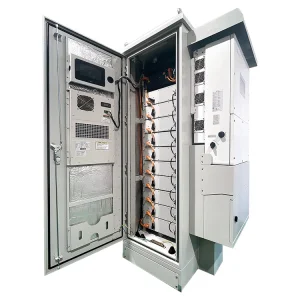
Understanding the intersection of strict regional environmental regulations and modern energy storage configurations.
The Mediterranean Sea, particularly the Western Mediterranean basin housing the Port of Barcelona, is under intense regulatory oversight to curb maritime greenhouse gas (GHG) emissions. With the introduction of the Mediterranean Emission Control Area (Med ECA) for sulfur oxides and particulate matter, vessel operators, port authorities, and logistics networks face stringent thresholds. Furthermore, the Port of Barcelona's Climate Action Plan aims to reduce CO₂ emissions by 50% by 2030, targeting complete carbon neutrality by 2050. To achieve these goals, local vessels, tugs, passenger ferries (connecting Barcelona to Palma de Mallorca, Ibiza, and Mahón), and port infrastructure must transit away from auxiliary diesel generators toward electrified propulsion and shore power systems.
Integrating a marine energy storage system (MESS) is the cornerstone of this transition. Implementing high-capacity Lithium Iron Phosphate (LiFePO4) systems allows commercial vessels to operate with zero local emissions during berthing, maneuvering, and low-speed navigation within protected channels. Shenzhen PowerSTN Energy Co., Ltd. provides optimized marine energy storage systems that act as crucial grid-stabilizing assets and modular energy banks. These solutions withstand the demanding saline environments of Barcelona's coastline while delivering the rapid-charge capabilities needed to synchronize with local Onshore Power Supply (OPS) installations.
Analyzing global supply dynamics, safety standards, and chemistry selections for maritime battery deployment.
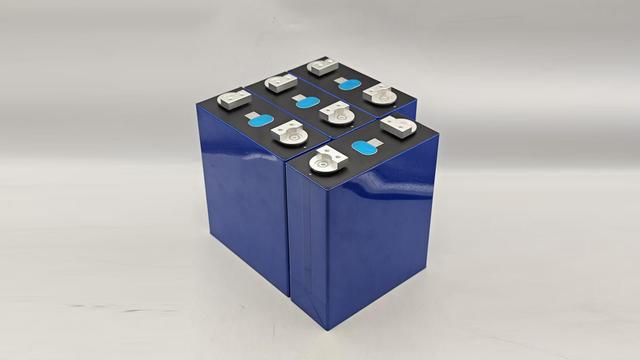
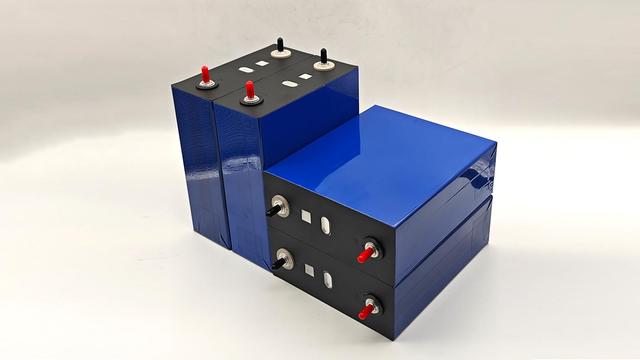
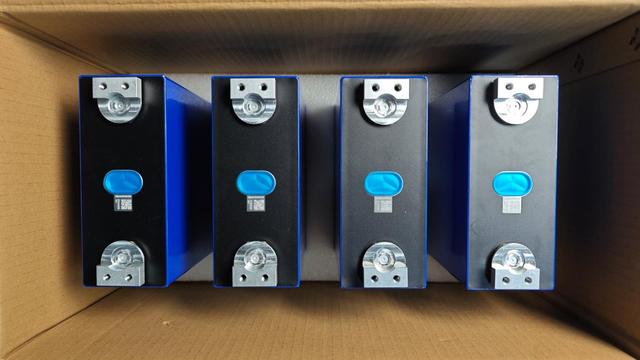
On a global scale, the maritime sector is shifting from nickel-manganese-cobalt (NMC) formulations to lithium iron phosphate (LiFePO4/LFP) for large-scale maritime energy storage installations. This shift is driven by the inherent thermal stability of LFP chemistry. When operated under demanding marine duty cycles, LFP cells are less prone to thermal runaway compared to NMC. Shenzhen PowerSTN Energy Co., Ltd. capitalizes on this chemical advantage by incorporating Grade A prismatic cells with precise cell-to-cell structural isolation and advanced thermal barrier barriers. This design prevents thermal runaway propagation (TRP) even under simulated cell-puncture tests, exceeding DNV class rules.
In addition, smart battery systems have evolved beyond basic voltage monitoring. Contemporary marine battery packs feature multi-tier Battery Management Systems (BMS) with CAN bus or Modbus communications. These systems dynamically monitor State of Charge (SoC), State of Health (SoH), insulation resistance, and cell temperature. For vessels cruising the Mediterranean routes between Barcelona, Valencia, and Genoa, this real-time telemetry integrates directly into the ship's energy management system (EMS), allowing the bridge crew to optimize fuel consumption and plan maintenance intervals efficiently.
| Specification Feature | PowerSTN LFP Marine Series | Industry Standard NMC Battery | Lead-Acid (Gel/AGM) Marine Battery |
|---|---|---|---|
| Nominal Voltage Options | 51.2V up to 700V (High Voltage Series) | Typically 48V or Custom Modules | 12V / 24V Configurations |
| Cycle Life (80% Depth of Discharge) | > 6,000 Cycles | 3,000 - 4,000 Cycles | 500 - 800 Cycles |
| Thermal Runaway Temperature | ~270°C (Highly Stable) | ~210°C (Risk of Oxygen Release) | Not Applicable (Outgassing Risks) |
| Active BMS Communication | CAN / RS485 / Modbus (Dual Redundancy) | Single RS485 or Basic BMS | None (Manual Check Required) |
| Enclosure Protection Class | IP65 / IP67 Liquid-Cooled Cabinets | IP20 / IP54 Air-Cooled Cabinets | Open-vented or IP22 Cases |
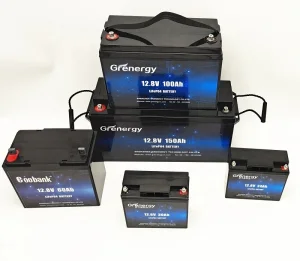
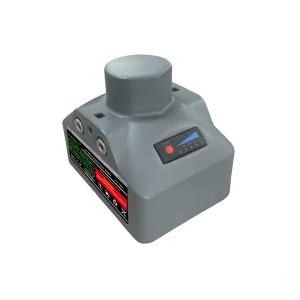
Compact, lightweight, and waterproof energy storage devices designed to integrate seamlessly into high-end yachts and recreational cruisers.
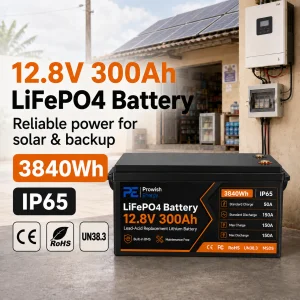
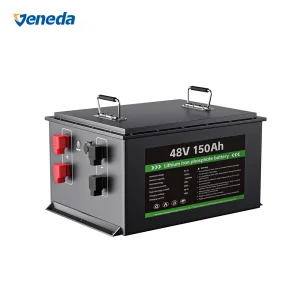
Discover how Shenzhen PowerSTN Energy Co., Ltd. combines advanced manufacturing automation with strict testing protocols.
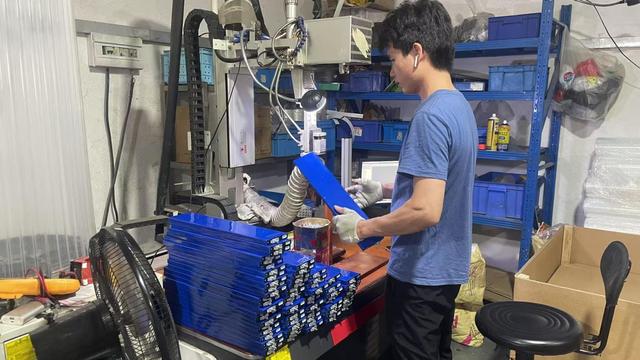
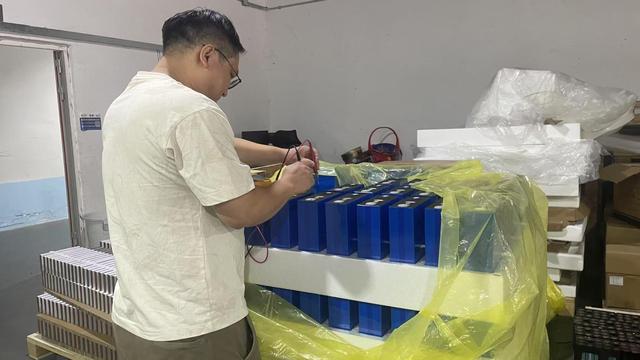
Shenzhen PowerSTN Energy Co., Ltd. operates a vertically integrated production line dedicated to high-energy and high-safety battery packs. Our facility implements automated cell sortation, precise laser welding of terminal busbars, and comprehensive automated test equipment (ATE) protocols. This high level of automation ensures consistent cell matching—a critical factor for the lifespan and performance of battery packs consisting of hundreds of cells in series and parallel. By sourcing directly from Tier-1 LFP cell providers and implementing in-house BMS programming, we offer significant cost-efficiency compared to European system integrators without compromising on regulatory compliance.
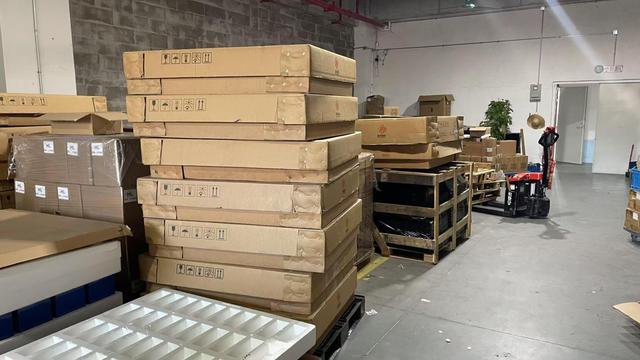
For industrial partners and maritime logistics companies in Barcelona, this direct factory access translates into tailored customization capability. Whether your vessel design demands a specific high-voltage setup, custom dimensions to fit an auxiliary machinery room, or customized software integration with marine navigation systems, our engineering team manages the complete lifecycle from design to DNV-equivalent factory testing. This factory-direct supply chain shortens project timelines, ensuring smooth integration with local projects.
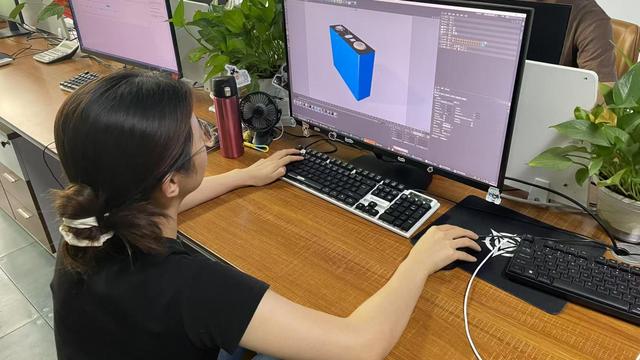


Connect with our senior maritime electrical engineers to outline your power profiles, voltage thresholds, and environmental constraints.
Tailoring battery integration for specific vessel types and local harbor infrastructures.
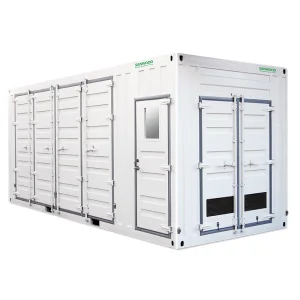
Ferries operating between the Port of Barcelona and the Balearic Islands spend considerable energy idling in port. Integrating containerized high-voltage LiFePO4 packs allows these vessels to turn off their main diesel engines during berthing, achieving zero emissions at the quay and improving local air quality.
Harbor tugs require high torque and quick response times. High-C-rate lithium storage configurations provide instant discharge capacity for heavy maneuvers. Our systems support rapid charging during standby periods to ensure continuous operations.
Integrating megawatt-scale battery systems at the Port of Barcelona helps buffer peak loads from Onshore Power Supply (OPS) systems. This peak-shaving capability protects the municipal electrical grid and lowers peak-demand utility costs.
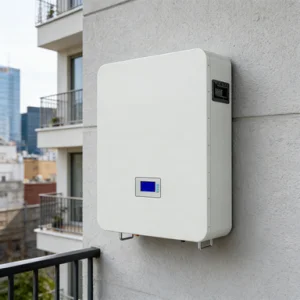
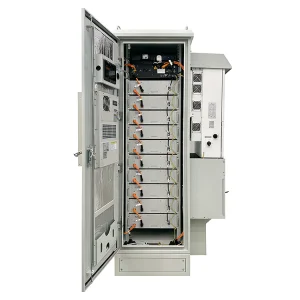
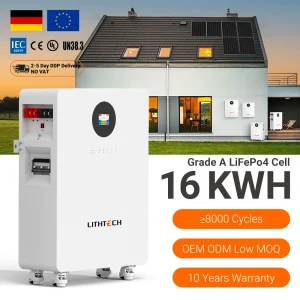
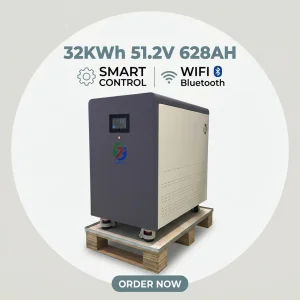
Explore our complete range of high-efficiency energy systems, covering megawatt-scale containers, boiler heaters, and residential battery backups.

Step-by-step export flow, shipping times, customs declarations, and installation setup guidance.
Purchasing utility-scale or marine energy storage systems from our factory in Shenzhen follows a structured process. First, our engineering team works with you to calculate load profiles, run safety checks, and determine spatial boundaries. We then generate CAD drawings and single-line schematics to verify compliance with Spanish maritime standards and specific boat layouts.
Once finalized, products undergo rigorous in-house quality assurance (FAT) before being secured in IP65 marine containers. Shipments depart from Shenzhen Port to the Port of Barcelona via ocean routes. Transit times typically range from 28 to 35 days. We provide necessary technical and regulatory documentation, including CE certifications, MSDS reports, and UN38.3 test summaries, to ensure smooth clearance through customs in Barcelona.
Technical answers about marine energy storage deployment, chemistry selection, safety certifications, and logistics.
LiFePO4 (LFP) offers superior thermal stability compared to NMC, with a thermal runaway threshold of around 270°C. In the event of mechanical damage or overcharging, it does not release oxygen, minimizing fire risks. This chemical profile is key for meeting strict European harbor safety standards and classification requirements.
Our high-voltage systems feature dual Modbus/CAN bus communications that synchronize with local OPS charging stations. They handle the fast charge cycles required to power auxiliary systems quickly while the vessel is docked.
Our battery designs align with standard classification rules from DNV, Lloyd's Register (LR), and RINA. The battery cells and BMS are tested to meet thermal runaway propagation standards, shock resistance, and marine vibration guidelines.
Under a standard maritime duty cycle, our Grade-A cells deliver over 6,000 continuous cycles at 80% Depth of Discharge (DoD) before capacity reduces to 80% of its original state. Active liquid cooling options help extend overall lifetime by keeping operating temperatures within optimal windows.
We build our enclosures using premium marine-grade aluminum alloys or coated steel, rated at IP65 or IP67. Connectors are sealed and circuit boards are double-coated to prevent corrosion from salty ocean air.
The ocean voyage from Shenzhen to Barcelona takes about 28 to 35 days. Custom engineering, manufacturing, and factory acceptance testing (FAT) require an additional 4 to 6 weeks, depending on the complexity of the project.
Yes, our ODM services specialize in custom battery footprints. We design systems to fit into existing diesel generator compartments, allowing you to convert classic yachts into hybrid vessels.
We provide a standard 5-year warranty on our LiFePO4 marine systems, backed by remote engineering support, cell performance analysis, and replacement parts.
 PowerSTN Energy