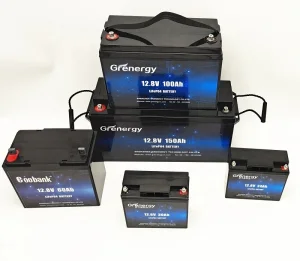
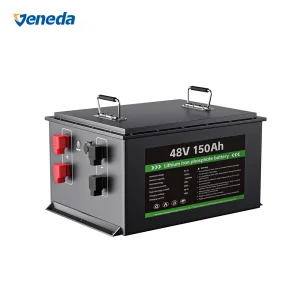
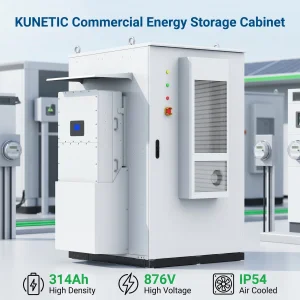
Premium grade energy storage configurations designed for German inland navigation, coastal service vessels, and off-grid marine stations.
Analyzing regulatory pressures, technical standards, and localized deployment models in Germany's inland waterways and ports.
Germany's inland navigation network, encompassing critical European arteries like the Rhine, Danube, Elbe, and Weser, is currently undergoing a structural energy transition. In response to the European Green Deal and Germany’s national climate protection targets (Klimaschutzgesetz), reducing emissions in both passenger transit and logistics shipping is a policy priority. The Central Commission for the Navigation of the Rhine (CCNR) has set targets to eliminate greenhouse gas emissions from inland navigation by 2050, with intermediate targets of 35% reduction by 2035. Achieving these benchmarks requires a shift from conventional internal combustion engines to hybrid and zero-emission electric battery powertrains.
To navigate these changes, German shipyards and maritime system integrators require reliable energy storage platforms. Shenzhen PowerSTN Energy Co., Ltd. supplies high-density Lithium Iron Phosphate (LiFePO4) and advanced solid-state energy storage solutions configured to meet maritime environmental conditions. The integration of high-voltage battery storage systems (BESS) on vessels reduces diesel particulate matter (PM), sulfur oxides (SOx), and nitrogen oxides (NOx) in sensitive ecosystems, including urban port environments like Hamburg, Bremen/Bremerhaven, and Duisburg.
Navigating the variable depths and currents of the Rhine requires adaptable power delivery. Our modular ESS configurations offer rapid transient response rates, providing instant peak power while optimizing diesel generator operational efficiency during cruising.
Within Germany's offshore wind farm infrastructure in the North and Baltic Seas, crew transfer vessels (CTVs) and service operation vessels (SOVs) integrate our high-voltage battery banks to operate dynamically and decrease standby fuel consumption.
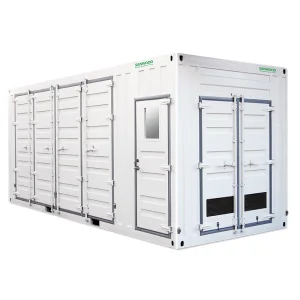
As German ports expand shore-side electricity (Landstrom) networks, our containerized battery energy storage systems act as localized grid buffers, mitigating voltage sags and managing peak load spikes during megawatt-scale ship connections.
Addressing the strict requirements of classification societies and maritime operations through chemistry and engineering.
Maritime installations require strict risk mitigation due to the challenges of addressing emergencies at sea. Unlike electric vehicle applications, marine energy storage systems must conform to rigid standards set by international classification bodies such as DNV, Bureau Veritas, and Lloyd's Register. The selection of battery chemistry is the first step in safety engineering.
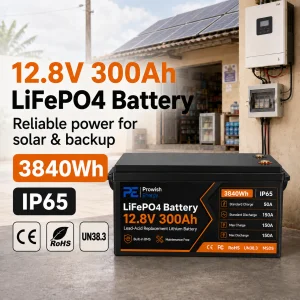
We focus on Lithium Iron Phosphate (LiFePO4) and advanced Solid-State configurations. Lithium Iron Phosphate offers distinct safety advantages over Nickel Manganese Cobalt (NMC) variants. The thermal runaway temperature threshold for LFP sits at approximately 270°C, compared to NMC's threshold of roughly 210°C. In the event of mechanical abuse, cell piercing, or overcharging, LFP displays structural stability, with a lower heat release rate and reduced emissions of oxygen, minimizing the potential for cascading thermal propagation inside the battery room.
Our marine-grade energy storage systems incorporate multi-tier protection architectures:
High-capacity systems engineered for commercial shipping propulsion, port operations, and industrial backup networks in Germany.
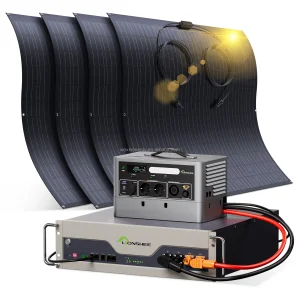
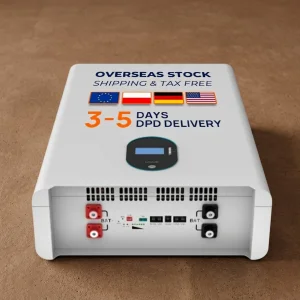
Combining high-capacity Chinese manufacturing with quality control processes tailored for the European market.
As a specialized developer and manufacturer based in Shenzhen, China's clean technology hub, Shenzhen PowerSTN Energy Co., Ltd. has established a vertically integrated manufacturing infrastructure. By managing cell grading, module grouping, pack assembly, and validation testing within our own facilities, we maintain oversight over quality control, safety margins, and cost structures.
For German partners, this integration translates into reduced supply chain friction. Our automated production line utilizes laser-welding, end-to-end telemetry monitoring, and rigorous multi-stage cycle testing to verify consistent internal resistance and capacity balance across all modules. Furthermore, our raw material sourcing guarantees long-term supply stability for high-capacity LFP systems, insulating customers from unexpected market volatility.
Connect with our technical engineers to plan and scale custom voltage configurations, enclosure designs, and certification alignments for your vessel.
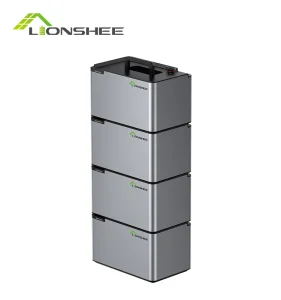
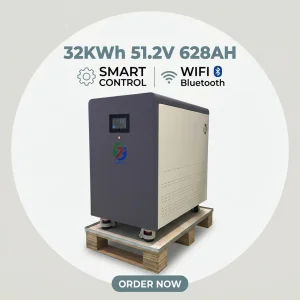
Original high-capacity residential powerwalls, commercial BESS, and integrated solar-thermal units engineered for reliable power backup.
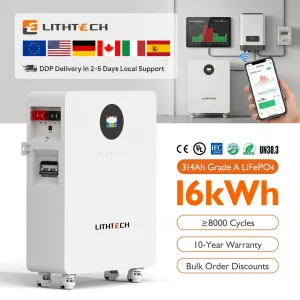
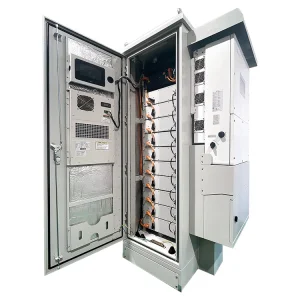
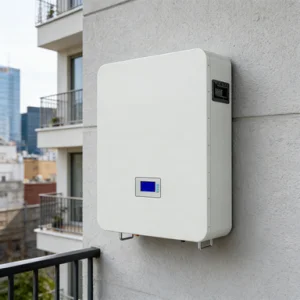
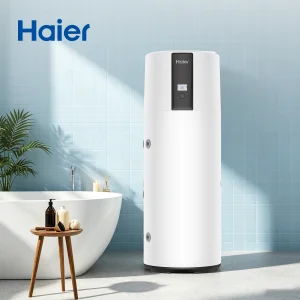
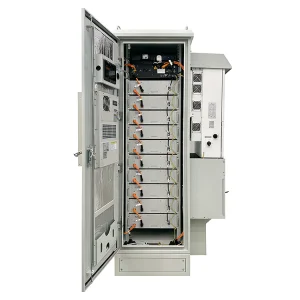
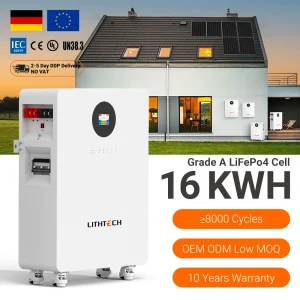
Ensuring streamlined deployment with local logistical support and documentation alignment.
Operating in the German business ecosystem (Mittelstand and global logistics enterprises alike) demands strict conformity to technical certifications and administrative standards. Shenzhen PowerSTN Energy Co., Ltd. coordinates delivery and integration through localized logistics chains, operating stock management out of European warehousing zones. This setup ensures that standard components are available within short transit cycles, reducing integration lag for urgent shipyard refitting projects.
All marine-targeted battery systems we export conform to mandatory European guidelines, including CE markings, IEC 62619 standards for industrial lithium storage units, and UN38.3 transport safety classifications. We collaborate directly with German engineering offices (Ingenieurbüros) and marine system integrators, providing complete technical documentation, step-by-step installation instructions, and CAD integration templates. This support simplifies the certification process with local authorities and marine classification societies.
Detailed insights on marine battery safety, system lifecycle calculations, and integration compliance for German maritime operators.
LiFePO4 (LFP) features a thermal runaway point of roughly 270°C, significantly higher than NMC's thermal threshold of 210°C. In structural failure conditions, LFP produces significantly less oxygen gas internally, preventing the self-sustained oxygen generation that drives NMC combustion. This chemical stability makes LFP systems the standard for vessels with enclosed spaces, aligning with the safety directives of European classification societies.
Our batteries are manufactured in compliance with international and regional codes, holding CE certifications, IEC 62619 system-level compliance reports, and UN38.3 safe transportation approvals. For commercial marine projects, we provide safety-focused documentation to assist system integrators in obtaining certifications through DNV-GL, Lloyd’s Register, and German local shipping boards.
Yes. We design and manufacture specialized configurations from 12V up to 800V high-voltage systems. Our team provides modular form factors, custom thermal management structures, and tailored communications protocols to fit specific mechanical footprints and power demands in modern vessels.
We operate out of European fulfillment bases to support logistics. Common battery packs and replacement components are stored locally for rapid dispatch, minimizing operational downtime for critical vessels. Remote technical assistance is provided by our specialized engineers to help solve configuration, BMS integration, or performance issues quickly.
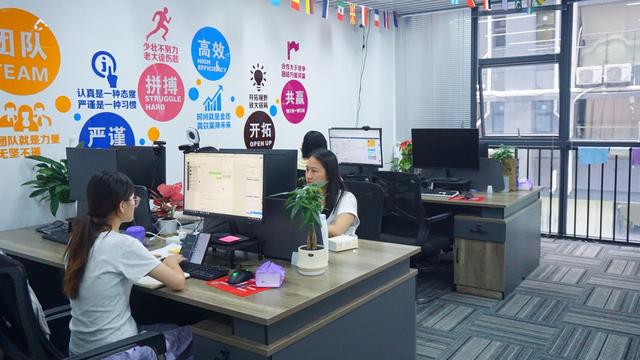
Take an inside look at our state-of-the-art facilities, automated battery assembly lines, and rigorous product testing laboratories.
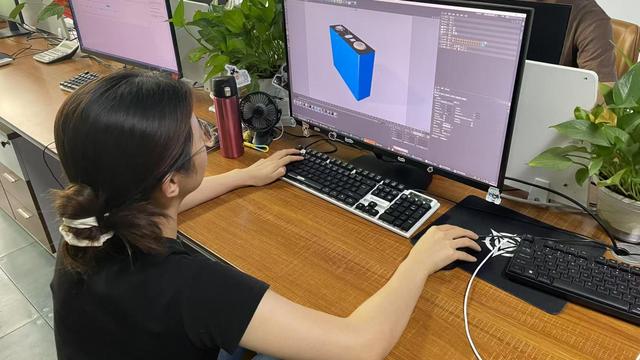
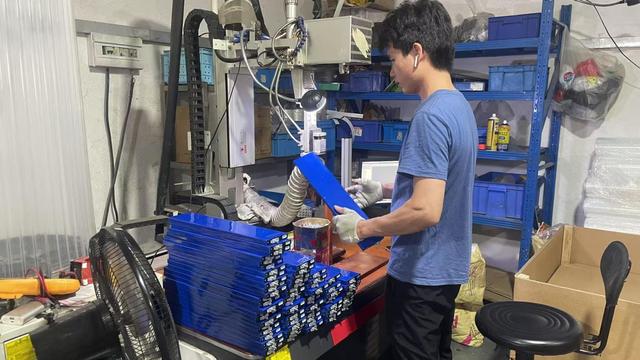
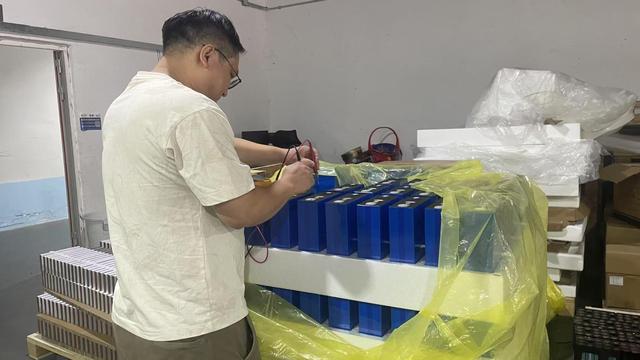
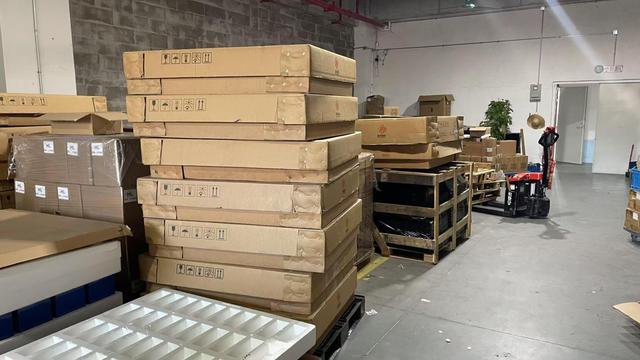
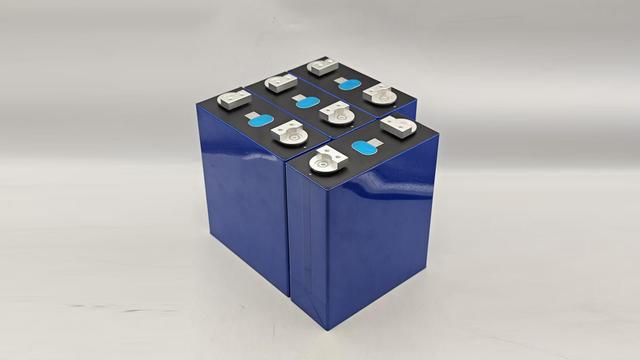
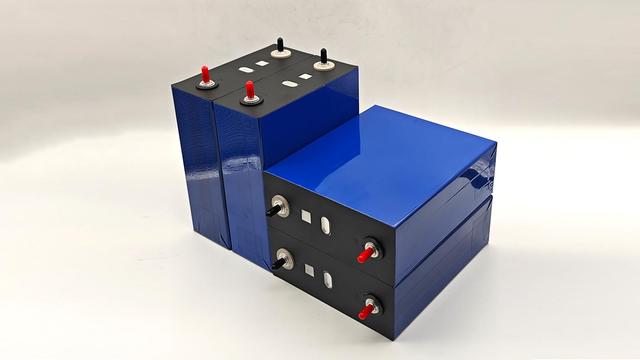
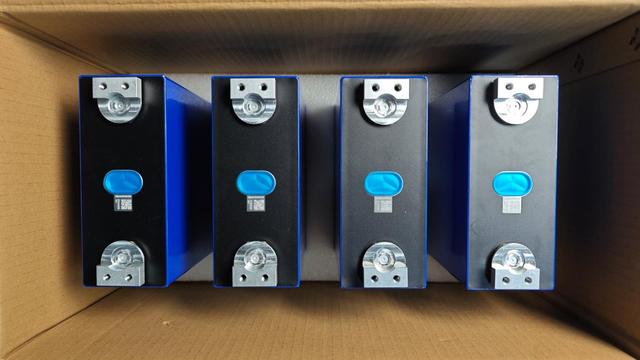
Schedule a real-time virtual facility tour with one of our engineers.
Request Meeting PowerSTN Energy