Engineered specifically for maritime deployment. Features include IP65/IP67 mechanical seals, high-voltage battery management systems (BMS), and advanced thermal propagation protection.
Cycles @ 80% DoD
Cell & Module Sealing
Marine Track Record
Thermal Runaway Incidents
As the global maritime sector navigates strict regulations enforced by the International Maritime Organization (IMO)—including the Energy Efficiency Existing Ship Index (EEXI) and the Carbon Intensity Indicator (CII)—hybridization and complete electrification of maritime vessels have shifted from auxiliary options to core compliance mandates. South Korea, as a premier global hub for high-value shipbuilding and advanced maritime engineering, is at the absolute forefront of this technological transition.
Implementing reliable, heavy-duty Marine Energy Storage Systems (MESS) is paramount for domestic shipyards (including HD Hyundai, Samsung Heavy Industries, and Hanwha Ocean) and regional fleet operators. The unique operating environment of maritime vessels demands battery systems built with strict safety architectures, uncompromising reliability under high vibrational stress, and high energy densities. Shenzhen PowerSTN Energy Co., Ltd. serves the South Korean maritime sector by manufacturing specialized, high-capacity lithium iron phosphate (LiFePO4) systems optimized for integrated hybrid propulsion systems, auxiliary power peak-shaving, and port electrification.
South Korea’s Green Ship Promotion Act and its corresponding Master Plan for Eco-Friendly Ships are driving local governments and ship operators to upgrade local fleets. Coastal car ferries, government-owned support vessels, tugboats, and aquaculture vessels operating along the extensive coastlines of Jeollanam-do, Gyeongsangnam-do, and near major ports like Busan and Incheon are actively transitioning to battery hybrid platforms. These applications require tailored energy profiles:
Safety in marine applications is non-negotiable. Unlike land-based systems, a battery fire at sea presents immediate, existential risks. Shenzhen PowerSTN Energy Co., Ltd. designs its marine battery systems using structural chemistry and multi-layered mechanical barriers specifically engineered to prevent propagation:
| Technical Characteristic | Standard ESS Design | PowerSTN Marine-Spec Design | System Value to Korean Operators |
|---|---|---|---|
| Cell Chemistry | NMC / Standard LFP | Premium Solid-State & LiFePO4 | Significantly higher thermal runaway threshold (up to 270°C). |
| Enclosure Protection | IP20 to IP54 | IP65 / IP67 Hermetically Sealed Modules | Corrosion resistance against salt spray and structural moisture. |
| Cooling Technology | Forced Air Cooling | Liquid Cooling Plate / Precision Chillers | Consistent core cell temperature control under high-C discharge. |
| BMS Redundancy | Single Master-Slave Control | Three-Tier Redundant CAN/Modbus Architecture | Fail-safe isolation of weak cell blocks without system shutdown. |
| Vibration Resistance | Standard Industrial Mounts | Molded structural padding (IEC 60068-2-6 Compliant) | Resistant to low-frequency engine vibrations and heavy swells. |
Each module features integrated pressure relief valves and exhaust ducts designed to route toxic and combustible gases (such as CO, HF, and H2) out of the battery compartment to the ship's exterior, ensuring safety even in critical cell failure scenarios. This engineering matches the type-approval rules laid out by the Korean Register (KR), DNV, and Lloyd’s Register.
The next decade of marine battery technology points toward solid-state chemistry integration, high-voltage battery architecture, and digital twin management systems. PowerSTN is developing high-density solid-state marine packs that yield energy densities exceeding 220 Wh/kg at the pack level, allowing smaller vessels to achieve extended hybrid operational ranges without sacrificing valuable cargo space.
Furthermore, cloud-based battery health monitoring utilizing machine learning algorithms tracks State of Health (SoH) and predicts internal resistance anomalies before they develop into physical failures. For Korean system integrators, this means reduced maintenance overhead and predictable dry-docking intervals.
How Shenzhen PowerSTN leverages its location and technological position to deliver premium, reliable marine systems.
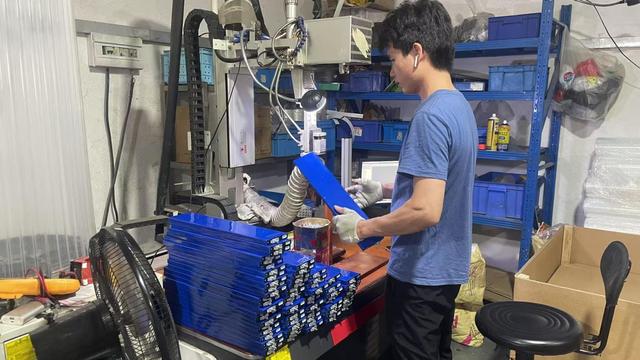
We implement 100% automated optical inspection (AOI), laser welding, and grading to select only the tightest capacity-matched cells for marine-grade modules.
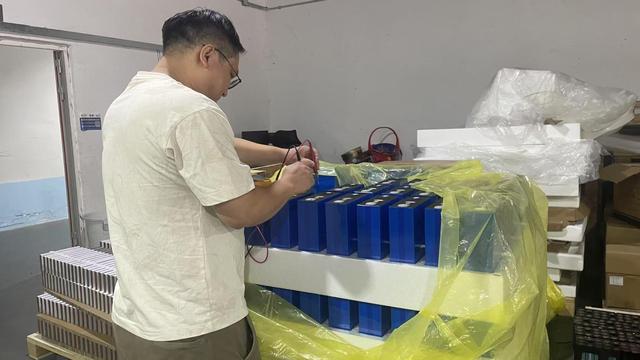
Our testing facilities subject battery systems to vibration, thermal cycling, short-circuit simulations, and strict thermal runaway propagation tests (UL 9540A compliant).
Based in Shenzhen, China's clean energy capital, we enjoy direct access to raw materials and components, insulating clients from market volatility and extended lead times.
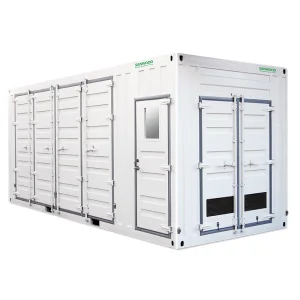
Providing flexible storage options from high-capacity residential battery backups to multi-megawatt industrial containers.
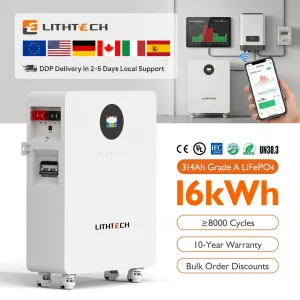
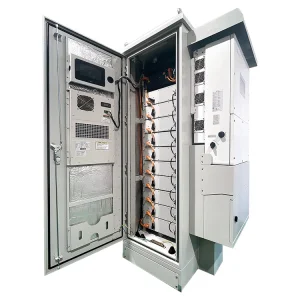
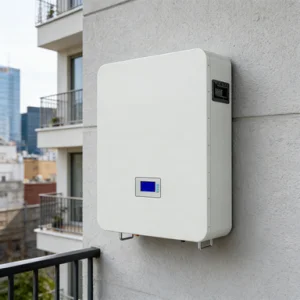
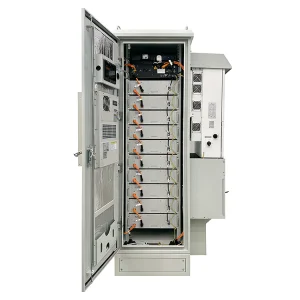
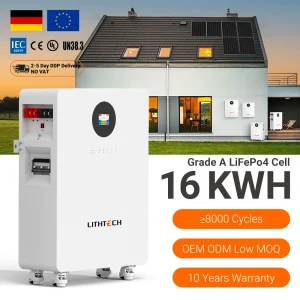
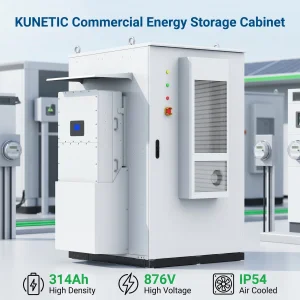
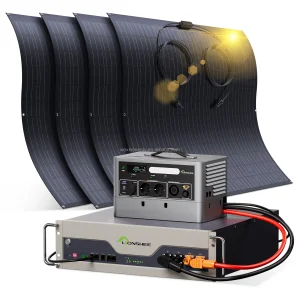
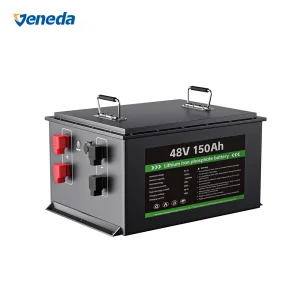
Supporting systems designed for marine communication, light residential applications, and localized balcony setups.
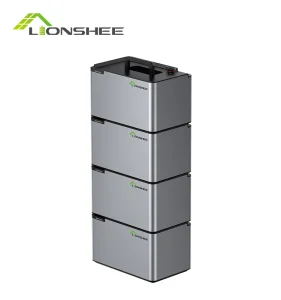
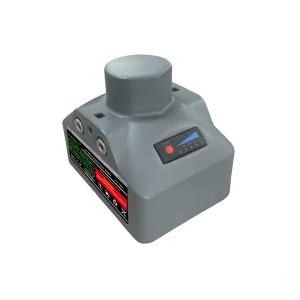
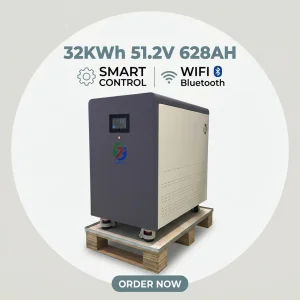
Based in the manufacturing hub of Shenzhen, China, Shenzhen PowerSTN Energy Co., Ltd. specializes in advanced energy storage solutions. PowerSTN bridges the gap between cell manufacturing and integrated system deployment. The company integrates residential, commercial, and utility-grade lithium platforms to offer flexible system compatibility across key global markets, particularly focusing on the rapid marine expansion in South Korea.
From selecting top-tier cell configurations to designing multi-layered battery module envelopes, PowerSTN executes thorough safety evaluations. The manufacturing framework is structured around high quality-control standards, incorporating strict processes at every critical phase:
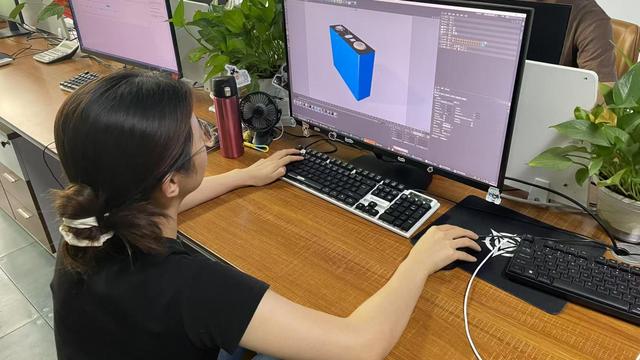
Understanding that vessel designs require custom system footprints, PowerSTN delivers robust OEM and ODM engineering services to system integrators, vessel operators, and naval architecture firms. Our team assists at every tier—from initial CAD modeling of custom enclosure shapes to coordinating protocols between the BMS and different hybrid power control systems (PCS) or Energy Management Systems (EMS).
Through close coordination with local agents and shipping service partners in Korea, we ensure that every delivered storage container, high-voltage rack, and auxiliary marine battery system is backed by clear documentation, remote technical diagnostics, and the engineering compliance necessary to pass classification society inspections.
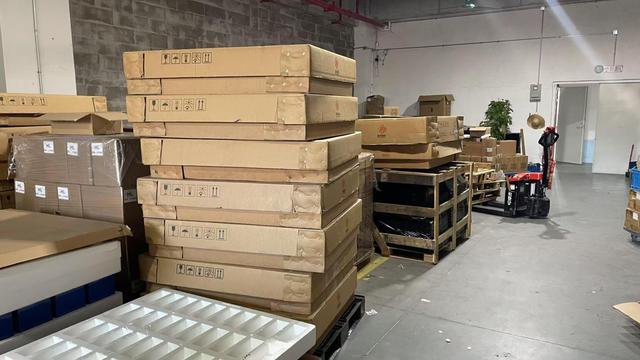
Take a look inside our modern production line, automated module assembly, and high-voltage testing infrastructure.
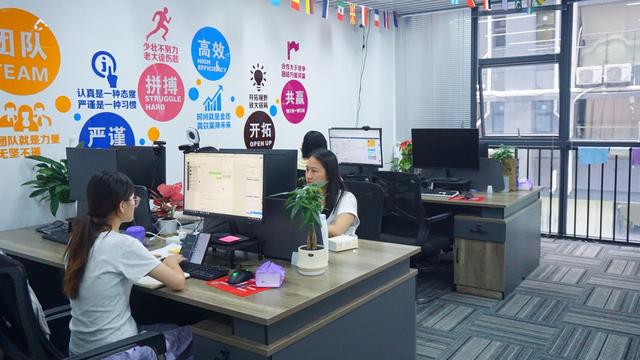
Expert answers on design parameters, Korean regulatory environments, and system deployment.
Contact our engineering team to request customized design models, technical drawings, and price quotes matching Korean Register (KR) regulations.
Send Inquiry Now PowerSTN Energy