Optimized lithium battery configurations customized for commercial waterways, passenger vessels, and eco-friendly tugboats operating in the Seoul metropolitan area.
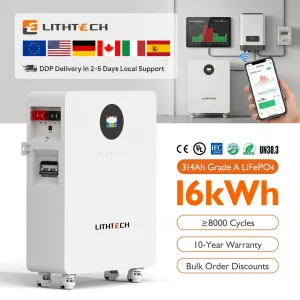
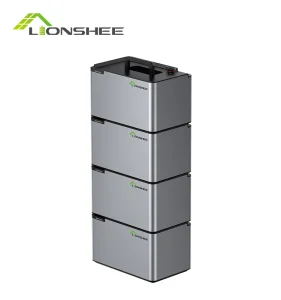
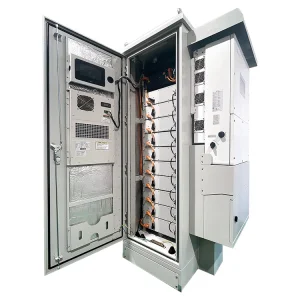
The global shipping sector is undergoing an unprecedented energy transition driven by strict International Maritime Organization (IMO) carbon neutrality mandates and municipal green vessel ordinances. As key global transportation networks seek to eliminate Scope 1 emissions, Marine Energy Storage Systems (MESS) have evolved from auxiliary backups to the primary backbone of modern hybrid and pure-electric vessel propulsion.
Integrating robust LiFePO4 (Lithium Iron Phosphate) chemistry into marine environments demands unparalleled engineering expertise. Unlike land-based storage, marine battery packs must withstand relentless vibrations, extreme thermal shifts, saline humidity, and rigorous marine type-approval standard tests (DNV, Lloyd’s Register, KR, and ClassNK). From containerized energy storage units safeguarding harbor infrastructure to high-voltage battery racks driving hybrid commuter ferries, we manufacture systems designed to deliver maximum energy density, absolute thermal safety, and over 6,000 deep cycles.
Under the revised IMO GHG strategy, global shipping must reach net-zero emissions by or around 2050, with indicative checkpoints demanding at least a 20% to 30% reduction by 2030. In response, shipbuilders, operators, and port authorities are rapidly upgrading fleet specifications to incorporate high-density lithium battery systems. By utilizing hybrid battery-diesel propulsion systems, operators can reduce fuel consumption by up to 35% and completely eliminate idle port emissions.
Download Tech Specification WhitepaperSeoul is pioneering eco-friendly inland waterway transit systems. The Seoul Metropolitan Government's "Great Han River" initiative is actively transforming passenger transportation by introducing all-electric water buses and hybrid sightseeing ferries. These public and commercial vessels are legally required to align with South Korea's "Act on the Promotion of Development and Distribution of Environment-Friendly Vessels," creating an urgent need for certified local marine battery solutions.
As a leading supplier of energy storage technologies, we provide specialized commercial support to shipbuilders, marine system integrators, and port operators throughout the Seoul-Incheon corridor. Marine operations along the Han River require battery packs with exceptional thermal safety, rapid charging capabilities, and tight space envelopes.
Our high-voltage LiFePO4 battery architectures are designed for rapid integration with South Korean marine grid standards. We ensure local compatibility by providing comprehensive engineering documentation to assist in securing Korean Register (KR) type approval. This enables seamless integration into local ship designs and simplifies approval processes with Korean maritime inspectors.
We design and manufacture scalable energy storage architectures to meet the demands of various commercial marine operations.
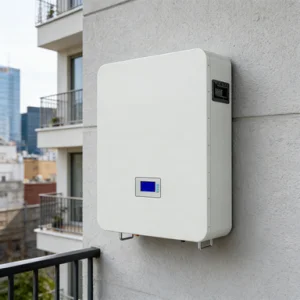
Designed for short-haul passenger ferries and water buses operating on fixed schedules. Features high energy density, liquid cooling for sustained C-rates, and multi-layered protection circuits to ensure safe, daily continuous operations.
View SolutionsIdeal for ocean-going auxiliary vessels and tugboats. The battery system absorbs peak loads ("peak shaving"), allowing diesel generators to run at optimal efficiency, which reduces fuel consumption and engine maintenance intervals.
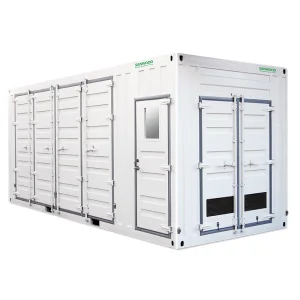
View SolutionsPre-engineered 20ft and 40ft containerized battery systems for harbor cranes, shore-power support, and large commercial vessels. Includes integrated liquid-cooling chillers, aerosol fire suppression, and grid-forming inverters.
View SolutionsReal-world commercial scenarios along South Korea's key waterways that benefit from our high-performance battery systems.
The Seoul Metropolitan Government’s initiative to convert municipal public transit into eco-friendly vessels demands reliable battery technology. Our high-voltage 512V to 800V LFP battery systems fit seamlessly into double-decker ferry hulls. With active liquid cooling and dynamic cell monitoring, these systems support rapid charging during passenger boarding intervals.
Tugboats operating in canal networks require high instant torque. Our hybrid containerized energy storage systems deliver peak discharge rates up to 3C. This allows vessel operators to utilize electric propulsion during docking maneuvers and low-speed transit, significantly reducing local air and noise pollution in dense urban waterways.
South Korea's "Green Ship" framework targets a substantial reduction in particulate matter (PM2.5) and nitrogen oxides (NOx) in metropolitan ports. Integrating our advanced LiFePO4 marine batteries helps fleet owners achieve zero-emission operations in designated green zones. We provide full compliance documentation for local environmental inspections, simplifying certification and approval processes.
As marine energy storage technology advances, our research and development centers are pioneering the integration of semi-solid-state and solid-state lithium chemistry for maritime environments. By replacing volatile liquid organic electrolytes with solid-state conductive layers, we are designing batteries that virtually eliminate the risk of thermal runaway.
This technology transition delivers a significant increase in volumetric energy density, enabling hybrid and all-electric vessels to achieve extended operational ranges without requiring additional space in vessel machinery rooms. In addition, these advanced chemistries feature wider operating temperature ranges, making them ideal for the freezing winter conditions of South Korea's northern inland waterways.
Modern marine operations require more than high-quality battery hardware; they depend on intelligent control systems. Our advanced battery management systems feature cloud connectivity, allowing for real-time monitoring of cell-level performance parameters. Using predictive AI models, we monitor State of Charge (SoC) and State of Health (SoH) to optimize charging cycles and predict maintenance requirements before issues arise.
This digital ecosystem integrates with on-board energy management systems (EMS). This allows the battery packs to coordinate with diesel generators, solar arrays, and thruster controls, maximizing efficiency and minimizing fuel consumption.
Shenzhen PowerSTN Energy Co., Ltd. is a China-based manufacturer specializing in advanced energy storage battery solutions for residential, commercial, and industrial applications. The company focuses on the development, production, and integration of lithium battery systems designed to support renewable energy utilization, backup power supply, and energy management projects worldwide.
With a commitment to innovation and quality, PowerSTN provides a comprehensive portfolio of energy storage products, including residential energy storage systems, commercial and industrial battery solutions, solar energy storage batteries, off-grid power systems, hybrid energy storage platforms, and containerized battery energy storage systems. These solutions are engineered to help customers improve energy efficiency, enhance grid stability, and maximize the value of renewable energy investments.
The company operates modern manufacturing facilities equipped with advanced production technologies and strict quality control procedures. From battery cell selection and battery pack assembly to system integration and performance testing, every stage of production is managed to ensure reliability, safety, and long-term operational performance.
PowerSTN serves customers across multiple industries, including renewable energy, telecommunications, data centers, utilities, manufacturing, commercial facilities, and infrastructure projects. Its engineering team works closely with clients to deliver customized energy storage solutions tailored to specific project requirements and operational environments.
In addition to manufacturing capabilities, Shenzhen PowerSTN Energy Co., Ltd. offers OEM and ODM services for global brands, distributors, system integrators, and energy solution providers. By combining technical expertise, flexible production capacity, and customer-focused support, the company aims to be a trusted partner for organizations seeking reliable and scalable energy storage technologies in the rapidly evolving global energy market.
Our manufacturing and quality control standards align with international marine classification criteria. We ensure that our battery solutions satisfy the complex certification processes required for commercial shipping and public transport projects in South Korea. By choosing PowerSTN, you gain access to high-quality cell manufacturing, custom structural integration, and responsive technical support.
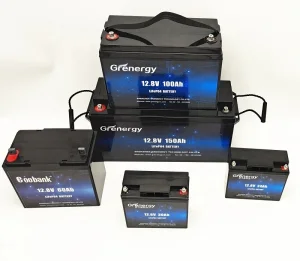
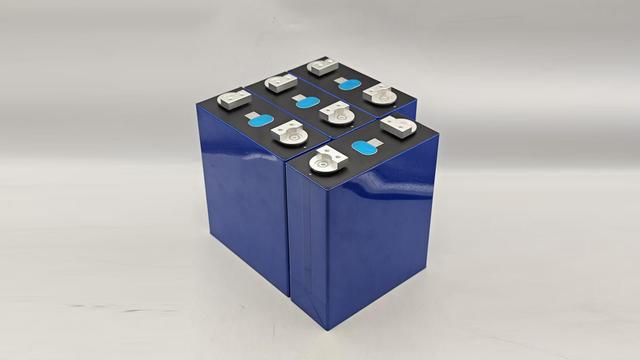
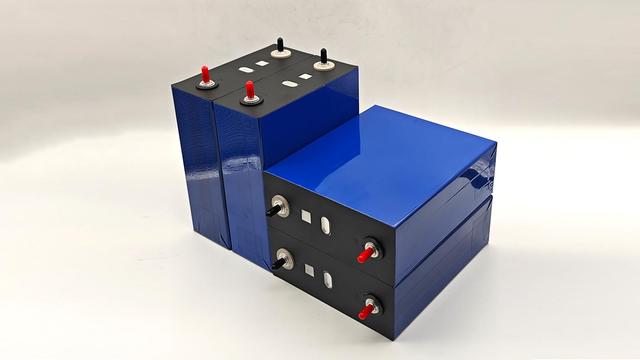
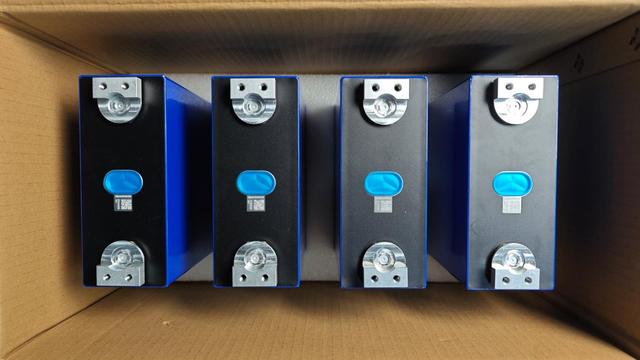
Our complete range of deep-cycle marine lithium battery modules, high-voltage systems, and marine heating units designed for Seoul and global maritime projects.
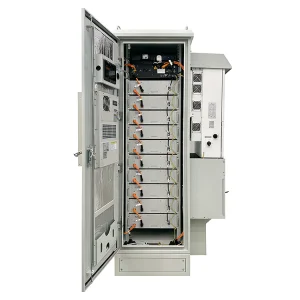
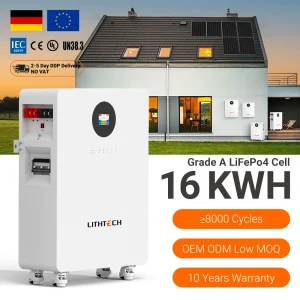
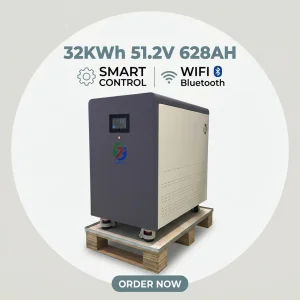
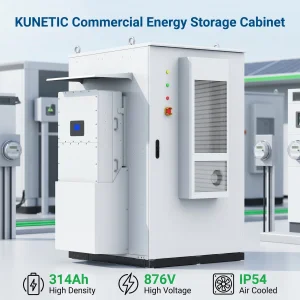
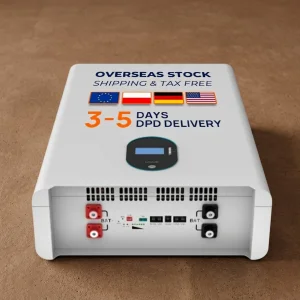
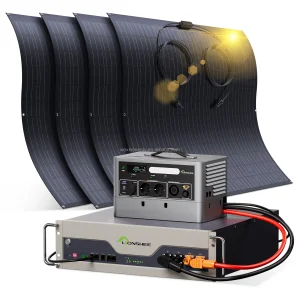
Flexible power units designed to keep on-board electronics, navigation networks, and communication systems operational under demanding conditions.
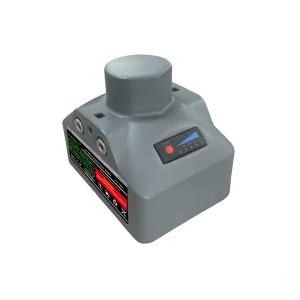
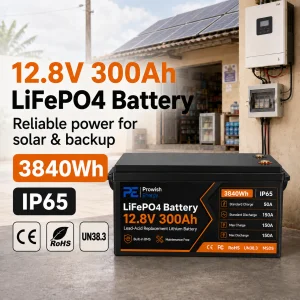
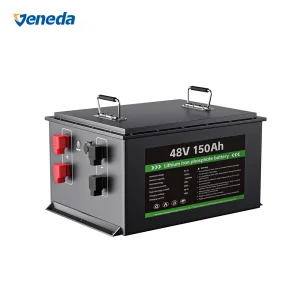
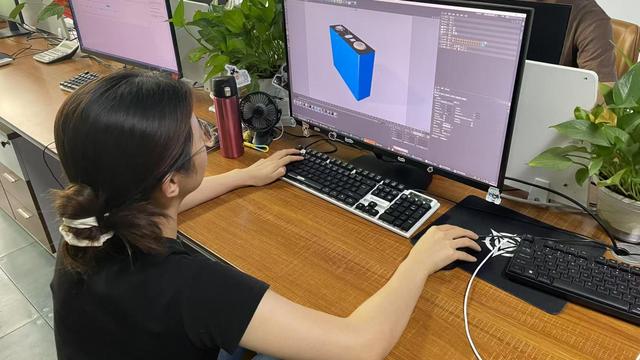
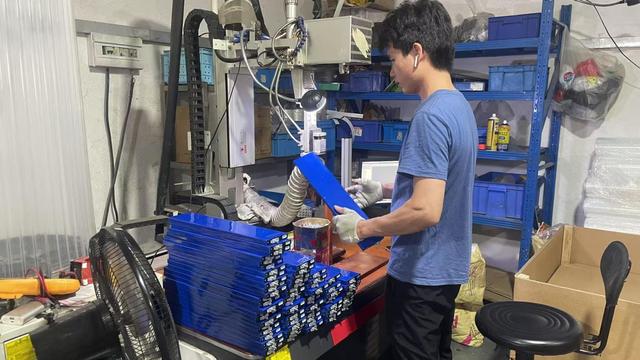
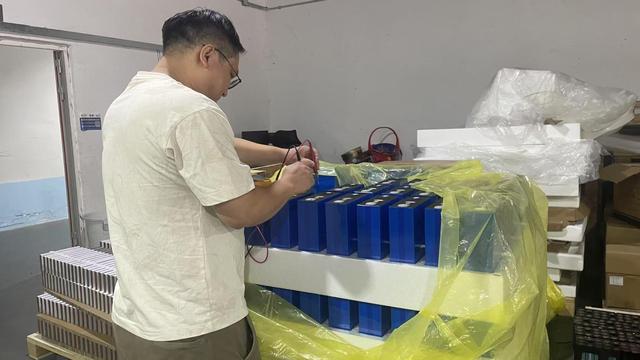
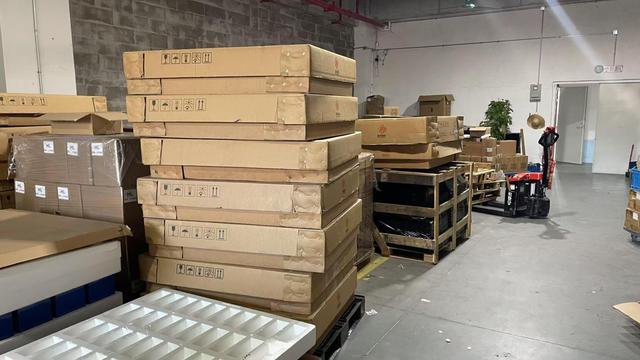
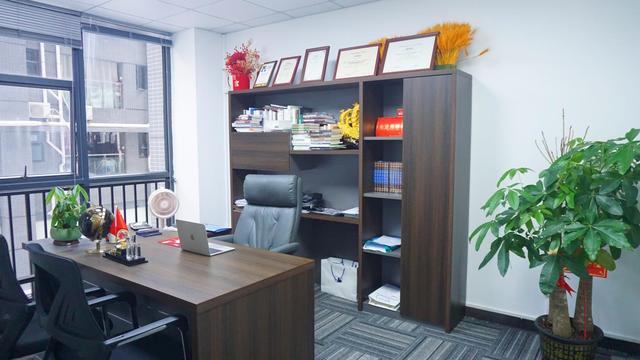
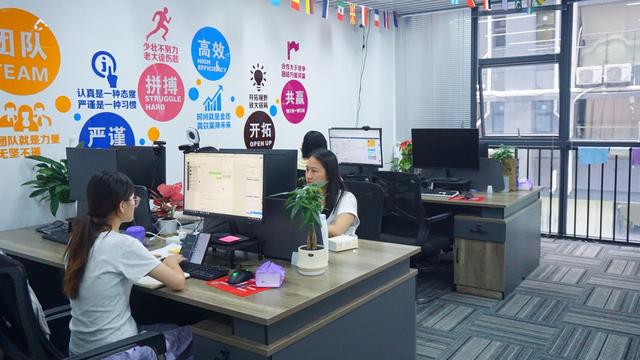
Explore our production and assembly capabilities, where high-grade cells are integrated into durable commercial-grade energy storage systems.
Essential technical and regulatory information for vessel operators, marine architects, and port authority engineers.
Marine energy storage systems must withstand harsh operational conditions, including constant vibrations, saline air, and mechanical impacts. They require high protection ratings (minimum IP65/IP67) and advanced thermal management to prevent thermal runaway propagation. In addition, marine batteries must satisfy strict type-approval certifications from classification societies such as the Korean Register (KR) or DNV.
Yes. Our engineering team designs battery systems to align with South Korean marine electrification goals, including the "Act on the Promotion of Development and Distribution of Environment-Friendly Vessels." We supply comprehensive test logs, cell safety reports, and BMS communication maps to support KR (Korean Register) type-approval processes at local shipyards.
LiFePO4 offers superior safety, long cycle life, and thermal stability compared to NMC chemistry. LFP has a higher thermal runaway threshold and does not release oxygen during a thermal event, reducing the risk of fire propagation on-board. It also provides over 6,000 charge cycles, delivering a lower total cost of ownership (TCO) for commercial vessels.
Our advanced Marine Battery Management System (BMS) offers multi-tiered protection. It monitors cell voltages, internal temperatures, and insulation resistance in real time. Features include redundant CAN-bus communication to interface with on-board energy management networks and automatic contactor disconnection to protect against over-current, over-charge, or short circuits.
Yes, we provide comprehensive OEM/ODM services. Our engineering team designs custom structural enclosures to optimize the available space within vessel engine compartments, ensuring compliance with stability and weight distribution requirements.
Lead times vary depending on capacity and engineering complexity. Typical fabrication and verification processes take between 8 to 12 weeks. This includes battery assembly, BMS integration, thermal test validation, and final certification documentation.
 PowerSTN Energy