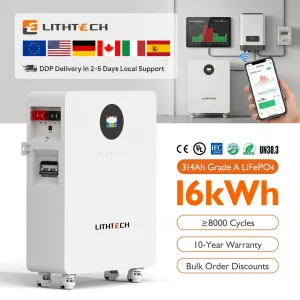
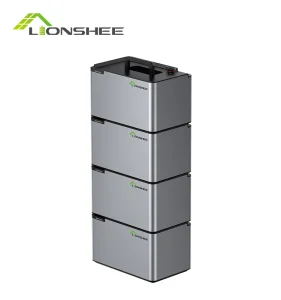
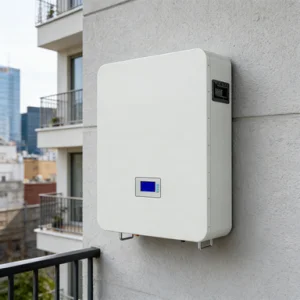
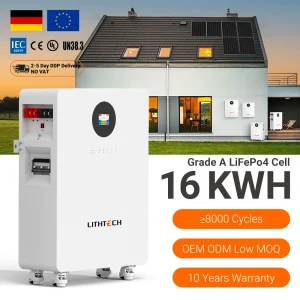
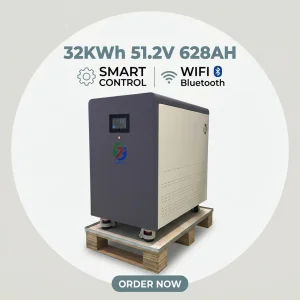
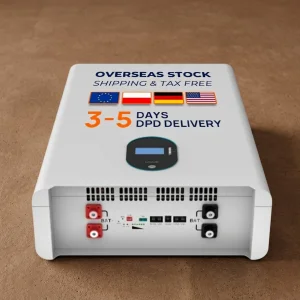
High-voltage systems engineered for heavy auxiliary vessel demand, waterproof operation, and containerized shoreside buffer integration in London.
The River Thames serves as the historic and modern lifeblood of London's logistics, tourism, and industrial activities. Under the progressive mandates issued by the Port of London Authority (PLA) and the Mayor of London's Net-Zero 2030 strategy, the maritime sector is experiencing an unprecedented structural pivot towards decarbonization. Traditional internal combustion propulsion systems utilizing marine diesel are facing intense regulatory pressures, forcing vessel operators to integrate high-efficiency Marine Energy Storage Systems (MESS).
London's strict Ultra Low Emission Zone (ULEZ) boundaries do not stop at the riverbank. Regulatory frameworks governing small passenger vessels, hybrid sightseeing clippers, tugs, and workboats are pushing for zero-emission operations near central London docks. Implementing marine battery packs is no longer just an environmental milestone but a legal and commercial imperative. By establishing localized marine energy grids, vessel operators can eliminate particulate emissions, mitigate heavy noise pollution, and access restricted low-carbon waterways.
Under the hood of safe, robust, and highly certified marine battery engineering designed for marine environmental hazards.
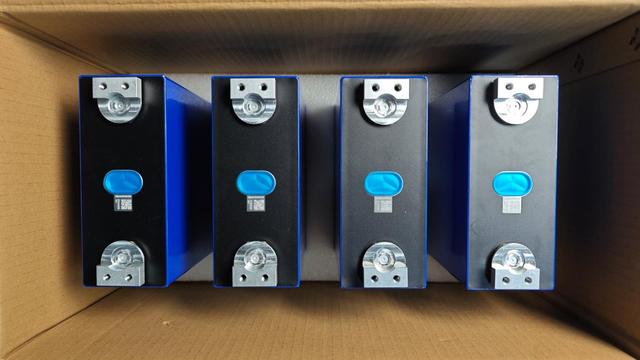
Marine environments impose extreme stresses on energy storage technologies, including high relative humidity, constant mechanical vibration, salinity, and limited ventilation options in vessel hulls. To ensure high reliability, we utilize Lithium Iron Phosphate (LiFePO4) chemistry. This crystalline structure provides superior thermal stability, mitigating runaway scenarios up to 270°C, compared to traditional Nickel Manganese Cobalt (NMC) cells which run away at lower thresholds. The high chemical safety profile of LiFePO4 cells represents the baseline requirement for UK MCA Class approvals.
A central design component of our Marine Energy Storage Systems is the multi-layered Battery Management System (BMS). The system employs active cell balancing, monitoring temperature, voltage, and internal resistance at the cell level. The master BMS interfaces directly with ship management control platforms using robust CAN bus and Modbus TCP protocols. Real-time diagnostic algorithms output state-of-charge (SoC) and state-of-health (SoH) metrics to onboard cockpits, offering structural redundancy and preventive warning logs to prevent sudden power failure on busy riverways.
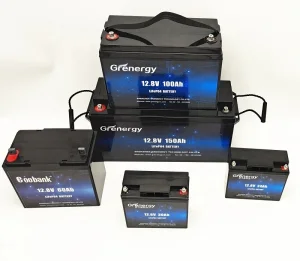
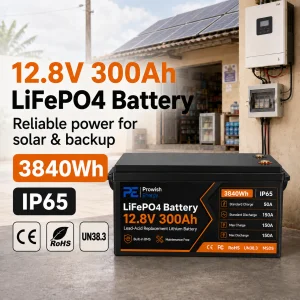
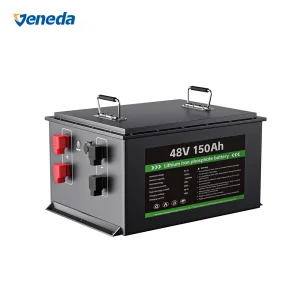
Compact battery units optimized for custom hybrid retrofits, marine auxiliary rooms, and light vessel peak shaving.
How local infrastructure projects translate from international green shipping corridors to metropolitan marine operations.
Globally, the maritime electrification wave is expanding from Nordic car ferries to main global shipping hubs. The International Maritime Organization (IMO) has targeted greenhouse gas reductions of at least 50% by 2050 compared to 2008 baselines. In practice, this requires massive integration of battery power systems, both on board and at the pier. When vessels transition from open-sea cruising to port entry, auxiliary hybrid batteries enable zero-emission maneuvering, preventing port city smog and preserving local urban air quality indexes.
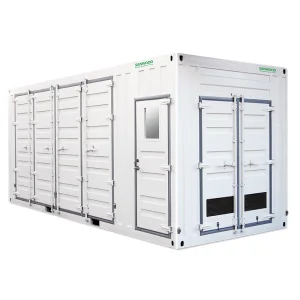
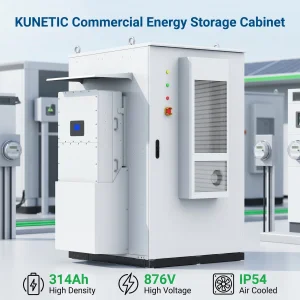
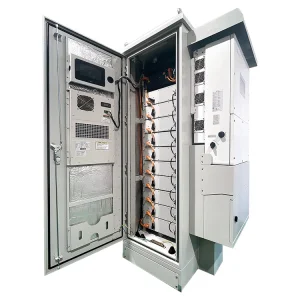
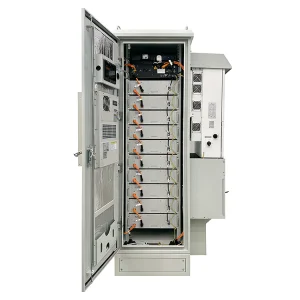
For London's specific environment, spatial density along the Thames means that port microgrids must handle massive electrical peaks when vessels charge. The grid cannot always support multi-megawatt rapid chargers directly. Thus, containerized land-based battery storage systems (BESS) acting as energy buffers are crucial. In the Port of London and associated cargo terminals like the Port of Tilbury, our high-voltage containers store energy during off-peak periods and discharge quickly to charging vessels, buffering the metropolitan grid and avoiding high utility peak surcharges.
Tailoring energy storage architectures to specific waterway demands across the UK capital.
Commuter networks crossing from Westminster to Canary Wharf require high-cycle reliability due to fast turnaround schedules. Battery chemistry must endure rapid C-rate charge and discharge cycles throughout the day without accelerating grid-to-cell degradation. Our high-voltage LFP rack designs provide the thermal and cycling longevity needed for consistent daily operations.
Heavy operations like towing and dredging demand high immediate torque. Hybrid power trains utilizing large battery packs provide instant power to diesel-electric systems. This reduces engine runtime, saves fuel, and minimizes transient load-change smoke emissions, which are heavily regulated in the London Clean Air zones.
London's network of canals, including Regent's Canal and the Grand Union Canal, is home to a large fleet of residential and commercial narrowboats. Stricter emissions policies inside the city limit the running of onboard generators. Stackable energy storage options provide silent, long-lasting power storage, allowing boaters to access clean power overnight without noise or carbon emissions.
Shoreside charging demands high output capacities that can strain local substations. Deploying containerized battery units alongside marine charging stations helps buffer the grid. This supports peak-shaving operations and ensures high-power charging is available to electric vessels without upgrading local utility networks.
Safety engineering is verified by third-party certifications and maritime class compliance standards.
Entering the UK maritime market requires strict adherence to safety standards. Our Marine Energy Storage Systems are engineered to meet the requirements of the UK Maritime and Coastguard Agency (MCA). We focus particularly on MGN 587 (F) and equivalent international class notations from DNV, Lloyd's Register (LR), and Bureau Veritas (BV). This involves rigorous testing against thermal runaway risks, including cell isolation barriers, passive thermal management, and rapid gas venting paths to prevent fire spread.
Additionally, electrical systems require high degrees of galvanic isolation to protect vessel distribution networks from short circuits and ground faults. Enclosures are designed with marine-grade materials, utilizing IP65 and IP67 powder-coated steel or aluminum shells. These structures withstand saltwater exposure and high humidity while protecting internal cells from external corrosion, vibration, and mechanical impact.
Leading the development of high energy density solid-state chemistries and intelligent predictive battery diagnostics.
The roadmap for marine energy storage points toward higher energy density, increased safety, and intelligent management. Standard liquid-electrolyte lithium cells are being optimized to their physical limits. The next generation of systems will utilize solid-state electrolyte chemistries. By replacing volatile organic liquid solvents with solid ceramic or polymer layers, we can virtually eliminate the risk of dendrite growth and subsequent short circuits, paving the way for safer, higher-density configurations.
On the software side, modern vessels are integrating AI-driven BMS platforms. These cloud-connected management tools collect real-time data to create digital twins of the batteries. This enables predictive maintenance, forecasting cell degradation and identifying potential faults before they impact ship operations. By using these insights to optimize charging profiles based on vessel routes and tide cycles, operators can maximize battery lifespan and minimize operating costs.
Shenzhen PowerSTN Energy Co., Ltd. is a China-based manufacturer specializing in advanced energy storage battery solutions for residential, commercial, and industrial applications. The company focuses on the development, production, and integration of lithium battery systems designed to support renewable energy utilization, backup power supply, and energy management projects worldwide.
With a commitment to innovation and quality, PowerSTN provides a comprehensive portfolio of energy storage products, including residential energy storage systems, commercial and industrial battery solutions, solar energy storage batteries, off-grid power systems, hybrid energy storage platforms, and containerized battery energy storage systems. These solutions are engineered to help customers improve energy efficiency, enhance grid stability, and maximize the value of renewable energy investments.
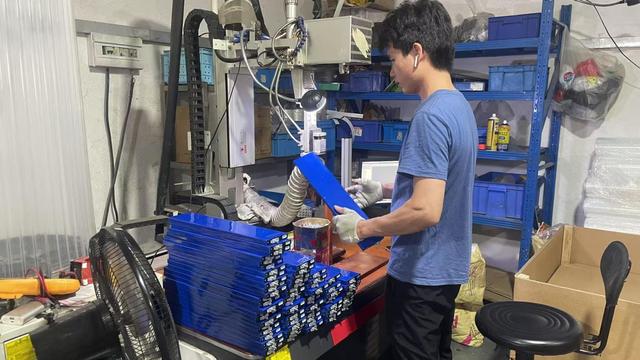
The company operates modern manufacturing facilities equipped with advanced production technologies and strict quality control procedures. From battery cell selection and battery pack assembly to system integration and performance testing, every stage of production is managed to ensure reliability, safety, and long-term operational performance.
PowerSTN serves customers across multiple industries, including renewable energy, telecommunications, data centers, utilities, manufacturing, commercial facilities, and infrastructure projects. Its engineering team works closely with clients to deliver customized energy storage solutions tailored to specific project requirements and operational environments.
In addition to manufacturing capabilities, Shenzhen PowerSTN Energy Co., Ltd. offers OEM and ODM services for global brands, distributors, system integrators, and energy solution providers. By combining technical expertise, flexible production capacity, and customer-focused support, the company aims to be a trusted partner for organizations seeking reliable and scalable energy storage technologies in the rapidly evolving global energy market.

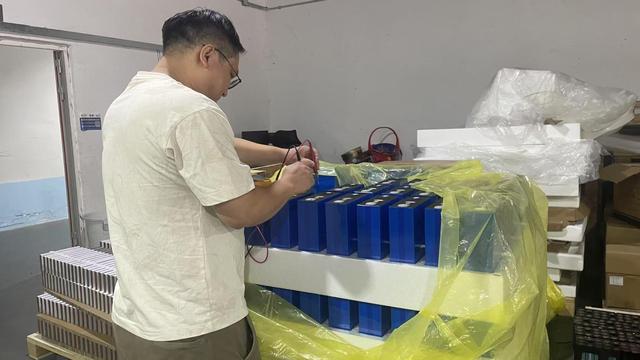
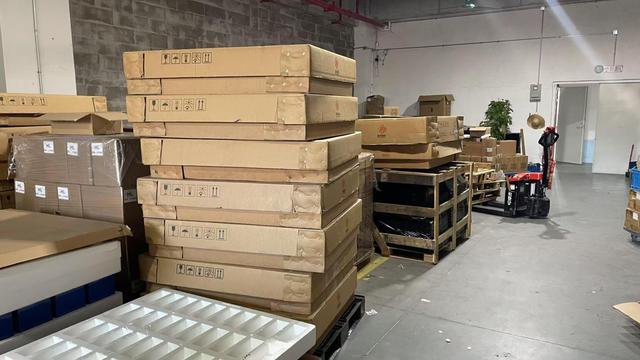
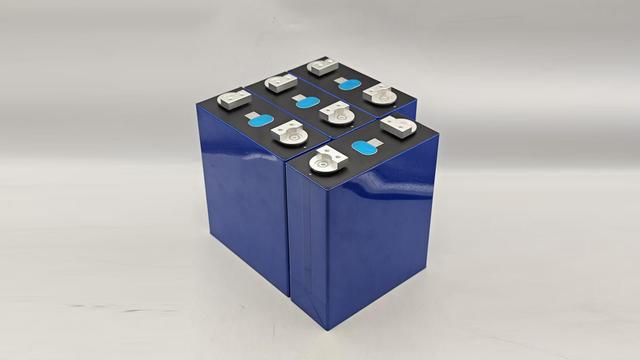
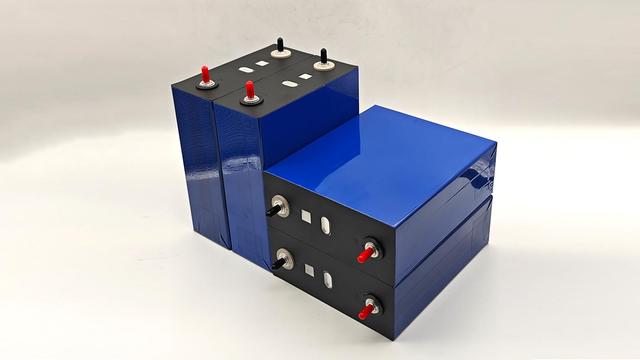


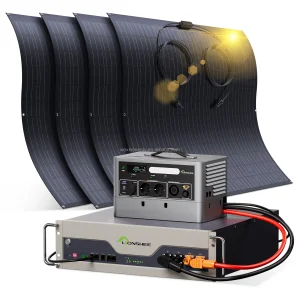
Explore our complete range of certified power walls, residential storage, portable units, and modular setups suitable for UK marine conversion projects.

Answers to critical safety, regulatory, and engineering questions regarding marine battery integration in the UK capital.
The Maritime and Coastguard Agency (MCA) regulates lithium-ion battery installations primarily under MGN 587 (F). This guideline requires thorough risk assessments covering thermal runaway mitigation, containment, gas venting, and battery management integration. Systems must include independent over-temperature and over-voltage shutoffs, along with fire detection and suppression equipment suitable for lithium fires.
Lithium Iron Phosphate (LiFePO4) offers superior safety compared to Nickel Manganese Cobalt (NMC). LiFePO4 features a higher thermal runaway threshold (around 270°C vs 150°C for NMC) and does not release oxygen during thermal events, making containment simpler. It also provides a longer cycle life (often exceeding 6,000 cycles at 80% Depth of Discharge), offering lower total cost of ownership for commercial marine fleets.
Fast charging for large vessels can create high power demands that exceed grid capacity. To manage this, shoreside energy storage systems (ESS) are used as buffers. They charge slowly from the grid during low-demand periods and discharge quickly to the vessel during charging. This helps prevent voltage drops on the local grid and avoids high peak demand charges.
Our Marine BMS monitors individual cell voltage, module temperature, system current, State of Charge (SoC), State of Health (SoH), and isolation resistance. The system communicates via CAN bus or Modbus TCP to integrate with vessel automation systems, providing automatic protection and alarm triggers to maintain battery safety.
 PowerSTN Energy