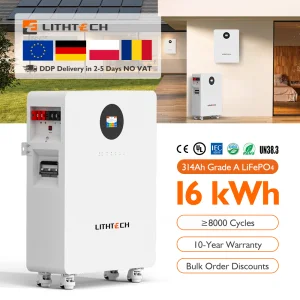
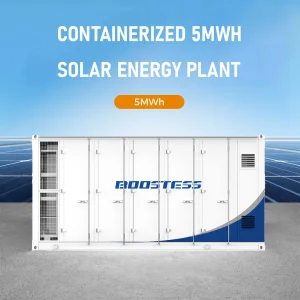
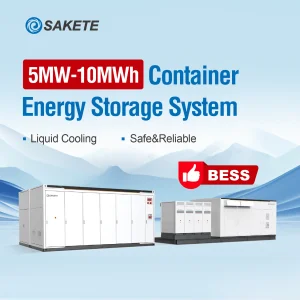
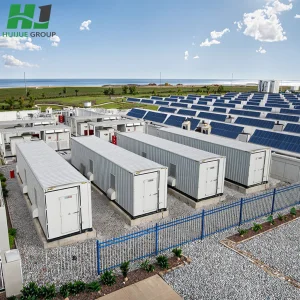
Egypt is currently navigating a profound energy transition. Under the Integrated Sustainable Energy Strategy (ISES) 2035, the Egyptian government targets sourcing 42% of its domestic electricity generation from renewable sources. Historically reliant on thermal power generation, the nation faces escalating solar irradiance yields, making it an ideal geographic incubator for large-scale solar arrays and localized microgrids. However, integrating massive quantities of variable renewable energy (VRE) threatens grid stability, causing voltage fluctuations and frequency drops. This is where advanced Microgrid Energy Storage Solutions (BESS) act as the critical structural buffer.
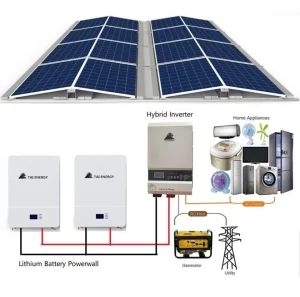
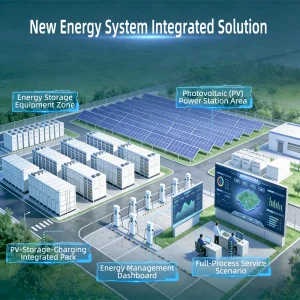
Egyptian commercial and industrial (C&I) sectors—especially those in key economic hubs such as the Suez Canal Economic Zone (SCZONE), 6th of October City, and the Tenth of Ramadan City—frequently suffer from high demand charges and utility power cuts. Industrial factories, logistics centers, and agricultural irrigation grids in the Western Desert are rapidly transitioning away from expensive, high-emission diesel generators to hybrid solar-plus-storage microgrids. By deploying local lithium iron phosphate (LiFePO4) storage capacity, Egyptian businesses can peak-shave electricity demands, secure uninterrupted backup power, and optimize their levelized cost of energy (LCOE).
Globally, the utility and commercial energy storage market has shifted definitively toward Lithium Iron Phosphate (LiFePO4) chemistry. LFP offers superior thermal stability, a longer cycle life (often exceeding 6,000 to 8,000 cycles at 80% Depth of Discharge), and avoids the ethical and safety complications of cobalt-based chemistries. Additionally, the industry has evolved from traditional air-cooling systems to advanced liquid-cooling architectures.
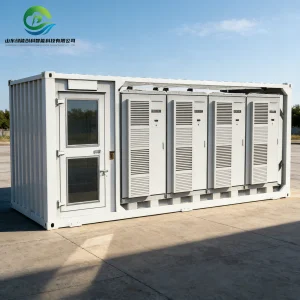
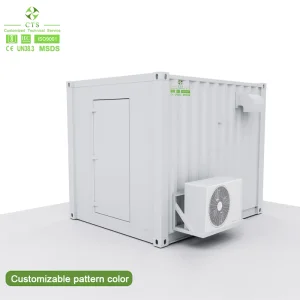
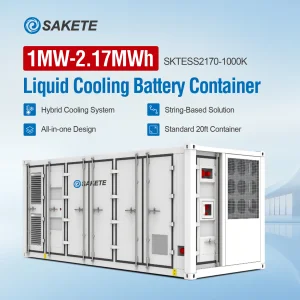
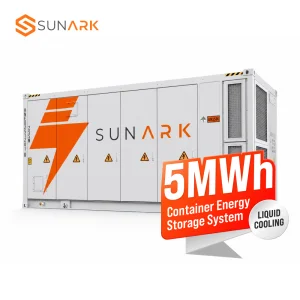
Liquid cooling provides a 20-30% improvement in temperature uniformity across cells, directly extending battery lifespan and reducing auxiliary energy consumption. System integration is now highly modular, with manufacturers packing up to 5MWh of energy storage into standard 20ft or 40ft shipping containers. These systems are managed by complex, multi-tiered Energy Management Systems (EMS) and Power Conversion Systems (PCS) capable of microsecond response times for frequency regulation and seamless transitions between grid-tied and islanded modes.
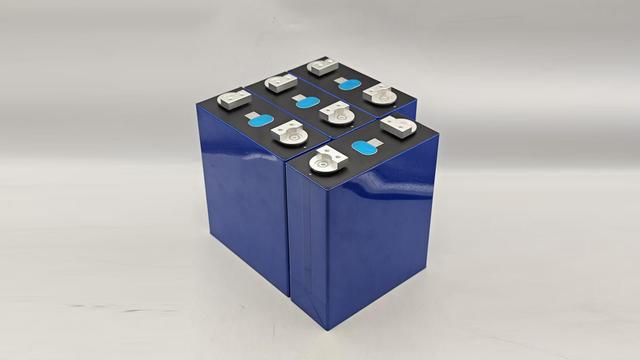
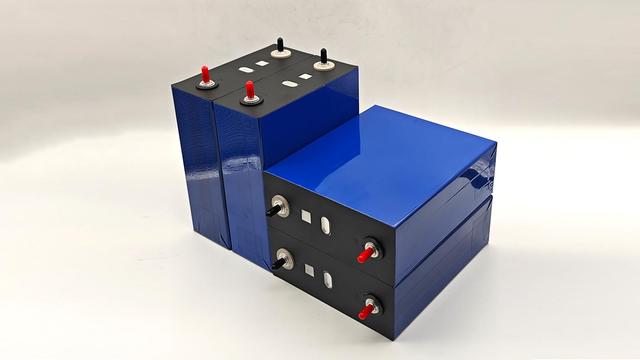
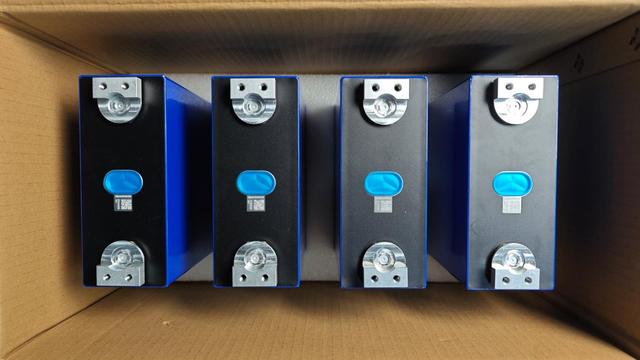
A reliable microgrid storage system is not merely a collection of lithium batteries; it is a highly engineered ecosystem. It begins with high-grade, high-capacity A-grade cells (such as 280Ah or 314Ah cells) configured in high-voltage series strings (ranging from 400V to 1500V DC). High-voltage configurations minimize transmission losses and allow for more compact inverter footprints. The system is governed by a three-tier Battery Management System (BMS):
Thermal management is particularly critical in Egypt, where ambient summer temperatures routinely exceed 45°C. Air-cooled systems can experience localized hot spots within the racks, accelerating degradation on specific cells and rendering the entire string unbalanced. Liquid-cooled containers pump a glycol-water mixture through cooling plates running between cells, maintaining a temperature variance of less than 3°C throughout the container, mitigating the risk of thermal runaway and maintaining high battery performance.
For global engineering, procurement, and construction (EPC) firms and industrial energy end-users in Egypt, sourcing microgrid BESS components from China represents a strategic imperative. The Guangdong and Shenzhen regions form the epicenter of the global lithium battery supply chain, controlling over 70% of the refining, component manufacturing, and system integration capacity. This massive scale translates directly into three primary advantages:
1. Cost-Efficiency & Supply Chain Depth: From raw cathode materials to advanced semiconductors for BMS boards, every component of the battery energy storage system is fabricated within a tight geographic radius. This minimizes logistics expenses and bottlenecks, yielding capital expenditure (CAPEX) reductions of up to 40% compared to systems integrated in North America or Western Europe.
2. Rapid R&D and Customization (OEM/ODM): Chinese manufacturers have pioneered modular, plug-and-play container designs. Projects in Egypt requiring bespoke configurations—such as containerized systems that must withstand desert dust, high ambient heat, or marine salt mist—can be rapidly customized at the engineering phase with certified IP54 or IP65 enclosures and multi-agent fire suppression protocols.
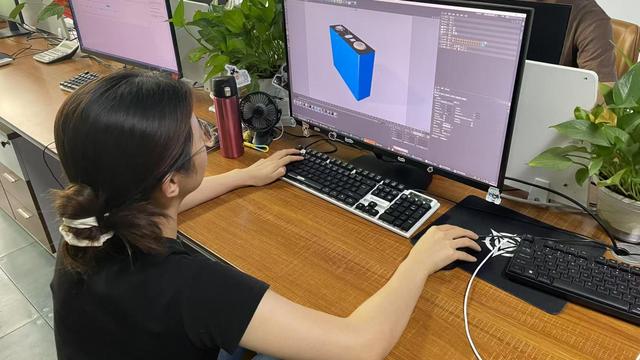
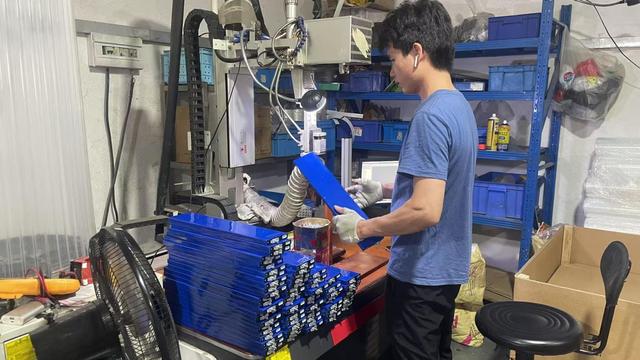
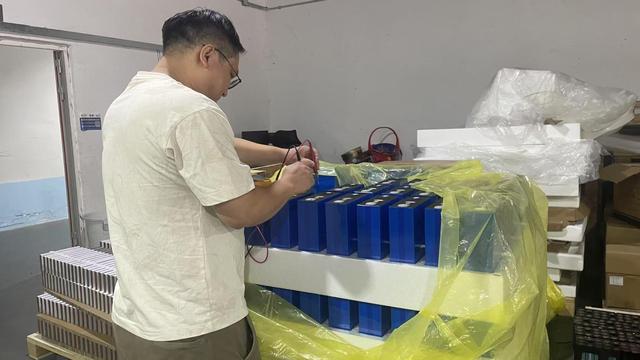
3. Advanced Automation and Testing Standards: Modern manufacturing facilities utilize fully automated cell sorting, laser welding, and high-precision module assembly lines. Every completed BESS container undergoes exhaustive multi-cycle testing under simulated thermal and load stress before leaving the factory. This guarantees that when the equipment arrives in Alexandria or Port Said, it is fully calibrated and ready for commissioning.
By partnering with a China-based technology leader like Shenzhen PowerSTN Energy Co., Ltd., global projects gain access to top-tier engineering expertise, global certifications (including CE, UN38.3, IEC 62619, and UL 9540A), and robust product warranties that satisfy project financiers and local utilities.
Shenzhen PowerSTN Energy Co., Ltd. is a China-based manufacturer specializing in advanced energy storage battery solutions for residential, commercial, and industrial applications. The company focuses on the development, production, and integration of lithium battery systems designed to support renewable energy utilization, backup power supply, and energy management projects worldwide.
With a commitment to innovation and quality, PowerSTN provides a comprehensive portfolio of energy storage products, including residential energy storage systems, commercial and industrial battery solutions, solar energy storage batteries, off-grid power systems, hybrid energy storage platforms, and containerized battery energy storage systems. These solutions are engineered to help customers improve energy efficiency, enhance grid stability, and maximize the value of renewable energy investments.
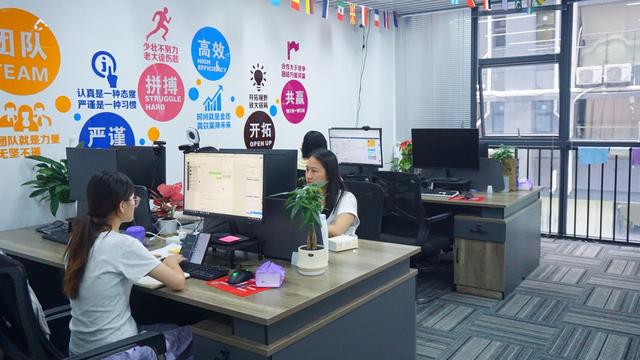
The company operates modern manufacturing facilities equipped with advanced production technologies and strict quality control procedures. From battery cell selection and battery pack assembly to system integration and performance testing, every stage of production is managed to ensure reliability, safety, and long-term operational performance.
PowerSTN serves customers across multiple industries, including renewable energy, telecommunications, data centers, utilities, manufacturing, commercial facilities, and infrastructure projects. Its engineering team works closely with clients to deliver customized energy storage solutions tailored to specific project requirements and operational environments.
In addition to manufacturing capabilities, Shenzhen PowerSTN Energy Co., Ltd. offers OEM and ODM services for global brands, distributors, system integrators, and energy solution providers. By combining technical expertise, flexible production capacity, and customer-focused support, the company aims to be a trusted partner for organizations seeking reliable and scalable energy storage technologies in the rapidly evolving global energy market.
The Suez Canal Economic Zone handles massive maritime traffic requiring continuous cold storage and heavy crane operations. Containerized BESS installations provide rapid power support during grid frequency drops, ensuring that refrigerated cargo facilities maintain absolute climate control without relying exclusively on backup diesel generators.
In rural farming projects across the Western Desert and Toshka, grid extension is cost-prohibitive. High-voltage LFP storage coupled with solar PV arrays powers deep-well water pumps. The storage system captures peak daylight energy and delivers stable, regulated power overnight, eliminating fuel transport costs.
Luxury eco-tourism destinations in Hurghada and Marsa Alam demand zero noise pollution and minimal carbon footprints. Hybrid solar-plus-storage microgrids replace dirty diesel units, delivering clean, reliable 24/7 power to HVAC systems, pools, and desalination plants while preserving the local ecosystem.
When sourcing utility-scale BESS and microgrid components from China for deployment in Egypt or other emerging markets, global procurement teams must follow a rigorous qualification process. Key parameters to monitor during the RFQ (Request for Quote) phase include:
Shenzhen PowerSTN Energy Co., Ltd. addresses all these key requirements, offering certified containerized systems equipped with liquid cooling, dual-chamber fire containment, and integrated, cloud-compatible Energy Management Systems to ensure smooth project approval and long-term operating profit.
Get in touch with our system integration engineers to receive a customized technical proposal and quotation for your commercial, industrial, or utility-scale project.
 PowerSTN Energy