PowerSTN Energy
Cold-climate LiFePO4 battery systems, hybrid solar storage, stackable home batteries, commercial BESS and containerized microgrid solutions for Siberian distributors, EPCs, industrial buyers and energy solution providers.
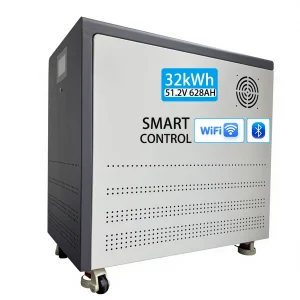
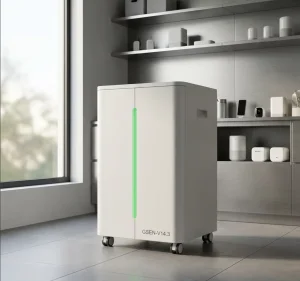
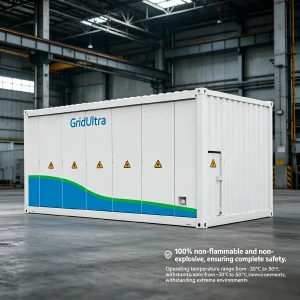
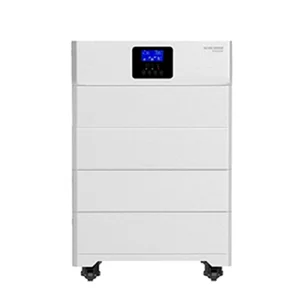
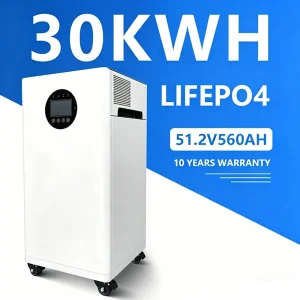
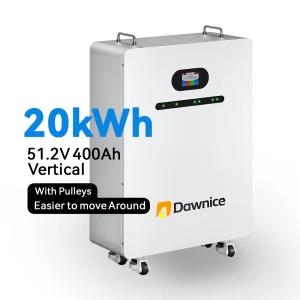
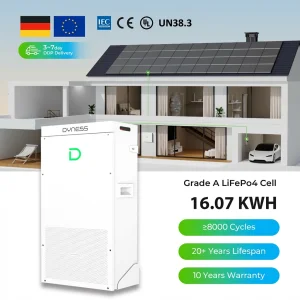
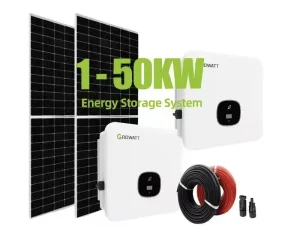
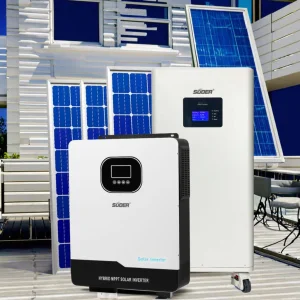
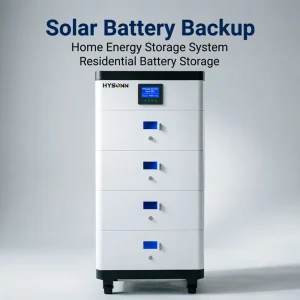
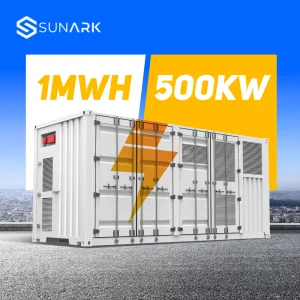
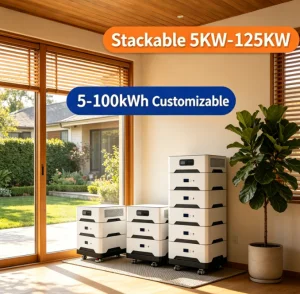
Send Inquiry Now Explore Product PortfolioStart with four proven factory-direct building blocks: whole-home hybrid solar systems, stackable inverter-integrated batteries, OEM BESS containers and high-voltage split ESS architectures. Product names, images and original URLs are retained for direct technical review.
This guide is written for buyers who need more than a battery price list: distributors qualifying a factory, EPC contractors designing a cold-climate microgrid, industrial owners replacing diesel, and procurement teams comparing technical evidence.
A reliable off-grid energy storage systems factory should control cell selection, pack assembly, BMS configuration, inverter integration, enclosure design, testing and documentation. For Novosibirsk, the relevant question is not simply “who sells LiFePO4 batteries?” but “who can supply a repeatable, serviceable system for low-temperature operation, long transport routes and high winter demand?”
Novosibirsk’s continental climate demands attention to thermal management, anti-condensation, BMS low-temperature charging limits, enclosure insulation, heating options and service access. A battery that performs well in a laboratory at 25°C is not automatically suitable for an off-grid site in Siberia. The factory should provide transparent temperature derating data, charging cut-off logic and commissioning guidance.
Ask for cell specifications, cycle-life test conditions, BMS communication protocol, inverter compatibility list, UN38.3 transport documents, MSDS, IEC 62619 / IEC 63056 evidence where applicable, protection ratings, and a clear warranty matrix. For industrial projects, request factory test reports and a single-line diagram review before shipment.
Global buyers increasingly prefer suppliers that can support both product supply and project integration. A manufacturer with OEM/ODM capability can align voltage, capacity, communication, enclosure, branding and packaging with local market requirements. This is especially valuable in Novosibirsk, where importers and EPCs often need a flexible partner rather than a fixed retail catalogue.
Novosibirsk is one of Siberia’s most important scientific, industrial and logistics centres. Its role as an urban hub, combined with remote industrial activity across the wider region, creates a practical market for resilient storage systems that can operate beyond the limits of simple residential backup.
Homes, clinics, retail chains, data rooms and service businesses require uninterrupted power for controls, communications and critical operations. Stackable low-voltage and high-voltage ESS platforms can support backup, solar self-consumption and demand management in urban buildings where space and installation time are constrained.
Construction camps, telecom sites, warehouses, agro-processing facilities, mining support operations and utility-edge locations often face weak-grid or off-grid conditions. Containerized BESS and commercial solar systems reduce diesel dependence while improving power quality and remote monitoring.
Novosibirsk functions as a commercial and transport node for surrounding regions. Distributors and EPCs can position standardized battery modules, inverters and spare parts for projects across Siberia, while relying on factory support for engineering, documentation and project-specific configurations.
Long winters increase heating loads and make power interruption more disruptive. ESS design must consider usable capacity at low temperatures, enclosure heating, snow-load protection, ventilation, service access and safe charging behaviour after cold-soak transport.
Where solar irradiation is seasonal, storage becomes the bridge between renewable generation, generator operation and load demand. Hybrid inverters, MPPT controllers and EMS logic can prioritize solar, protect generators from low-load operation and maintain critical loads at night.
For cold and remote sites, safety is not only cell chemistry. It includes arc protection, breaker coordination, thermal barriers, fire detection options, clear labelling, remote diagnostics and a practical service plan. Factory documentation should be understandable to local installers and maintenance teams.
Across Europe, Central Asia and northern markets, procurement teams are moving from generic battery shopping to structured supplier qualification. The most common intent signals are reliability, bankability, certification, cold-weather performance, delivery flexibility and after-sales clarity.
| Buyer Type | Primary Procurement Intent | Factory Evidence Required | Recommended Architecture |
|---|---|---|---|
| Distributors and importers | Repeatable products, stable lead times, local market documentation | OEM/ODM capability, packaging control, spare-parts list, warranty process | Stackable 48V / HV battery modules, hybrid inverter bundles, portable stations |
| EPC contractors | Design support, interface compatibility, commissioning guidance | Single-line review, BMS protocol, inverter compatibility matrix, test reports | Hybrid solar ESS, commercial solar systems, containerized BESS |
| Industrial owners | Diesel reduction, resilience, safety, remote monitoring | Cycle-life evidence, thermal design, protection ratings, EMS integration | 100kWh–1MWh containerized liquid-cooling ESS, microgrid ESS |
| Utilities and infrastructure | Scalability, grid-edge control, long-term serviceability | Quality management, IEC evidence where applicable, project documentation | High-voltage ESS, containerized BESS, CAN/RS485/Modbus communication |
Off-grid storage is not one product category. It is a system层 approach that combines battery capacity, power conversion, thermal design, controls and serviceability. The following solution map helps Novosibirsk buyers align use cases with the right factory platform.
Stackable LiFePO4 batteries, wall-mounted powerwalls and hybrid inverter bundles support homes, cottages and small businesses. For Novosibirsk, insulated battery rooms or heated enclosures may be required depending on installation location.
Commercial solar systems with MPPT controllers and lithium batteries protect cold-chain equipment, IT rooms, security systems and point-of-sale operations. Modular designs allow phased investment and future expansion.
Containerized BESS and liquid-cooling ESS platforms support factories, processing plants and remote industrial sites. They can integrate with diesel generators, solar PV and grid connections to improve stability and reduce fuel consumption.
Telecom towers, environmental monitoring stations and security outposts often need compact, low-maintenance storage. BMS communication, remote alarms and wide-temperature operation are key selection criteria.
Farms, grain facilities, dairy operations and cold-storage sites require reliable power for controls and refrigeration. Hybrid ESS can prioritize solar, manage generator runtime and protect critical loads during grid outages.
Remote camps often use diesel as the primary energy source. Battery storage can reduce generator cycling, capture excess renewable energy and provide spinning-reserve-like support when engineered correctly for the load profile.
These additional systems support buyers who need mobile power, floor-standing vertical batteries, stackable high-capacity modules or UPS-compatible off-grid storage for Novosibirsk and wider Siberian applications.
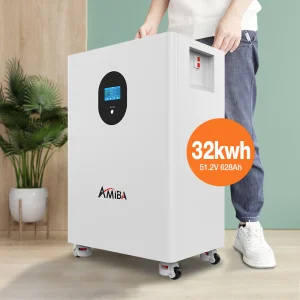
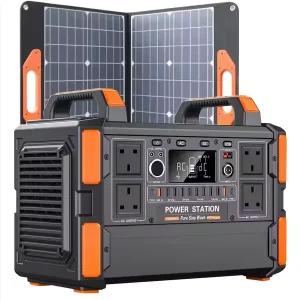
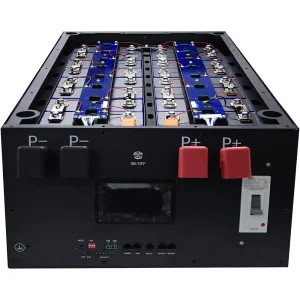
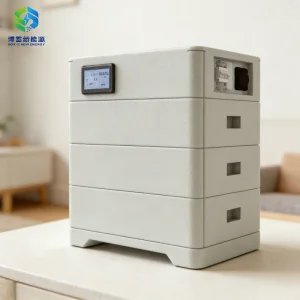
For Novosibirsk and similar high-latitude markets, the next competitive advantages will come from cold-climate engineering, digital serviceability and system-level integration rather than cell capacity alone.
LiFePO4 remains the default chemistry for stationary off-grid storage because of cycle life, thermal stability and cost maturity. Buyers will increasingly request test-condition transparency and certified transport documentation.
High-voltage split ESS architectures will grow in commercial applications, while 48V stackable systems remain attractive for residential and small commercial projects. Modular design supports phased investment and easier service exchange.
Liquid cooling, heated enclosures and intelligent derating logic will become stronger selection criteria in Siberia. Suppliers that provide clear installation boundaries and commissioning checklists will reduce project risk.
Battery systems will be sold with monitoring, alarms, remote firmware support and performance dashboards. For remote sites, digital serviceability can reduce truck rolls and maintenance downtime.
Sodium-ion and other chemistries may create new options for cold-climate and cost-sensitive applications. However, bankability will depend on cycle-life evidence, supply-chain maturity and service infrastructure.
Industrial buyers may increasingly procure storage through performance contracts, leasing or managed microgrid models. Factories will need to support data access, warranty transfer and long-term spare-parts availability.
The global BESS market is expanding from early adopters to mainstream industrial procurement. Demand is being driven by energy security, renewable integration, grid constraints, diesel reduction and the need for resilient operations.
Commercial and industrial buyers are increasingly evaluating storage as an infrastructure asset. They compare cycle life, round-trip efficiency, thermal management, safety features, warranty terms, remote monitoring and service response — not only the price per kWh.
Distributors in northern markets prefer factories that can support local stock, spare parts, branded documentation and installer training. For Novosibirsk, a practical localization strategy may include a regional distributor stocking high-runner modules and inverter accessories.
Standards such as IEC 62619, IEC 63056, UN38.3 transport testing and region-specific certification pathways are becoming normal procurement filters. The exact compliance package depends on the destination, application and project contract.
Industrial buyers look beyond initial capex to include installation, heating, maintenance, downtime, replacement and financing costs. A well-documented factory can improve bankability by reducing technical uncertainty and simplifying warranty administration.
Localization is not simply translating a datasheet. It means preparing the product, documentation and service model for the realities of the destination market. The points below should be verified project by project with local legal, customs and technical consultants.
English and Russian-language user manuals can be prepared where required, together with datasheets, installation checklists, maintenance schedules, MSDS, UN38.3 reports and warranty terms. Product labels should be clear, durable and matched to the final configuration.
For Novosibirsk installations, review enclosure insulation, heater options, ventilation, anti-condensation measures, cable ratings, BMS charging limits and commissioning procedures. The factory should state the operating temperature window and any derating assumptions.
Lithium batteries require correct UN classification, packaging and transport documentation. Rail, road and multimodal routes to Novosibirsk should be planned with qualified logistics partners. Trade compliance and destination regulations must be confirmed before shipment.
Remote commissioning support, installer training, troubleshooting guides and spare-parts recommendations reduce project risk. For industrial BESS, agree on alarm response procedures, firmware update policy and warranty inspection workflow before purchase.
Experience, expertise, authoritativeness and trust are built through transparent manufacturing, technical documentation and long-term customer support. The following factory profile is retained from the original company introduction.
Shenzhen PowerSTN Energy Co., Ltd. is a China-based manufacturer specializing in advanced energy storage battery solutions for residential, commercial, and industrial applications. The company focuses on the development, production, and integration of lithium battery systems designed to support renewable energy utilization, backup power supply, and energy management projects worldwide.
With a commitment to innovation and quality, PowerSTN provides a comprehensive portfolio of energy storage products, including residential energy storage systems, commercial and industrial battery solutions, solar energy storage batteries, off-grid power systems, hybrid energy storage platforms, and containerized battery energy storage systems. These solutions are engineered to help customers improve energy efficiency, enhance grid stability, and maximize the value of renewable energy investments.
The company operates modern manufacturing facilities equipped with advanced production technologies and strict quality control procedures. From battery cell selection and battery pack assembly to system integration and performance testing, every stage of production is managed to ensure reliability, safety, and long-term operational performance.
PowerSTN serves customers across multiple industries, including renewable energy, telecommunications, data centers, utilities, manufacturing, commercial facilities, and infrastructure projects. Its engineering team works closely with clients to deliver customized energy storage solutions tailored to specific project requirements and operational environments.
In addition to manufacturing capabilities, Shenzhen PowerSTN Energy Co., Ltd. offers OEM and ODM services for global brands, distributors, system integrators, and energy solution providers. By combining technical expertise, flexible production capacity, and customer-focused support, the company aims to be a trusted partner for organizations seeking reliable and scalable energy storage technologies in the rapidly evolving global energy market.
Buyers should request model-specific datasheets, test reports, packaging details, warranty terms and factory audit documents. For Novosibirsk projects, include cold-climate installation requirements in the request for quotation so that the factory can propose the correct battery, thermal and communication configuration.
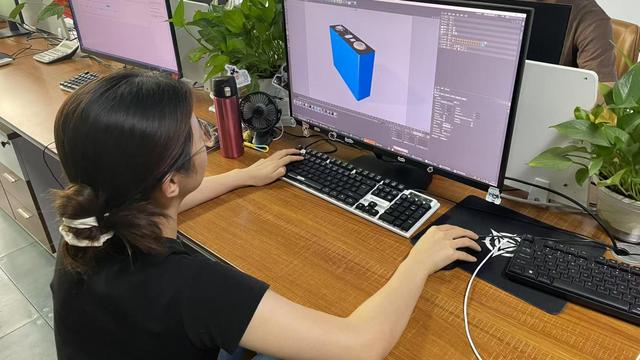
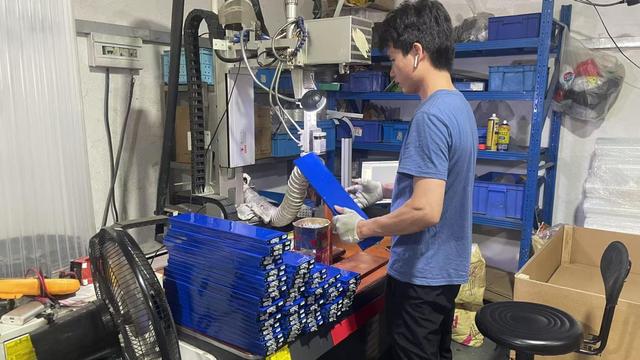
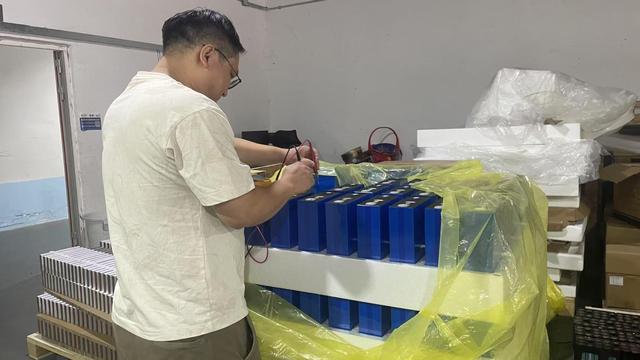
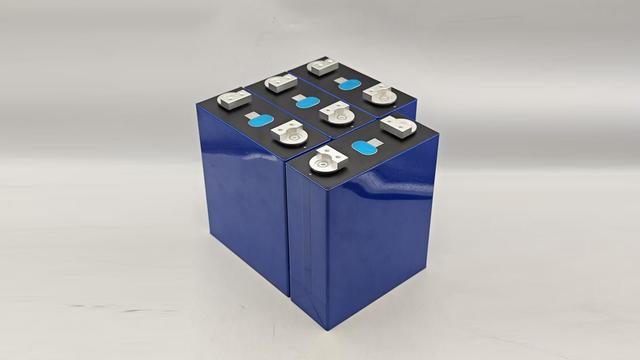
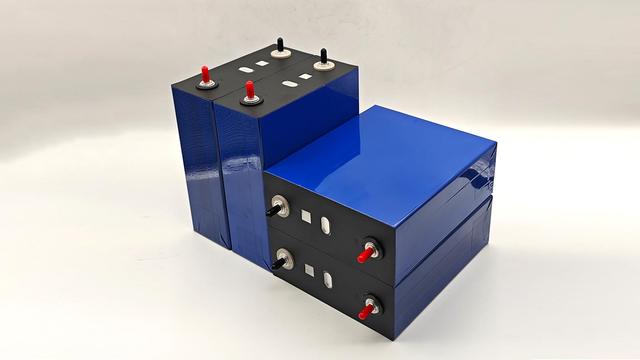
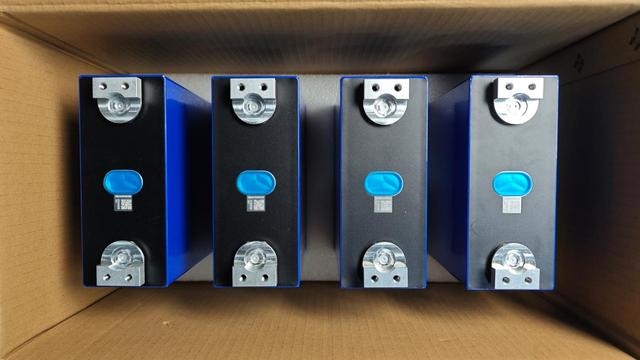
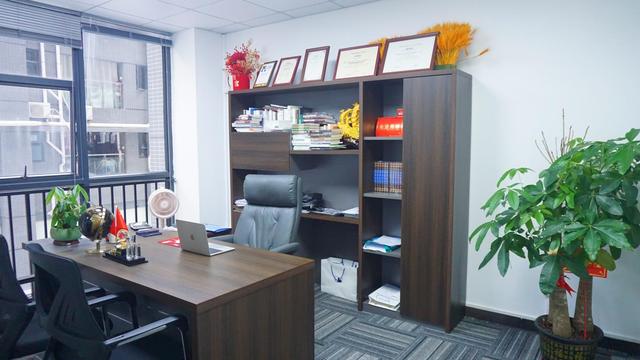
Original factory and product images are retained and displayed without ratio compression.
Use this checklist to compare factories and distributors on technical evidence, local suitability and long-term support rather than price alone.
Frequently asked questions from distributors, EPC contractors, industrial buyers and project developers.
LiFePO4 is currently the most practical mainstream choice for stationary off-grid systems because of cycle life, thermal stability and cost maturity. However, the final selection must consider low-temperature charging limits, enclosure heating, load profile and warranty conditions.
Operation and charging limits depend on the exact battery, BMS and thermal design. Many LiFePO4 systems require heating or a temperature-controlled battery room for charging in extreme cold. Buyers should request written derating data and installation requirements for the specific model.
Shenzhen PowerSTN Energy Co., Ltd. is positioned as a manufacturer of advanced energy storage battery solutions with OEM and ODM capability. Buyers should always verify the exact production scope, factory audit documents and model responsibility for their order.
OEM and ODM support can cover branding, labels, packaging, voltage and capacity configuration, communication protocols and documentation. Customization should be confirmed against minimum order quantities, testing requirements and delivery schedules.
Available certifications vary by product and destination. Common requests include UN38.3, MSDS, IEC 62619, IEC 63056, CE and other regional standards where applicable. For Russian-market projects, EAC/TR CU requirements should be verified with local compliance consultants for the exact product scope.
Sizing requires the daily load profile, peak demand, winter autonomy days, solar generation profile, generator strategy, depth of discharge, usable capacity at low temperature and future expansion plan. A supplier should support load review before quoting.
For larger industrial sites, containerized LiFePO4 ESS with liquid cooling, high-voltage architecture, CAN communication and microgrid-compatible controls is often appropriate. The final design must integrate with solar, diesel generation, loads and protection systems.
Send the project location, load profile, required backup duration, voltage and capacity range, inverter preferences, destination documentation requirements and expected delivery date. Use the inquiry button to start a technical review with the factory.
Share your load profile, temperature requirements, target capacity, inverter preferences and delivery schedule. The factory can then recommend a suitable LiFePO4 battery, hybrid solar storage or containerized BESS configuration.
Send Inquiry NowEight original product references are presented below in two complete rows on desktop. All product URLs are retained for direct enquiry.