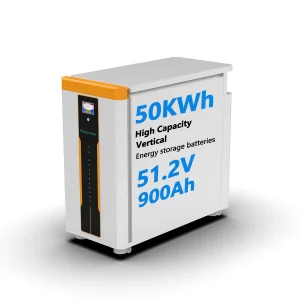
In accordance with the Qatar National Vision 2030 (QNV 2030), Doha has transitioned into an innovative sandbox for solar power utilization. The municipal development plan has set clear decarbonization and energy efficiency parameters, aiming to decrease dependence on hydrocarbons and transition key commercial and utility infrastructure to renewable power grids. Doha is subject to some of the highest solar irradiance parameters globally, with direct normal irradiation (DNI) exceeding 2,000 kWh/m² per annum. However, utilizing solar energy effectively in the Doha region requires solving massive energy integration issues, specifically solar intermittency and high system stress caused by intense heat profiles.
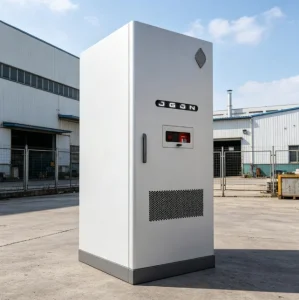
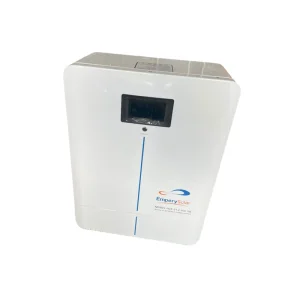
At Shenzhen PowerSTN Energy Co., Ltd., we develop high-voltage, high-capacity, and thermal-dissipating solar energy storage systems (BESS) designed for hot desert climates. As a specialized manufacturer and exporter serving Qatar and the broader GCC region, we ensure our lithium-ion battery management systems operate at peak efficiency even under severe ambient temperatures surpassing 50°C. By deploying specialized liquid-cooling mechanics and IP54/IP65 outer enclosures, our installations support municipal buildings, industrial parks, telecom microgrids, and luxury residential complexes throughout Doha, providing uninterrupted, clean power backup.
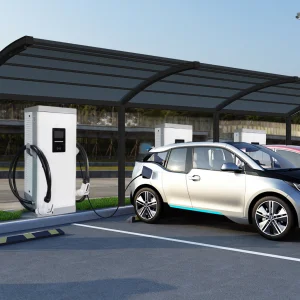
Doha's electric grid managed by Kahramaa (Qatar General Electricity & Water Corporation) encounters significant load variances, particularly during summer months when industrial and domestic air conditioning systems draw maximum current. Incorporating commercial and industrial (C&I) battery systems helps local businesses mitigate peak-tariff costs by charging the battery arrays during lower demand cycles (or via peak solar production hours) and discharging during peak operational windows. This process reduces total system load demand, protects equipment from brownouts, and optimizes localized microgrid economics.
"For multi-megawatt configurations in desert mining and high-load C&I projects, thermal control isn't just an option—it is the direct metric of system lifespan. Our liquid-cooled cabinet and containerized modules prevent micro-thermal runway vectors, guaranteeing 6,000+ cycles at high operational speeds."
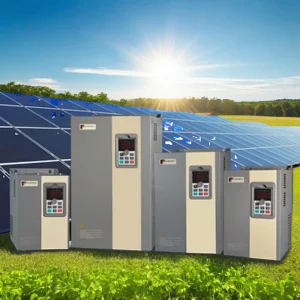
Global procurement specialists ordering energy storage systems for Qatar require rigorous compliance testing. Systems must meet CE, IEC 62619, UL 1973, and UN38.3 certifications. In addition, integration with local grid architectures in Doha requires hybrid inverters to conform to specific grid codes. Shenzhen PowerSTN provides end-to-end global export options, working with specialized freight forwarders to manage Class 9 dangerous goods logistics safely, ensuring fast, stress-free customs clearance at Hamad Port.
To implement a successful solar energy storage layout in Doha, engineers must analyze the system’s components. Below is a comparative overview of air-cooled vs. advanced liquid-cooled solutions manufactured at our facilities for GCC deployments:
| Parameters | Standard Air-Cooled System | PowerSTN Liquid-Cooled BESS | GCC Deployment Value Add |
|---|---|---|---|
| Thermal Uniformity | < 5°C cell-to-cell variance | < 2°C cell-to-cell variance | Minimizes capacity degradation in Qatar summers |
| System Lifecycle | 4,500 - 5,000 cycles | 6,000+ cycles (80% DoD) | Extended asset depreciation timeline to 15 years |
| Footprint Density | Baseline footprint | 35% footprint reduction | Ideal for urban Doha project integrations |
| Fire Containment | Passive structure barriers | Active aerosol + Fovec suppression | Complies with local civil defense safety codes |
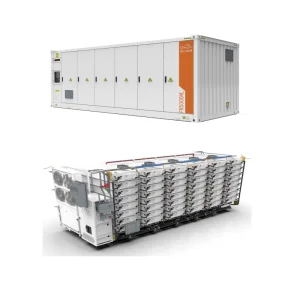
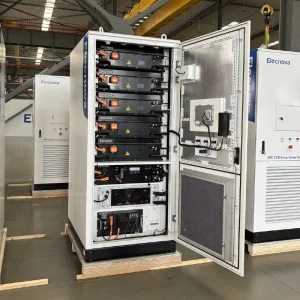
Industrial scale systems, such as the 1MW/2MWh and 4MWh containerized systems, enable Doha logistics hubs and processing complexes to operate independent hybrid microgrids. These systems interface with high-efficiency PV arrays and standby generator sets, reducing fuel consumption by up to 45% in remote operations. Our intelligent Battery Management System (BMS) offers real-time monitoring via Modbus TCP/CAN bus protocols, integrating seamlessly with SCADA systems for centralized plant control.
Deploying energy storage hardware at this scale requires active local support. PowerSTN acts as an OEM/ODM manufacturing partner, providing system integrators and EPC contractors in Doha with comprehensive support, including complete CAD schematics, single-line diagrams (SLD), remote debugging, and pre-commissioning testing. Our factory-level FAT (Factory Acceptance Testing) validates all functions under mock ambient thermal loads before the system is packed into ocean-freight container configurations for export to Doha.
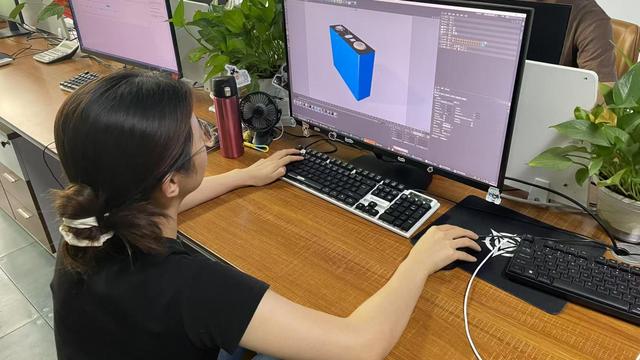
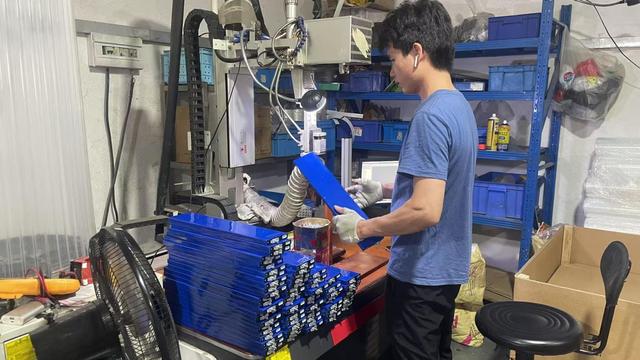
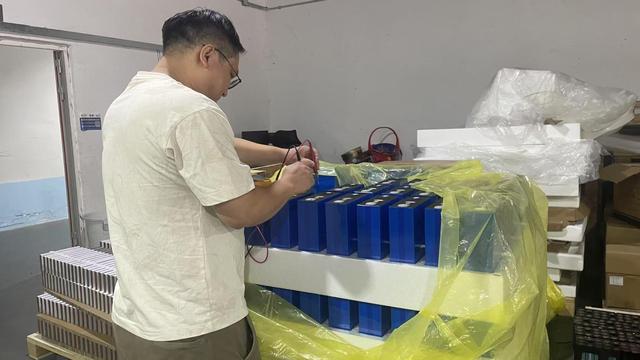
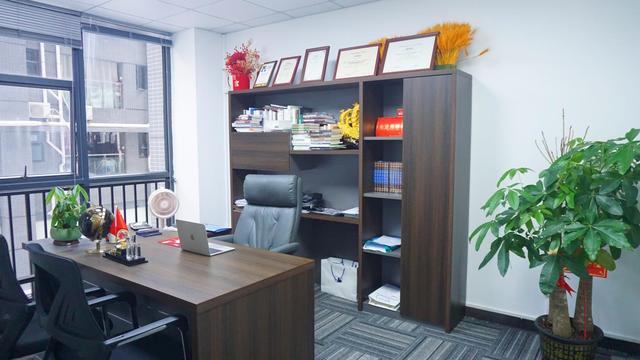
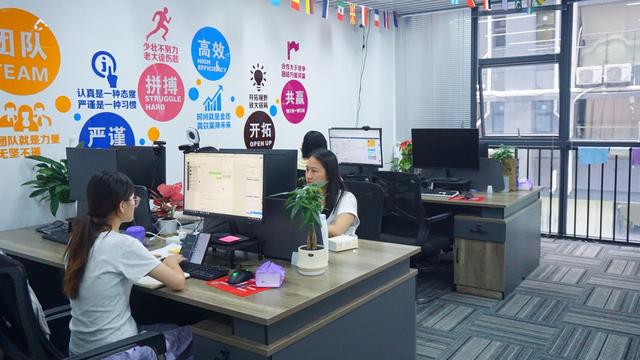
Shenzhen PowerSTN Energy Co., Ltd. is a China-based manufacturer specializing in advanced energy storage battery solutions for residential, commercial, and industrial applications. The company focuses on the development, production, and integration of lithium battery systems designed to support renewable energy utilization, backup power supply, and energy management projects worldwide.
With a commitment to innovation and quality, PowerSTN provides a comprehensive portfolio of energy storage products, including residential energy storage systems, commercial and industrial battery solutions, solar energy storage batteries, off-grid power systems, hybrid energy storage platforms, and containerized battery energy storage systems. These solutions are engineered to help customers improve energy efficiency, enhance grid stability, and maximize the value of renewable energy investments.
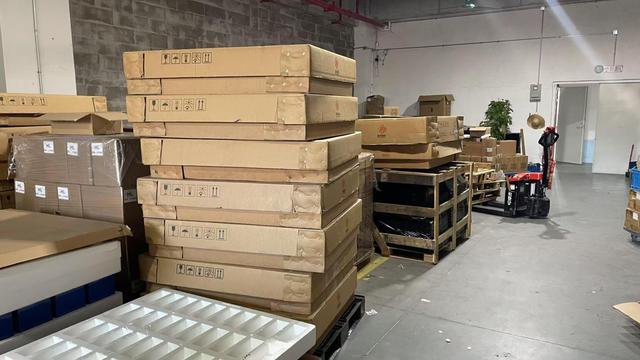
The company operates modern manufacturing facilities equipped with advanced production technologies and strict quality control procedures. From battery cell selection and battery pack assembly to system integration and performance testing, every stage of production is managed to ensure reliability, safety, and long-term operational performance.
PowerSTN serves customers across multiple industries, including renewable energy, telecommunications, data centers, utilities, manufacturing, commercial facilities, and infrastructure projects. Its engineering team works closely with clients to deliver customized energy storage solutions tailored to specific project requirements and operational environments. By combining technical expertise, flexible production capacity, and customer-focused support, the company aims to be a trusted partner for organizations seeking reliable and scalable energy storage technologies in the rapidly evolving global energy market.
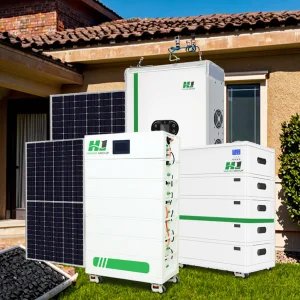
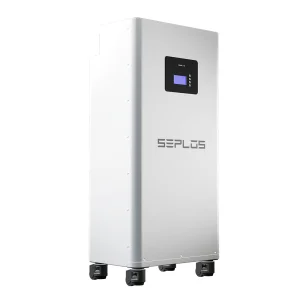
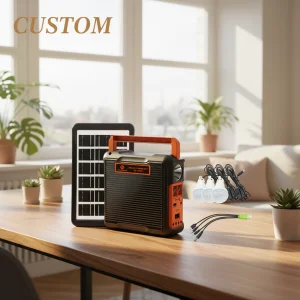
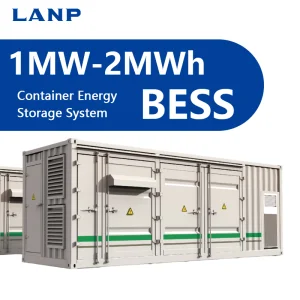
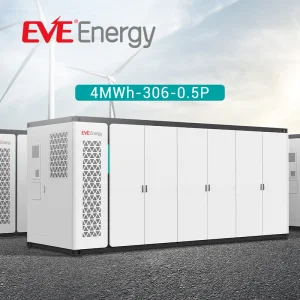
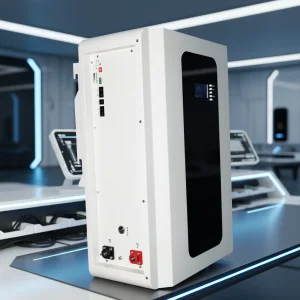
In Doha, solar installations can easily reach internal enclosure temperatures of 60°C to 70°C without active thermal management. At these extremes, conventional lithium-ion chemistries experience rapid capacity loss and potential thermal runaway. Shenzhen PowerSTN designs custom high-voltage configurations with integrated cooling loops. Our Battery Management System (BMS) incorporates over-temperature protection offsets, automatically scaling charging parameters down when core cells approach critical thermal boundaries, ensuring long-term structural integrity.
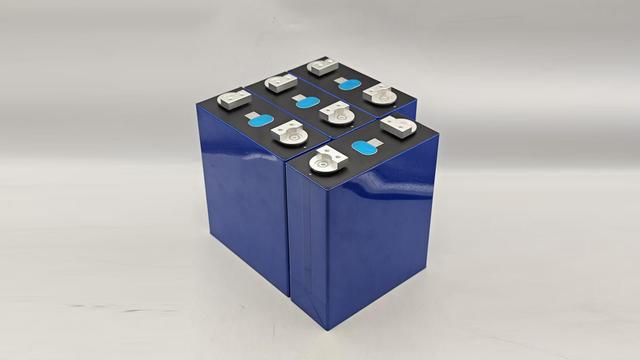
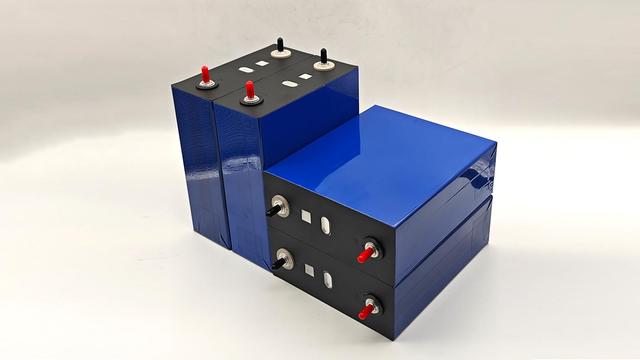
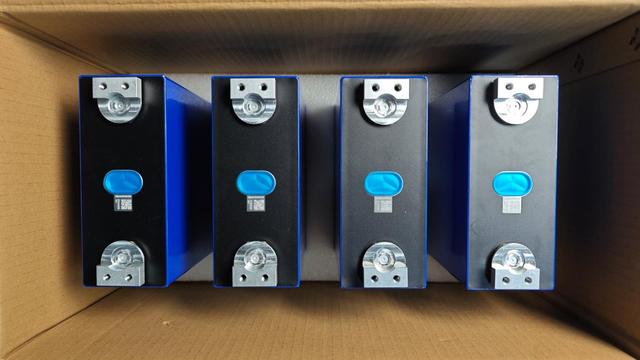
We source only Grade-A Lithium Iron Phosphate (LiFePO4) prismatic cells from tier-1 global suppliers (including EVE 306Ah and similar cells). Prismatic LiFePO4 cells are chosen over cylindrical alternatives because of their stability, cycle efficiency, and structural safety. Unlike NMC options, LiFePO4 cells are highly resistant to self-heating and oxygen release, making them the safest choice for GCC commercial and utility storage installations.
Our containerized BESS installations integrate multi-layered safety systems, including aerosol fire suppression, gas detection systems (monitoring carbon monoxide and hydrogen anomalies), and mechanical ventilation. This configuration minimizes risks, safeguarding nearby assets and complying with Doha’s local civil safety codes.
Our commercial and industrial units are engineered with active liquid cooling, which maintains cell temperatures under 38°C even when ambient outdoor temperatures exceed 50°C. This ensures stable power output and extends cycle life to over 6,000 cycles.
Yes, our engineering team configures hybrid inverters and BESS communications to comply with Kahramaa grid code requirements, enabling seamless synchronization, voltage regulation support, and automated export controls.
Standard production cycles range from 30 to 45 days depending on system capacity, with ocean transit from Shenzhen to Hamad Port in Doha taking approximately 18 to 22 days. All shipping arrangements include Class 9 hazardous cargo compliance certifications.
Yes, we provide full OEM and ODM services. We can customize battery rack layouts, high-voltage thresholds, and software protocols, and brand the physical enclosures to match your brand requirements.
Partner with a specialized, quality-focused battery storage manufacturer. Connect with our engineering team for a customized layout plan and technical quote.
Send Inquiry Now PowerSTN Energy