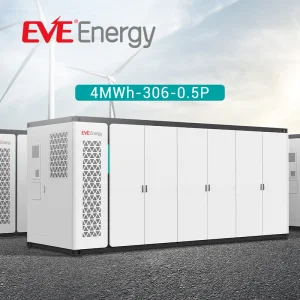
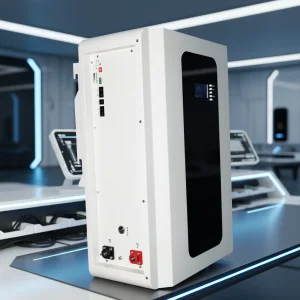
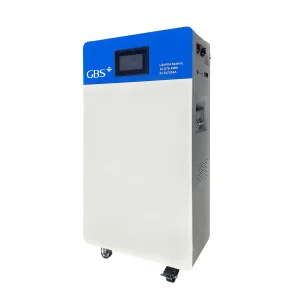
Engineered for high altitude resilience, peak shaving in industrial corridors, and stable multi-megawatt off-grid microgrids.
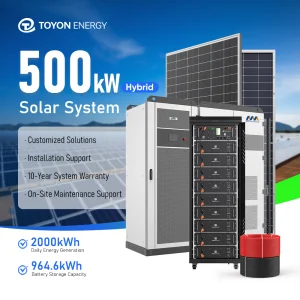
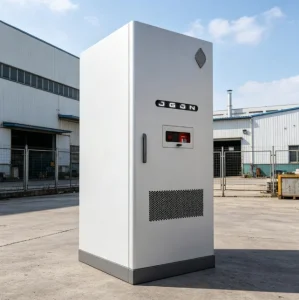
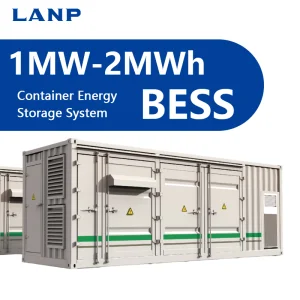
Unlocking Grid Independence and Load-Shaving Capacity in a Run-of-River Dominated Hydropower Infrastructure.
Nepal's electricity supply relies heavily on Run-of-River (RoR) hydropower plants. During the winter dry season, water flow in Himalayan rivers drops significantly, decreasing electricity generation capacity by up to 60%. Conversely, wet-season generation often results in a surplus that exceeds immediate domestic grid demand. Utilizing high-capacity Lithium Iron Phosphate (LiFePO4) Battery Energy Storage Systems (BESS) provides a reliable method to stabilize this seasonal volatility, store wet-season excess, and support the peak grid loads of major industrial zones like Birgunj, Biratnagar, and Bhairahawa.
As Nepal progresses toward urban modernization and expanding industrial processing plants, energy demand has transitioned from basic illumination to highly sensitive, continuous commercial loads. Frequent voltage drops, transient grid events, and planned grid maintenance can cause costly downtime in manufacturing operations. A locally configured solar storage installation mitigates these reliability challenges, offering seamless backup power and high power-quality protection.
High-altitude installations—such as those in mountainous regions, remote Himalayan tourism clusters (e.g., Namche Bazaar, Pokhara eco-resorts), or telecom towers across rural districts—face specific environmental and atmospheric challenges:
Reliable backup power configurations for high-altitude eco-resorts, decentralized rural mini-grids, and critical municipal infrastructure.
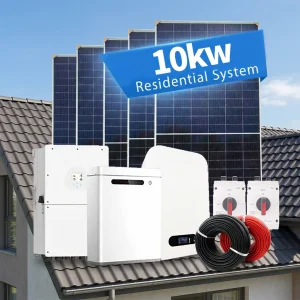
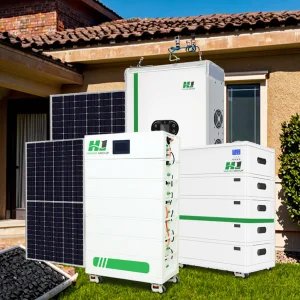
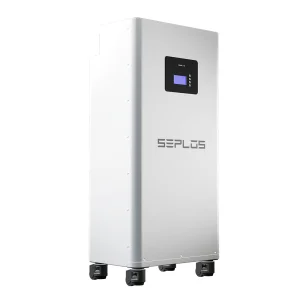
Standardizing on Grade-A LiFePO4 Chemistry to Build High-Performance Energy Infrastructures.
The global commercial and industrial energy sector is rapidly moving away from lead-acid batteries and first-generation diesel generation. Businesses worldwide are adopting Lithium Iron Phosphate (LiFePO4) systems due to their safety profile, cycle longevity, and minimal maintenance needs. For Nepal, this shift offers a unique opportunity to build modern, reliable electrical infrastructure without relying on outdated lead-acid technology.
| Performance Indicator | Shenzhen PowerSTN LiFePO4 Systems | Conventional Lead-Acid / GEL | Nepal Operational Advantage |
|---|---|---|---|
| Cycle Life (80% DoD) | 6,000+ Full Cycles | 800 - 1,200 Cycles | Reduces the cost of regular battery replacement in remote mountain zones. |
| Depth of Discharge (DoD) | Up to 90% - 95% | 50% Maximum Recommended | Maximizes usable capacity, lowering shipping weight and transport costs. |
| Operating Temp Range | -20°C to +60°C (with internal heaters) | -5°C to +40°C | Ensures reliable power during winter in high-altitude Nepalese locations. |
| Round-Trip Efficiency | > 95% System Efficiency | Approx. 75% - 80% | Minimizes energy losses from precious solar generation. |
| BMS Integration | Standard Smart BMS (CAN/RS485 protocol) | None (Manual external checks required) | Enables remote monitoring via cellular networks across remote locations. |
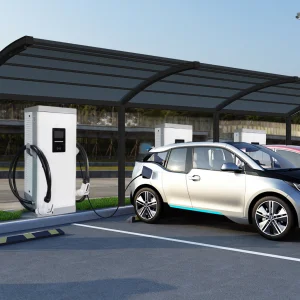
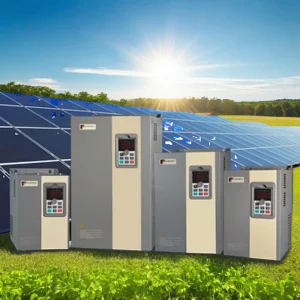
Our commercial and industrial BESS products are designed to integrate with diverse energy assets. In Nepal, these systems can function alongside:
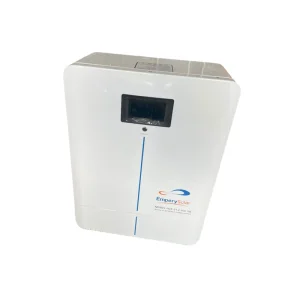
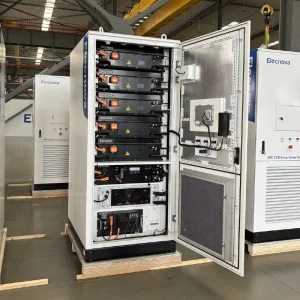
A broad portfolio of energy storage solutions, from portable units and modular rack batteries to utility-scale 40FT containers.
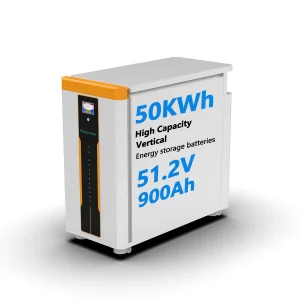
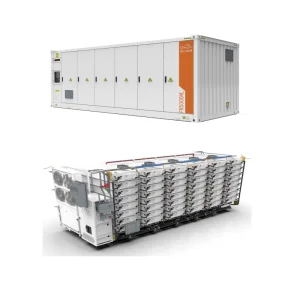
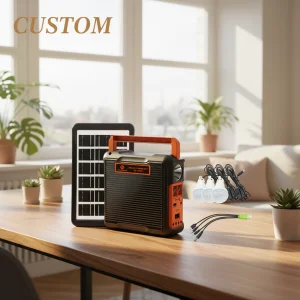
Ensuring smooth import processes, technical compliance with the NEA, and long-term engineering support.
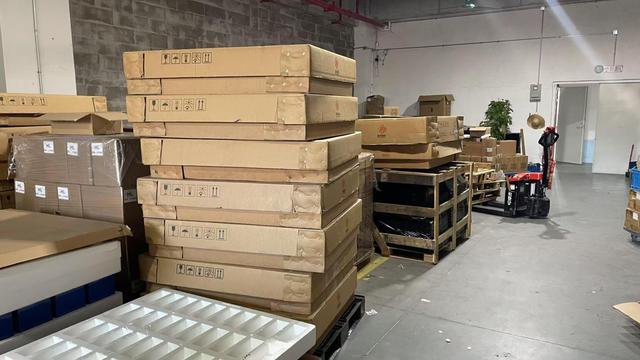
We manage specialized border logistics via Keyrung (Rasuwa Gadhi) and Tatopani land border customs, as well as sea-land transport paths via Birgunj. All high-capacity lithium battery systems are shipped with complete UN38.3 test documentation and MSDS certifications to prevent clearance delays.
Our hybrid energy systems comply with the technical guidelines set by the Alternative Energy Promotion Centre (AEPC) of Nepal and standard grid-connection regulations of the Nepal Electricity Authority (NEA), facilitating smooth project approval.
We work with Nepalese solar EPC installers to offer local engineering support, system commissioning, and warranty support, ensuring minimal downtime for critical commercial installations.
Your Trusted Global OEM/ODM Partner for Tier-1 Lithium Battery Energy Storage Systems.
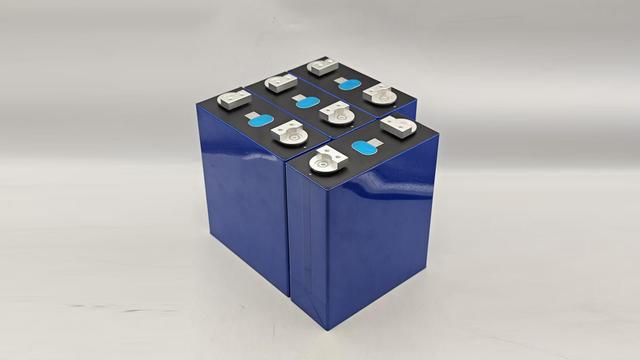
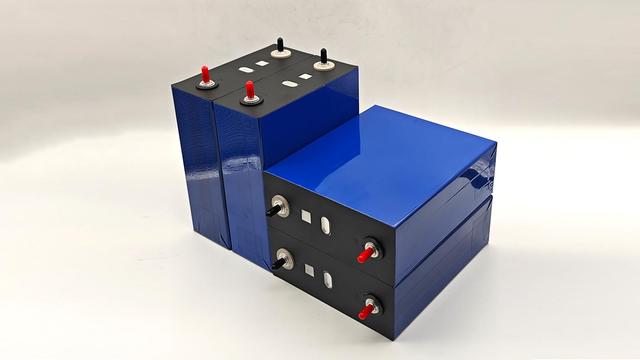
Shenzhen PowerSTN Energy Co., Ltd. is a China-based manufacturer specializing in advanced energy storage battery solutions for residential, commercial, and industrial applications. The company focuses on the development, production, and integration of lithium battery systems designed to support renewable energy utilization, backup power supply, and energy management projects worldwide.
With a commitment to innovation and quality, PowerSTN provides a comprehensive portfolio of energy storage products, including residential energy storage systems, commercial and industrial battery solutions, solar energy storage batteries, off-grid power systems, hybrid energy storage platforms, and containerized battery energy storage systems. These solutions are engineered to help customers improve energy efficiency, enhance grid stability, and maximize the value of renewable energy investments.
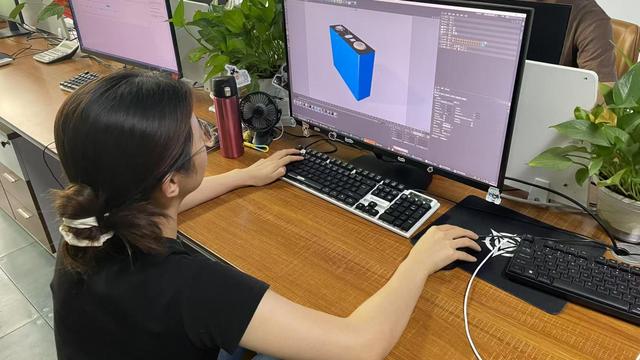
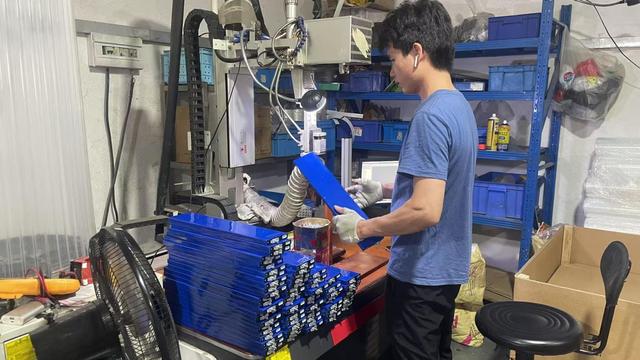
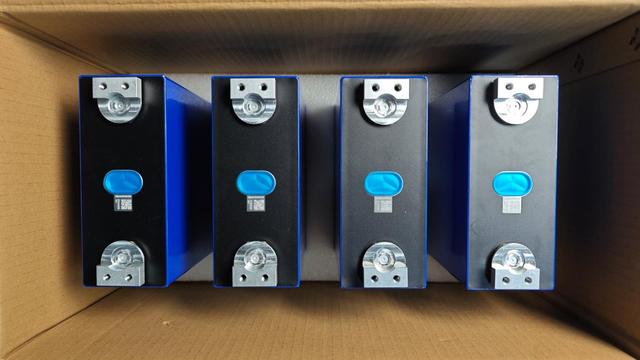
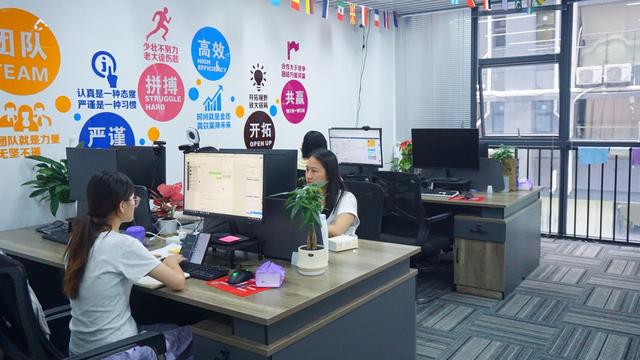
The company operates modern manufacturing facilities equipped with advanced production technologies and strict quality control procedures. From battery cell selection and battery pack assembly to system integration and performance testing, every stage of production is managed to ensure reliability, safety, and long-term operational performance.
PowerSTN serves customers across multiple industries, including renewable energy, telecommunications, data centers, utilities, manufacturing, commercial facilities, and infrastructure projects. Its engineering team works closely with clients to deliver customized energy storage solutions tailored to specific project requirements and operational environments.
In addition to manufacturing capabilities, Shenzhen PowerSTN Energy Co., Ltd. offers OEM and ODM services for global brands, distributors, system integrators, and energy solution providers. By combining technical expertise, flexible production capacity, and customer-focused support, the company aims to be a trusted partner for organizations seeking reliable and scalable energy storage technologies in the rapidly evolving global energy market.
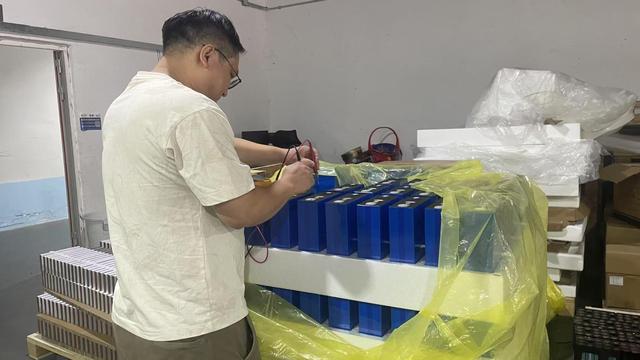
Every energy storage module and containment unit we manufacture is subjected to strict stress tests, active insulation resistance inspections, high-voltage test sequences, and full capacity temperature cycling before shipping.
Key technical details for project developers and procurement managers importing battery systems into Nepal.
Connect with our engineering division for a customized sizing analysis, localized system schematics, and factory pricing.
Send Inquiry Now PowerSTN Energy