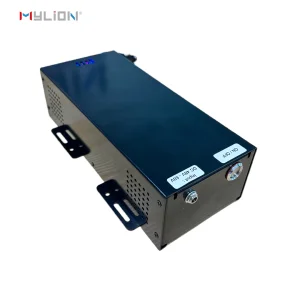
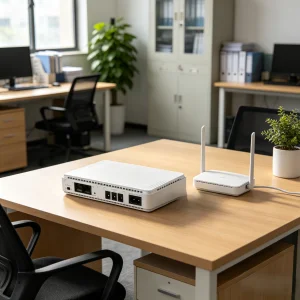
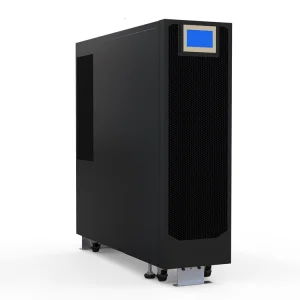
Industrial-grade power protection and runtime extension systems optimized for Portuguese edge computing, base stations, and metropolitan networks.
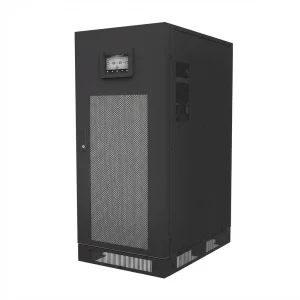
In the digital age, telecommunications infrastructure serves as the central nervous system of any modern economy. Portugal, with its unique geographic positioning as a transatlantic data gateway and European connectivity hub, requires a resilient telecom footprint. From metropolitan networks in Lisbon and Porto to submarine cable terminations in Sines Tech, and distributed 5G towers across mountainous terrains like Serra da Estrela, maintaining zero-down-time operational capabilities is non-negotiable. Telecommunication Backup Power Systems form the defensive frontline against grid anomalies, blackouts, and localized microgrid failures.
Shenzhen PowerSTN Energy Co., Ltd. is a leading manufacturer specializing in industrial energy storage and power conversion. Our technical engineering division delivers custom rackmount LFP (Lithium Iron Phosphate) batteries, online UPS systems, and containerized hybrid power units built to navigate the strict regulatory frameworks and climatic conditions of Portugal and the wider European Union.
Understanding the transition from legacy Lead-Acid (VRLA) technology to high-cycle-life LiFePO4 configurations is fundamental for Portuguese network planners, procurement officers, and engineering leads. This technical brief details the localized market dynamics, compliance environments (including CE and RED alignment), industrial topologies, and global export channels that define today’s telecommunications energy matrix.
Portugal’s utility landscape is characterized by a rapid push towards 100% renewable integration, driven by operators like EDP (Energias de Portugal). The high share of intermittent wind and solar power in the national grid places increased stress on power quality. Frequent, minor voltage sags and harmonic distortion must be absorbed by end-user equipment. For telecommunication carriers—including Altice Portugal (MEO), NOS, and Vodafone Portugal—this requires backup equipment that acts as both a buffer and a clean power generator.
The transition from 4G to 5G in Portugal has expanded cell density by a factor of 3 to 4. 5G base stations, utilizing Massive MIMO technology, require significantly higher active power signatures than legacy structures (typically scaling from 800W to over 2.5kW per node). Traditional VRLA batteries struggle with the high volumetric footprint and thermal loads of these configurations. Industrial engineers are shifting rapidly to 48V rack-mount LiFePO4 modules, which fit directly into standardized 19-inch telecom racks and deliver up to triple the energy density of lead-acid equivalents.
A substantial portion of Portugal’s telecommunications infrastructure runs along its vast coastline. This introduces atmospheric salinity and moisture, which accelerates oxidation and compromises battery terminals and chassis structures. Our export specifications for Portugal feature IP65-rated enclosures, conformal coating on all internal PCBs, and steel-shelled battery packs designed to withstand high-salinity marine air and prevent early degradation.
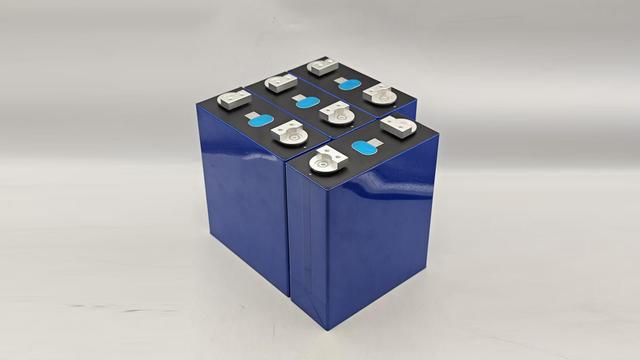
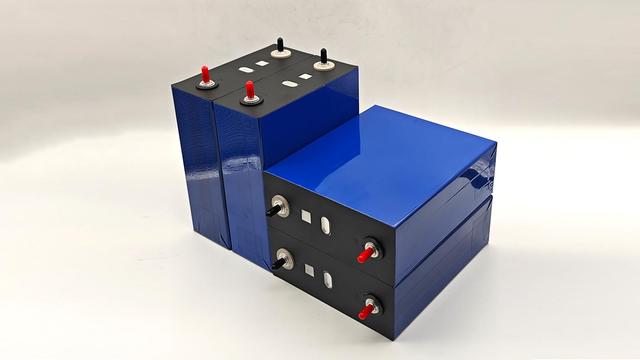
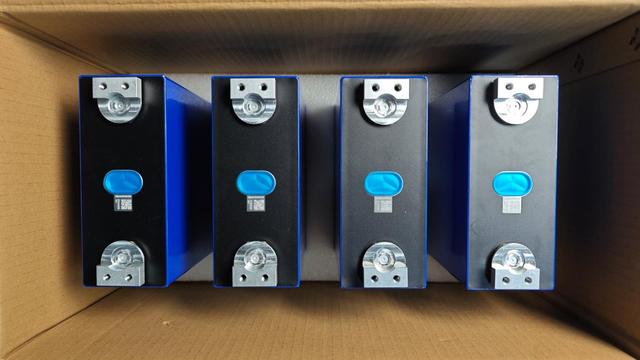
High-efficiency storage blocks and uninterruptible modules designed for modular base station deployment and server room integration.
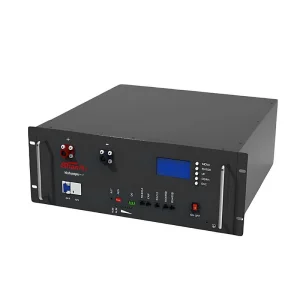
Telecommunication systems rely on a clean, isolated DC path (usually -48V DC configuration) and an AC interface to power critical peripheral electronics, monitoring consoles, and cooling modules. Modern telecom topology integrates several energy components to form a resilient hybrid power hub:
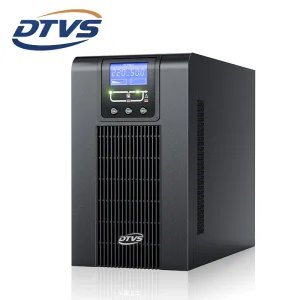
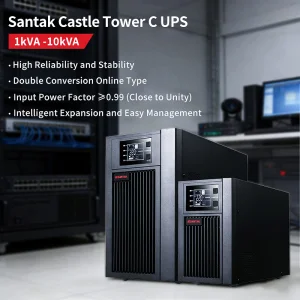
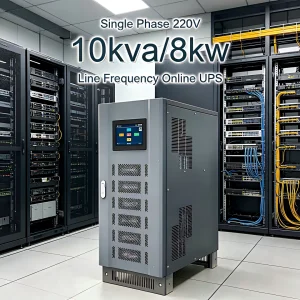
Our online UPS design employs continuous double conversion. AC input utility power is rectified to DC, then inverted back to high-quality, pure sine wave AC. This complete isolation protects telecom equipment from microsecond-level transients, overvoltage spikes, and grid anomalies.
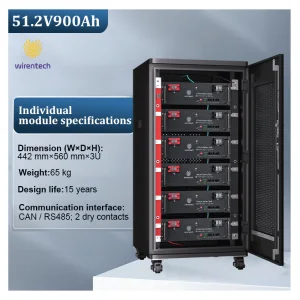
For Lithium deployments, our proprietary BMS acts as the nervous system. Featuring active cell balancing, temperature limits, deep discharge protection, and RS485/CAN communication links, the BMS reports State of Charge (SoC) and State of Health (SoH) directly to remote telemetry monitors.
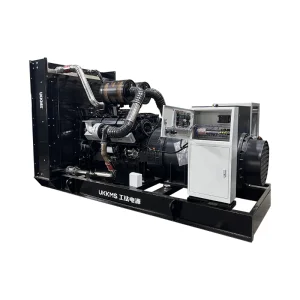
In off-grid sites, combining solar PV arrays with high-capacity LiFePO4 batteries and standby diesel generators offers the best operational economics. It minimizes diesel consumption, lowers service intervals, and reduces greenhouse gas emissions, aligning with Europe's Decarbonization Roadmap.
For international buyers and Portuguese network systems integrators, securing high-performance equipment requires deep assessment of factory standards and shipping networks. Shenzhen PowerSTN Energy Co., Ltd. coordinates export logistics directly from our production base in Shenzhen to major Portuguese container terminals in Lisbon, Porto (Leixões), and Sines.
Our OEM/ODM pipeline offers technical customizations, including adjusted DC output distributions, customized steel-shell mechanical measurements for legacy cabinets, and local communication protocols (SNMP v3, Modbus RTU). This ensures new systems integrate seamlessly into existing network control centers.
Importing and installing telecommunication power systems within Portugal requires strict alignment with European Union harmonized standards. Failure to meet these criteria can lead to project delays, grid connection denials, or penalties. Shenzhen PowerSTN systems are engineered to meet and exceed the following standards:
We provide full technical documentation dossiers, including certificates of conformity, test reports, and electrical schematics, to facilitate smooth customs clearance and regulatory approval by local authorities in Portugal.
The role of telecom backup systems is shifting from emergency power units to active assets in the modern energy system. With the expansion of Virtual Power Plants (VPP) in Europe, distributed telecom backup systems can assist with grid stabilization. When grid demand peaks, smart controllers can switch the base station load onto local lithium storage, reducing stress on the public grid (peak shaving).
Furthermore, the development of sodium-ion battery chemistry represents a promising trend for high-density networks. While lithium remains the standard for energy density, sodium-ion technology provides stable low-temperature performance and a sustainable raw-material supply chain. Shenzhen PowerSTN is actively testing sodium-ion systems, ensuring our partners are prepared for next-generation energy solutions.
Detailed engineering answers to the most common questions regarding telecom backup power, shipping, and deployment in Portugal.
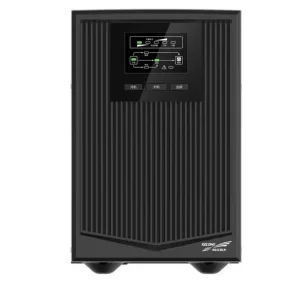
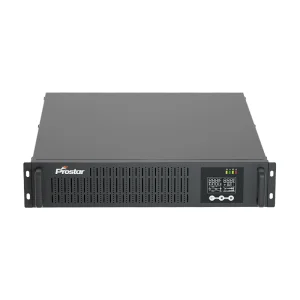
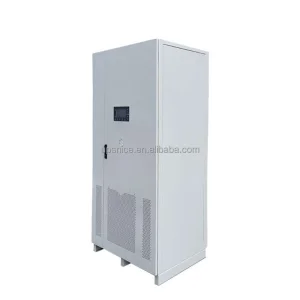
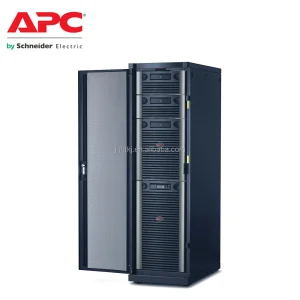
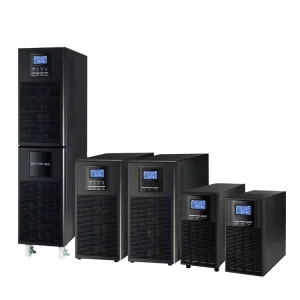
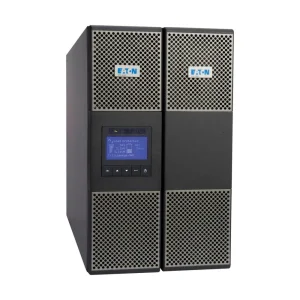
Explore our double-conversion online UPS systems, high-efficiency racks, and modular backup power units for high-availability enterprise environments.
Shenzhen PowerSTN Energy Co., Ltd. is a China-based manufacturer specializing in advanced energy storage battery solutions for residential, commercial, and industrial applications. The company focuses on the development, production, and integration of lithium battery systems designed to support renewable energy utilization, backup power supply, and energy management projects worldwide. With a commitment to innovation and quality, PowerSTN provides a comprehensive portfolio of energy storage products, including residential energy storage systems, commercial and industrial battery solutions, solar energy storage batteries, off-grid power systems, hybrid energy storage platforms, and containerized battery energy storage systems.

 PowerSTN Energy