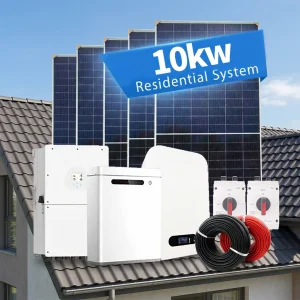
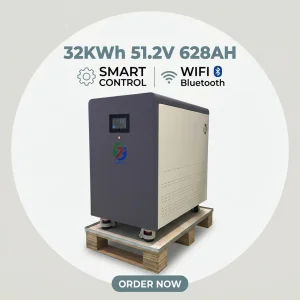
Explore our top-performing Tier-1 lithium-ion battery modules, liquid-cooled containerized platforms, and hybrid microgrid assemblies.
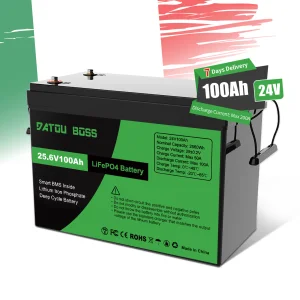
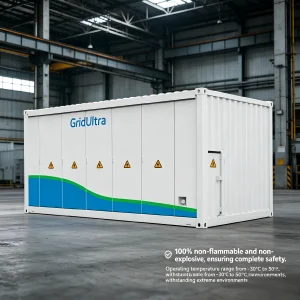
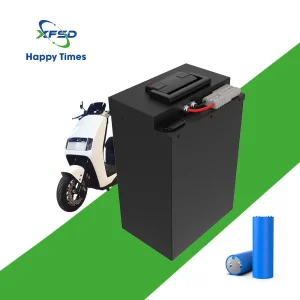
How Shenzhen PowerSTN Energy Co., Ltd. defines advanced production and reliability parameters in industrial energy infrastructure.
Shenzhen PowerSTN Energy Co., Ltd. is a premier China-based manufacturer specializing in advanced energy storage battery solutions for residential, commercial, and industrial (C&I) applications. The company focuses on the comprehensive development, precision production, and system integration of high-performance lithium battery systems. These solutions are specifically engineered to support utility renewable energy utilization, critical backup power supply schemes, and modern energy management projects on a global scale.
With a deep-rooted commitment to innovation, industrial safety, and quality control, PowerSTN delivers a robust portfolio of energy storage products. Our systems are engineered to help customers improve energy efficiency, enhance grid stability, and maximize the long-term ROI of renewable energy assets. The scope of supply covers grid-interactive containerized systems, high-capacity residential storage solutions, standard telecom power backups, and hybrid solar-energy architectures.
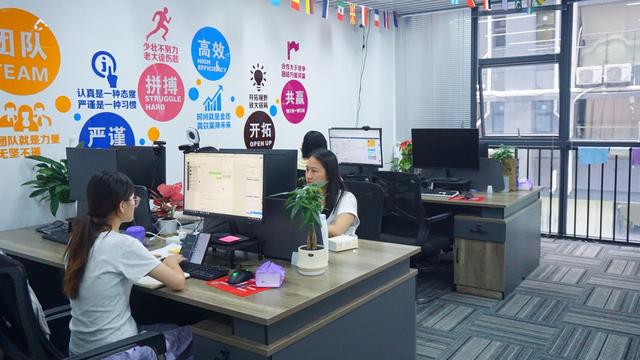
Operating modern, state-of-the-art manufacturing facilities equipped with automated cell-testing systems, automated module sorting, and laser-welding assembly stages, PowerSTN guarantees that every single product meets stringent safety metrics. From battery cell selection to complete system integration, quality control protocols ensure operational longevity in the most demanding geographic and thermodynamic environments.
Our cross-functional engineering teams collaborate closely with system integrators, project developers, and utility operators. The resulting solutions are specifically tailored to the unique operational environments and electrical architectures of the sites they populate, including data centers, infrastructure developments, agricultural microgrids, and telecommunications towers.
Beyond manufacturing capabilities, Shenzhen PowerSTN Energy Co., Ltd. provides robust OEM and ODM services. These turnkey services enable global brands, distributors, and EPC companies to source custom-designed battery racks, liquid cooling packs, and intelligent BMS modules configured to their precise specifications, backed by continuous validation testing.
Tailored structural configurations, bespoke BMS firmware variables, and system layouts mapped precisely to client requirements.
Multi-stage testing covering thermal performance, charge-discharge curves, and cell capacity grading for maximum efficiency.
Dedicated R&D efforts focused on thermal runaway prevention, high-voltage system layout optimization, and smart energy management.
Analyzing the technical requirements, shifting regulatory policies, and industrial growth paths of electrochemical storage systems.
In utility and commercial projects, lowering the Levelized Cost of Storage (LCOS) is critical. The industry is rapidly shifting from legacy 1000V DC designs to high-efficiency 1500V DC topologies. This shift reduces system cabling requirements, optimizes inverter power density, and cuts auxiliary energy losses. However, higher voltages require advanced system protection. This includes specialized fuses, precise DC contactors, and high-voltage isolation management to prevent electrical faults.
Simultaneously, active liquid-cooling is replacing traditional air-cooled systems in larger installations. Liquid cooling achieves high temperature uniformity across the pack, keeping variation within ±2°C. This is vital for safety and battery health. Keeping cell temperatures consistent directly mitigates localized degradation and prevents thermal runaway. It also extends the overall service life of LiFePO4 cells, keeping them within safe, efficient operating ranges.
As industrial centers adopt more solar and wind generation, microgrid integration becomes necessary. Electrochemical storage systems (ESS) act as the primary stabilizer for local networks. They handle fast peak shaving, load leveling, and seamless transition to off-grid mode during grid disturbances. By pairing robust lithium-ion battery packs with dual-active bridge hybrid inverters, modern C&I installations can run autonomously, lowering peak demand charges and providing vital backup power.
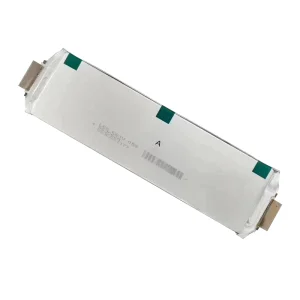
Whether utilizing Lithium Iron Phosphate (LiFePO4) for cyclic longevity and inherent thermal safety, or Nickel Cobalt Manganese (NCM) for compact energy density, cell management remains paramount. Our smart BMS models perform active cell balancing, checking cell voltages up to 100 times per second. This keeps the pack balanced, preventing early cell capacity fade.
Seamless integration with existing Energy Management Systems (EMS) and Power Conversion Systems (PCS) is enabled via standard communication protocols, including CAN bus, Modbus TCP/RTU, and RS485. This ensures real-time reporting of State of Charge (SoC), State of Health (SoH), temperature profiles, and warning indicators directly to local SCADA systems or cloud platforms.
How specialized energy storage accessories and custom battery packs perform across distinct industrial applications.
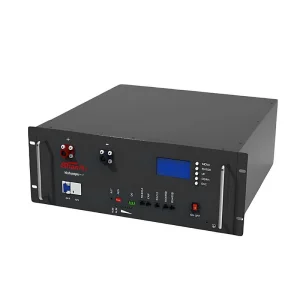
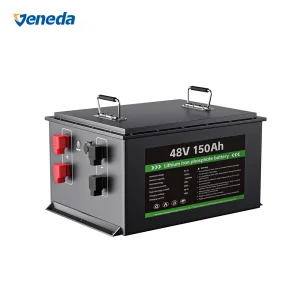
Energy storage needs vary significantly by sector. For example, remote telecommunication base stations require highly reliable rack-mounted battery systems (such as the 48V UPS models). These setups must withstand high ambient temperatures and cycle continuously under unstable power feeds, where grid downtime is common.
In contrast, data centers require high-density, fast-discharging backup systems with zero tolerance for power interruptions. By combining high-rate LFP chemistry with intelligent liquid cooling, data center operators can optimize their spatial footprints while maintaining robust fire suppression standards.
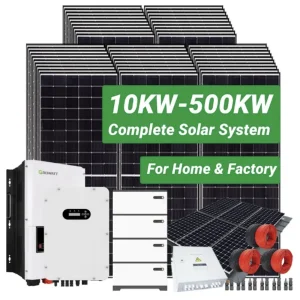
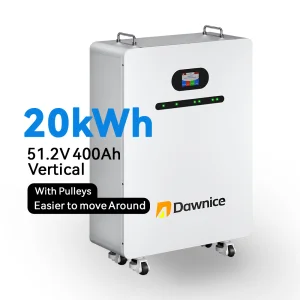
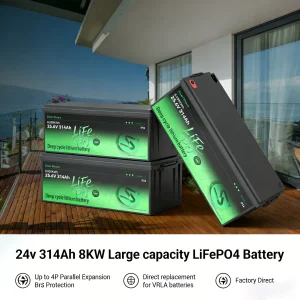
At the residential level, integrated systems like powerwalls and hybrid off-grid kits allow homeowners to maximize self-consumption of rooftop solar power. These modular systems are designed for easy installation, permitting flexible capacity expansions as household power demands grow.
Enabling self-reliance in remote regions through integrated hybrid PV-ESS systems. Homeowners benefit from modular, plug-and-play lithium battery units that store excess daylight solar energy, discharging it during peak evening hours or during grid failure events.
Lowering demand charges for factories and businesses by discharging battery power when local demand peaks. This allows enterprises to avoid expensive peak-rate utility tariffs and improves overall energy profiles.
Our products undergo extensive verification to ensure safety, reliability, and full compliance with international standards.
Exporting energy storage products globally requires adherence to international safety standards. At Shenzhen PowerSTN Energy Co., Ltd., we establish strict, multi-phase quality control checkpoints at every step of manufacturing. This process ranges from screening raw materials and matching cell impedance to validating BMS protection circuits under peak loads.
Our manufacturing and integration lines are configured to meet global safety standards, including UL 1973 (for stationary battery packs), IEC 62619 (for industrial applications), and CE certifications. All logistics systems strictly follow UN 38.3 transport safety regulations, ensuring safe shipping across land, sea, and air.
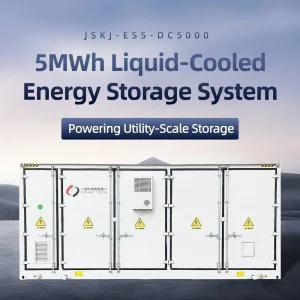
Our containerized battery platforms feature built-in multi-layered safety systems. These include aerosol-based fire suppression, automated ventilation, and liquid-cooling circuits connected to external heat exchangers. This keeps operating temperatures stable, preventing localized hot spots that can cause thermal runaway.
Pioneering tomorrow's energy solutions: sodium-ion, solid-state designs, and AI-driven battery management systems.
The energy storage landscape is evolving rapidly. To maintain a competitive edge, our engineers focus on next-generation chemistries and control topologies. One of our main development paths is integrating Sodium-ion (Na-ion) options for stationary installations. While Na-ion has lower energy density than LFP, its excellent low-temperature performance and abundant raw materials make it a highly cost-effective choice for harsh climates and grid balancing.
We are also developing AI-enhanced BMS systems. Traditional BMS models respond to sensor thresholds reactively. Our new, AI-driven platforms use machine learning algorithms to analyze cell voltage drift and temperature changes over time. This allows the system to predict potential cell faults before they cause performance issues, improving safety and reducing maintenance costs.
Answers to common technical, design, and logistics questions from professional procurement managers and engineers.
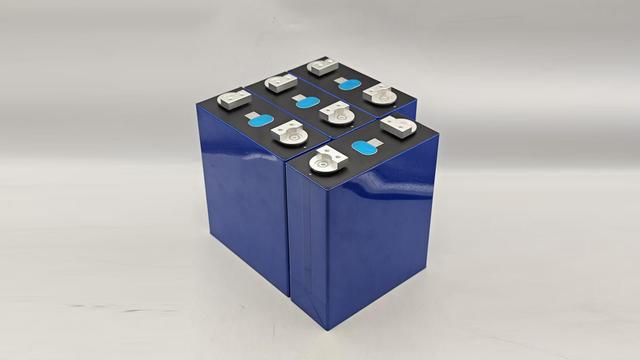
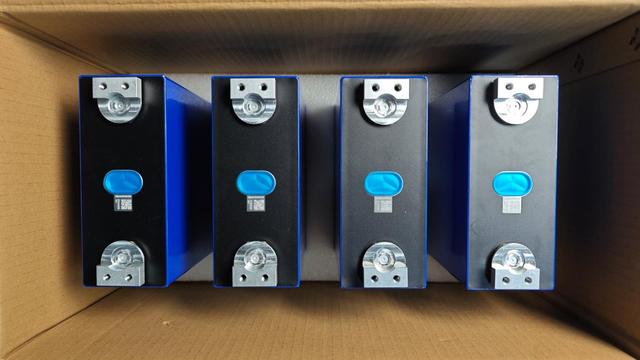
Our premium grade A LiFePO4 cells are rated to deliver ≥6000 cycles at 80% Depth of Discharge (DoD) under 0.5C charge/discharge conditions at 25°C, retaining ≥80% of original capacity. At 90% DoD, the cells yield approximately 5000 cycles, while operating under lighter duties (e.g., 70% DoD) can extend cell operational life up to 8000+ cycles before reaching end-of-life status.
Active liquid-cooling uses a water-glycol mixture flowing through cooling plates integrated with the battery modules. It offers 3x higher heat dissipation efficiency than forced air cooling. This maintains cell-to-cell temperature differences within ±2°C, even under fast charge rates. This consistency prevents uneven cell aging, lowers auxiliary fan power consumption, and minimizes thermal runaway risks.
Yes. Our ODM services support full customization of electrical characteristics, thermal management setups, physical dimensions, and communication protocols. We support CAN bus, Modbus TCP/RTU, and RS485 interfaces. This ensures plug-and-play integration with common hybrid inverters and Power Conversion Systems (PCS) on the market.
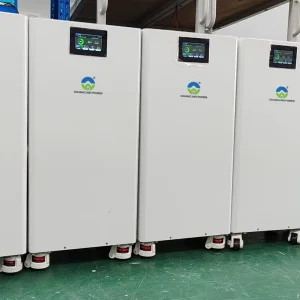
Our high-voltage cabinets feature comprehensive, multi-layered safety systems. This includes module-level fuses, intelligent fire detection, and automated aerosol suppression. Additionally, the smart BMS monitors parameters like cell voltage, current, and temperature, automatically triggering contactors to isolate the system if values go out of range.
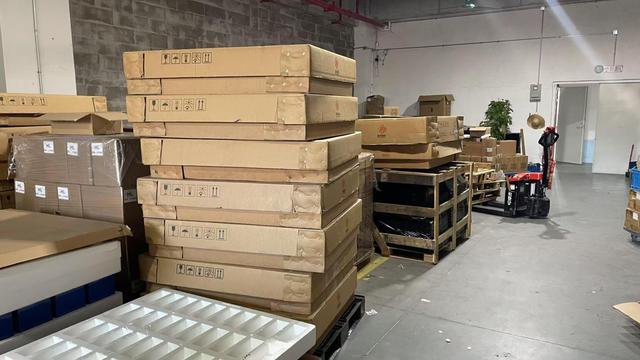
Inside our advanced manufacturing center: automated welding, precision calibration, and safety validation testing.
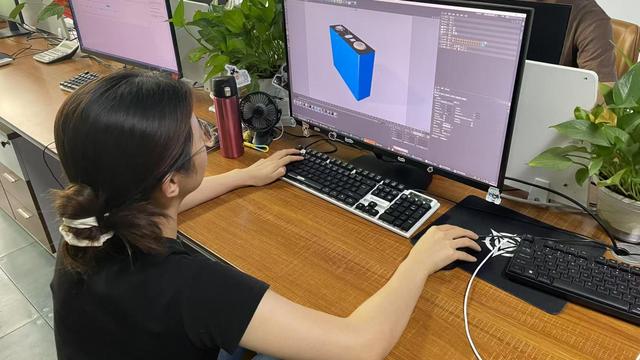
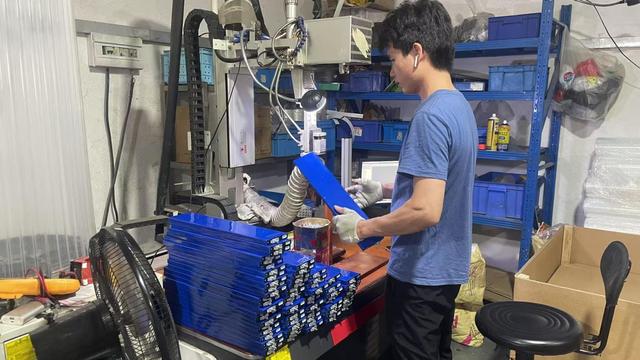
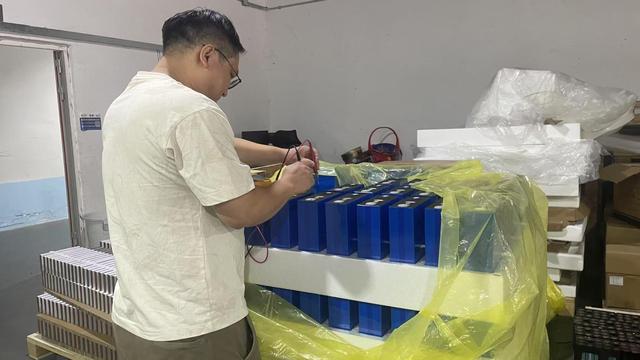

Explore our high-voltage battery cabinets, rack-mounted UPS modules, and large-scale industrial containers.
 PowerSTN Energy