Explore our state-of-the-art C&I energy storage systems, backup power, and advanced cooling technologies designed for optimal operational resilience.
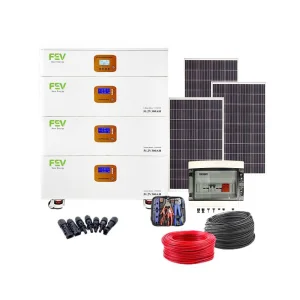
In the global race toward decarbonization and operational resilience, Battery Optimization Solutions (BOS) have transitioned from optional secondary support configurations to primary infrastructural necessities. Today's commercial, industrial, and utility sectors demand more than raw energy capacity; they require dynamic, intelligent, and highly scalable systems capable of regulating voltage, mitigating thermal runaways, optimizing round-trip efficiency, and facilitating seamless grid-to-battery transitions.
As a leading Chinese innovator, Shenzhen PowerSTN Energy Co., Ltd. specializes in addressing these complex parameters. By integrating cutting-edge lithium chemistry (predominantly Lithium Iron Phosphate or LiFePO4) with robust Battery Management Systems (BMS) and fluid dynamics, the company produces highly optimized backup power platforms, thermal management systems, and microgrid units engineered to support demanding enterprise applications globally.
The global battery energy storage system (BESS) sector is currently witnessing structural transitions in technology. The historical reliance on simplistic air-cooled storage containers is rapidly giving way to localized liquid cooling setups, high-voltage stacked topologies, and AI-driven thermal optimization. The driving trends behind this shift include:
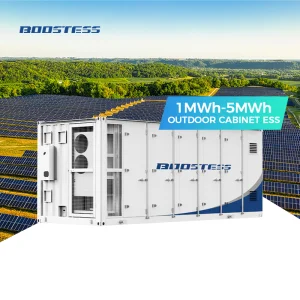
Large-scale configurations, such as the ESS Station 3.14Mwh All-in-One Microgrid Energy Storage System, rely on liquid cooling to maintain cell-to-cell temperature variations within 2-3°C. In contrast to traditional forced-air ventilation, liquid cooling systems distribute thermal regulation uniformly, preventing localized hot spots that accelerate battery degradation. This precise control significantly reduces the risk of thermal runaway, securing both the installation's physical safety and its long-term financial ROI.
Commercial energy infrastructures are increasingly adopting stacked, high-voltage battery designs. By raising the operating voltage (often exceeding 500V to 1000V DC), system designers minimize copper losses (I²R losses) and decrease the overall current flow needed to achieve identical power outputs. This translates to simplified wiring, lower inverter costs, and highly compact installation footprints suitable for spaces where spatial efficiency is critical.
Higher DC voltage configurations directly improve the compatibility and round-trip efficiency of coupled systems, particularly when paired with high-performance hybrid inverters. This design eliminates redundant step-up/step-down voltage conversion processes, leading to an efficiency gain of approximately 3% to 5% across utility applications.
When international Engineering, Procurement, and Construction (EPC) firms, utility providers, and hyperscale data centers evaluate Battery Optimization Solutions factories in China, their checklists extend far beyond unit costs. Reliability and technological integration dominate the procurement hierarchy:
Shenzhen PowerSTN Energy Co., Ltd. addresses these pain points by offering customizable engineering layouts, rigorous cell matching, and comprehensive system simulation. This ensures that every battery configuration matches the client's localized grid profiles and peak-demand requirements.
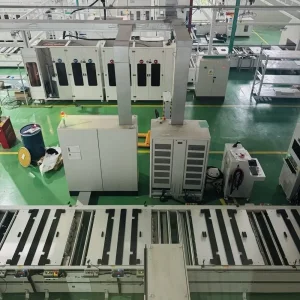
The concentration of premium battery manufacturing in China is not solely a result of scale; it is driven by advanced production technology and supply chain integration. The modern Chinese factory incorporates automated robotic cell sorting, laser welding, and fully simulated aging chambers. At PowerSTN, quality control is integrated throughout the production cycle:
Different industrial environments present unique power stability challenges. Our optimized battery solutions are designed to address these varying operational demands:
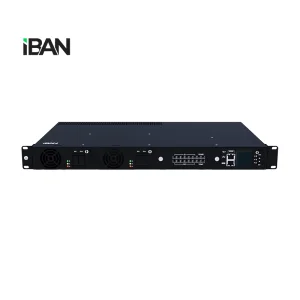
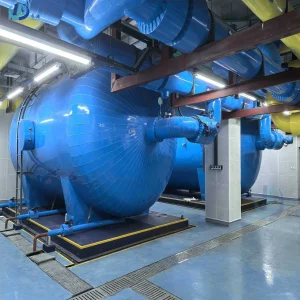
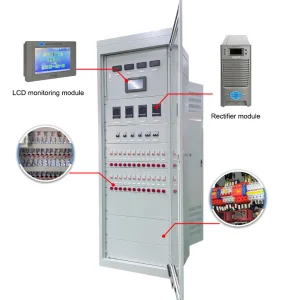
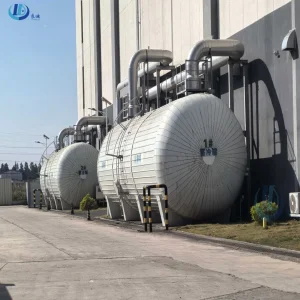
For data facilities and banks, even a millisecond-level drop in power can lead to catastrophic data loss. The integration of RHT Intelligent Li-ion Backup -48V Telecom Power Systems alongside dedicated cold water storage tanks provides a reliable backup infrastructure. When grid failure occurs, the battery backup instantly absorbs critical loads while the Smooth Running Cold Water Storage System maintains temperature stability without introducing structural vibrations that could affect sensitive drive components.
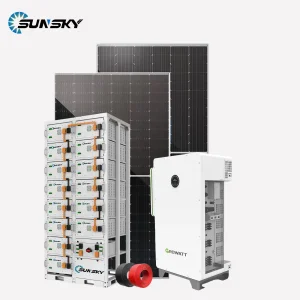
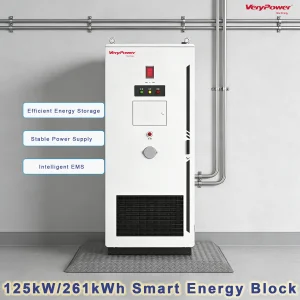
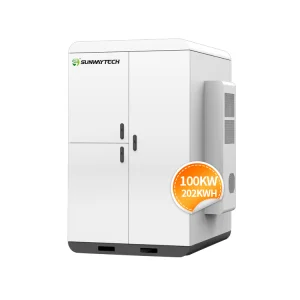
In agricultural settings or isolated infrastructure, grid access is often either unavailable or highly unstable. Deploying an Outdoor 125kW 261kWh LiFePO4 off-grid solar energy storage system allows operators to capture intermittent solar generation and store it for consistent use. The inclusion of internal Power Conversion Systems (PCS) simplifies installation by eliminating external invertor configuration steps, making the entire setup modular and easily expandable.
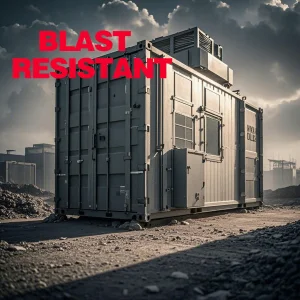
For defense sectors, chemical plants, or mining locations, batteries require physical protection against external forces. Customized blast-resistant, explosion-proof container enclosures safeguard critical energy storage systems against physical damage and fire hazards, ensuring operation during emergencies.
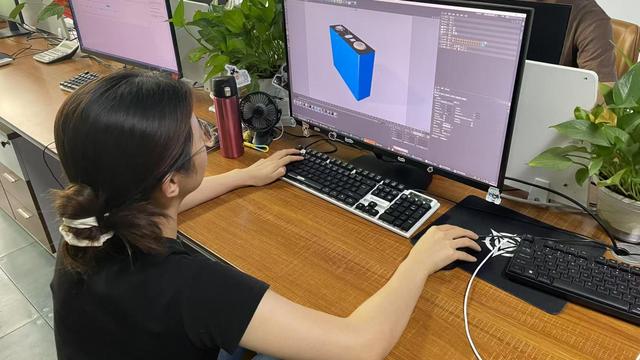
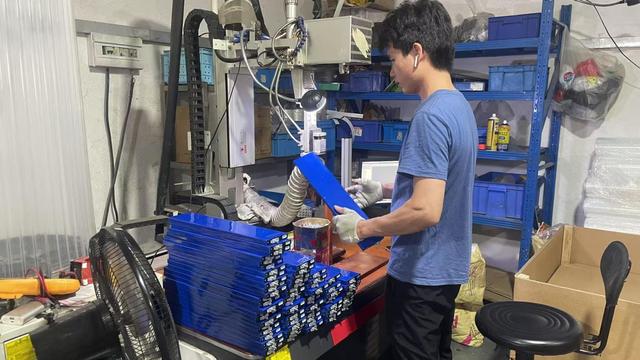
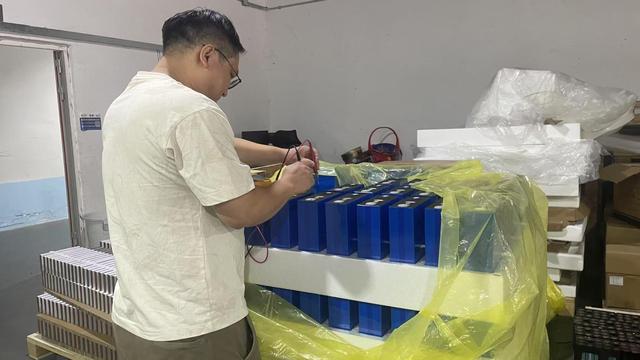
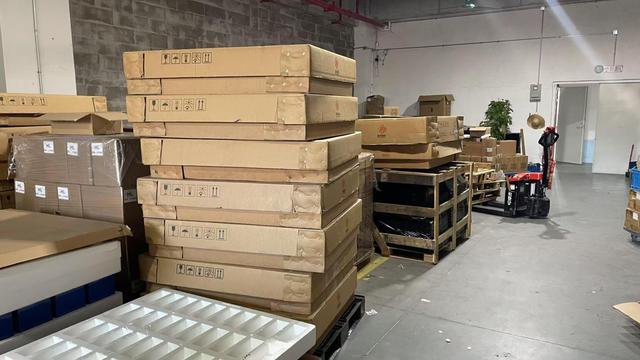
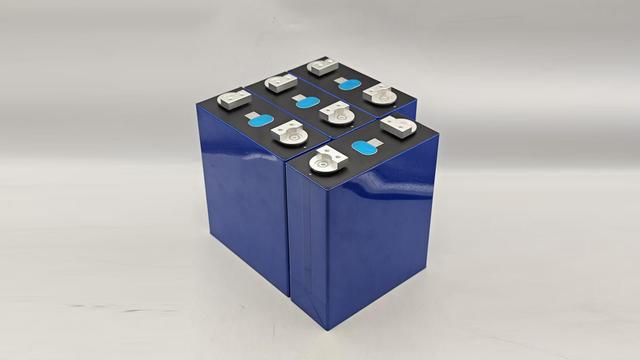
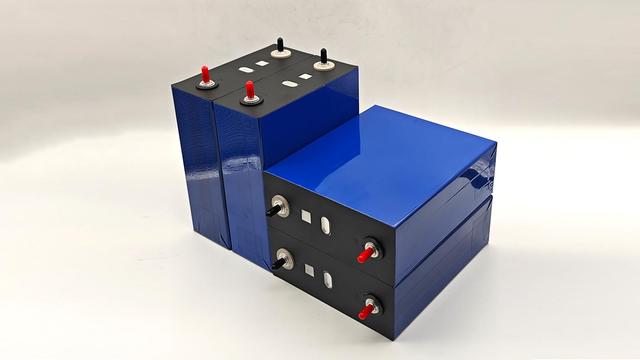
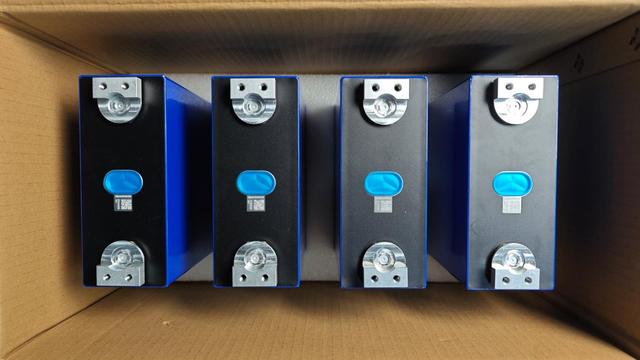
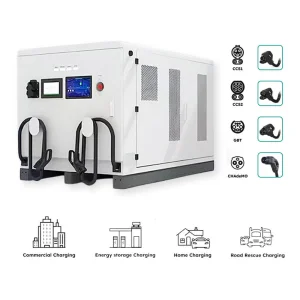
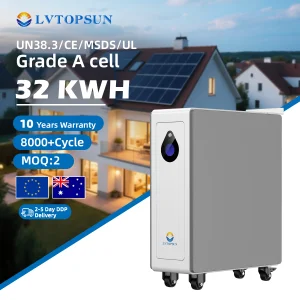
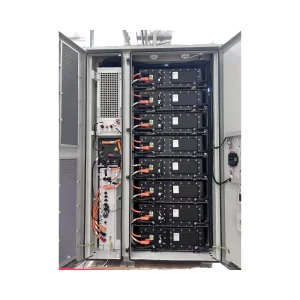
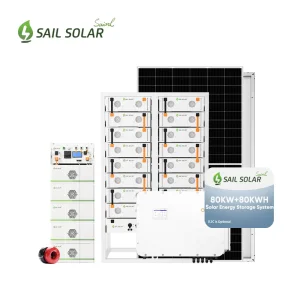
Select from our range of high-voltage stacked systems, smart home storage, commercial charging integrations, and high-performance cells.
 PowerSTN Energy