Shenzhen PowerSTN Energy Co., Ltd. is a leading China-based manufacturer specializing in advanced energy storage battery solutions for residential, commercial, and industrial (C&I) applications. The company focuses on the development, production, and integration of lithium battery systems designed to support renewable energy utilization, backup power supply, and energy management projects worldwide.
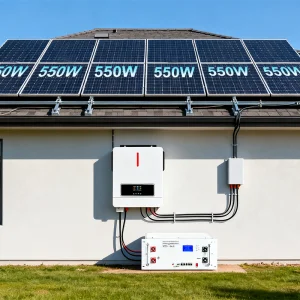
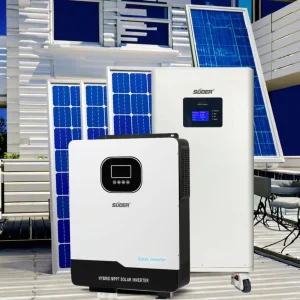
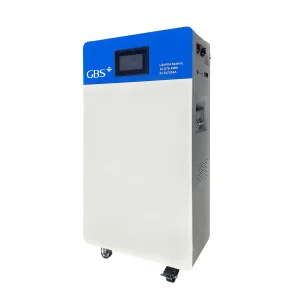
With a commitment to innovation and quality, PowerSTN provides a comprehensive portfolio of energy storage products, including residential energy storage systems, commercial and industrial battery solutions, solar energy storage batteries, off-grid power systems, hybrid energy storage platforms, and containerized battery energy storage systems (BESS). These solutions are engineered to help customers improve energy efficiency, enhance grid stability, and maximize the value of renewable energy investments.
The transition toward decentralized energy grids is accelerating globally. Rising utility costs, grid instability, and aggressive decarbonization targets are pushing commercial and industrial (C&I) operations to adopt microgrid architectures. In regions such as Sub-Saharan Africa, Southeast Asia, and parts of the Americas, off-grid battery energy storage systems (BESS) are no longer secondary emergency power reserves; they are the primary source of operational continuity.
Without reliable power, processing facilities, communication networks, and mining sites face severe economic losses. Implementing high-capacity lithium iron phosphate (LiFePO4) battery systems allows these enterprises to buffer local generation (such as solar photovoltaic arrays and wind turbines), optimize Peak Shaving, and secure a Levelized Cost of Energy (LCOE) that is significantly lower than traditional diesel generation. In modern C&I frameworks, off-grid solutions offer the financial predictability and operational security required to maintain margins in volatile markets.
Different operational landscapes demand tailored energy topologies. Below are the key localized deployments of PowerSTN off-grid technology:
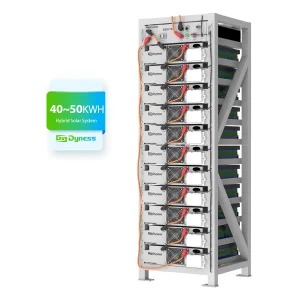
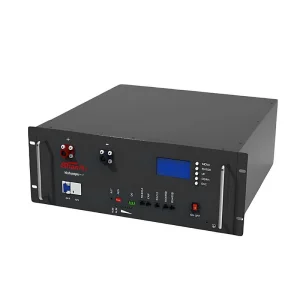
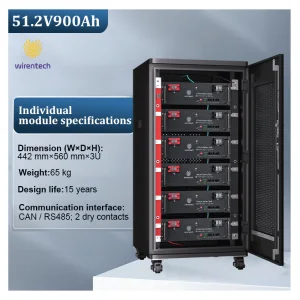
Modern telecommunication towers located in remote zones require reliable, low-maintenance energy solutions. Using rack-mounted 48V LiFePO4 battery systems combined with hybrid solar controllers guarantees 24/7 uptime. High energy density and superior thermal performance allow these units to operate efficiently without continuous active cooling, lowering site maintenance costs.
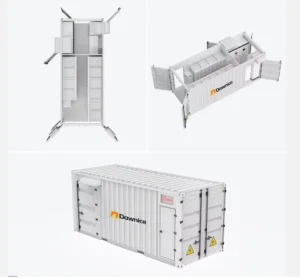
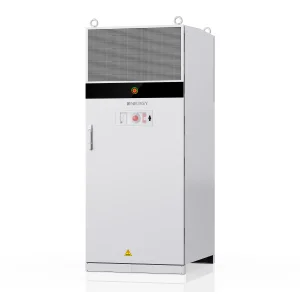
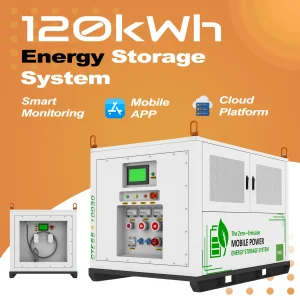
Industrial complexes facing frequent load shedding deploy large-scale containerized systems (e.g., 20FT BESS 1MWh to 5MWh). By pairing these systems with an active Energy Management System (EMS), factories can shift loads seamlessly to battery power during peak pricing hours or grid disruptions, protecting high-value machinery and preventing assembly line resets.
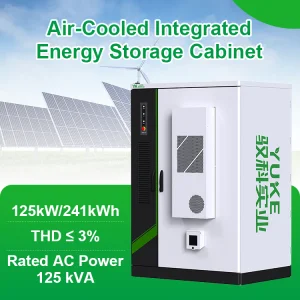
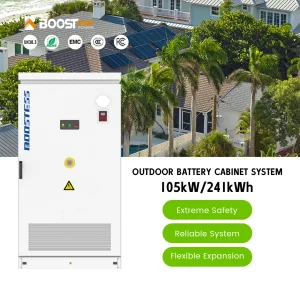
Islands and agricultural communities cut off from centralized utilities depend on robust microgrid grids. High-voltage lithium cluster systems (such as the 125kW 241kWh system) serve as central grid forming units, managing input fluctuations from local solar, wind, and secondary backup generators while ensuring clean power output.
“By pairing intelligent PCS (Power Conversion Systems) with tier-1 automotive grade LiFePO4 cells, our solutions maintain over 80% capacity retention even after 8,000 cycles under controlled thermal conditions.”
The development of BESS technology centers on density, thermal management, and safety. PowerSTN's technical roadmap addresses these priorities through the following innovations:
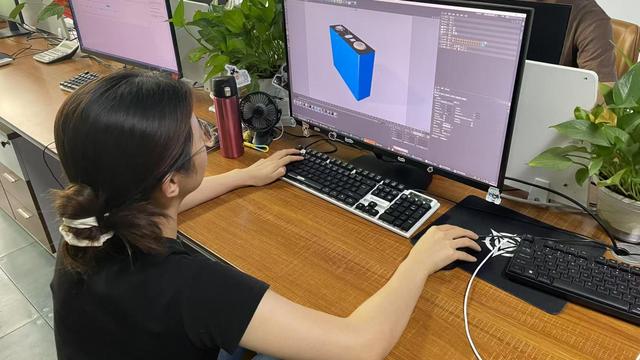
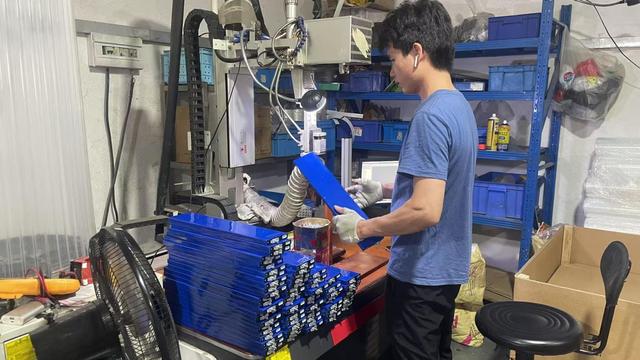
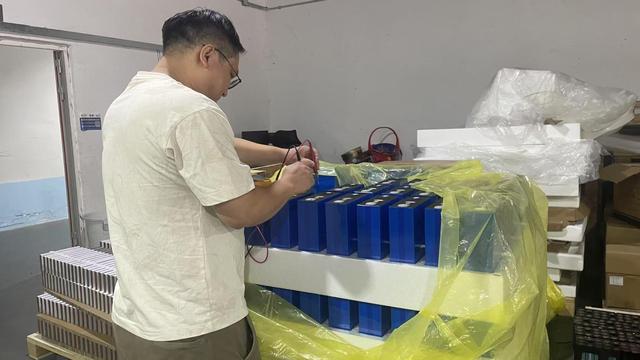
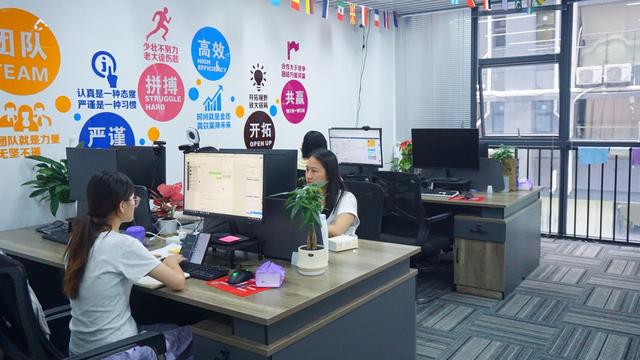
Shenzhen remains the epicenter of the global lithium-ion supply chain. PowerSTN utilizes this proximity to secure high-quality raw materials, BMS microchips, and premium structural components. Operating modern manufacturing facilities equipped with advanced production technologies and strict quality control procedures, our production processes cover cell grading, laser welding, and automated pack assembly to ensure reliable systems.
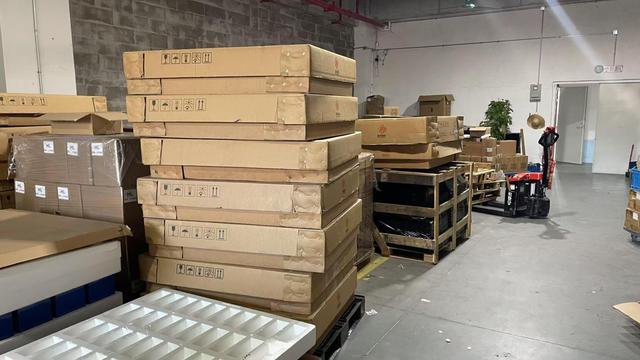
This localized supply chain structure minimizes transit lead times and stabilizes bill-of-materials (BOM) pricing, sheltering international buyers from market volatility. Additionally, our flexible production capacity enables efficient engineering customization (OEM/ODM services) for distributors and system integrators worldwide, delivering tailor-made solutions without the standard lead-time delays.
Compliance and safety are critical in high-voltage system deployment. PowerSTN products are engineered and tested to meet international standards including IEC 62619, UL 1973, CE, UN38.3, and local grid connection compliance codes. Beyond regulatory certification, we offer localized technical engineering support.
From initial feasibility design and battery sizing simulation to commissioning guidance and after-sales support, our engineering team works closely with clients to deliver customized energy storage solutions tailored to specific project requirements. Localized maintenance partnerships in key markets ensure quick component replacements and reduce system downtime.
Air-cooled systems rely on HVAC forced air distribution, which is suitable for moderate environments. Liquid-cooled systems circulate coolant directly through thermal plates contact-mounted to the cells. This provides more uniform cooling, reduces auxiliary power consumption, and is ideal for high C-rate operations and extreme ambient temperatures.
Our Battery Management System (BMS) uses active balancing to distribute energy across cells during charge and discharge cycles. By preventing individual cell overcharging or deep-discharging, thermal generation is minimized, protecting the chemistry structure and extending cycle life.
Yes. The hybrid PCS and energy management systems support automated dry-contact signals to control external diesel generators. The BESS acts as the primary voltage source, initiating generator start-ups only during periods of low solar output and sustained low State-of-Charge (SoC).
We offer customization across multiple levels: system capacity sizing, communication protocol mapping (CANbus/Modbus/TCP/IP), custom structural dimensions for specific rack sizes, and complete branding design for international distribution partners.
 PowerSTN Energy