Direct factory access to highly certified industrial lithium batteries, hybrid systems, and emergency EV charging modules.
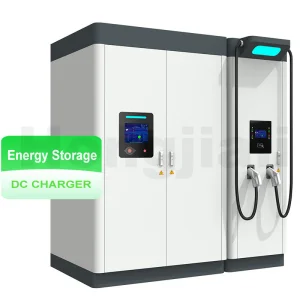
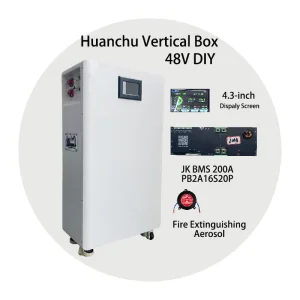
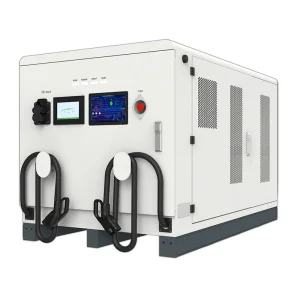
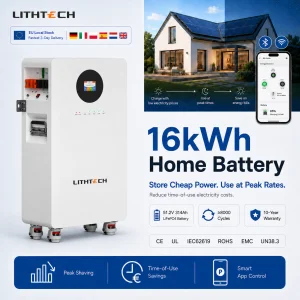
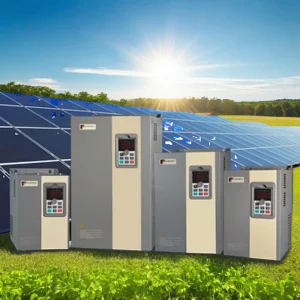
Shenzhen PowerSTN Energy Co., Ltd. is a premier China-based manufacturer specializing in advanced energy storage battery solutions for residential, commercial, and industrial (C&I) applications. The company focuses on the comprehensive development, production, and integration of lithium battery systems designed to support renewable energy utilization, backup power supply, and complex grid management projects worldwide.
With an unwavering commitment to technology innovation and strict quality control, PowerSTN provides a comprehensive portfolio of energy storage products, including residential energy storage systems, commercial and industrial battery solutions, solar energy storage batteries, off-grid power systems, hybrid energy storage platforms, and containerized battery energy storage systems (BESS). These solutions are engineered to help global operators improve energy efficiency, enhance grid stability, and maximize the long-term ROI of renewable energy investments.
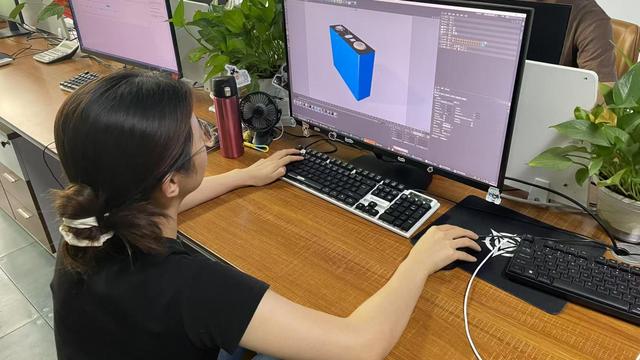
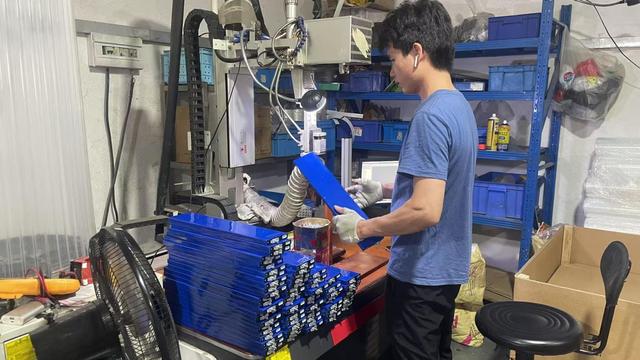
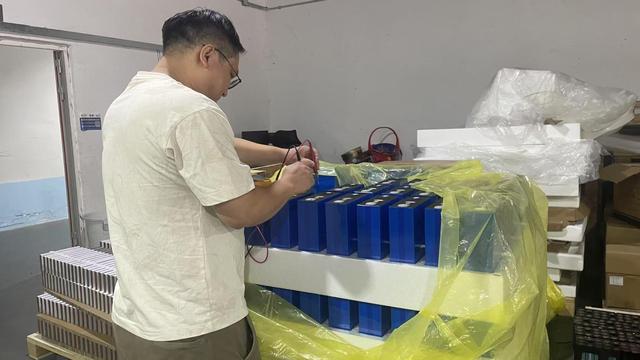
Operating modern manufacturing facilities equipped with advanced production technologies and strict quality control procedures. From battery cell selection and pack assembly to system integration and load-bank performance testing, every stage of production is meticulously managed to guarantee reliability and system safety.
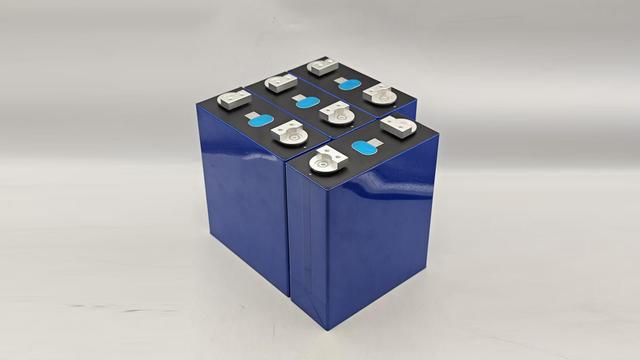
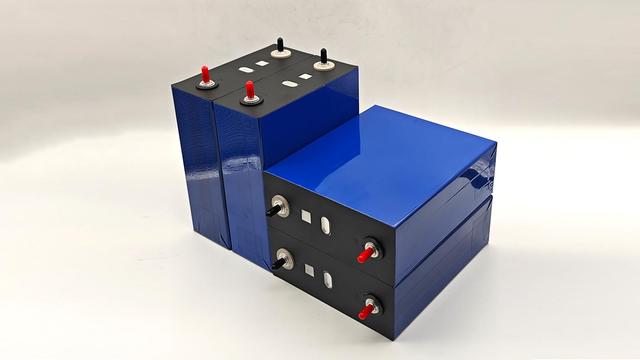
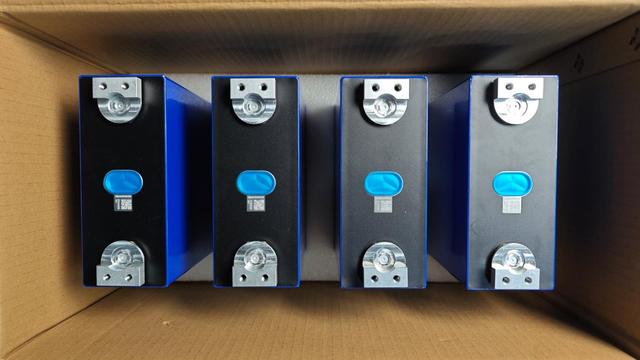
The global backup power solutions sector is undergoing a profound paradigm shift. Driven by climate-induced grid volatility, rapid digitization, and the decentralization of energy systems, industries are moving away from traditional fossil-fueled generators. Instead, they are embracing sophisticated battery energy storage systems (BESS). According to energy market analyses, the demand for industrial-grade energy storage is projected to experience a compound annual growth rate (CAGR) exceeding 20% over the next decade.
This massive shift is driven by structural pressures. Critical infrastructure, including data centers, telecom towers, hospitals, and high-tech manufacturing plants, cannot tolerate even micro-second power interruptions. The transition to Lithium Iron Phosphate (LiFePO4) chemistry has redefined reliability, offering long lifespan, deep depth-of-discharge (DoD), and superior thermal stability.
China represents over 75% of global lithium-ion battery manufacturing capacity. This dominance is not simply based on labor costs; it is built on a highly integrated supply chain. From precursor chemical processing to cell fabrication, active material refinement, and intelligent Battery Management System (BMS) engineering, China's ecosystems offer unparalleled cost-to-performance ratios.
Chinese gigafactories benefit from immediate proximity to key raw materials (Lithium Carbonate, Lithium Hydroxide, and synthetic graphite anodes). This geographic concentration slashes lead times and mitigates international logistics risks.
Manufacturers like Shenzhen PowerSTN Energy invest heavily in automated testing labs, custom cell matching, and active balancing BMS software, ensuring consistent output and strict cell grading.
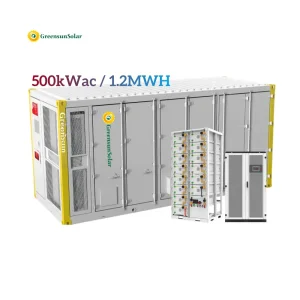
Whether you require a wall-mounted 5kW home battery, a high-voltage 241kWh containerized system, or a massive 1.2MWh grid utility block, Chinese manufacturers scale production from sample runs to volume orders rapidly.
Evaluating a backup power solution requires understanding its component subsystems. A premium BESS is not just a container of battery cells; it is a complex, multi-tiered electrical system. Below is an overview of the critical components that ensure safety, long life, and performance:
Modern backup power systems are deployed across diverse environments, each with unique technical requirements:
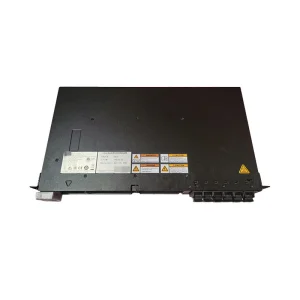
Telecom macro stations require highly reliable DC power sources. Traditional telecom grids depend on embedded rectifiers and 48V AGM batteries. Today, companies rely on embedded intelligent lithium systems, such as the ETP4860-B1A2 48V 60A, which offer high-efficiency operation, compact 1U/2U form factors, and remote SNMP monitoring.
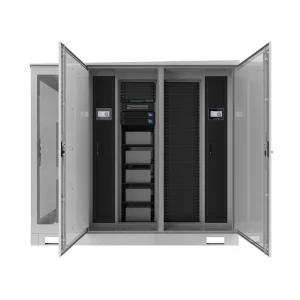
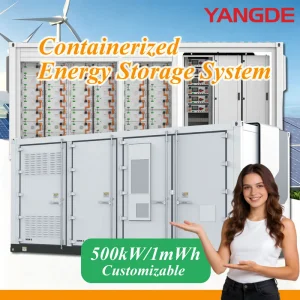
For large offices, data centers, and factories, high-voltage battery storage containers are essential. Large-scale installations—ranging from 241kWh units up to 1.2MWh containers—provide critical peak shaving, load shifting, and uninterrupted operation during grid failures.
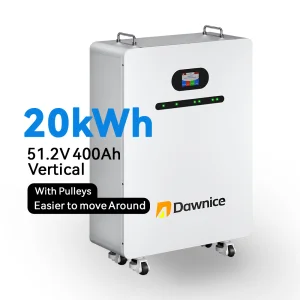
Home solar applications rely heavily on high-voltage powerwalls (like the 51.2V 20kWh Powerwall) and smart hybrid solar systems. These solutions enable homeowners to store excess daytime solar energy, achieve energy independence, and keep critical home loads running during utility blackouts.
For procurement teams, EPC contractors, and global distributors, importing backup power equipment involves strict regulatory compliance, technical verification, and quality assurance. When sourcing high-capacity energy storage systems, prioritize the following criteria:
Verify that cell assemblies and complete systems carry international certifications such as UN38.3 (for safe shipping), IEC 62619, UL 1973, CE, and RoHS. Uncertified lithium systems face severe customs hurdles and insurance liabilities.
Ensure your supplier's engineering team can adapt the communication protocols (such as CAN, RS485, and Modbus) of the BMS to match your site-specific hybrid inverters (e.g., Victron, Growatt, Deye, or SMA).
Look for written capacity guarantees (e.g., at least 70% retained capacity after 10 years or a set number of operational cycles) backed by reliable cell test logs, rather than generic marketing promises.
The energy storage sector is moving toward larger cells, high-voltage system architectures, and smart controls:
Common technical and commercial questions regarding China wholesale energy storage and custom manufacturing.
Premium LiFePO4 cells typically deliver between 6,000 and 8,000 charge cycles when operated at 80% Depth of Discharge (DoD) under optimal temperature conditions (25°C). In typical backup power roles, this translates to an operational lifespan of 10 to 15 years before the battery drops below 80% of its original capacity.
Low-voltage (48V) systems are highly safe and widely used in residential and telecom setups. High-voltage systems (ranging from 100V to over 750V) are designed for larger commercial and industrial projects. They reduce current levels, which minimizes power losses in cables and allows for thinner wiring, leading to higher system efficiency and lower installation costs.
Large containerized battery systems use multiple safety layers, including automated aerosol fire suppression, built-in HVAC cooling, internal pressure release valves, and gas sensors that detect thermal runaway early. The BMS also constantly monitors cell voltages and temperatures to disconnect the system before an electrical issue can escalate.
Yes. Modern factories offer extensive OEM/ODM support. This includes customized metal enclosure designs, bespoke BMS software configurations, tailored communication protocols, and branding/packaging options. They work closely with global buyers to meet specific regional requirements and certification standards.
High-capacity battery systems, trailer-mount emergency power, and utility-scale container solutions for heavy industrial applications.
 PowerSTN Energy