
Shenzhen PowerSTN Energy Co., Ltd. leads the technological curve in wholesale battery storage systems by implementing next-generation LiFePO4 cells, active-balancing BMS architectures, and high-safety liquid thermal management systems.
Based in China's advanced technology manufacturing hub, Shenzhen PowerSTN Energy Co., Ltd. specializes in turnkey commercial, industrial, and residential energy storage systems. Our operations span fully automated production lines equipped with intelligent robotic cell-sorting, automated module welding, and real-time degradation simulation rigs. As a trusted Tier-1 OEM/ODM partner, we supply global system integrators and distributors with certified BESS containers, high-voltage battery cabinets, and residential storage packs.
We ensure long-term operational performance and reliable return-on-investment through rigorous quality control procedures. Our testing protocols encompass cell-level aging tests, high-stress cyclic vibration assessments, and system-level thermal runaway simulations. By optimizing energy efficiency, maximizing safety margins, and maintaining large-scale component inventories, PowerSTN delivers customizable systems that meet stringent international performance and grid-safety codes.
Unpacking the structural trends reshaping wholesale BESS exports, highlighting grid frequency regulations and renewable energy integration.
Aggregated BESS systems participate in grid balancing programs. High-voltage cabinets respond in milliseconds to dynamic signals, capitalizing on peak dynamic tariffs.
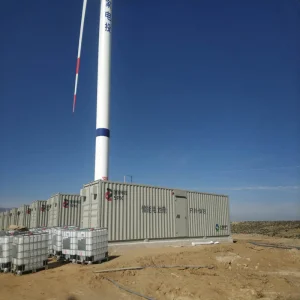
Mitigating wind and solar output volatility. Integrating containerized solutions directly with large-scale utility arrays to smooth ramp rates and prevent curtailment.
Storing energy during low-tariff off-peak windows and discharging it during high-tariff periods, dramatically decreasing payback periods for heavy industrial operations.
An engineering comparison between liquid cooling and air cooling systems, and their economic impact on C&I energy storage.
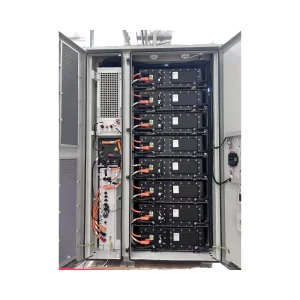
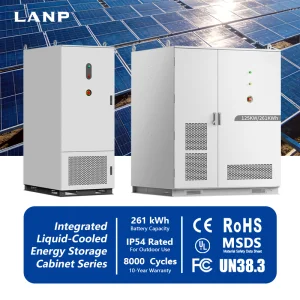
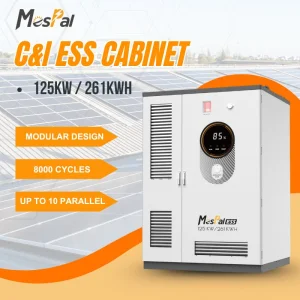
Modern C&I setups like the 232KWh, 261KWh, and 418KWh cabinets utilize liquid-glycol loops to circulate coolant between cells. This architecture guarantees a temperature variation across cells of less than ±2°C. Lower, uniform temperatures decrease degradation rates, reduce risk of thermal runaway propagation, and yield an estimated 20% lifespan extension over traditional air cooling systems.
Air-cooled systems rely on high-velocity fans and internal air channels. While having a lower upfront capital expenditure, air-cooled configurations struggle with uneven heat distribution in high-density systems. In hot climates, cell temperature variances can exceed ±5°C, resulting in unbalanced aging profiles, diminished usable capacity, and elevated safety monitoring requirements.
Exploring cell-level advancements, BMS configurations, and extreme climate modifications defining the next generation of energy storage.
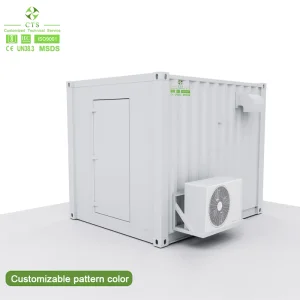
Transitioning from 280Ah to 314Ah LFP chemistry allows manufacturers to cram more energy into standard container profiles. A 20ft container system can now achieve up to 5MWh energy density, significantly reducing civil works cost on-site.
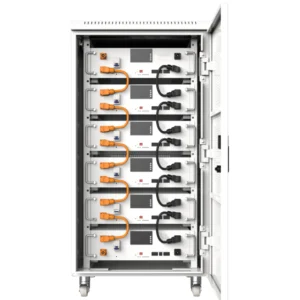
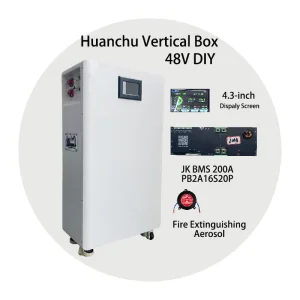
Incorporating smart balancing chips like the JK 200A active balancing BMS. Rather than wasting excess cell energy as heat (passive balancing), active balancing redistributes energy to lower-voltage cells, increasing efficiency.
For cold climates, self-heating systems use embedded heating elements powered by either internal energy or external PV inputs to raise cell temperatures to optimal charging windows, ensuring safe operation at -30°C.
Understanding logistics frameworks and regional safety certifications is vital for smooth deployment of utility-scale energy projects.
To bypass long shipping delays and custom clearance bottlenecks, leading Chinese manufacturers maintain dedicated EU stocks and offer comprehensive DDP (Delivered Duty Paid) shipping services. DDP solutions insulate global buyers from complex import tariff classifications, handling fees, and regional regulatory paperwork, delivering pre-cleared, ready-to-commission equipment directly to the project site.
International markets impose stringent safety regulations on high-voltage equipment. Exported systems must carry international credentials including CE, IEC 62619, UN38.3, and UL 9540A thermal runaway propagation testing. Complete compliance ensures simplified local grid interconnection approvals, lowers commercial project insurance premiums, and guarantees safety over the system's operational lifetime.
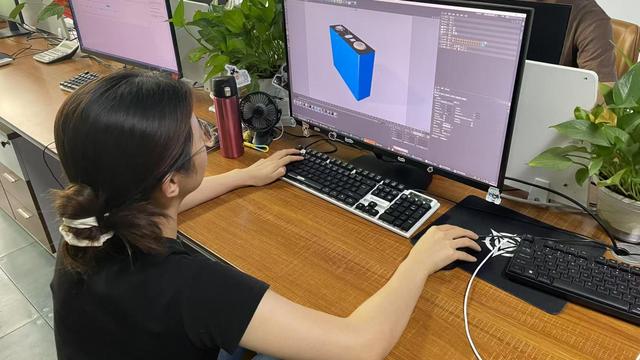
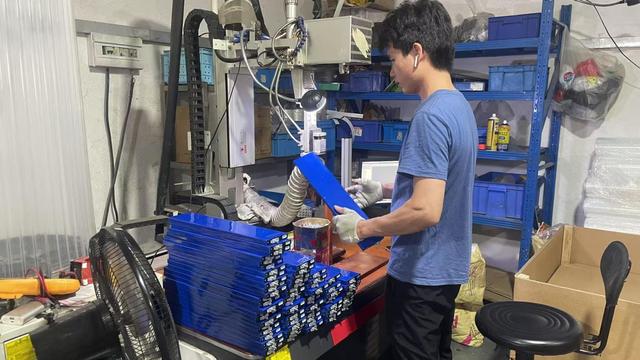
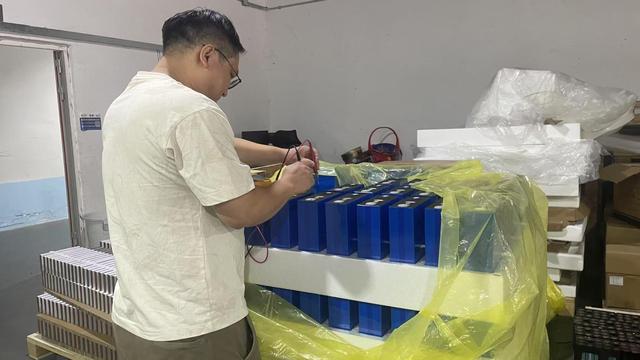
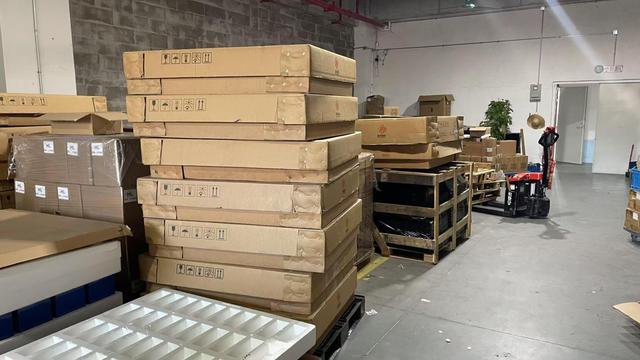
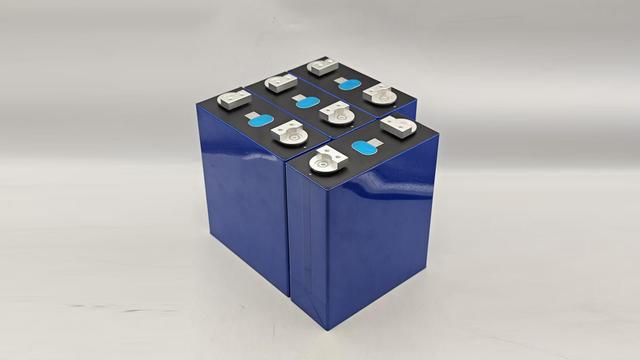
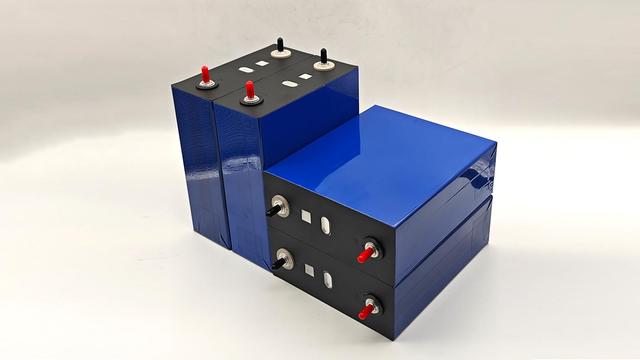
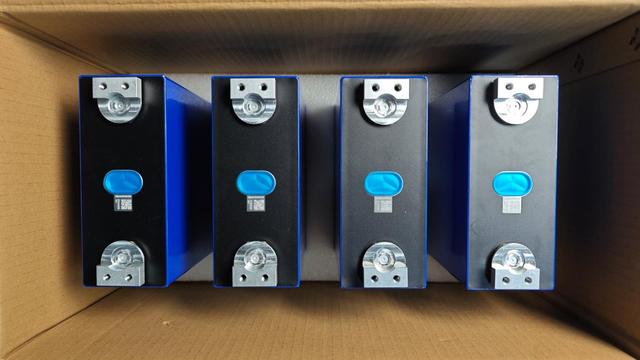
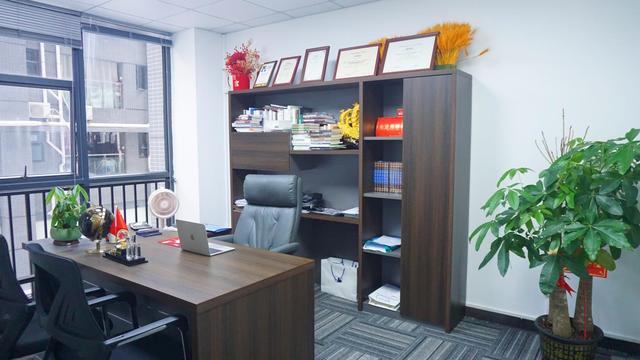
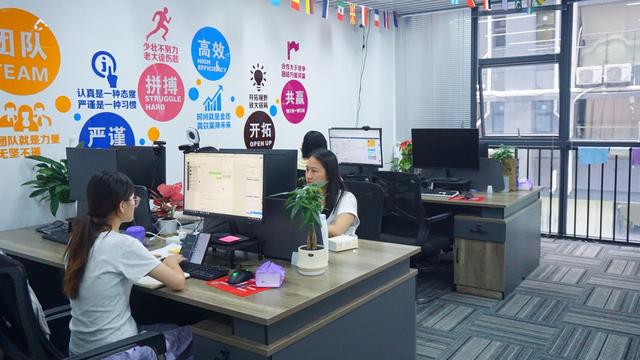
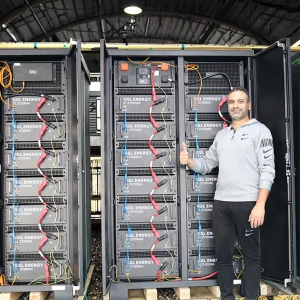
A preview of Shenzhen PowerSTN Energy Co., Ltd.'s modern manufacturing facilities and advanced system integration technologies.
Get answers to the most common engineering and procurement questions regarding wholesale BESS shipments from China.
Liquid cooling provides superior thermal regulation. It maintains the temperature difference between cells within a tight range (< 2°C). This prevents localized hotspots and uneven cell degradation, resulting in a longer system lifetime and higher round-trip efficiency (RTE) compared to traditional forced-air ventilation layouts.
The transition from 280Ah to 314Ah cells raises overall cabinet energy density by approximately 12%. This allows system integrators to install larger storage capacities within identical physical footprints, significantly driving down per-watt-hour shipping, land, and installation expenditures.
Active balancing systems (like the JK 200A BMS) actively transfer energy from high-state-of-charge cells to low-state-of-charge cells, rather than dissipating excess energy as heat (passive balancing). Active balancing maintains cell voltage uniformity across large high-voltage series strings, maximizing usable capacity and preventing premature system cutout.
DDP (Delivered Duty Paid) simplifies the purchasing workflow by shifting import taxes, customs clearance, and inland freight management tasks onto the exporter. Utilizing local stock (such as EU-warehoused equipment) reduces component delivery windows from months down to a few business days, drastically lowering cash-flow bottlenecks for installers.
 PowerSTN Energy