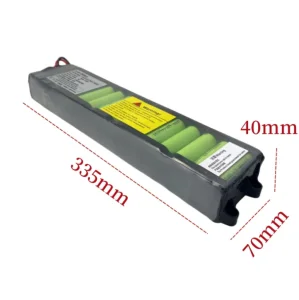
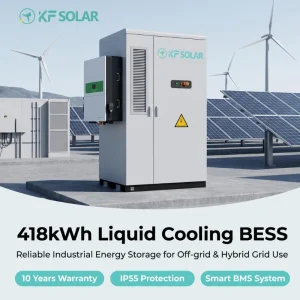
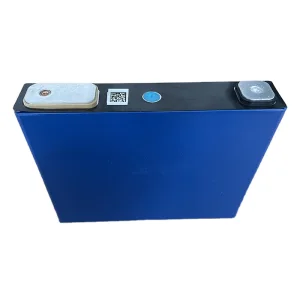
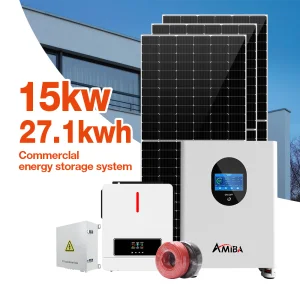
Explore our premium grade product line engineered for high-performance residential, commercial, industrial, and specialized off-road applications.
Shenzhen PowerSTN Energy Co., Ltd. is a China-based manufacturer specializing in advanced energy storage battery solutions for residential, commercial, and industrial applications. The company focuses on the development, production, and integration of lithium battery systems designed to support renewable energy utilization, backup power supply, and energy management projects worldwide.
With a commitment to innovation and quality, PowerSTN provides a comprehensive portfolio of energy storage products, including residential energy storage systems, commercial and industrial battery solutions, solar energy storage batteries, off-grid power systems, hybrid energy storage platforms, and containerized battery energy storage systems. These solutions are engineered to help customers improve energy efficiency, enhance grid stability, and maximize the value of renewable energy investments.
The company operates modern manufacturing facilities equipped with advanced production technologies and strict quality control procedures. From battery cell selection and battery pack assembly to system integration and performance testing, every stage of production is managed to ensure reliability, safety, and long-term operational performance.
PowerSTN serves customers across multiple industries, including renewable energy, telecommunications, data centers, utilities, manufacturing, commercial facilities, and infrastructure projects. Its engineering team works closely with clients to deliver customized energy storage solutions tailored to specific project requirements and operational environments.
In addition to manufacturing capabilities, Shenzhen PowerSTN Energy Co., Ltd. offers OEM and ODM services for global brands, distributors, system integrators, and energy solution providers. By combining technical expertise, flexible production capacity, and customer-focused support, the company aims to be a trusted partner for organizations seeking reliable and scalable energy storage technologies in the rapidly evolving global energy market.
Years Industrial Experience
BMS Life Cycle Count
Exporting Countries
Tier-1 LFP Chemistry Cells
Why Chinese manufacturers lead the global transition toward high-density lithium systems and multi-megawatt configurations.
Chinese factories are situated in the center of the world's most robust lithium battery supply chain. From raw material refining (lithium carbonate, cobalt, iron phosphate) to precursor synthesis, anode/cathode manufacturing, and advanced automated assembly lines, every step is localized. This proximity reduces raw materials transit times, minimizes freight costs, and guarantees uninterrupted production flows.
With thousands of power electronics and software engineers focused on BMS (Battery Management Systems) firmware, liquid cooling topologies, and high-voltage stacked systems, Chinese plants convert customer specs to prototypes at record speed. This agility allows for rapid customization of heavy-duty applications, such as semi-solid-state packs for buggy and utility EVs.
Top-tier Chinese manufacturers subject their systems to rigorous international protocols. Factory lines feature built-in hardware-in-the-loop (HIL) testing, environmental chambers, and vibration test rigs. Products exit the facility fully certified for target markets with approvals including UL 1973, UL 9540A, CE, IEC 62619, and UN38.3 shipping compliance.
"The scale of battery production in hubs like Shenzhen has led to a major cost advantage coupled with technological superiority, making Chinese exporters the primary partner for utility-scale energy innovation projects."
Stay ahead of the competition by understanding the key structural transitions happening within the electrochemical energy space.
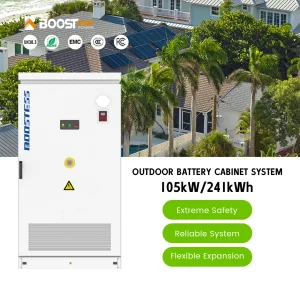
Traditional forced air cooling struggles under high-rate cycling or high-temperature ambient conditions. Liquid-cooled battery cabinets manage temperature gradients within a narrow ±2°C range across all cells, extending overall lifetime by up to 20% and reducing internal parasitic energy consumption.
Commercial & Industrial (C&I) systems are transitioning from low-voltage (48V) to high-voltage stacked setups (512V to 1000V+). High-voltage configurations reduce systemic current, enabling smaller cable sizes, minimizing I²R heating losses, and improving overall round-trip efficiency (RTE).
Semi-solid-state cells replace a portion of the flammable liquid electrolyte with a solid conductive polymer. This significantly reduces thermal runaway risks, increases volumetric energy density, and is ideal for rugged applications like off-road buggies or demanding industrial machinery.
From micro-mobility to mega-watt utility grids, our lithium energy storage platforms adapt seamlessly across environments.
In the digital economy, a micro-second power drop can disrupt global transactions. Using double-conversion online UPS systems in tandem with liquid-cooled LiFePO4 battery cabinets provides rapid response times (0 ms transfer). Liquid cooling ensures thermal safety even during prolonged discharge phases in dense server environments.
For factories and airports operating on fluctuating utility tariffs, energy storage system containers offer peak-shaving benefits. By storing energy during off-peak times and discharging it during peak load hours, enterprises can drastically lower demand charges and stabilize local grids without modifying existing utility connections.
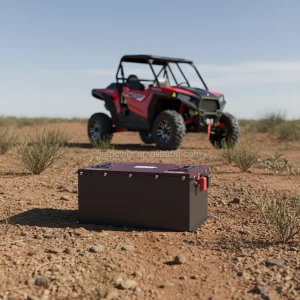
Semi-solid-state LiFePO4 buggy battery packs are replacing traditional lead-acid or standard liquid lithium packs in specialized off-road EV buggies. With high vibration resistance, dustproof casings, and a 300A high-output continuous BMS, these batteries function reliably in extreme off-road terrains without thermal runaway risks.
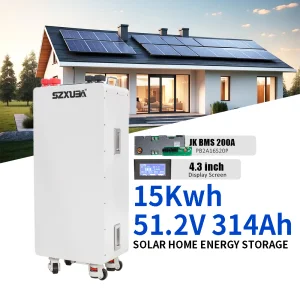
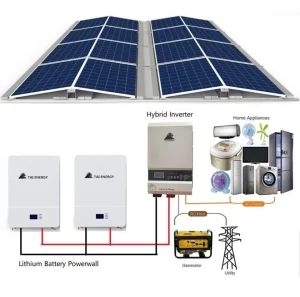
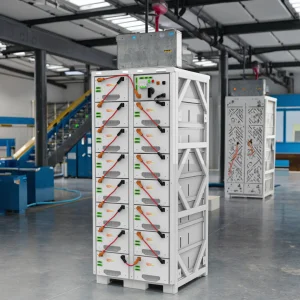
Residential homes demand modular, safe, and clean looking setups. Stackable LiFePO4 batteries (such as 51.2V 306Ah configurations) integrate seamlessly with hybrid solar inverters, enabling users to transition to self-consumption modes. These batteries can easily scale from 15kWh to over 100kWh as household power requirements grow.
Key quality metrics, factory audit targets, and regulatory standards international procurement managers must mandate.
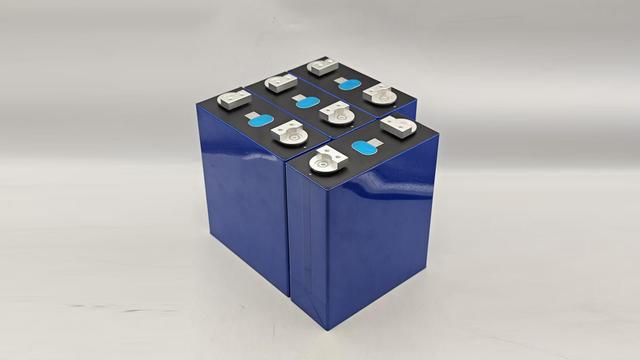
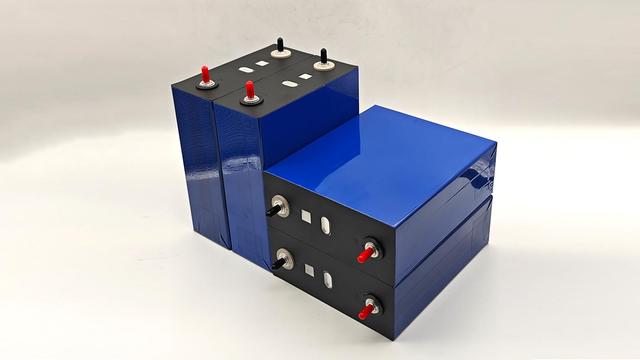
Ensure your supplier utilizes new, Grade-A prismatic LFP cells. Request trace documentation showing consistent capacity, matched internal resistance (IR), and self-discharge rates across cells. This ensures balanced degradation and avoids premature pack failure.
Verify that the built-in Smart BMS supports common industrial communication protocols. Key integrations include CANbus, RS485, and Modbus TCP. This compatibility allows the batteries to communicate smoothly with inverters (like Deye, Growatt, and Victron) and SCADA systems.
With regulations like the EU Battery Passport taking effect, sourcing from factories that actively track carbon footprint, use recycled materials, and adhere to social responsibility standards is essential for maintaining supply chain compliance.
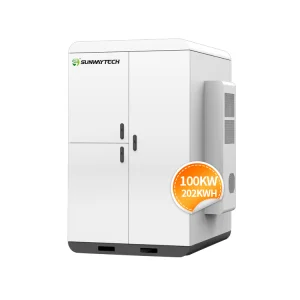
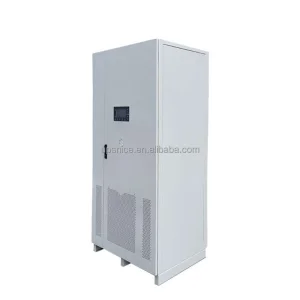
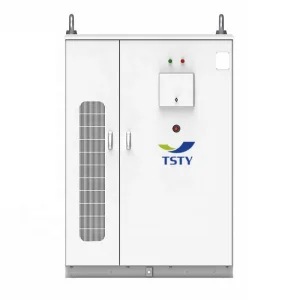
Premium energy systems tailored for deep-cycle reliability, telecommunications, and heavy-duty grid-tied operations.
Addressing the core technical, regulatory, and engineering questions posed by global procurement managers.
Liquid cooling relies on a glycol-water mixture circulated through cooling plates directly adjacent to the battery cells. This offers high thermal conductivity, keeping cells within a strict ±2°C temperature range. Air cooling uses fans to move air across the packs, which can result in temperature differentials of up to 5-8°C. Liquid cooling is highly recommended for high-rate applications (1C charge/discharge) and hot climates, as it prevents localized thermal runaway and extends cycle life by 15-20%.
LiFePO4 (Lithium Iron Phosphate) offers superior thermal stability compared to NMC (Nickel Manganese Cobalt). The P-O molecular bond in LFP chemistry is stronger, meaning it does not release oxygen at high temperatures (preventing combustion). Additionally, LFP boasts a significantly longer cycle life—typically 6,000 to 8,000 cycles at 80% Depth of Discharge (DoD), compared to NMC's average of 2,000 to 3,000 cycles. This translates to a lower Total Cost of Ownership (TCO) for commercial facilities.
A high-voltage smart BMS continuously monitors individual cell voltages, temperatures, and state-of-charge (SoC). It utilizes active balancing circuitry to dissipate excess energy from stronger cells to weaker ones, ensuring uniform state-of-health (SoH). If parameters exceed safe thresholds (e.g., over-voltage, under-temperature, over-current), the BMS triggers contactors to isolate the affected battery stack within milliseconds, protecting the broader grid infrastructure.
For the US market, system-level safety requires UL 9540 (Energy Storage Systems) and UL 9540A (thermal runaway testing), alongside UL 1973 for battery packs. For the EU market, compliance with the Battery Regulation, CE marking, and standards like IEC 62619 and IEC 63056 is mandatory. For transportation, UN38.3 is a strict global requirement for all lithium shipments, ensuring cells survive transit conditions safely.
Yes. Semi-solid-state lithium batteries are highly customizable. Exporters design bespoke form factors, structural casings, and high-discharge BMS configurations (often 300A or higher continuous) to withstand the high vibrations and shock profiles typical of mining equipment, material handling machinery, and electric buggies.
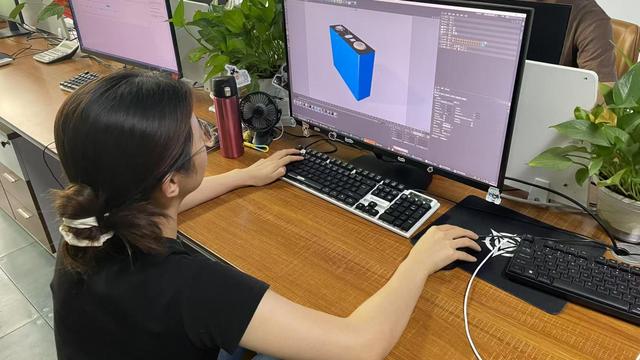
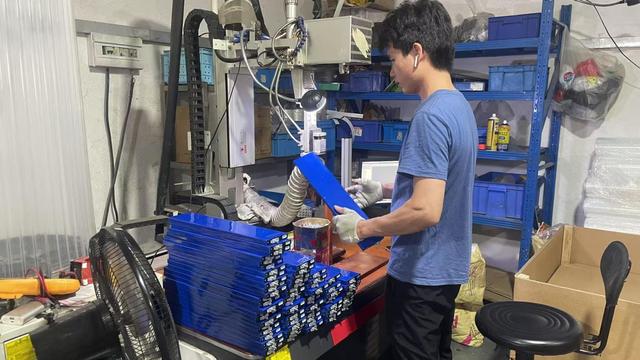
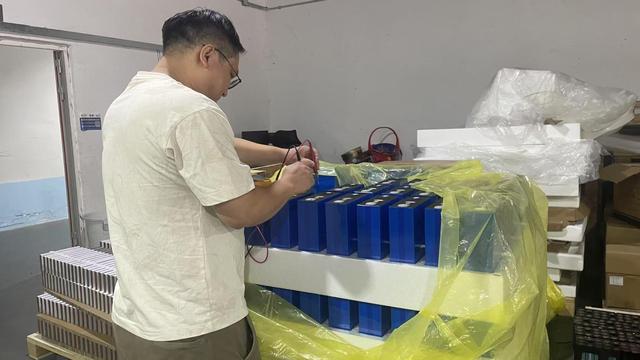
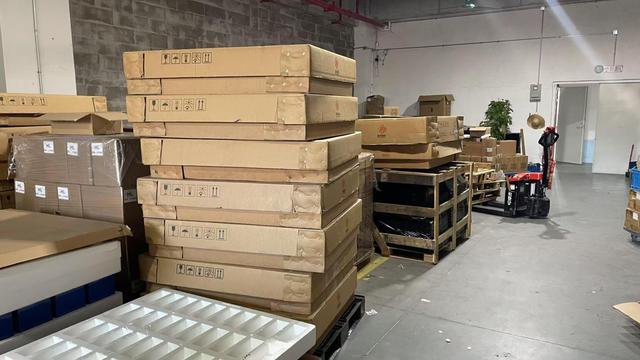
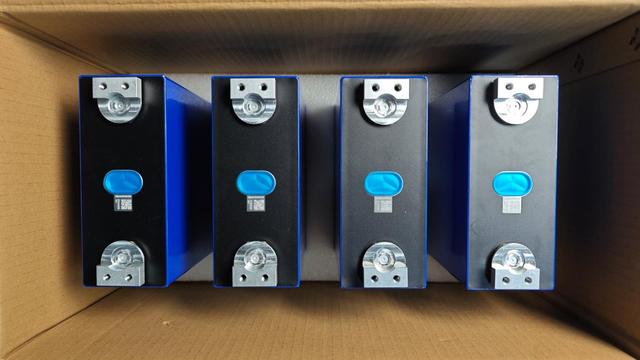
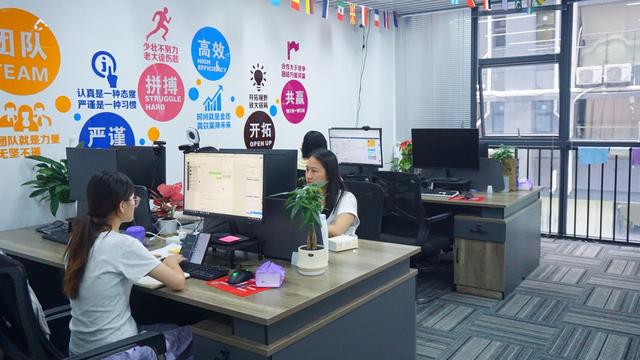
A closer look inside our state-of-the-art production floors, automated assembly lines, and global shipping warehouses.

 PowerSTN Energy