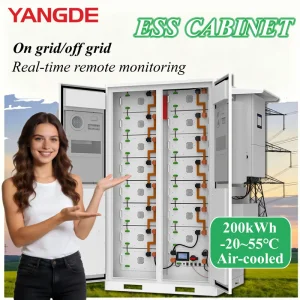
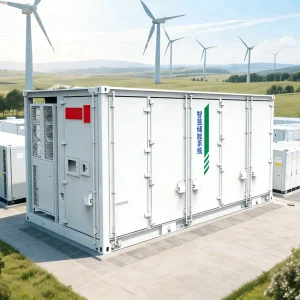
Pioneering energy storage units engineered for advanced thermal efficiency, multi-protocol BMS integration, and demanding environment applications.
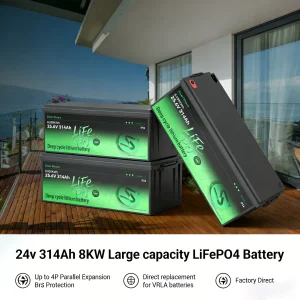
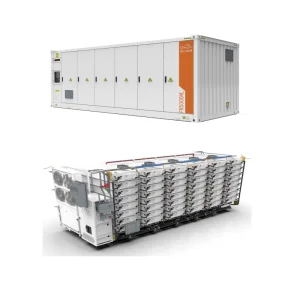
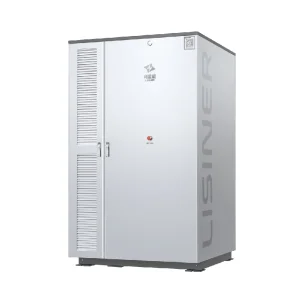
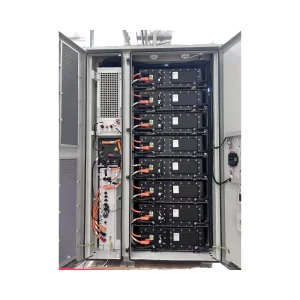
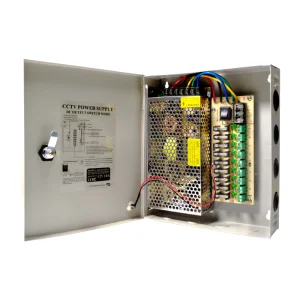
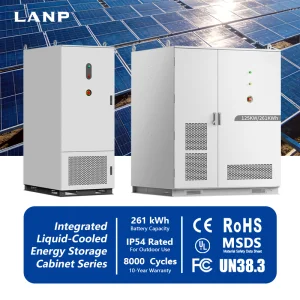
The global transition from centralized power architectures to decentralized Microgrids has accelerated the adoption of Battery Energy Storage Systems (BESS). Within this structural shift, residential energy storage solution (RESS) suppliers act as key enablers. In the modern energy landscape, residential storage is no longer merely a backup utility; it has evolved into a grid-interactive node capable of arbitrage, peak-shaving, and virtual power plant (VPP) aggregation.
Technological advancement is characterized by the migration from traditional lead-acid configurations to highly stable Lithium Iron Phosphate (LiFePO4) frameworks. Key target criteria for procurement directors are no longer constrained to upfront capital cost (CapEx), but focus extensively on Levelized Cost of Storage (LCOS), cycle longevity, and safety compliance. Modern systems deploy multi-level Battery Management Systems (BMS) with functional safety certifications, enabling secure operation across highly volatile distribution grids.
"By 2030, distributed RESS infrastructure is projected to manage over 150 GW of aggregate grid-edge flexibility globally, transforming residential properties from passive consumers to active energy assets."
Modern battery nodes offer real-time power dispatch capabilities. Leveraging smart interfaces, batteries interact dynamically with local distribution management systems to stabilize system voltage and manage localized overload events, particularly during peak generation windows.
Enterprise RESS options support seamless connectivity via CAN, RS485, and Modbus TCP. This enables detailed telemetry export, including state of charge (SoC), state of health (SoH), temperature profiles, and isolated cell voltages, to remote operations centers.
The cost structure and technological reliability of energy storage hardware are heavily dependent on supply chain integration. Manufacturers based in key Chinese industrial hubs benefit from mature industrial clusters, spanning raw lithium extraction, high-purity precursor materials, automated cell packaging, and high-density system integration. By consolidating these production nodes, organizations like Shenzhen PowerSTN Energy Co., Ltd. optimize structural costs while accelerating innovation loops.
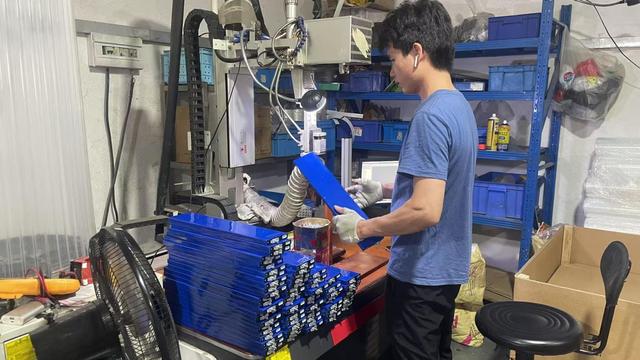
Production efficiency is driven by high-yield automated cell assembly lines and advanced manufacturing execution systems (MES). Automated sorting, laser welding, and inline X-ray non-destructive testing guarantee that large production batches maintain tight tolerances in internal resistance and capacity. For global B2B buyers, this translates to high reliability, minimal field failure rates, and stable operational performance over multi-decade deployment cycles.
Additionally, localized engineering teams facilitate rapid prototyping and flexible OEM/ODM modifications, enabling tailored enclosures, specialized wiring harness integration, and application-specific firmware adjustments for regional power grid configurations.
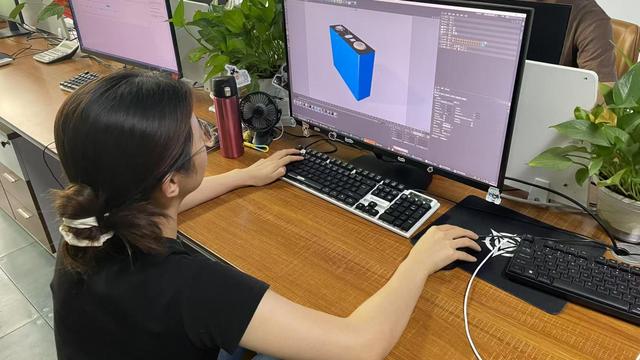
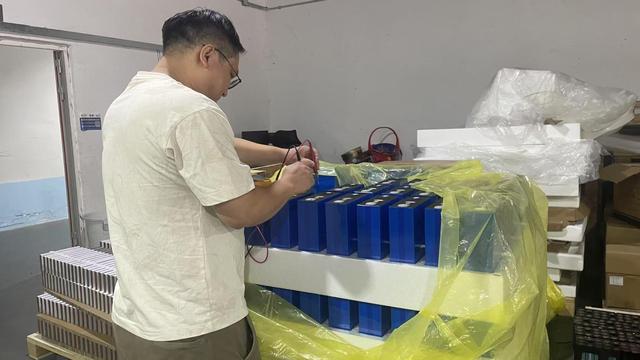
Visual documentation of our advanced manufacturing plant, high-voltage test bays, quality control infrastructure, and global assembly lines.
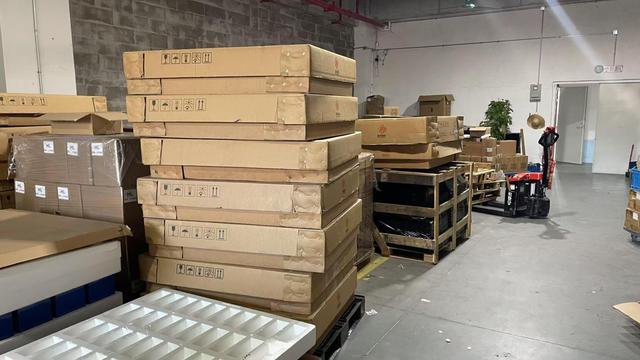
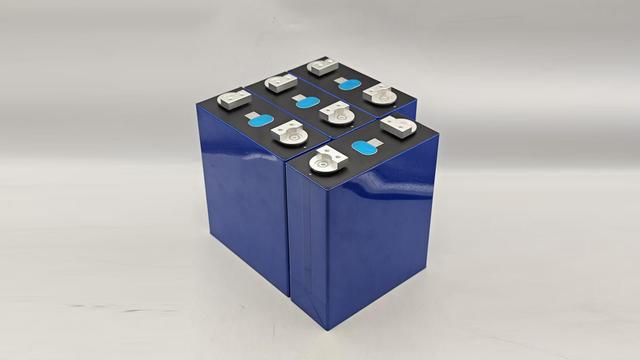
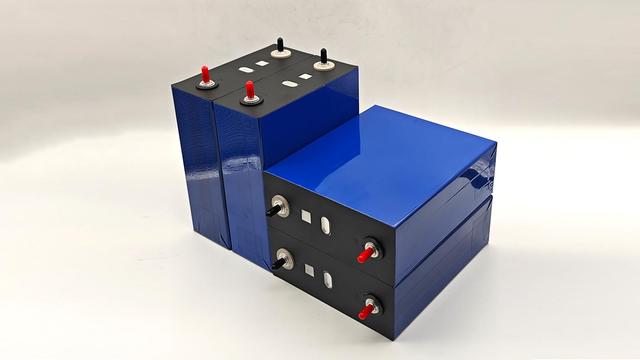
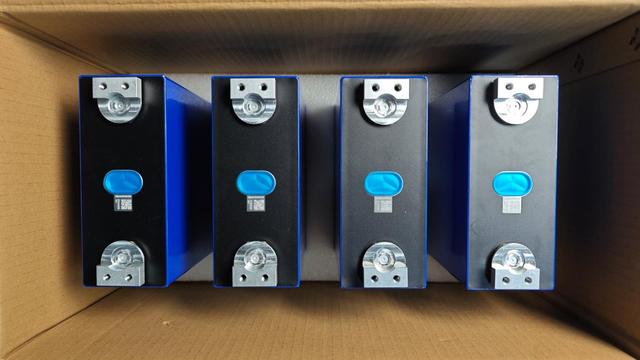


Analyzing the performance of BESS deployments under specialized industrial conditions, extreme climates, and critical grid structures.
Mining operations often occupy desolate geographies characterized by severe diurnal temperature fluctuations. Standard air-cooled batteries degrade rapidly under these conditions. Liquid-cooled, thermal-insulated enclosures maintain cell deviation under 2°C, preventing thermal runaway while guaranteeing reliable continuous 1C discharge profiles.
Urban microgrid integration requires adherence to strict fire safety certifications (e.g., UL 9540, NFPA 855). Modular, wall-mounted, or stackable hybrid systems allow spatial optimization while offering dual-redundant hardware fire suppression, providing safe emergency backup options for high-density environments.
Telecom transceiver base stations rely on consistent DC backup power. Compact 1U/2U rack-mounted LFP configurations offer long cycle lives and higher energy density than lead-acid options, lowering maintenance schedules and cooling costs for base station enclosures.
Key engineering shifts redefining the next generation of battery storage systems.
Legacy systems typically operated on 48V topologies. Modern systems transition to HV configurations (300V to 800V). HV systems reduce current levels, lowering system resistance losses, reducing cable gauge requirements, and improving round-trip system efficiency by up to 3.5% compared to LV equivalents.
As cell densities increase, forced-air cooling struggles to maintain uniform thermal profiles. Liquid cooling plates use specialized dielectric fluids or water-glycol mixtures to ensure optimal heat rejection, which helps double operational lifespans under heavy charge-discharge usage.
Cloud-integrated BMS platforms analyze historical usage and local weather forecasts to optimize battery state of charge. By coordinating charge cycles with dynamic electricity tariffs, smart EMS platforms maximize financial return and reduce operational stress on cells.
Procurement of commercial and residential energy storage units requires careful compliance vetting. Systems must satisfy strict electrical safety, fire prevention, and transportation criteria. When dealing with top suppliers, ensure they provide clear documentation for core industry standards.
Direct engineering answers to frequently asked questions on design, configuration, and battery life management.
LiFePO4 features high thermal stability and structure-level safety compared to NMC chemistries. LFP cell structures do not experience oxygen release under thermal overload, preventing extreme fire events. Furthermore, LFP systems offer cycle lives of 6,000+ cycles at 80% Depth of Discharge (DoD), whereas typical NMC configurations only support up to 3,000 cycles before significant capacity decay.
Liquid cooling systems circulate cooling fluid directly near cell bodies, achieving high thermal conductivity. Air cooling is cheaper but can lead to uneven cooling profiles within dense packs. Liquid cooling maintains low temperature deltas between cells (under 2°C), preventing unbalanced cell degradation and extending the system's operational lifespan by up to 30%.
High-voltage (HV) setups run at 300V to 800V, lower than traditional 48V solutions. This significantly reduces the current needed to deliver the same power. Lower current reduces resistive losses (I²R loss) across cables and converters, resulting in improved system efficiency, lower heat generation, and simplified cabling requirements.
The BMS serves as the system's primary safety and operational manager. It monitors cell voltages, system currents, and pack temperatures in real-time. If it detects over-voltage, under-voltage, over-current, or short-circuit events, it acts to isolate the battery pack, preventing permanent damage or potential hazard propagation.
For European markets, CE, IEC 62619, and EN 50549 certifications are required. In the United States, UL 1973 (for battery packs) and UL 9540 (for complete systems) are required, along with UL 9540A testing data to meet local installation building codes.
Expanding power deployment possibilities with stackable storage configurations, hybrid heat systems, and certified BMS components.
 PowerSTN Energy