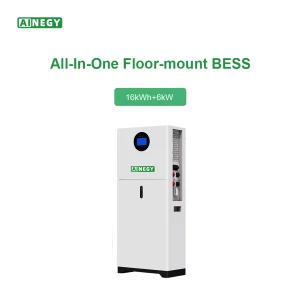
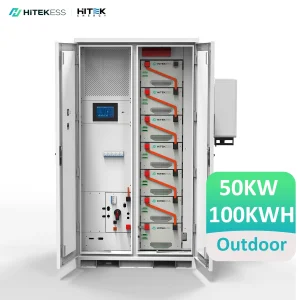
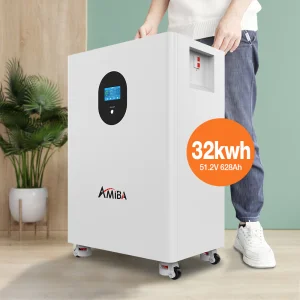
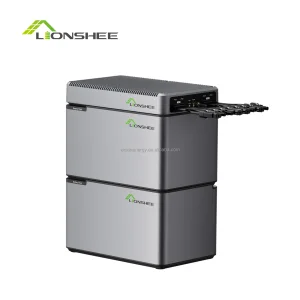
In the digital-first era, telecommunications are the nervous system of global commerce. As 5G rollout accelerates and data consumption hits unprecedented peaks, the demand for resilient, high-density backup power has shifted from a luxury to a critical infrastructure requirement. This whitepaper explores the technological paradigms and market leaders shaping the future of telecom energy storage.
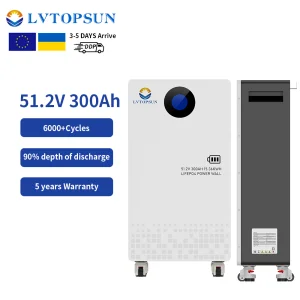
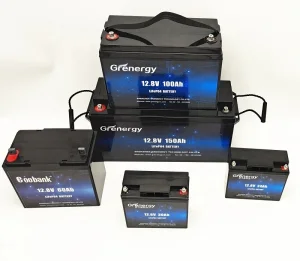
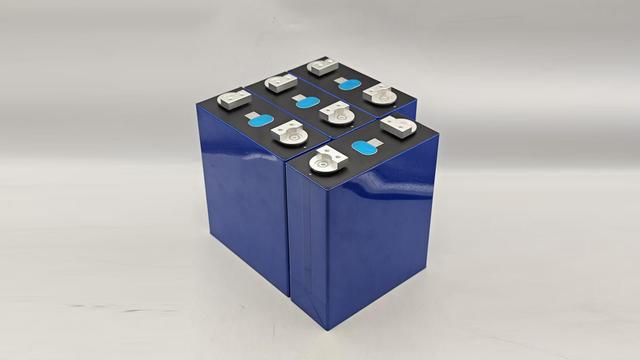
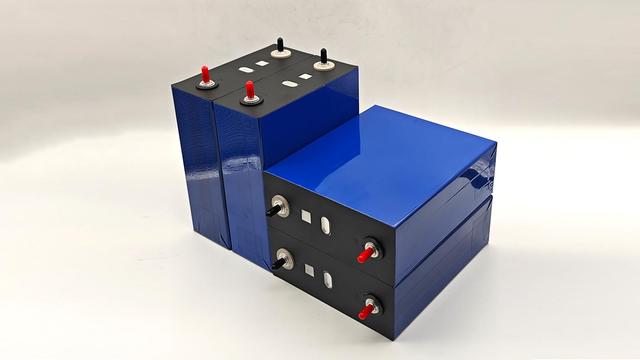
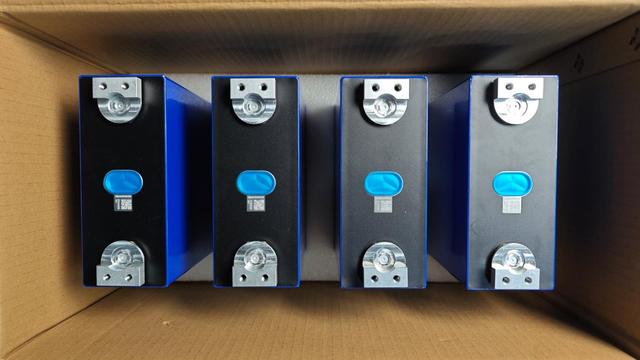
5G base stations require 3x the power of 4G. We explore how LiFePO4 technology meets these compact high-discharge requirements.
Transitioning from Lead-Acid to Lithium-Ion is no longer just about performance; it's a core component of corporate carbon reduction.
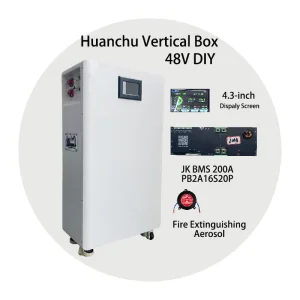
Smart Battery Management Systems (BMS) now utilize predictive analytics to prevent cell failure before it occurs.
The roadmap for telecommunication backup power is moving toward Energy Orchestration. We are seeing a transition from passive "UPS" systems to active "Microgrid Nodes."
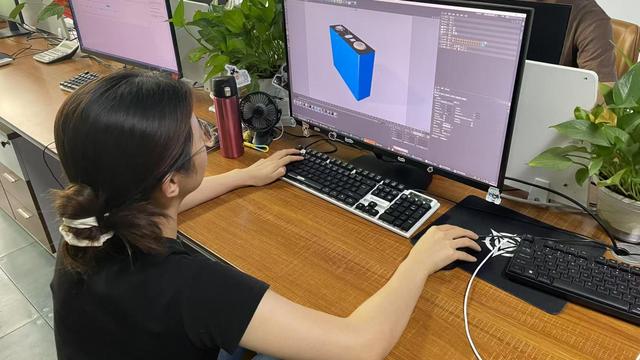
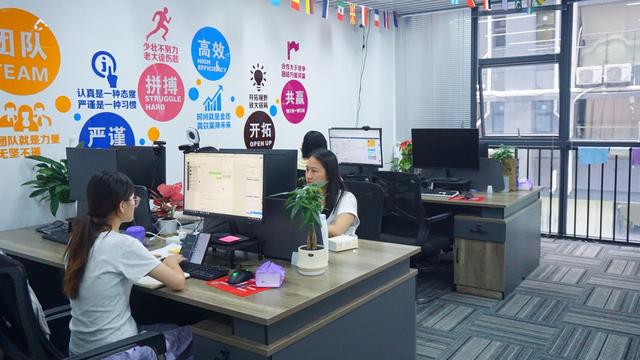
Shenzhen remains the global epicenter for lithium technology. Our Factory 4.0 approach integrates AI-driven quality control at every stage of the assembly line.
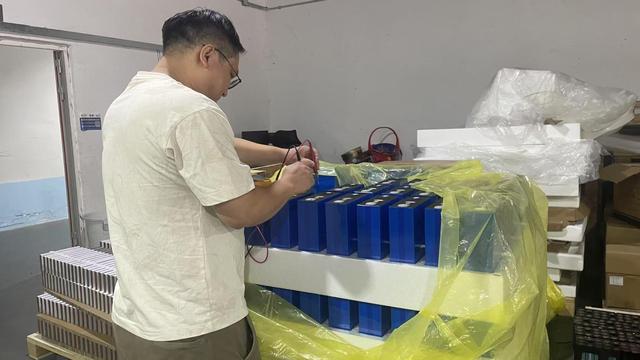
Using precision voltage and resistance testing to ensure +/- 0.05% cell consistency for longer pack life.
From lithium mining to the final BESS unit, every component is logged for compliance and safety audits.
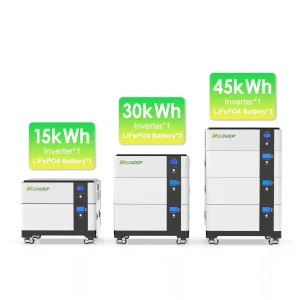
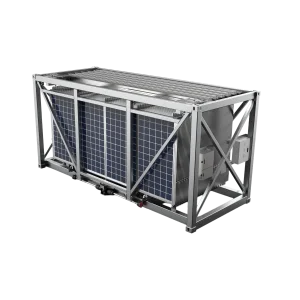
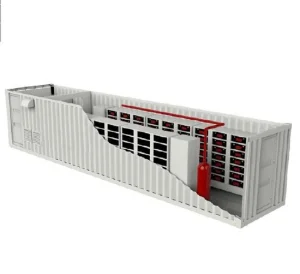
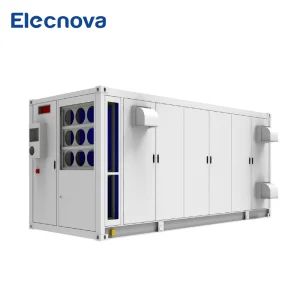
Modular designs allow us to scale from 15kWh residential units to 10MWh industrial containers within the same production ecosystem.
Modern telecom power solutions must address varied global environments—from the extreme humidity of coastal regions to the high-temperature arid deserts of the Middle East.
Exporting to over 80 countries requires more than just shipping products; it requires Regulatory Mastery. Our systems carry CE, UN38.3, UL, and GB/T certifications, ensuring they meet the stringent safety codes of the EU, North America, and Southeast Asia.
Peak Shaving: Our BESS systems allow telecom operators to store energy during off-peak hours and use it during peak demand, reducing operational expenditure (OPEX) by up to 30% annually.
Shenzhen PowerSTN Energy Co., Ltd. is a China-based manufacturer specializing in advanced energy storage battery solutions for residential, commercial, and industrial applications. The company focuses on the development, production, and integration of lithium battery systems designed to support renewable energy utilization, backup power supply, and energy management projects worldwide.
With a commitment to innovation and quality, PowerSTN provides a comprehensive portfolio of energy storage products, including residential energy storage systems, commercial and industrial battery solutions, solar energy storage batteries, off-grid power systems, hybrid energy storage platforms, and containerized battery energy storage systems. These solutions are engineered to help customers improve energy efficiency, enhance grid stability, and maximize the value of renewable energy investments.
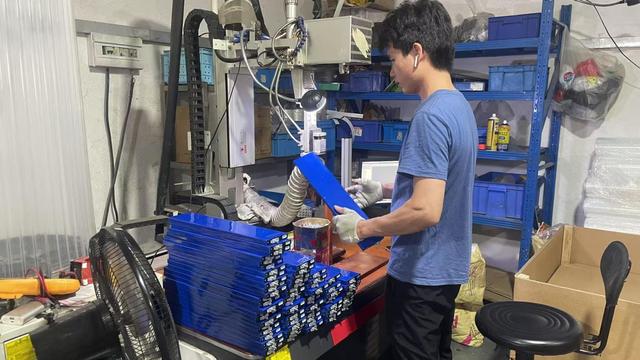
The company operates modern manufacturing facilities equipped with advanced production technologies and strict quality control procedures. From battery cell selection and battery pack assembly to system integration and performance testing, every stage of production is managed to ensure reliability, safety, and long-term operational performance.
PowerSTN serves customers across multiple industries, including renewable energy, telecommunications, data centers, utilities, manufacturing, commercial facilities, and infrastructure projects. Its engineering team works closely with clients to deliver customized energy storage solutions tailored to specific project requirements and operational environments.
In addition to manufacturing capabilities, Shenzhen PowerSTN Energy Co., Ltd. offers OEM and ODM services for global brands, distributors, system integrators, and energy solution providers. By combining technical expertise, flexible production capacity, and customer-focused support, the company aims to be a trusted partner for organizations seeking reliable and scalable energy storage technologies in the rapidly evolving global energy market.

Procurement for telecommunication backup power has evolved from "lowest cost per unit" to "lowest Total Cost of Ownership (TCO) over 10 years."
Modern RFP processes now require simulated degradation curves to prove the battery will maintain 80% capacity over 5000 cycles.
Integration with existing Network Management Systems is vital. Our SNMP-compatible BMS allows global fleet management from one screen.
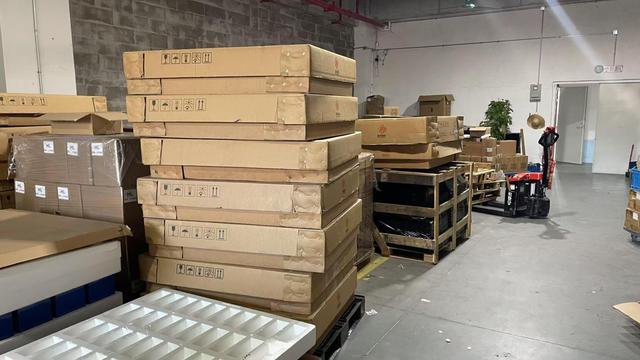
Strategic local inventory (like our EU stock) is a game-changer for reducing downtime and shipping costs.
 PowerSTN Energy