Premium China-engineered energy solutions built for high flexibility, thermal optimization, and seamless grid synchronization.
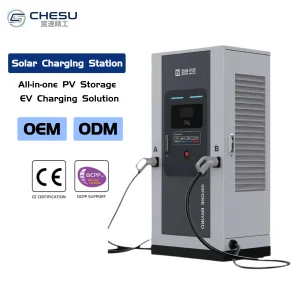
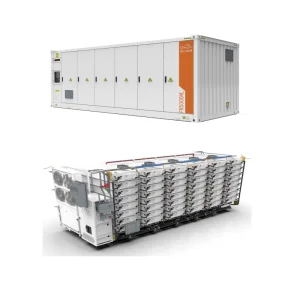
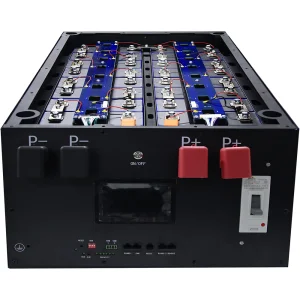
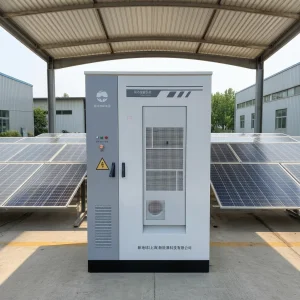
As the international transition towards net-zero carbon operations intensifies, conventional grid infrastructures face unprecedented stability hurdles. The high penetration of volatile solar and wind energy resources has rendered static grids incapable of matching production curves with consumption demands. This imbalance has driven a fundamental demand for Flexible Energy Storage Systems (BESS).
China has solidified its position at the center of this industry, integrating critical elements of the supply chain—from the raw extraction and processing of lithium carbonate to the production of high-density battery cells and active Battery Management Systems (BMS). Today, leading Chinese suppliers do not merely sell battery modules; they export highly engineered, flexible grid-balancing solutions configured to handle dynamic load shifts, Peak Shaving, and microgrid regulation.
"Modern energy storage flexibility is defined by a system's capability to pivot between grid-connected peak shaving and off-grid emergency power. This dynamic switching must occur within milliseconds, safeguarding high-precision equipment in industrial parks and remote installations alike."
Commercial and industrial (C&I) procurement departments look for key performance criteria beyond simple dollar-per-kilowatt-hour pricing. These buyers prioritize:
A closer look at the engineering components that make Chinese flexible storage systems resilient, highly efficient, and globally compliant.
Real-time cell monitoring and voltage balancing prevent localized degradation, extending battery pack lifetimes to over 8,000 discharge cycles.
Maintains cell-to-cell temperature variations within 2°C, reducing battery wear and stabilizing operations under heavy continuous loads.
Intelligent control topologies deliver sub-millisecond response times, crucial for telecom backups and industrial uninterruptible power systems.
Depending on the site application, flexible storage configurations vary widely. Modern engineering focuses on optimizing these system layouts to maximize throughput and round-trip efficiency (RTE).
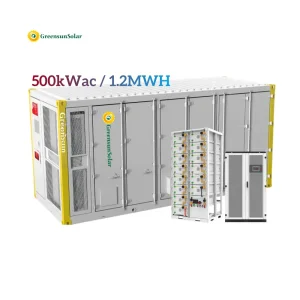
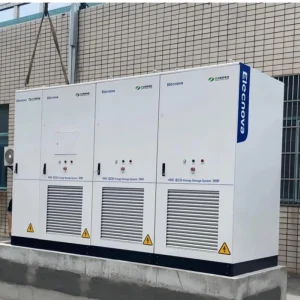
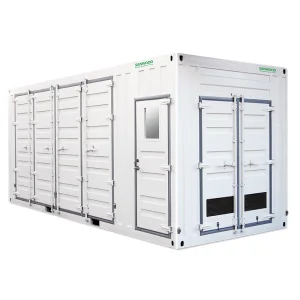
For large-scale utility integration and industrial complexes, containerized Battery Energy Storage Systems (BESS) housed in 20ft or 40ft standard ISO containers are the industry norm. By containerizing the entire block—inclusive of liquid-cooling chillers, fire suppression systems (Aerosol/Novec 1230), and string-level battery management—suppliers provide a pre-commissioned, modular plug-and-play solution. These systems allow local grids to handle high solar generation loads by shifting electricity to peak consumption periods.
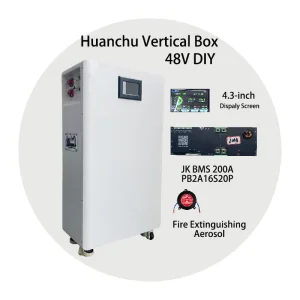
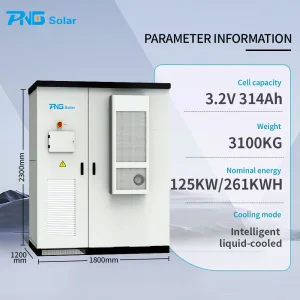
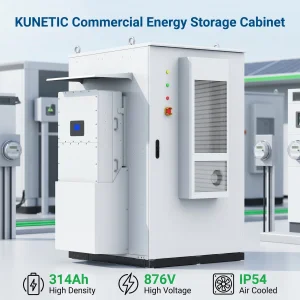
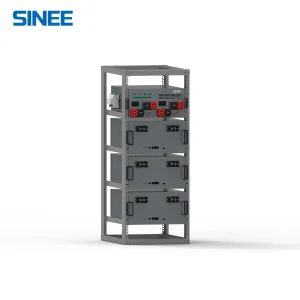
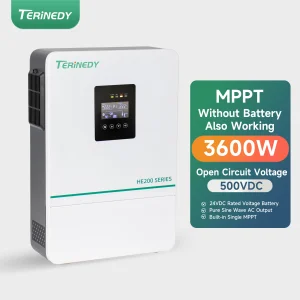
Commercial facilities rely on cabinet storage to manage demand charges. A high-voltage outdoor storage cabinet configured with a dedicated hybrid inverter allows businesses to integrate on-site solar, battery storage, and EV charging stations. This setup minimizes drawing energy from high-tier utility rate blocks, saving significant operational costs.
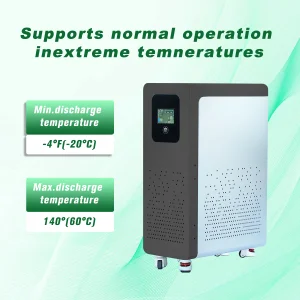
For remote mining camps and telecommunication infrastructure, standard commercial systems are insufficient. In these setups, high-humidity, extreme heat, or freezing mountain climates require IP55 to IP66 outdoor enclosures with dual-compartment thermal isolation, integrated dust filtration, and heavy-duty shock absorption mounts to ensure continuous operation under harsh environmental conditions.
How flexible energy storage design is evolving to meet future energy demands, security regulations, and cost expectations.
Current industry benchmark. Delivers high thermal stability, safety, and a cycle life of 6,000–8,000 cycles. Safest option for high-power industrial deployment.
Emerging choice for extreme cold environments. While lower in energy density, sodium-ion offers lower raw material costs and reliable discharge profiles down to -40°C.
The future horizon. Replacing liquid electrolytes with solid mediums removes fire risks entirely while doubling volumetric energy density for compact installations.
Shenzhen PowerSTN Energy Co., Ltd. is a China-based manufacturer specializing in advanced energy storage battery solutions for residential, commercial, and industrial applications. The company focuses on the development, production, and integration of lithium battery systems designed to support renewable energy utilization, backup power supply, and energy management projects worldwide.
With a commitment to innovation and quality, PowerSTN provides a comprehensive portfolio of energy storage products, including residential energy storage systems, commercial and industrial battery solutions, solar energy storage batteries, off-grid power systems, hybrid energy storage platforms, and containerized battery energy storage systems. These solutions are engineered to help customers improve energy efficiency, enhance grid stability, and maximize the value of renewable energy investments.
The company operates modern manufacturing facilities equipped with advanced production technologies and strict quality control procedures. From battery cell selection and battery pack assembly to system integration and performance testing, every stage of production is managed to ensure reliability, safety, and long-term operational performance.
PowerSTN serves customers across multiple industries, including renewable energy, telecommunications, data centers, utilities, manufacturing, commercial facilities, and infrastructure projects. Its engineering team works closely with clients to deliver customized energy storage solutions tailored to specific project requirements and operational environments.
In addition to manufacturing capabilities, Shenzhen PowerSTN Energy Co., Ltd. offers OEM and ODM services for global brands, distributors, system integrators, and energy solution providers. By combining technical expertise, flexible production capacity, and customer-focused support, the company aims to be a trusted partner for organizations seeking reliable and scalable energy storage technologies in the rapidly evolving global energy market.
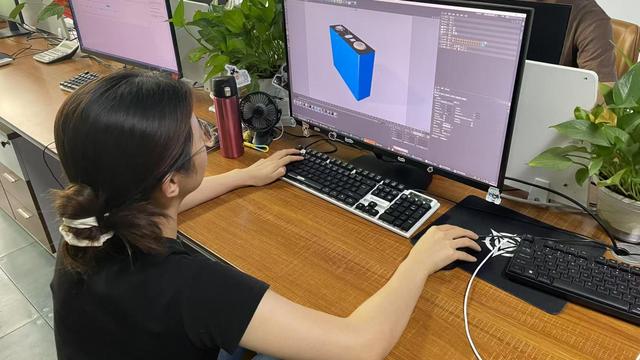
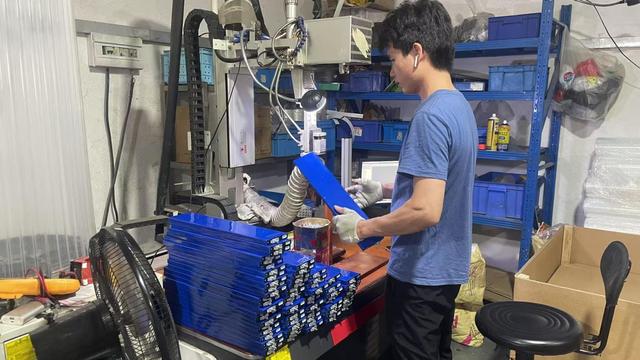
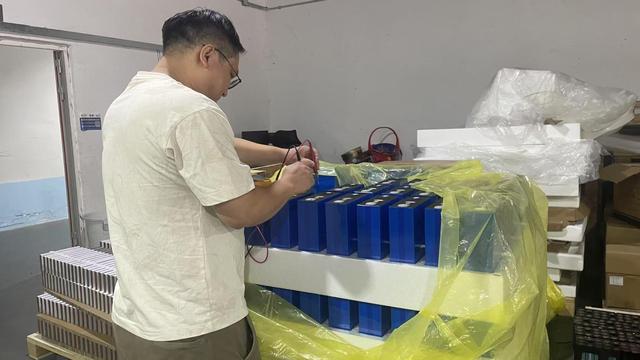
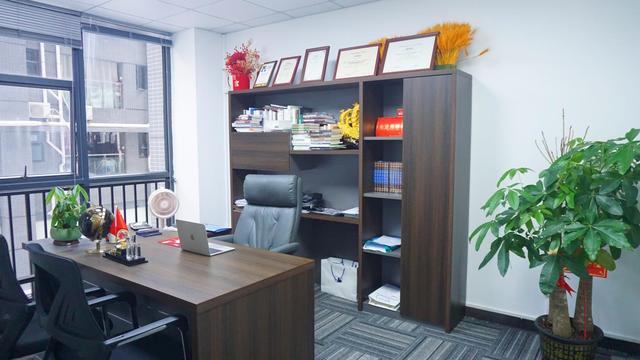
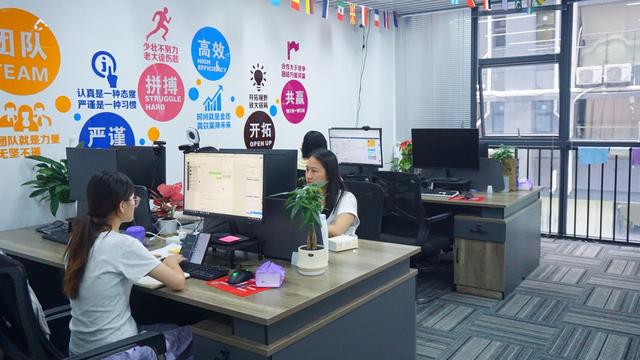
A view inside PowerSTN’s manufacturing line, testing facilities, and industrial storage integration workshops.
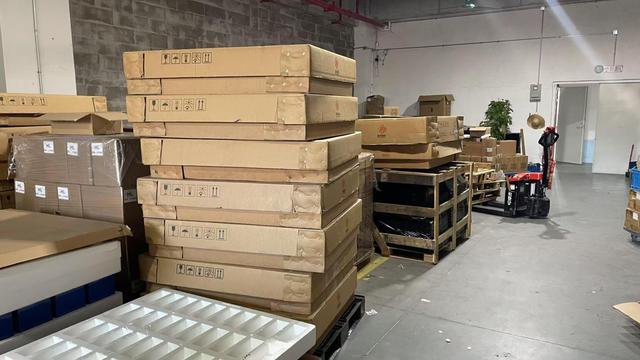
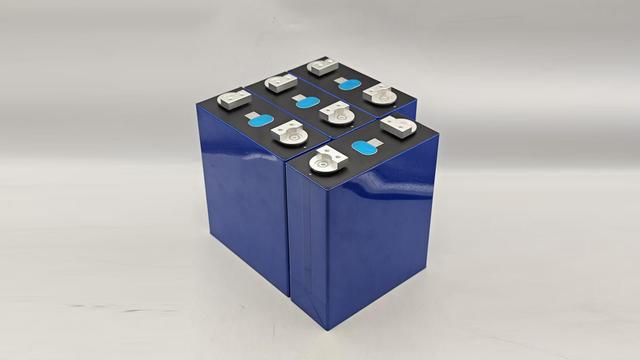
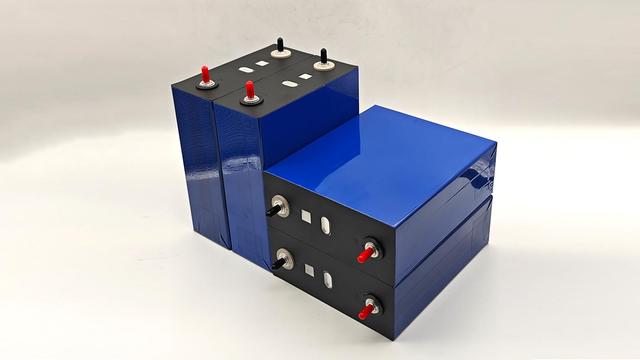
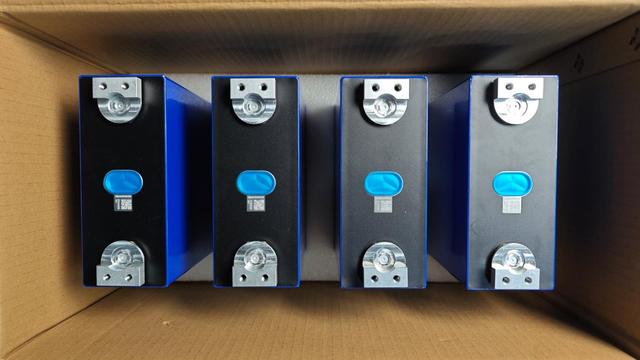
Exporting large-scale energy storage equipment requires strict adherence to international safety codes and logistics regulations. Because lithium battery packs are classified as Class 9 Dangerous Goods, proper documentation, specialized shipping containers, and certified freight forwarders are required to prevent delays and ensure safe delivery.
For import into major international markets, equipment must hold specific certifications:
Chinese suppliers offer flexible logistics arrangements based on client capabilities. For clients with established customs operations, Free on Board (FOB) terms allow direct coordination with their preferred freight forwarders. For clients seeking a simplified procurement process, Delivered Duty Paid (DDP) terms cover all customs clearance, local taxes, import duties, and final destination shipping, bringing the equipment directly to the job site.
Key technical and commercial answers to help you navigate energy storage imports from China.
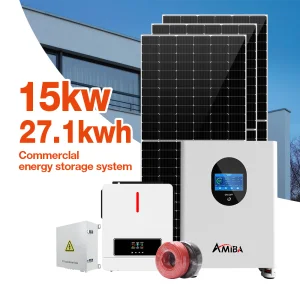
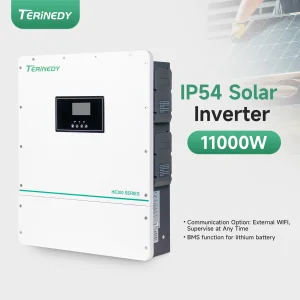
Expand your renewable energy setups with our highly compatible hybrid inverters and containerized BESS systems.
 PowerSTN Energy