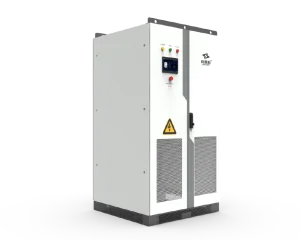
The global transition toward decentralized and renewable energy generation has exposed critical limitations in conventional power grid architectures. Traditional energy networks rely heavily on synchronous generators to maintain stability, a model that is increasingly incompatible with intermittent sources like solar photovoltaics (PV) and wind power. This gap is bridged by Dynamic Energy Storage Systems (BESS). Unlike static, passive battery backups, a dynamic system features fast-acting, bidirectional power electronics, intelligent edge computing, and real-time responsiveness designed to optimize grid frequency, voltage levels, and thermal conditions dynamically.
Today's industrial and commercial buyers seek systems capable of more than simple energy storage. Modern operations require multi-application support, including peak shaving, load leveling, microgrid control, and dynamic frequency regulation. By incorporating advanced Battery Management Systems (BMS) with high-speed, active balancing algorithms, modern BESS hardware continuously adjusts input/output parameters to compensate for microsecond fluctuations. This intelligent adaptation ensures operational stability for delicate commercial systems while optimizing the levelized cost of storage (LCOS).
Industry shifts are defined by three major trends: the transition from air-cooling to liquid-cooling, the deployment of high-voltage (1000V–1500V DC) system architectures, and the integration of artificial intelligence for predictive battery health management.
As energy grids globally face increasing pressure, commercial entities and utilities are refining their procurement models. Enterprise procurement is no longer driven solely by initial capital cost (CAPEX). It is guided by a holistic consideration of long-term reliability, regulatory compliance, localized support, and carbon abatement capabilities (OPEX, LCOS, ESG alignment).
In Europe, buyers prioritize strict compliance with CE safety standards, grid interconnection directives, and local environmental codes like the European Battery Regulation. In contrast, buyers in regions such as Latin America focus on robust off-grid performance, stable operation under extreme environmental conditions, and hybrid compatibility with legacy diesel generators to ensure uninterrupted power supply.
To meet these diverse global demands, suppliers must offer customized options. Standardized off-the-shelf options rarely align with complex grid-forming microgrids or high-demand commercial loads. The capacity to adapt containerized systems to specific thermal envelopes, integrate legacy communication networks, and design customizable racks makes top-tier OEMs and ODMs preferred long-term strategic partners.
Shenzhen PowerSTN Energy Co., Ltd. is a China-based manufacturer specializing in advanced energy storage battery solutions for residential, commercial, and industrial applications. The company focuses on the development, production, and integration of lithium battery systems designed to support renewable energy utilization, backup power supply, and energy management projects worldwide.
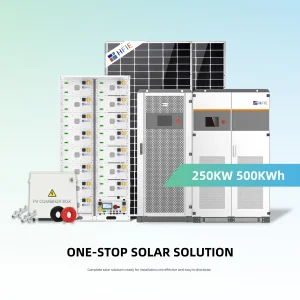
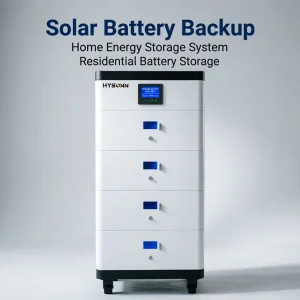
With a commitment to innovation and quality, PowerSTN provides a comprehensive portfolio of energy storage products, including residential energy storage systems, commercial and industrial battery solutions, solar energy storage batteries, off-grid power systems, hybrid energy storage platforms, and containerized battery energy storage systems. These solutions are engineered to help customers improve energy efficiency, enhance grid stability, and maximize the value of renewable energy investments.
The company operates modern manufacturing facilities equipped with advanced production technologies and strict quality control procedures. From battery cell selection and battery pack assembly to system integration and performance testing, every stage of production is managed to ensure reliability, safety, and long-term operational performance.
PowerSTN serves customers across multiple industries, including renewable energy, telecommunications, data centers, utilities, manufacturing, commercial facilities, and infrastructure projects. Its engineering team works closely with clients to deliver customized energy storage solutions tailored to specific project requirements and operational environments.
In addition to manufacturing capabilities, Shenzhen PowerSTN Energy Co., Ltd. offers OEM and ODM services for global brands, distributors, system integrators, and energy solution providers. By combining technical expertise, flexible production capacity, and customer-focused support, the company aims to be a trusted partner for organizations seeking reliable and scalable energy storage technologies in the rapidly evolving global energy market.
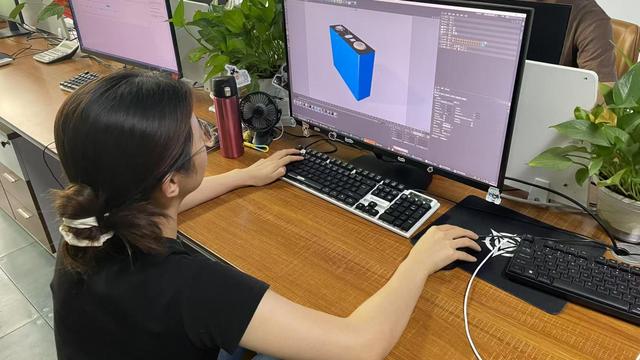
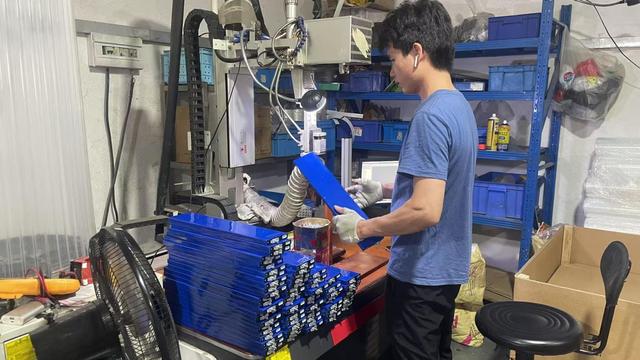
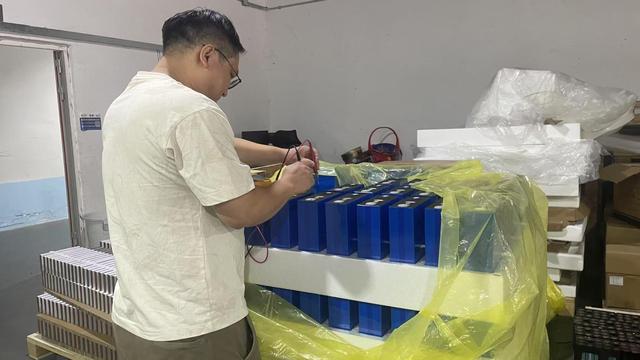
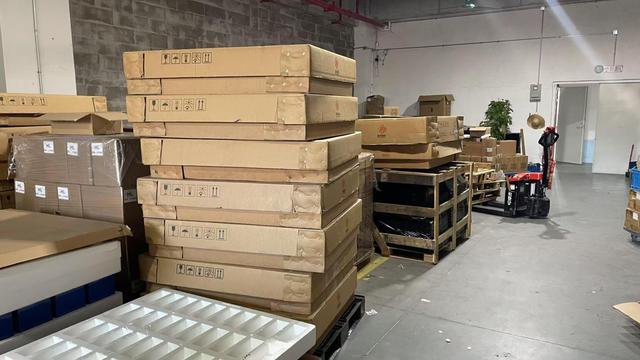
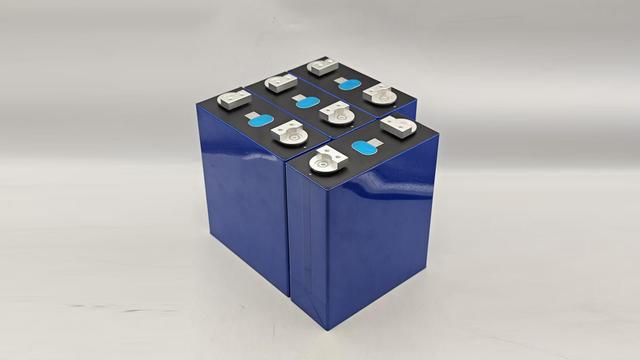
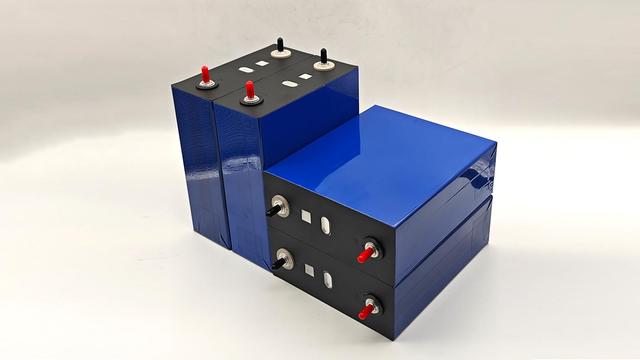
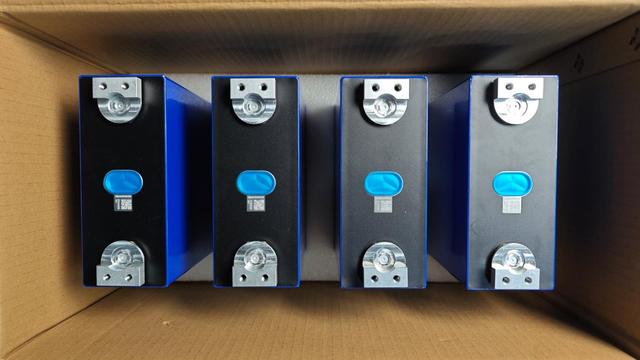
Dynamic energy storage needs vary by sector. Custom solutions are required to optimize performance based on load profiles and operational conditions.
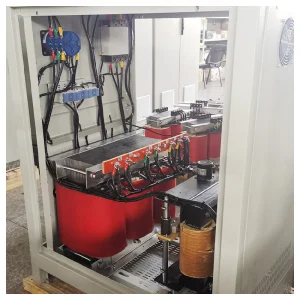
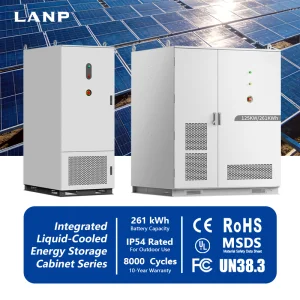
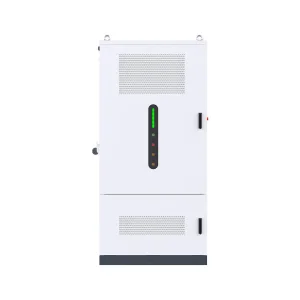
Modern manufacturing plants and commercial properties suffer from steep demand charges calculated based on peak power consumption periods. Our high-voltage liquid-cooled BESS cabinets (such as the 261kWh container solutions) monitor demand peaks and inject stored energy within milliseconds when consumption spikes. This reduces peak load stress on transformers, lowers utility bills, and stabilizes local grids.
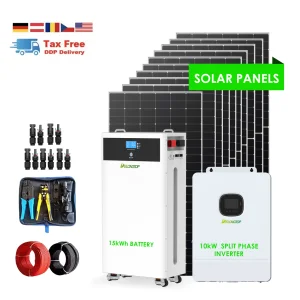
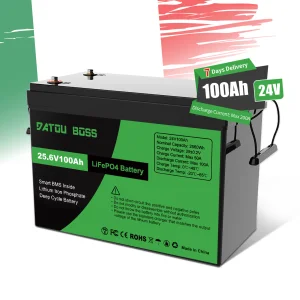
In remote areas, mining sites, and island communities, grid connection is often absent or unreliable. Hybrid microgrid systems combining solar arrays, diesel generators, and LiFePO4 storage act as primary grid controllers. These systems balance dynamic loads, stabilize grid voltage, and reduce reliance on diesel fuel.
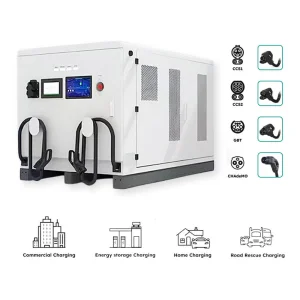
Connecting high-power DC fast-charging stations (100kW to 350kW) to weak distribution systems can cause voltage drops and equipment wear. Integrated EV storage systems buffer the grid by supplying transient current during initial charging peaks, then replenishing storage when stations are idle.
The energy storage sector is transitioning to higher safety margins and longer cell cycle lives. Our technology roadmap focuses on three areas:
We are investing in optimized Lithium Iron Phosphate (LiFePO4) chemistries alongside advanced research into Sodium-ion (Na-ion) architectures for extreme temperature applications.
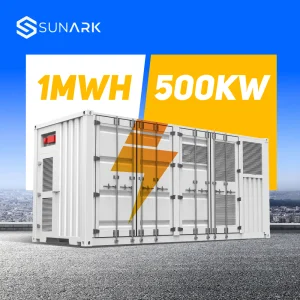
Future iterations of our liquid-cooled outdoor cabinets will feature dual-chamber thermal barriers and eco-friendly fire suppression systems to meet stringent fire safety standards globally.
We are incorporating AI at the edge to enable automated energy trading, smart peak-shaving forecasts, and predictive maintenance schedules based on real-time grid conditions.
 PowerSTN Energy