Shenzhen PowerSTN Energy Co., Ltd. is a China-based manufacturer specializing in advanced energy storage battery solutions for residential, commercial, and industrial applications. The company focuses on the development, production, and integration of lithium battery systems designed to support renewable energy utilization, backup power supply, and energy management projects worldwide.
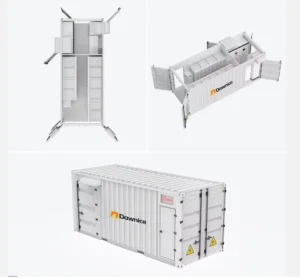
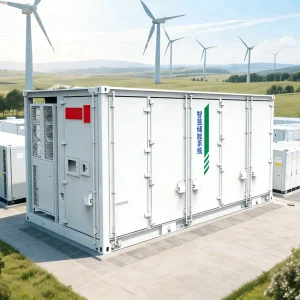
With a commitment to innovation and quality, PowerSTN provides a comprehensive portfolio of energy storage products, including residential energy storage systems, commercial and industrial battery solutions, solar energy storage batteries, off-grid power systems, hybrid energy storage platforms, and containerized battery energy storage systems. These solutions are engineered to help customers improve energy efficiency, enhance grid stability, and maximize the value of renewable energy investments.
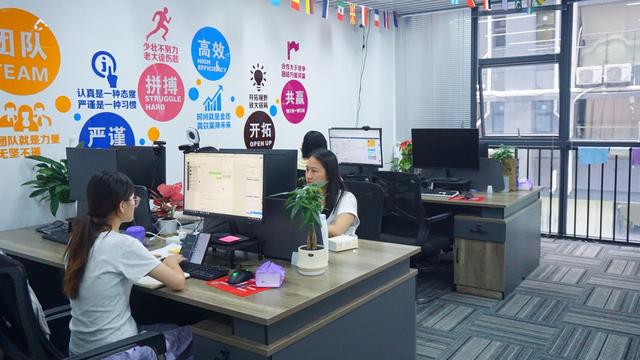
The company operates modern manufacturing facilities equipped with advanced production technologies and strict quality control procedures. From battery cell selection and battery pack assembly to system integration and performance testing, every stage of production is managed to ensure reliability, safety, and long-term operational performance.
PowerSTN serves customers across multiple industries, including renewable energy, telecommunications, data centers, utilities, manufacturing, commercial facilities, and infrastructure projects. Its engineering team works closely with clients to deliver customized energy storage solutions tailored to specific project requirements and operational environments.
In addition to manufacturing capabilities, Shenzhen PowerSTN Energy Co., Ltd. offers OEM and ODM services for global brands, distributors, system integrators, and energy solution providers. By combining technical expertise, flexible production capacity, and customer-focused support, the company aims to be a trusted partner for organizations seeking reliable and scalable energy storage technologies in the rapidly evolving global energy market.
As the international transition towards net-zero carbon operations accelerates, C&I (Commercial & Industrial) decision-makers, EPC contractors, and system integrators face complex decisions. Standard procurement is no longer just about acquiring hardware; it is about mitigating long-term financial risks, ensuring seamless grid integration, and maximizing levelized cost of storage (LCOS). Enterprise buyers demand a multi-layered verification process to evaluate original equipment manufacturers (OEMs).
Addressing thermal runaway concerns through advanced Aerosol and Liquid-cooling fire suppression systems, fully compliant with NFPA 855 standards.
Maximizing capacity density (using 314Ah LFP chemistry) and leveraging smart EMS algorithms for premium peak-shaving efficiencies.
Ensuring long-term stability with 5-10 year modular warranties backed by local technical support teams and hot-swappable components.
Information Gain Insights: When comparing global battery options, purchasing managers must look beyond face-value pricing. Total Cost of Ownership (TCO) is heavily determined by operational auxiliary consumption (such as HVAC and cooling loads) and system degradation metrics. PowerSTN addresses these pain points by integrating high-efficiency liquid cooling and intelligent multi-stage state-of-health monitoring.
The core of Shenzhen PowerSTN Energy's operational competence lies in our modern factory environment. Operating in accordance with Industry 4.0 benchmarks, the manufacturing floor utilizes advanced digital tracking systems (MES) coupled with automated robotics to manage cell Sorting, module laser welding, and high-precision system-level integration.
Uniformity is the single most critical factor in prevent premature pack failure. Our assembly lines feature automated grading machines that measure cell impedance down to 0.1mΩ and voltage down to 1mV. Continuous automated optical inspection (AOI) controls structural integrity during terminal welding, maintaining stability over multi-megawatt configurations.
By operating in Shenzhen, the absolute heart of the lithium battery supply chain ecosystem, PowerSTN possesses strategic access to Grade-A LiFePO4 cells, reliable local semiconductor sources for BMS production, and direct shipping networks. This proximity translates to decreased lead times, cost predictability amidst volatile raw materials markets, and agile custom modification capabilities.
| Process Step | Technical Standard | Quality Metric |
|---|---|---|
| Cell Sorting | IR & OCV Automated Sorting | Impedance Delta ≤ 0.1mΩ |
| Laser Welding | High-Frequency Pulsed Fiber Laser | Welding Pull Force > 1200N |
| BMS Configuration | CAN/Modbus Protocol Mapping | 100% Communication Loop Verification |
| Aging Validation | Full Charge & Discharge Cyclers | Under-load thermal profile assessment |
The energy transition demands constant adaptation. PowerSTN's long-term technical roadmap is focused on improving energy density, safety boundaries, and the economic viability of storage assets through three distinct architectural pillars.
While Lithium Iron Phosphate (LiFePO4) remains the industry gold standard for cycle lifespan and safety, we are scaling production of Sodium-ion (Na-Ion) configurations. In colder climates and off-grid scenarios, Na-ion provides superior low-temperature performance (retaining >80% capacity at -20°C) and acts as a shield against lithium supply disruptions.
As pack size increases, forced air cooling creates temperature disparities within modules. PowerSTN's technical focus is shifting towards integrated liquid-cooling plates. Maintaining cell-to-cell delta-T within 3°C prolongs cumulative container operational lifespans by up to 20% compared to typical air-cooled configurations.
Modern battery management is moving to the cloud. PowerSTN is integrating cloud-based digital twins. Utilizing AI, the system evaluates real-time capacity fade curves, projects thermal anomalies hours before they occur, and dynamically redistributes balancer currents to optimize degraded cell groups.
Energy storage systems cannot be treated as one-size-fits-all hardware. Different grid structures and physical installation locations call for distinct layouts, communication pipelines, and power interfaces.
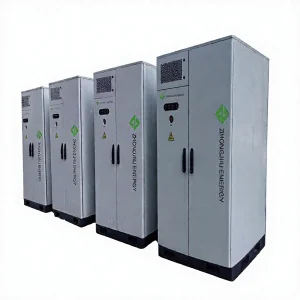
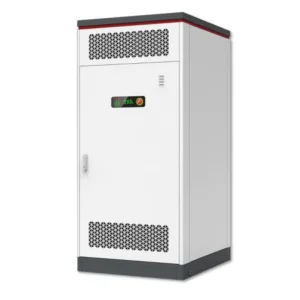
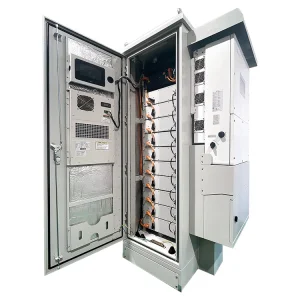
High-capacity outdoor cabinets (such as our 241kWh liquid-cooled system or 265kWh air-cooled cabinets) integrate with local facilities. These solutions reduce maximum demand charges, capitalize on time-of-use (TOU) tariffs, and offer backup power during utility dropouts.
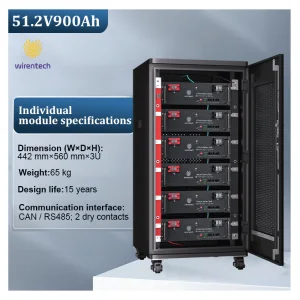
For off-grid base stations, diesel fuel dependency creates high operational expenditures. Our 48V rack-mounted lithium and sodium battery configurations integrate into standard telecom power racks, providing steady, long-duration backup with zero direct maintenance.
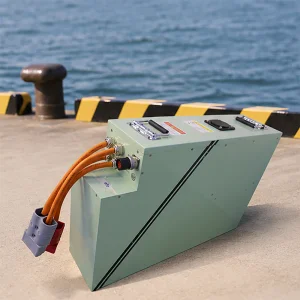
Heavy-duty 51.2V 300Ah marine lithium systems are engineered to resist salt spray, high vibrations, and thermal stress. Developed to comply with DNV standards, these systems power modern superyachts and marine electrical grids securely.
Navigating global regulatory frameworks is a significant challenge for importers of lithium batteries. A failure to comply can lead to customs seizures, denied commercial insurance policies, or field failures. PowerSTN mitigates these liabilities through comprehensive certification testing and regional logistics planning.
Every containerized system and battery pack undergoes strict validation, keeping thermal runway protection and physical crash containment active at all times.
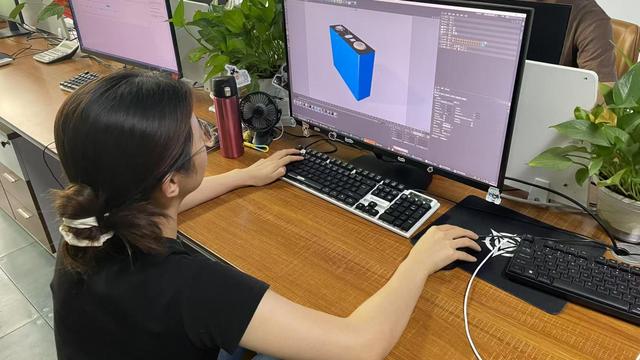
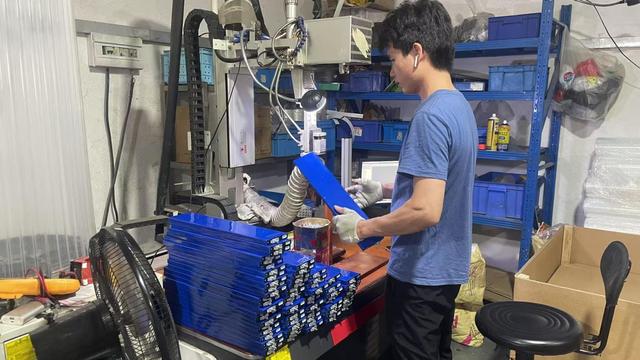
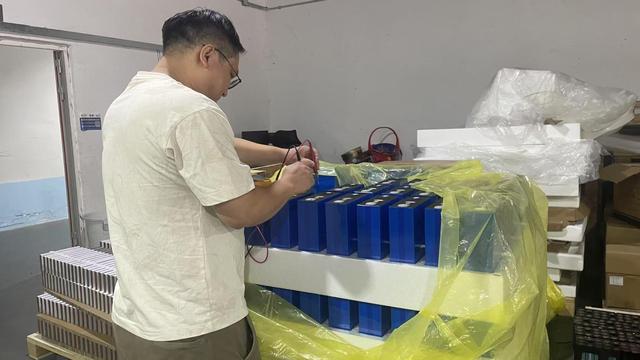
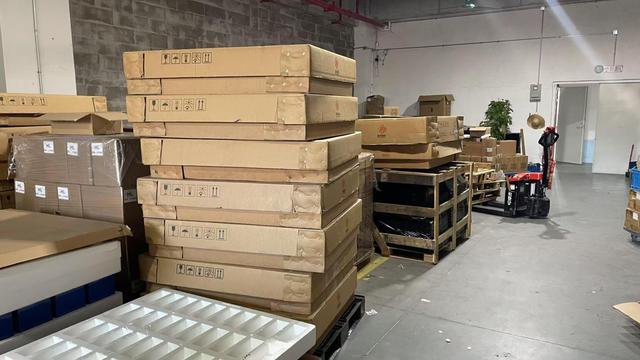
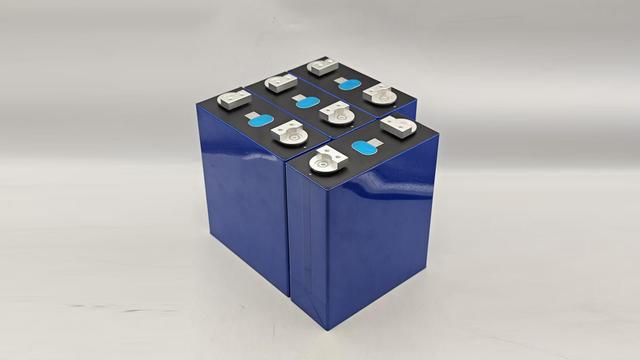
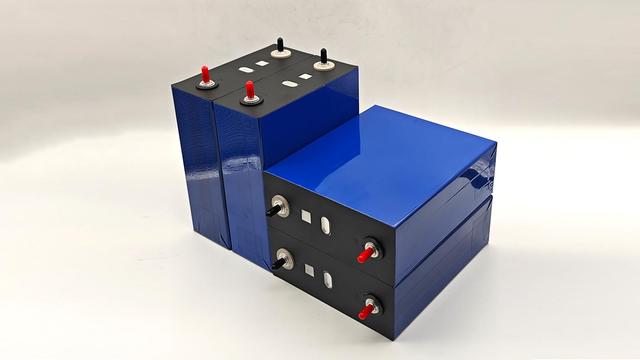
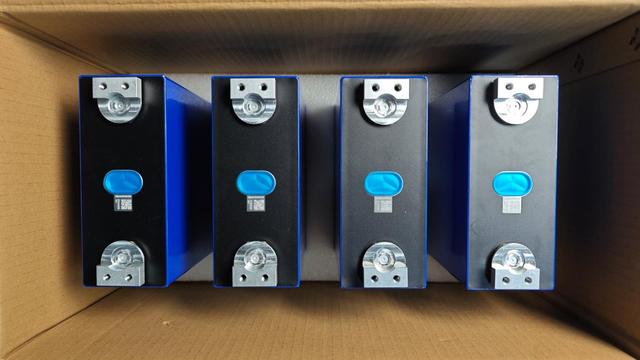
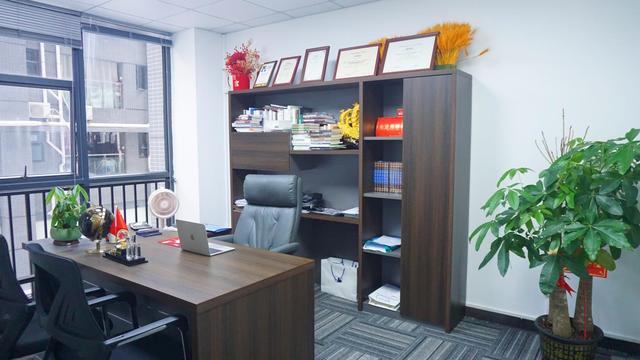
CERTIFIED SECURE POWERTake a closer look at our specialized production steps, design elements, and integration processes. Quality control checks are applied at every stage of the build.
Direct answers to structural engineering and procurement questions for global buyers.
 PowerSTN Energy