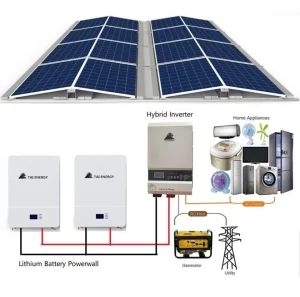
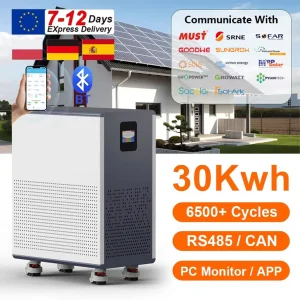
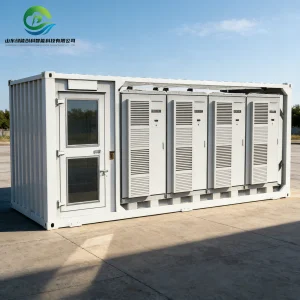
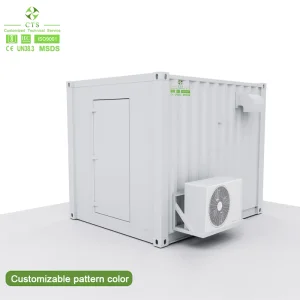
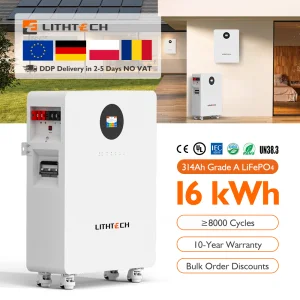
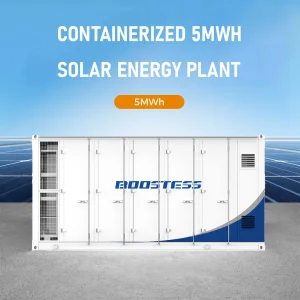
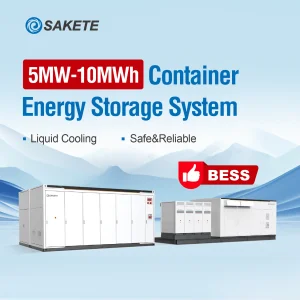
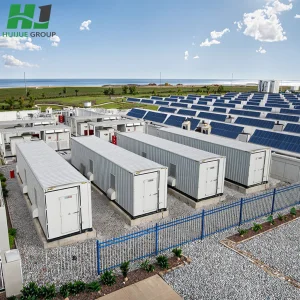
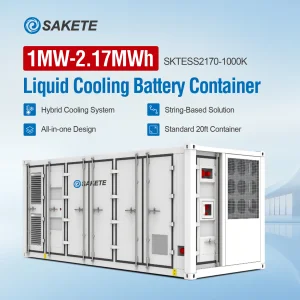
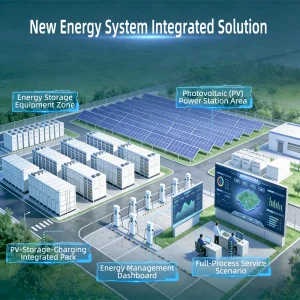
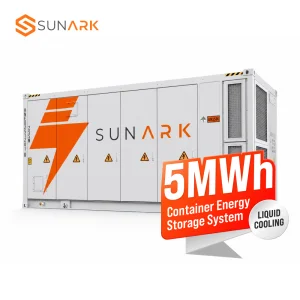
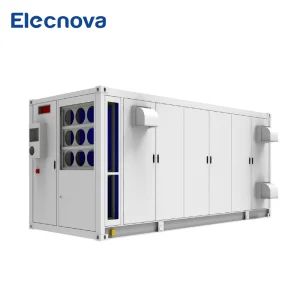
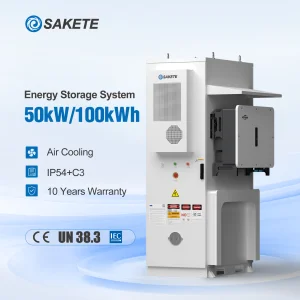
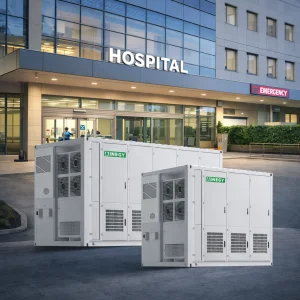
High-performance modular architectures, designed for immediate grid connection in Eastern Europe. These systems support grid-forming capabilities and comply with the latest European storage standards.
Hungary is currently undergoing a massive structural shift in its energy landscape. Driven by the National Energy and Climate Plan (NECP), the nation has accelerated its photovoltaic installation targets, with total installed solar capacity already pushing beyond the 6.0 GW threshold. While this green transition reduces carbon dependence, it creates profound grid instability and distribution network challenges. The national transmission system operator (MAVIR) and regional distributors face acute voltage fluctuations and frequency imbalances, especially in high-density industrial hubs.
For Hungarian commercial and industrial (C&I) enterprises—ranging from major automotive manufacturing plants in Győr and Kecskemét to new battery production facilities in Debrecen—maintaining high-quality, continuous power is critical. Grid integration fees, high demand charges, and threat of voltage sags are pushing operators toward decentralized microgrids. A smart microgrid energy storage system (BESS) acts as a localized shock absorber: storing solar energy during peak generation hours, executing high-speed peak shaving, and providing instantaneous back-up power during external grid anomalies.
When Hungarian energy developers, grid administrators, and manufacturing executives search for storage solutions, their intent spans far beyond purchasing basic battery modules. They require full-spectrum technical compliance with Hungarian grid codes, high-security fire suppression mechanisms, low levelized cost of storage (LCOS), and local engineering support.
By deploying customizable microgrid configurations that utilize Tier-1 lithium iron phosphate (LiFePO4) chemistries, project planners can tap into lucrative grid-balancing revenue streams. In Hungary, participating in the primary and secondary reserve markets (such as FCR and aFRR) has become highly profitable. A microgrid equipped with highly responsive Power Conversion Systems (PCS) can toggle between charging and discharging within milliseconds, helping MAVIR stabilize the regional grid while generating a high return on investment (ROI) for the facility owners.
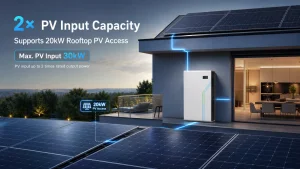
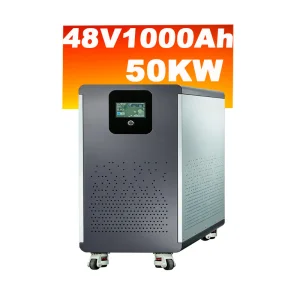
These high-density industrial and residential cabinets utilize intelligent EMS control systems to optimize self-consumption, handle peak-load demands, and support localized virtual power plant (VPP) operations.
Real-world operational implementations that highlight the strategic importance of localized battery storage systems within Hungary's industrial zones and rural regions.
In Hungary’s western and central manufacturing zones (e.g., Győr-Moson-Sopron and Pest counties), automotive OEMs operate massive assembly lines with sharp energy spikes. Integrating a 1MWh to 5MWh liquid-cooled BESS allows factories to buffer high-power grid demands. By discharging the BESS during top-tier tariff windows, plants reduce monthly peak load pricing by up to 30%, resulting in massive savings.
With strict guidelines set by MAVIR for photovoltaic power integration, developers must mitigate sudden drop-offs in solar output due to local cloud cover. Containerized BESS solutions act in a grid-forming role, executing localized primary frequency response. This prevents transmission line tripping and avoids steep non-compliance penalties from Hungarian energy regulators.
Hungary’s agricultural sector on the Great Hungarian Plain (Alföld) operates food processing plants, cold storages, and grain dryers that demand high reliability. Installing a modular hybrid outdoor cabinet (such as our 100kW solar cabinet) ensures operational continuity during storms, safeguarding perishable goods and enabling off-grid self-reliance.
BESS captures low-cost excess solar or off-peak utility power during the morning valley.
Real-time EMS monitors grid demands, determining optimal moments for peak shaving.
Instantaneous power injection during high tariff rates, stabilizing local machinery.
Shenzhen PowerSTN Energy Co., Ltd. is a China-based manufacturer specializing in advanced energy storage battery solutions for residential, commercial, and industrial applications. The company focuses on the development, production, and integration of lithium battery systems designed to support renewable energy utilization, backup power supply, and energy management projects worldwide.
With a commitment to innovation and quality, PowerSTN provides a comprehensive portfolio of energy storage products, including residential energy storage systems, commercial and industrial battery solutions, solar energy storage batteries, off-grid power systems, hybrid energy storage platforms, and containerized battery energy storage systems. These solutions are engineered to help customers improve energy efficiency, enhance grid stability, and maximize the value of renewable energy investments.
The company operates modern manufacturing facilities equipped with advanced production technologies and strict quality control procedures. From battery cell selection and battery pack assembly to system integration and performance testing, every stage of production is managed to ensure reliability, safety, and long-term operational performance.
PowerSTN serves customers across multiple industries, including renewable energy, telecommunications, data centers, utilities, manufacturing, commercial facilities, and infrastructure projects. Its engineering team works closely with clients to deliver customized energy storage solutions tailored to specific project requirements and operational environments.
In addition to manufacturing capabilities, Shenzhen PowerSTN Energy Co., Ltd. offers OEM and ODM services for global brands, distributors, system integrators, and energy solution providers. By combining technical expertise, flexible production capacity, and customer-focused support, the company aims to be a trusted partner for organizations seeking reliable and scalable energy storage technologies in the rapidly evolving global energy market.
As the market shifts towards higher energy densities and smart grid integration, our product architecture is adapting to meet 2025–2035 demands.
The standard 280Ah LiFePO4 cells are giving way to the next generation of 314Ah ultra-high capacity cells. By upgrading cell composition without expanding the container dimensions, a 20ft container footprint can now yield 5.0+ MWh of storage capacity, substantially reducing shipping fees, local civil engineering costs, and land footprints.
Decentralized storage assets are no longer passive backup systems. With integrated APIs in our EMS software, Hungarian C&I setups can interface directly with aggregators to form virtual power networks. This allows owners to bid into the Hungarian frequency control markets automatically, optimizing daily revenue based on algorithmic analysis.
Our state-of-the-art Battery Management System uses cloud-linked machine learning to monitor the state of health (SoH) at the cell level. By modeling thermal performance and chemical characteristics, the system can predict micro-short circuits or cell degradation before issues occur, drastically improving overall safety and operations.
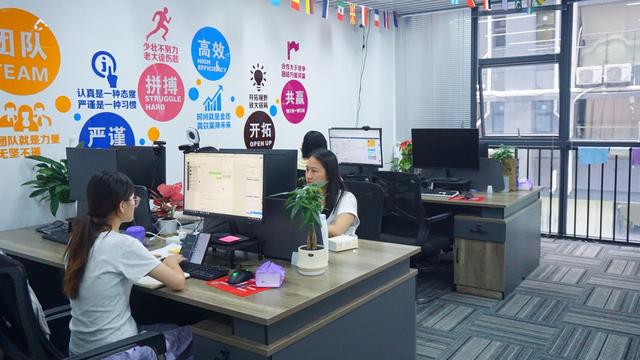
Take a look inside our high-performance Shenzhen factory. Every battery pack and containerized energy system undergoes high-voltage insulation tests, thermal stress analysis, and cycle performance verification prior to departure.
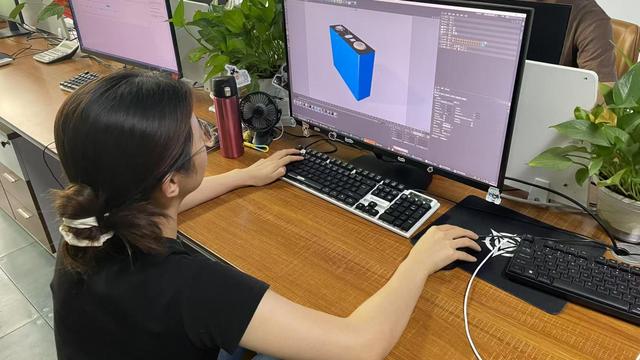
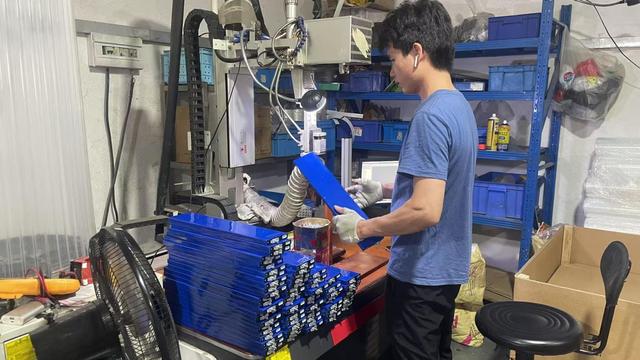
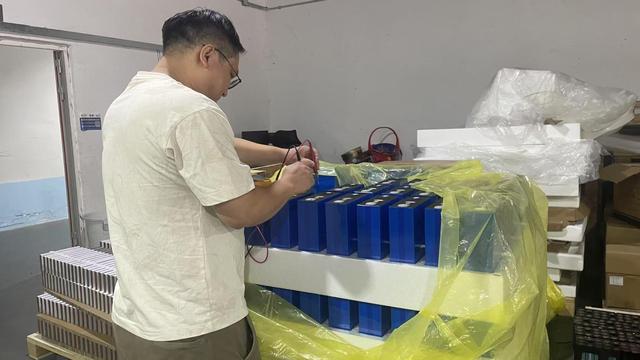
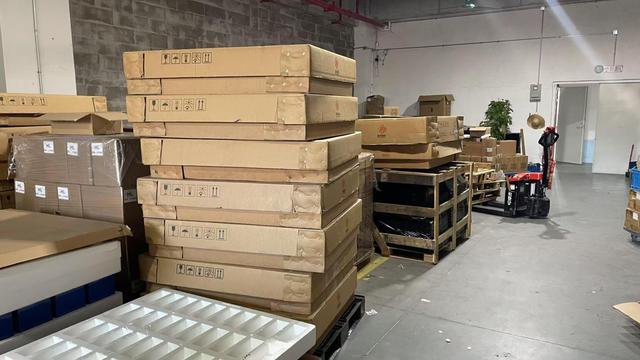
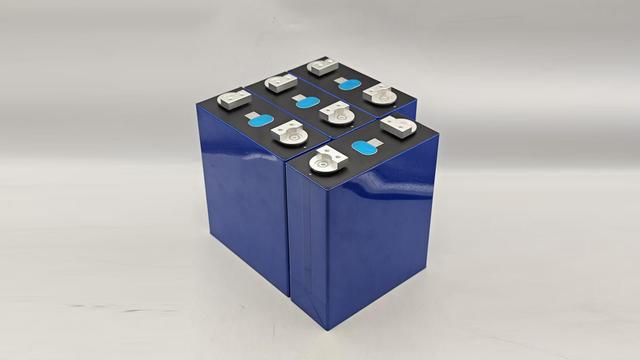
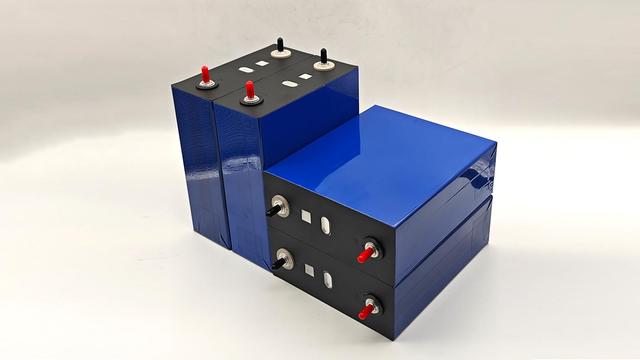
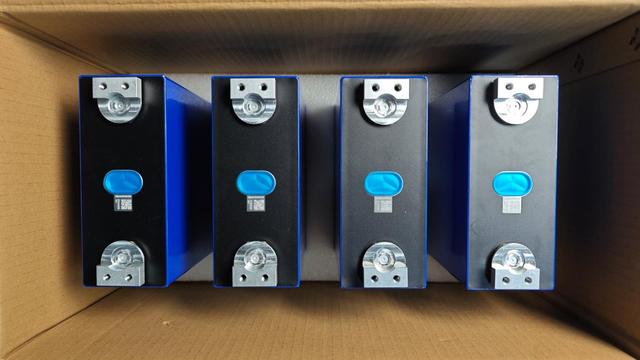

From utility-scale containerized systems to localized commercial enclosures, we support Hungary's distributors and grid integrators with reliable, high-performance battery hardware.
Entering the European energy landscape requires meticulous compliance with strict regional and national safety regulations. We provide verified documentation for every project.
Our commercial & industrial energy storage solutions (BESS) are engineered and certified to meet all essential EU mandates. This includes the CE Mark, IEC 62619 (safety requirements for secondary lithium cells and batteries in industrial applications), and IEC 62477-1. Furthermore, our grid-interactive power conversion systems (PCS) align with the EN 50549-1/2 standard, ensuring safe connection to Hungarian medium and low voltage distribution networks.
Thermal safety is our highest design priority. Our containerized solutions feature early detection sensors (carbon monoxide and smoke monitoring) coupled with NFPA 855-compliant fire suppression systems (such as Novec 1230 or FM200 gaseous agents) at both rack and container levels. When combined with our advanced liquid cooling systems, this mitigates thermal runaway risks, providing peace of mind for Hungarian industrial installations.
Key technical, regulatory, and financial questions answered by our system engineering team.
 PowerSTN Energy