Engineered for immediate deployment, localized grid compliance, and continuous power resilience across Turkish industrial zones.
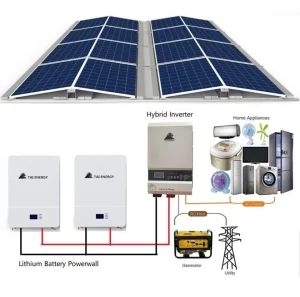
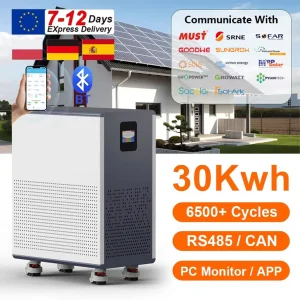
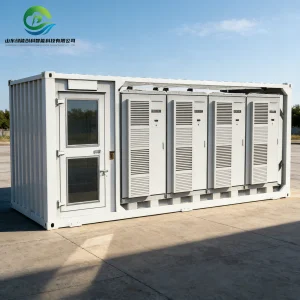
A comprehensive analysis of microgrid deployment parameters, local compliance standards, and supply chain logistics for the Istanbul metropolitan area.
As a transcontinental economic engine spanning Europe and Asia, the metropolitan area of Istanbul represents more than 30% of Turkey's total industrial output. Large-scale Organized Industrial Zones (OSBs) such as Tuzla OSB, İkitelli OSB, Dudullu OSB, and Hadımköy operate energy-intensive manufacturing plants, heavy metal foundries, automotive assembly lines, and vast textile facilities.
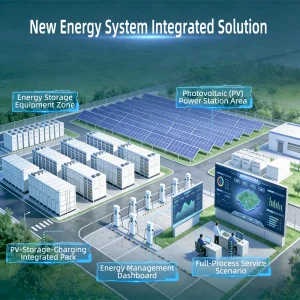
However, this rapid industrial concentration places critical stress on the regional high-voltage transmission networks managed by TEİAŞ. Istanbul's commercial entities face high peak demand charges, unexpected voltage drops, and mandatory load-shedding risks. To maintain global manufacturing competitiveness, forward-looking enterprises are transitioning away from high-emission diesel generators toward integrated Microgrid Battery Energy Storage Systems (BESS). By capturing renewable solar energy and utilizing peak-shaving algorithms, factories can insulate themselves from fluctuating tariff structures while guaranteeing uninterrupted operational continuity.
Shenzhen PowerSTN Energy Co., Ltd. is a China-based manufacturer specializing in advanced energy storage battery solutions for residential, commercial, and industrial applications. The company focuses on the development, production, and integration of lithium battery systems designed to support renewable energy utilization, backup power supply, and energy management projects worldwide.
With a commitment to innovation and quality, PowerSTN provides a comprehensive portfolio of energy storage products, including residential energy storage systems, commercial and industrial battery solutions, solar energy storage batteries, off-grid power systems, hybrid energy storage platforms, and containerized battery energy storage systems. These solutions are engineered to help customers improve energy efficiency, enhance grid stability, and maximize the value of renewable energy investments.
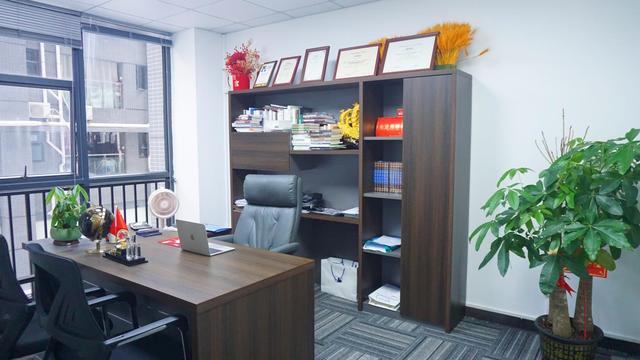
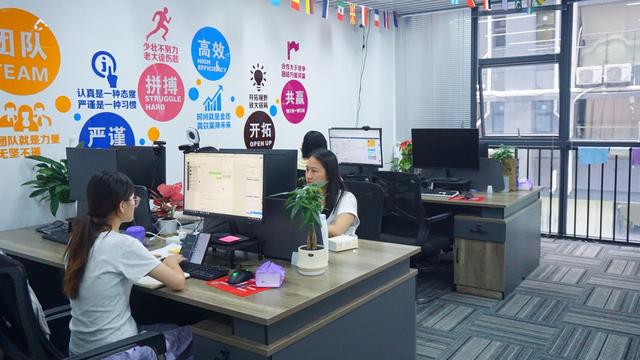
The company operates modern manufacturing facilities equipped with advanced production technologies and strict quality control procedures. From battery cell selection and battery pack assembly to system integration and performance testing, every stage of production is managed to ensure reliability, safety, and long-term operational performance.
PowerSTN serves customers across multiple industries, including renewable energy, telecommunications, data centers, utilities, manufacturing, commercial facilities, and infrastructure projects. Its engineering team works closely with clients to deliver customized energy storage solutions tailored to specific project requirements and operational environments.
In addition to manufacturing capabilities, Shenzhen PowerSTN Energy Co., Ltd. offers OEM and ODM services for global brands, distributors, system integrators, and energy solution providers. By combining technical expertise, flexible production capacity, and customer-focused support, the company aims to be a trusted partner for organizations seeking reliable and scalable energy storage technologies in the rapidly evolving global energy market.
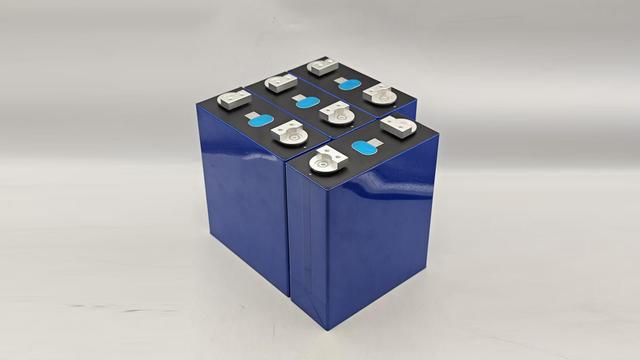
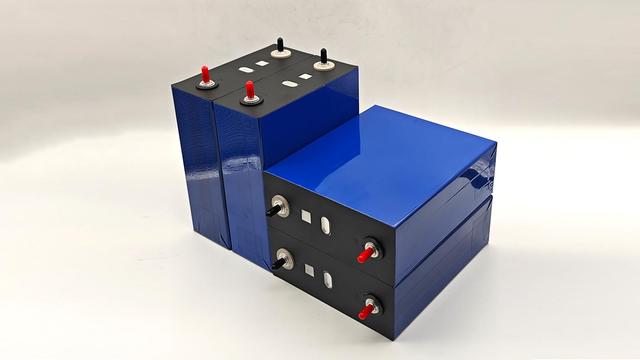
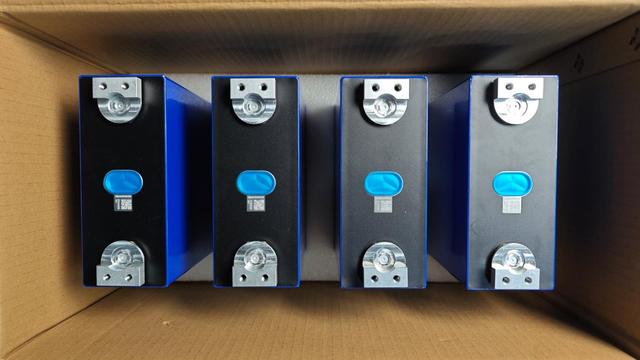
Procuring industrial microgrid equipment directly from a Chinese Tier-1 manufacturing facility yields substantial technological and economic benefits. The integration of 314Ah Lithium Iron Phosphate (LiFePO4) cells, advanced active liquid cooling thermal management, and multi-tier Battery Management Systems (BMS) requires a mature, vertically integrated ecosystem.
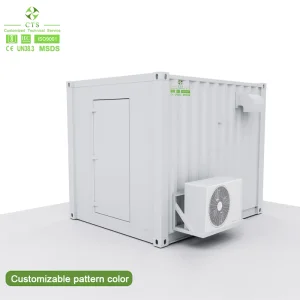
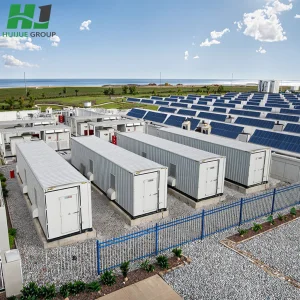
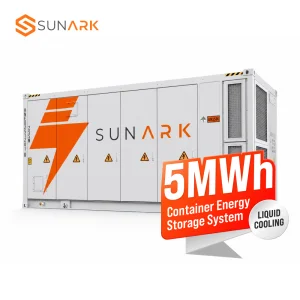
Our Shenzhen and Huizhou production hubs provide rapid prototyping, strict quality assurance checks under ISO 9001/14001, and direct component sourcing. With the establishment of direct maritime shipping routes from Shenzhen Port to Ambarlı Port in Istanbul, large-scale containerized BESS units (20ft and 40ft form factors) can be delivered efficiently, minimizing inland transit risks and lowering overall capital expenditures.
Deploying energy storage systems in Turkey requires strict compliance with local regulatory bodies, primarily the Energy Market Regulatory Authority (EPDK / EMRA). Commercial projects must satisfy the dynamic grid connection standards set by TEİAŞ, ensuring that utility-scale systems do not cause harmonic distortions or voltage instability at the point of common coupling.
Our containerized solutions are engineered to comply with international certifications including IEC 62619, CE, and UN38.3. Our systems incorporate advanced multi-level fire suppression mechanisms (NFPA 855 compliant, utilizing Aerosol or Novec 1230 gas agents) to guarantee safety when installed in densely populated industrial corridors like Tuzla or Gebze.
Tailored utility and commercial storage applications addressing specific challenges in the Marmara industrial region.
Mitigate steep peak tariff rates imposed by regional grid operators. Store energy during low-tariff off-peak hours and discharge during high-load periods in Tuzla and Hadımköy factories.
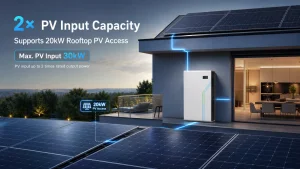
Stabilize erratic solar output from large commercial rooftop PV plants. Store excess daytime generation to provide smooth, dispatchable power throughout the night.
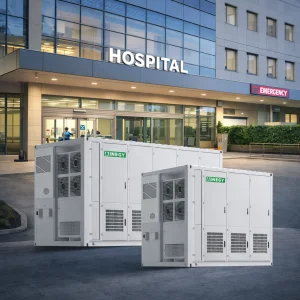
Establish instantaneous UPS backup power for financial districts in Levent and Maslak, preventing data loss or hardware damage during regional grid outages.
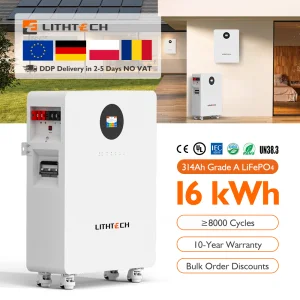
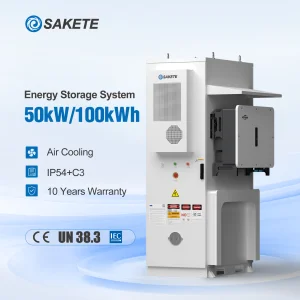
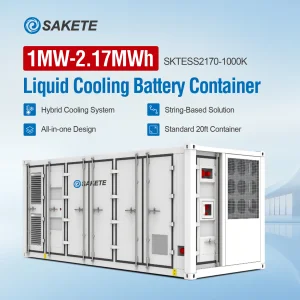
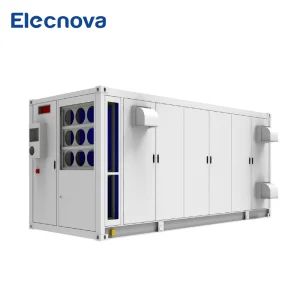
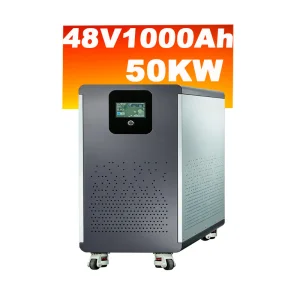
From modular commercial cabinets to high-capacity containerized energy storage units, select the optimal configuration for your enterprise.
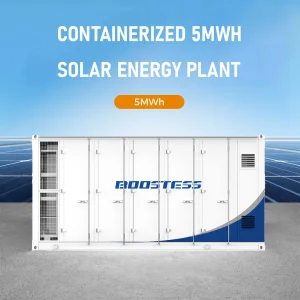
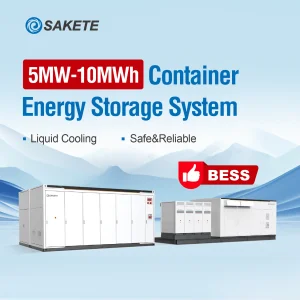
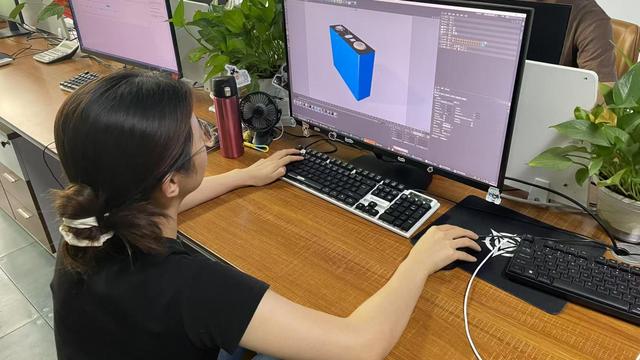
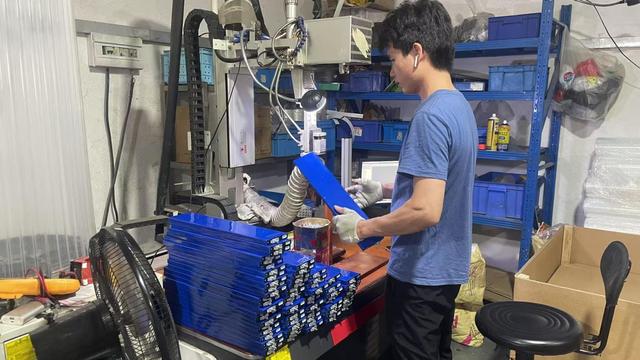
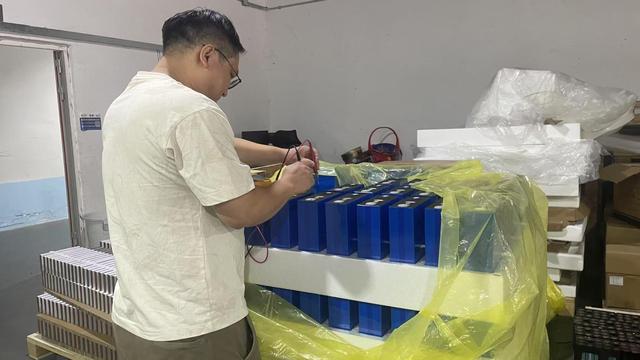
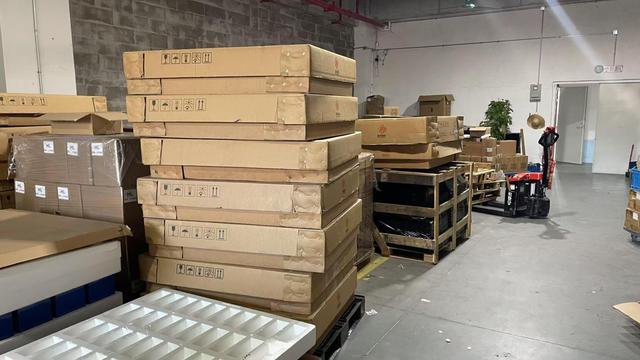
A look inside our advanced battery pack assembly lines, automated aging chambers, and comprehensive system testing facilities.
Technical answers for engineers, procurement officers, and project developers looking to integrate energy storage systems in Turkey.
 PowerSTN Energy