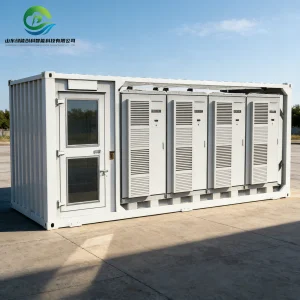
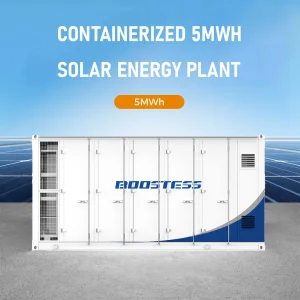
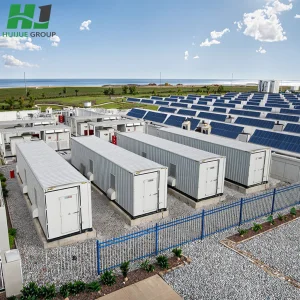
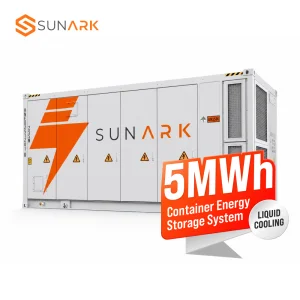
High-capacity liquid and air-cooled energy storage configurations tailored for the Brazilian utility framework, large C&I facilities, and off-grid distribution networks.
Navigating tariff fluctuations, grid instabilities, and decentralized clean energy transitions across Brazil's industrial zones.
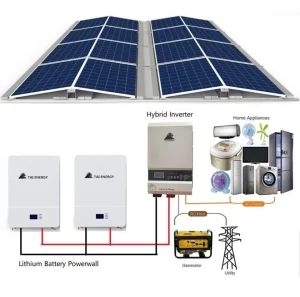
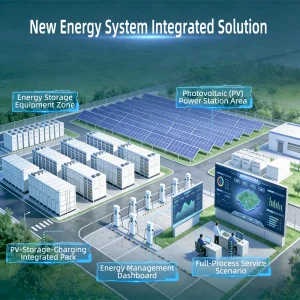
With the implementation of Law 14.300 (the legal framework for Distributed Generation in Brazil), the economics of grid-tied solar have evolved. Net metering structures are progressively incorporating grid utilization fees (TUSD). In this new era, maximizing self-consumption and deploying hybrid solar microgrid systems with battery storage (BESS) represents the most viable pathway to secure ROI and operational continuity.
Cycles @80% DOD Life
Advanced Thermal Cooling
Per Unit Container Density
Grid Interconnection Compliant
Bridging global engineering innovations with the localized operational demands of the Brazilian market.
Internationally, BESS deployments are transitioning away from simple backup applications to grid-forming operations, dynamic frequency response, and virtual power plants (VPP). Systems must operate reliably under high ambient temperatures while maintaining cell-to-cell consistency.
Brazil's diverse climates require thermal management strategies. Systems installed in the hot Northeast or humid North require specialized HVAC or liquid cooling configurations to mitigate thermal runaway risks and maintain lithium cell lifespans.
Safety compliance is crucial. Grid connections require compliance with local utility regulations and safety guidelines like IEC 62619, UL 9540A, and local fire department standards (Corpo de Bombeiros).
Rigorous system configurations designed to match complex Brazilian utility interconnections and high-load cycles.
| System Component | Standard Specification | Brazilian Industrial Advantage |
|---|---|---|
| Battery Chemistry | Grade-A LiFePO4 (Lithium Iron Phosphate) | Maximum thermal stability, non-explosive, >6000 cycles |
| Thermal Management | Liquid Cooling / Smart HVAC Options | Prevents hotspot formation in tropical environments |
| BMS Integration | Three-Level Master-Slave Architecture | Real-time cell monitoring, balancing, and protection |
| EMS Functionality | Peak Shaving, Load Following, Grid-Forming | Adapts dynamically to local Brazilian time-of-use tariffs |
| Enclosure Protection | IP55 / IP65 Containerized Enclosure | Resists dust, moisture, and saline corrosion (Coastal zones) |
| Grid Standards | IEEE 1547, UL 1741, ANEEL PRODIST | Seamless grid integration and commissioning approval |
How our microgrid energy storage solutions address specific operational bottlenecks across critical Brazilian sectors.
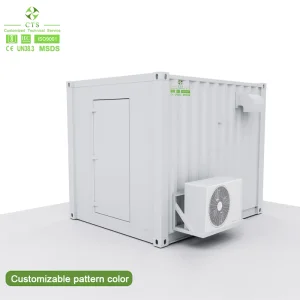
Brazil's agribusiness is a major economic driver. However, high-capacity grain silos, cold storage warehouses, and irrigation pumps are often located at the outer edges of the distribution grid, where power quality is poor. Frequent voltage drops and outages can damage high-performance motors. Our containerized solar microgrid systems (ranging from 100kW to 2MWh) provide grid stabilization, power factor correction, and black-start capabilities, ensuring zero production downtime during harvest periods.
Under the Brazilian "Horário de Ponta" (Peak Hours), industrial consumer electricity rates increase significantly. By installing a custom BESS system, factories can charge the batteries from the grid or solar systems during low-cost off-peak hours and discharge during peak demand periods. This strategy shaves the peaks of the facility's demand profile, reducing the contracted demand tariff (Demanda Contratada) and lowering monthly utility expenditures.
Operating industrial mining operations or community infrastructure in regions without national grid (SIN) access is logistically complex. Diesel fuel transport logistics are expensive and vulnerable to disruptions. PowerSTN's containerized solar-plus-storage solutions enable diesel-off microgrid operations. The BESS acts as the primary voltage source, integrating solar arrays with existing diesel generators to minimize fuel consumption.
Shenzhen PowerSTN Energy Co., Ltd. — Your Trusted OEM/ODM Partner for Advanced Energy Storage Battery Systems.
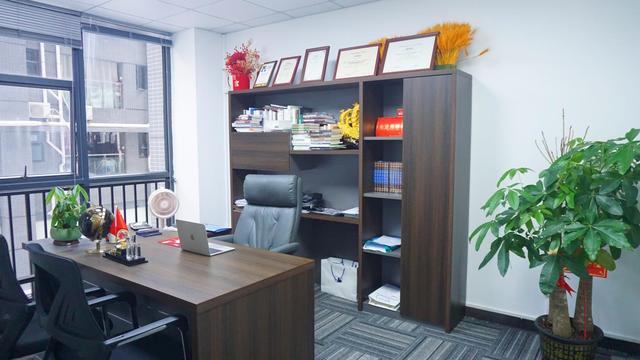
Shenzhen PowerSTN Energy Co., Ltd. is a China-based manufacturer specializing in advanced energy storage battery solutions for residential, commercial, and industrial applications. The company focuses on the development, production, and integration of lithium battery systems designed to support renewable energy utilization, backup power supply, and energy management projects worldwide.
With a commitment to innovation and quality, PowerSTN provides a comprehensive portfolio of energy storage products, including residential energy storage systems, commercial and industrial battery solutions, solar energy storage batteries, off-grid power systems, hybrid energy storage platforms, and containerized battery energy storage systems. These solutions are engineered to help customers improve energy efficiency, enhance grid stability, and maximize the value of renewable energy investments.
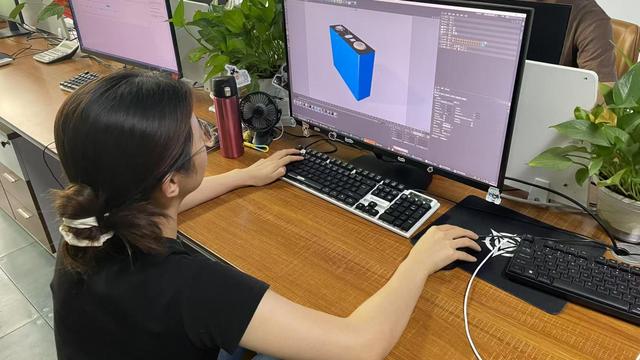
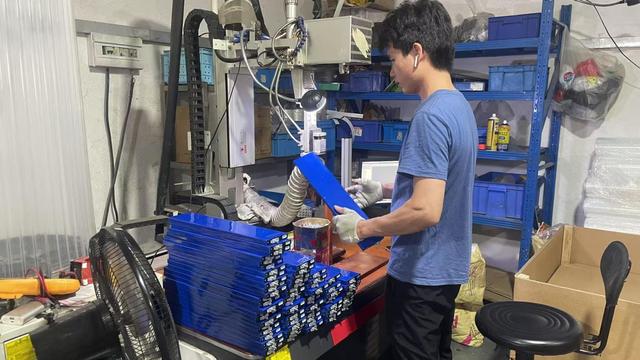
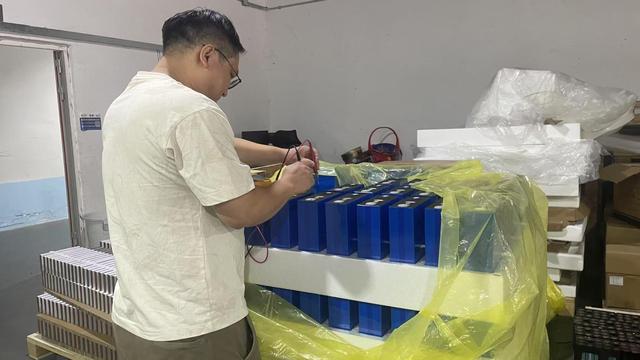
The company operates modern manufacturing facilities equipped with advanced production technologies and strict quality control procedures. From battery cell selection and battery pack assembly to system integration and performance testing, every stage of production is managed to ensure reliability, safety, and long-term operational performance.
PowerSTN serves customers across multiple industries, including renewable energy, telecommunications, data centers, utilities, manufacturing, commercial facilities, and infrastructure projects. Its engineering team works closely with clients to deliver customized energy storage solutions tailored to specific project requirements and operational environments.
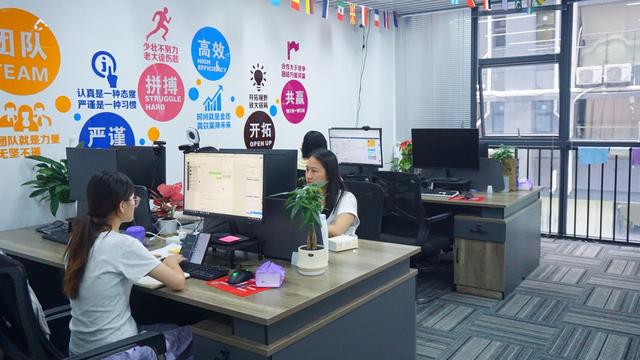
In addition to manufacturing capabilities, Shenzhen PowerSTN Energy Co., Ltd. offers OEM and ODM services for global brands, distributors, system integrators, and energy solution providers. By combining technical expertise, flexible production capacity, and customer-focused support, the company aims to be a trusted partner for organizations seeking reliable and scalable energy storage technologies in the rapidly evolving global energy market.
Our facilities maintain international certifications, including ISO 9001, ISO 14001, OHSAS 18001. All product lines are designed to align with strict global grid regulations, offering streamlined pathways for local Brazilian homologation processes.
From custom communication protocols (CAN/RS485) and customized branding to regional climatic optimization, our team delivers reliable ODM and OEM systems tailored for integration by local EPCs in Brazil.
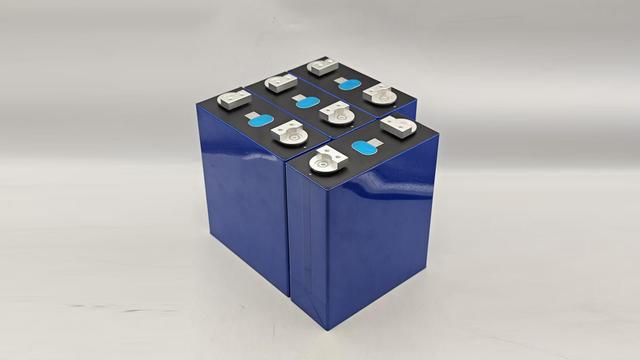
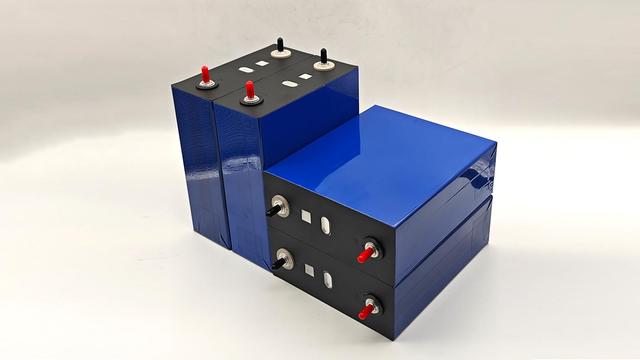
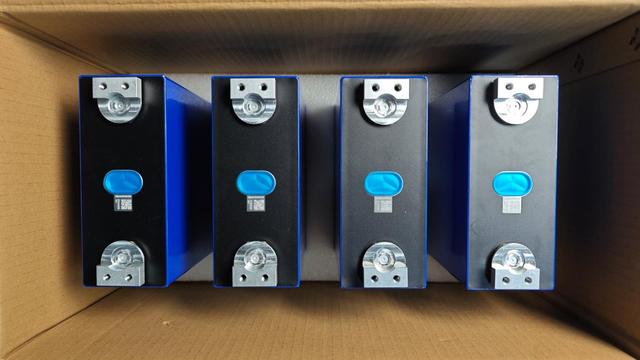
Addressing engineering standards and technology updates required for integration into the Brazilian National Interconnected System (SIN).
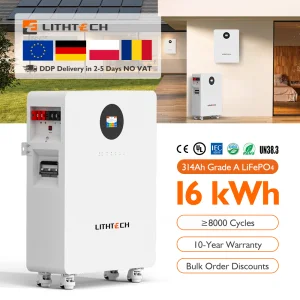
Our research and development pipeline focuses on next-generation energy storage. This includes migrating to 314Ah ultra-high capacity cells, optimizing liquid cooling flow fields to minimize parasitic cooling energy consumption, and integrating advanced AI diagnostics into our Energy Management System (EMS) for predictive maintenance and automated battery health assessment.
Technical answers to key integration questions asked by Brazilian engineers, project developers, and EPC professionals.
PowerSTN systems utilize intelligent peak shaving logic via our integrated Energy Management System (EMS). In Brazil, peak energy pricing (Horário de Ponta) typically occurs between 5 PM and 10 PM. The EMS monitors site consumption and grid pricing in real time, automatically discharging the battery system during peak periods to reduce utility power draw. This limits contracted demand and reduces peak tariff charges.
In hot climates like Brazil's Northeast, air cooling systems can struggle to prevent temperature imbalances within high-capacity battery packs. Cell temperature differentials exceeding 5°C can accelerate degradation and trigger safety shutoffs. PowerSTN's liquid cooling systems directly control cell-to-cell temperature variations within 3°C, extending overall cycle life and improving safety under continuous high-load operations.
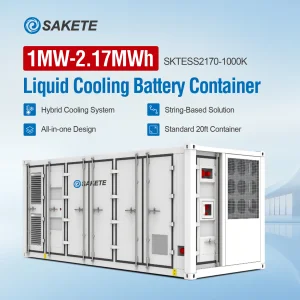
Yes. Our utility-grade battery energy storage containers (e.g., 2.17MWh and 5MWh systems) feature advanced power conversion systems (PCS) capable of operating in grid-forming mode. This allows the system to establish a local AC voltage source in off-grid situations, support isolated solar integration, and manage transient load starts without grid assistance.
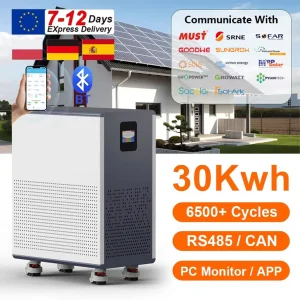
Yes, we offer comprehensive OEM and ODM services. We customize battery modules, write communication protocols to integrate with local inverter brands (like Deye, Growatt, Kehua, Sungrow), and adapt system dimensions, color schemes, and logos to align with the branding of local partners.
Our energy storage systems are certified under major international standards, including IEC 62619, CE, UN38.3, and UL 9540A. We supply fire protection systems (gas flooding systems, smoke and heat detectors) in all containers to satisfy local fire department (Corpo de Bombeiros) requirements in Brazil.
From modular residential battery walls to utility-scale hybrid container energy storage systems.
Partner with Shenzhen PowerSTN Energy Co., Ltd. for OEM/ODM services, robust industrial specifications, and system safety design optimized for the Brazilian market.
Send Inquiry Now PowerSTN Energy