Industrial E-E-A-T Whitepaper
Deploy highly reliable energy storage architectures customized for Belgium's regional grids. Optimized for Wallonia net-metering schemes and Flanders capacity tariff mitigation.
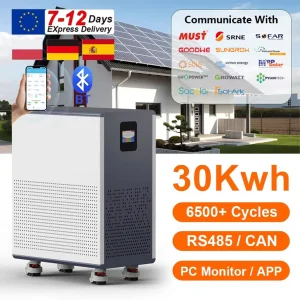
Belgium stands at a critical historical juncture in its energy transition strategy. Compelled by European Union climate targets and the progressive phase-out of national nuclear baseload assets (such as the Doel and Tihange nuclear power plants), the federal state is pivoting rapidly toward volatile renewable energies. This systemic structural transition, while ecologically necessary, introduces unprecedented grid stability issues. Local distribution system operators (DSOs) like Fluvius in Flanders, and Ores or Resa in Wallonia, face chronic grid congestion, severe voltage fluctuations, and strict limitations on injection thresholds.
For Belgian Commercial and Industrial (C&I) entities, energy cost management has shifted from a secondary operational expense to a primary board-level survival risk. The implementation of the **Capacity Tariff (Capaciteitstarief)** in Flanders penalizes high-peak power demands by calculating network fees based on monthly peak usage (measured in kW) rather than simple cumulative consumption. Consequently, manufacturing facilities, logistics hubs at the Port of Antwerp-Bruges, and intensive agricultural sites are turning to onsite microgrid infrastructure integrated with high-capacity Battery Energy Storage Systems (BESS) to shield operations from peak rates and safeguard supply continuity.
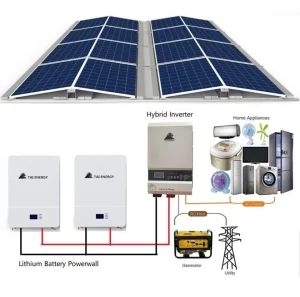
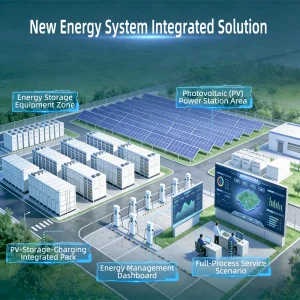
Industrial microgrids operate as decentralized electricity networks that combine local energy generation (typically commercial rooftop solar PV installations or wind turbines) with advanced storage facilities and intelligent energy management systems (EMS). By isolating or buffering the local industrial footprint from the public distribution system, Belgian corporations can achieve localized peak-shaving, increase self-consumption rates of solar energy from 30% to over 85%, and participate in lucrative grid ancillary services such as frequency response (FCR / aFRR) administered by Elia, the national transmission system operator.
Developing robust and economically viable energy storage projects in Belgium requires access to mature, scalable, and highly optimized hardware supply chains. While European engineering, procurement, and construction (EPC) companies excel at local civil integration and grid connection processes, the core battery technologies and manufacturing scale reside firmly in specialized industrial regions like Shenzhen, China.
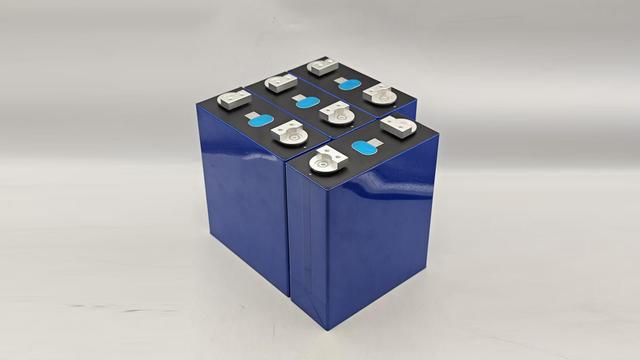
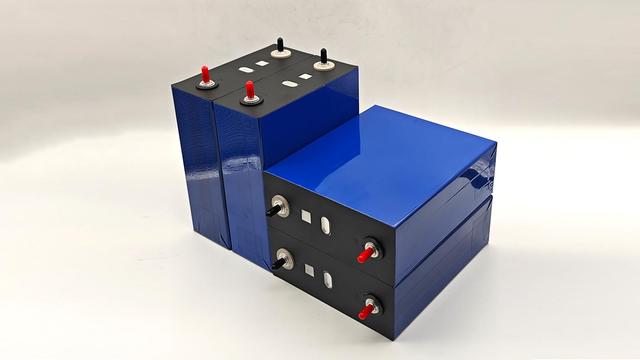
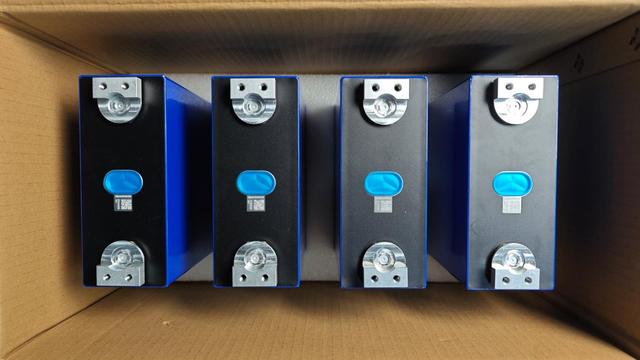
Direct supply agreements with leading Tier 1 producers ensuring access to the latest 314Ah LiFePO4 cells for high energy density and safety.
Unmatched cost structures realized through highly automated gigawatt-scale manufacturing, bypassing European localized hardware premiums.
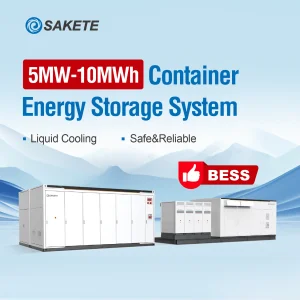
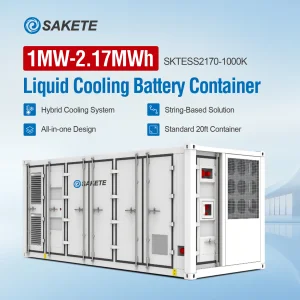
Highly flexible hardware customization options ranging from 100kW cabinets to multi-megawatt liquid-cooled containerized configurations.
Shenzhen PowerSTN Energy Co., Ltd. serves as an essential bridge in this corridor, manufacturing utility-grade systems and residential solutions certified for direct European deployment. By integrating Tier 1 lithium iron phosphate (LiFePO4) chemistry with advanced thermal management protocols (liquid cooling systems), Chinese factories deliver systems that boast operational lifespans exceeding 8,000 charge cycles at 80% Depth of Discharge (DoD). This longevity is critical for Belgian project developers who demand a low Levelized Cost of Storage (LCOS) to ensure project financing and bankability.
Shenzhen PowerSTN Energy Co., Ltd. is a China-based manufacturer specializing in advanced energy storage battery solutions for residential, commercial, and industrial applications. The company focuses on the development, production, and integration of lithium battery systems designed to support renewable energy utilization, backup power supply, and energy management projects worldwide.
With a commitment to innovation and quality, PowerSTN provides a comprehensive portfolio of energy storage products, including residential energy storage systems, commercial and industrial battery solutions, solar energy storage batteries, off-grid power systems, hybrid energy storage platforms, and containerized battery energy storage systems. These solutions are engineered to help customers improve energy efficiency, enhance grid stability, and maximize the value of renewable energy investments.
The company operates modern manufacturing facilities equipped with advanced production technologies and strict quality control procedures. From battery cell selection and battery pack assembly to system integration and performance testing, every stage of production is managed to ensure reliability, safety, and long-term operational performance.
PowerSTN serves customers across multiple industries, including renewable energy, telecommunications, data centers, utilities, manufacturing, commercial facilities, and infrastructure projects. Its engineering team works closely with clients to deliver customized energy storage solutions tailored to specific project requirements and operational environments.
In addition to manufacturing capabilities, Shenzhen PowerSTN Energy Co., Ltd. offers OEM and ODM services for global brands, distributors, system integrators, and energy solution providers. By combining technical expertise, flexible production capacity, and customer-focused support, the company aims to be a trusted partner for organizations seeking reliable and scalable energy storage technologies in the rapidly evolving global energy market.
Energy storage systems cannot follow a one-size-fits-all methodology due to the varied regional regulatory landscapes and economic setups within Belgium. Below, we examine key practical application profiles where PowerSTN’s systems deliver high information gain and optimized economic returns:
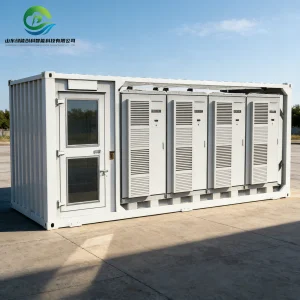
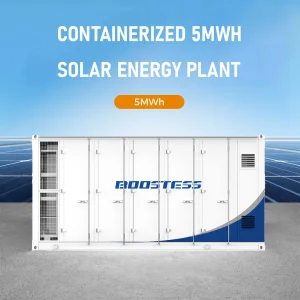
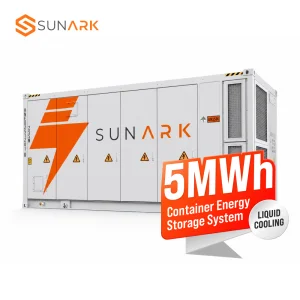
Belgian ports are undergoing massive electrification. Container gantries, cold-storage units, and shore-power connections for berthed vessels create high, brief electricity spikes that trigger massive peak-shaving charges. Utilizing containerized liquid-cooled battery systems like our BoostESS 5MWh container allows terminal operators to buffer local power lines, charge batteries during low-tariff nighttime periods, and discharge them dynamically during ship connection events.
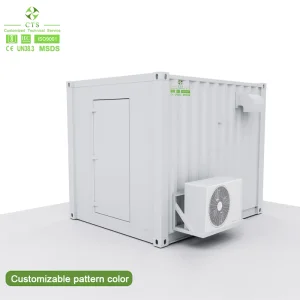
Modern Belgian greenhouse agriculture relies on combined heat and power (CHP) installations alongside extensive supplemental lighting systems. When regional injection limits prevent growers from feeding excess CHP electricity back into the grid, containerized battery energy storage systems (BESS) step in to capture this power. This stored energy is then redeployed during high-cost periods, optimizing the grower's internal energy balance sheet.
The rapid transition to electric vehicles in Belgium, supported by corporate tax incentives, is driving a surge in ultra-fast EV charging hubs along the E19 and E40 motorways. Drawing multiple megawatts of power directly from local medium-voltage lines is often either technically unfeasible due to grid constraints or financially prohibitive. Incorporating a 500kW / 1MWh outdoor battery storage system as a buffer allows EV charging station operators to limit grid intake to a steady, low-impact connection while still providing high-current fast charging to multiple vehicles simultaneously.
Integrating high-capacity battery systems into the Belgian grid requires strict compliance with domestic grid codes. Synergrid, the association of Belgian electricity grid operators, enforces specific technical standards that any generation or storage system must satisfy before commissioning.
Every inverter and control system connected to the Belgian low-voltage or medium-voltage grid must be approved under the C10/C11 regulations. These standards govern automatic decoupling parameters, over/under frequency protections, reactive power capability, and anti-islanding safety protocols. Shenzhen PowerSTN Energy designs its C&I and utility-scale systems to interface seamlessly with European-compliant PCS (Power Conversion Systems) from leading brands like Kehua, Sinexcel, and Sungrow, ensuring rapid grid approval and hassle-free commissioning for local EPCs.
Safety is the cornerstone of E-E-A-T principles in modern lithium-based system engineering. In Belgian urban and industrial zones, strict local environmental and fire department safety clearances are mandatory. PowerSTN's liquid-cooled battery containers offer superior thermal homogeneity compared to traditional air-cooled setups, limiting cell-to-cell temperature differentials to under 2°C. This precise control prevents thermal runaway at its source, increases system round-trip efficiency (RTE) to over 90%, and satisfies international fire safety standards including NFPA 855 and EN 50549.
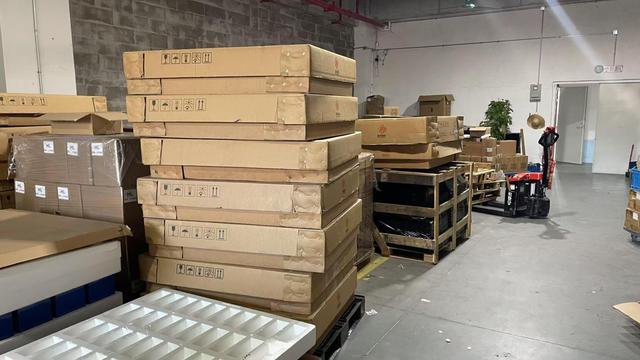
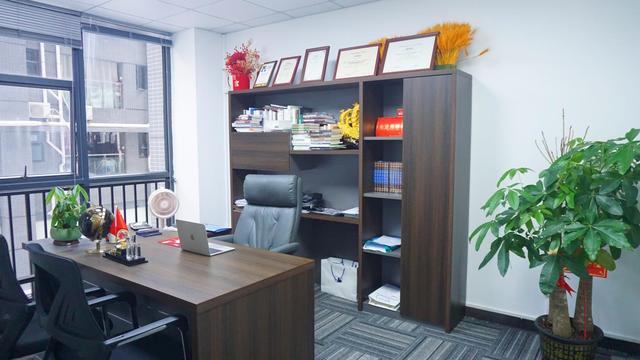
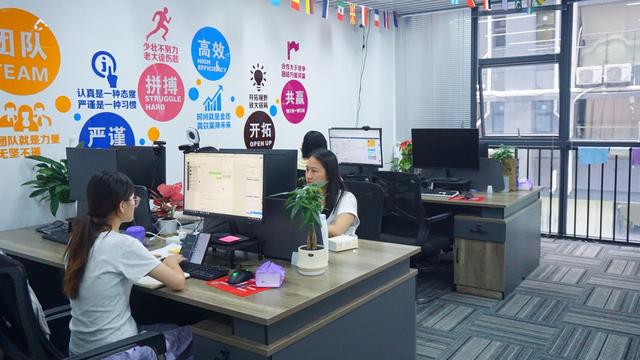
A visual tour of our modern manufacturing facilities, testing grounds, quality control processes, and container assembly centers.
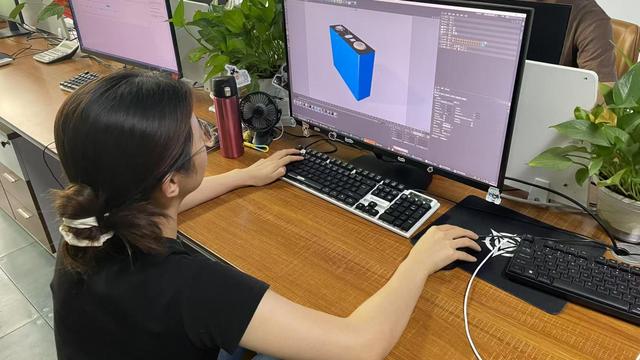
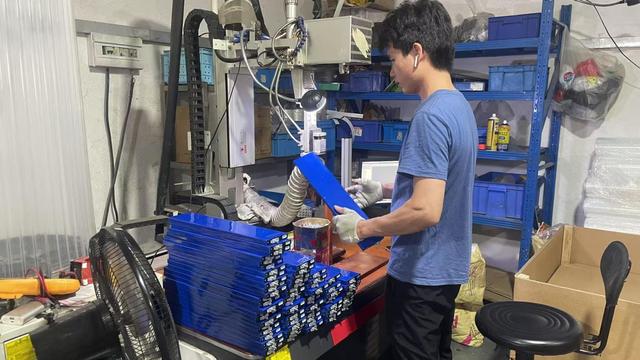
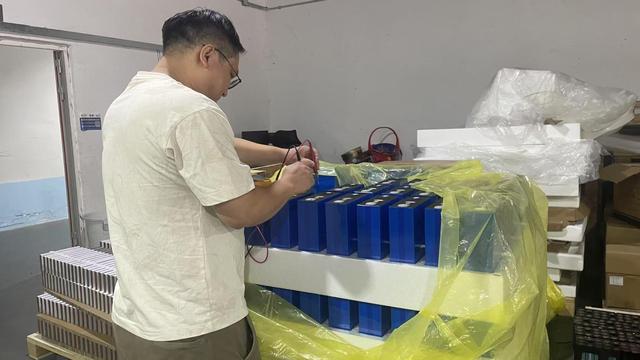
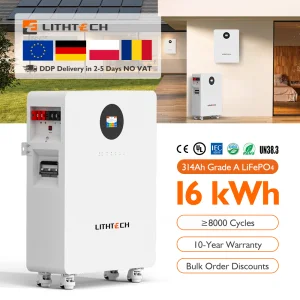
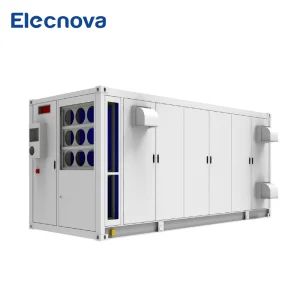
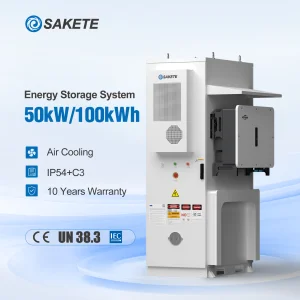
Explore our complete catalog of industrial containers, wall-mounted batteries, and specialized energy management cabinets engineered for heavy industrial deployment.
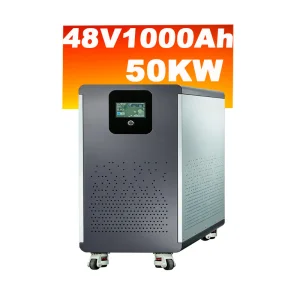
Partner with a leading OEM/ODM manufacturer to integrate safe, efficient, and fully-compliant microgrid systems for your industrial applications. Speak directly with our project application engineers.
 PowerSTN Energy