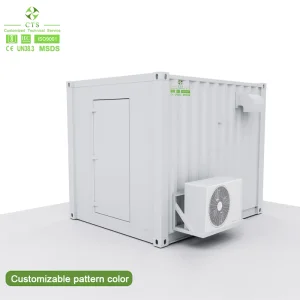
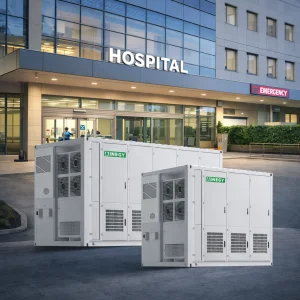
Engineered for high ambient temperatures and severe environmental dust conditions in Namibia. These primary configurations offer immediate off-grid reliability and seamless integration.
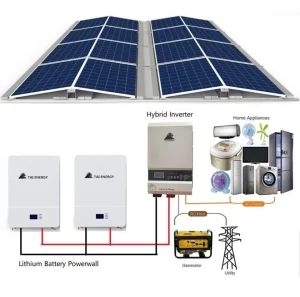
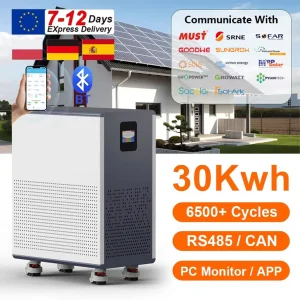
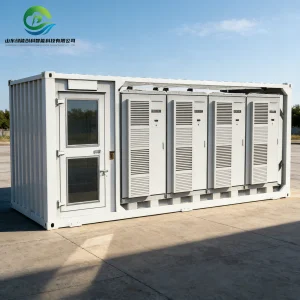
Namibia is endowed with some of the highest solar irradiance levels in the world, averaging over 3,000 hours of sunshine annually. Yet, the nation remains critically dependent on imported electricity from South Africa (Eskom) and the Southern African Power Pool (SAPP). The escalating instability of regional grids, coupled with NamPower's ongoing tariff restructurings and the challenges of transmission losses across Namibia's vast geographical expanse, makes centralized energy increasingly fragile.
For Namibian commercial agricultural operations, remote tourism safari lodges in the Namib Desert, and large-scale mining operations in areas like Erongo and Karas, grid failure is not just an inconvenience—it is a critical threat to operation. In Namibia, diesel generators have traditionally bridged this gap, but volatile fuel costs, logistical challenges in remote bushveld regions, and carbon tax pressures have turned diesel into a massive operational burden. Advanced Microgrid Battery Energy Storage Systems (BESS) represent the key to unlocking true operational continuity, enabling companies to capture local solar abundance, stabilize their supply, and reduce peak demand charges.
Standard off-the-shelf battery storage fails prematurely in harsh arid and coastal environments. PowerSTN customizes every containerized system for high ambient temperatures, dust ingress, and corrosive air.
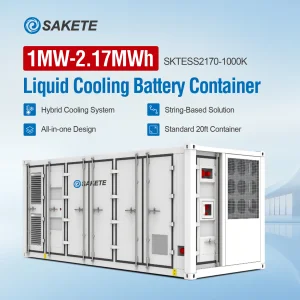
Our utility-grade containers utilize advanced Liquid Cooling and precision Air Cooling. In harsh regions like Walvis Bay and the Namib, dynamic thermal management ensures cells remain at their optimal 25°C operating range, extending life up to 8,000 cycles.
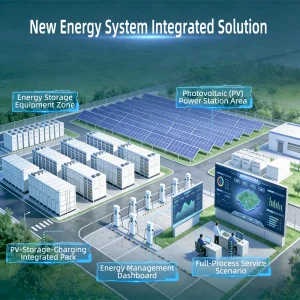
Featuring standard remote monitoring, our Industrial Intelligent EMS allows local engineers and administrators in Windhoek or remote sites to track cell voltages, charge status, and ambient humidity in real-time, providing predictive maintenance alerts.
Specifically built with heavy corrosion resistance (C5-M painting) to withstand the highly corrosive, salt-laden coastal fog of Walvis Bay and the fine, abrasive dust storms of the Namibian interior.
Providing custom, scalable architectures for mining, agriculture, off-grid hospitality, and utility reinforcement.
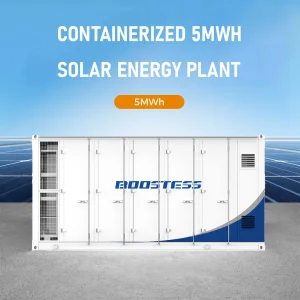
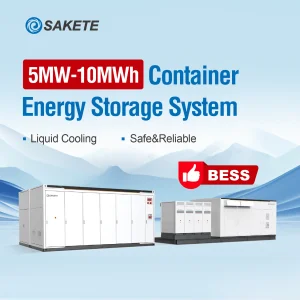
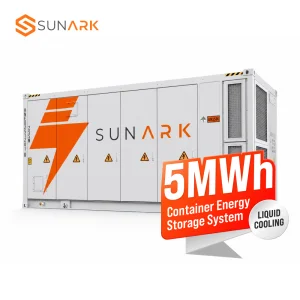
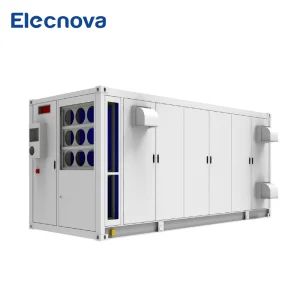
Mines in Namibia (such as uranium and diamond processing plants) require continuous MW-scale power with extreme dynamic load capability. Heavy machinery and inductive motors trigger massive current draws. Our containerized solutions (ranging from 1MWh to 5MWh) are configured for grid-forming operations, facilitating massive load changes without grid collapse. The integrated smart Liquid Cooling prevents overheating during 24/7 continuous operations.
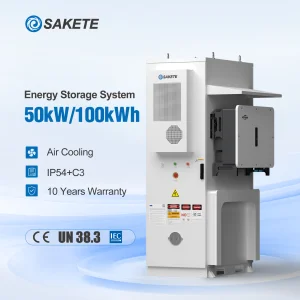
Farming across the Otavi, Grootfontein, and Tsumeb regions ("Maize Triangle") relies on precise, high-volume irrigation. With NamPower tariff structures introducing high demand fees, farmers use solar and BESS arrays to run pump stations during daylight and evening hours. PowerSTN's 100kWh to 500kWh battery cabinets operate smoothly in dry environments, enabling farmers to cut reliance on diesel by up to 90%.
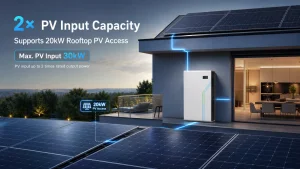
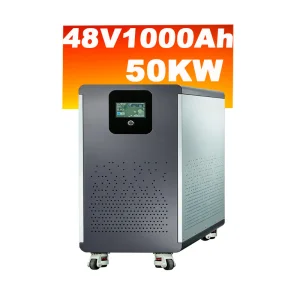
Namibian tourism relies on preserving the pristine silence of nature. Diesel generators run against this value. Our 10kW to 50kW hybrid residential and light commercial battery units offer quiet power storage. Lodges in Sossusvlei or Damaraland can generate solar energy during the day and store it for silent operation at night.
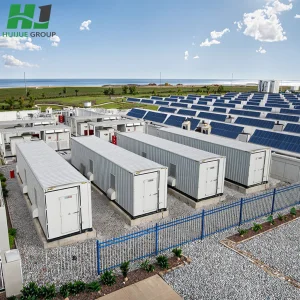
Remote communities across the Zambezi and Kavango regions benefit from isolated mini-grid architectures. By combining Solar PV with a localized BESS and PCS (Power Conversion System), local governments and private IPPs can deploy reliable 230V power to clinics, schools, and small enterprises, stimulating regional economic growth and bridging the infrastructure gap.
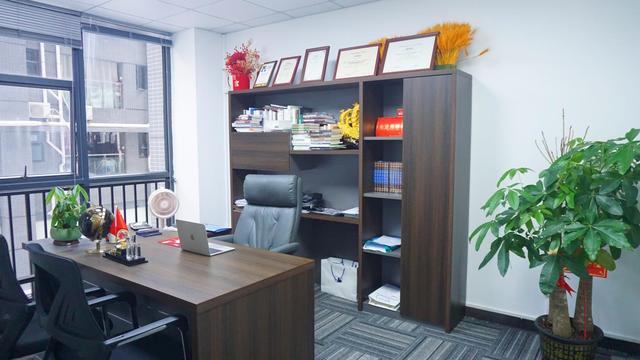
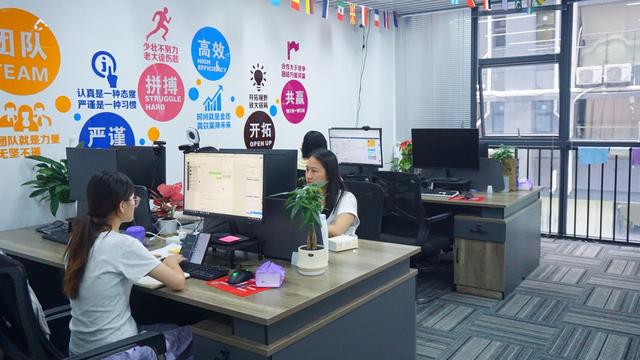
Shenzhen PowerSTN Energy Co., Ltd. is a China-based manufacturer specializing in advanced energy storage battery solutions for residential, commercial, and industrial applications. The company focuses on the development, production, and integration of lithium battery systems designed to support renewable energy utilization, backup power supply, and energy management projects worldwide.
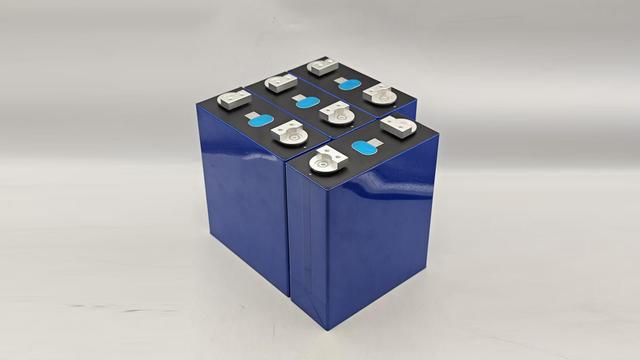
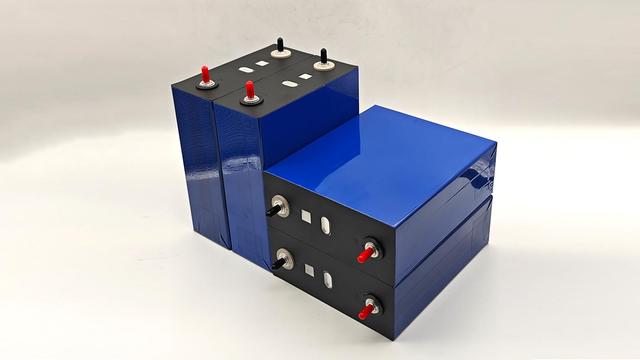
With a commitment to innovation and quality, PowerSTN provides a comprehensive portfolio of energy storage products, including residential energy storage systems, commercial and industrial battery solutions, solar energy storage batteries, off-grid power systems, hybrid energy storage platforms, and containerized battery energy storage systems. These solutions are engineered to help customers improve energy efficiency, enhance grid stability, and maximize the value of renewable energy investments.
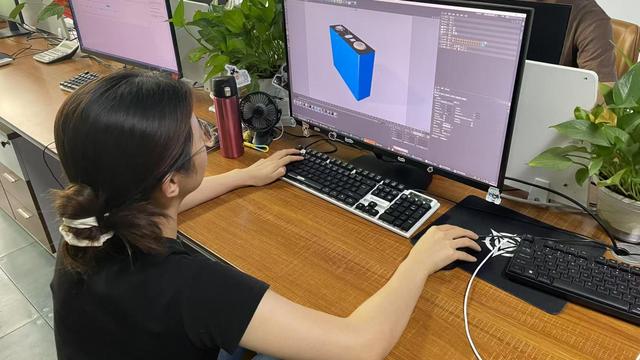
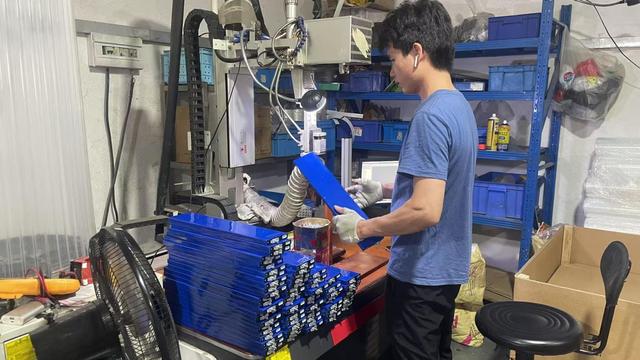
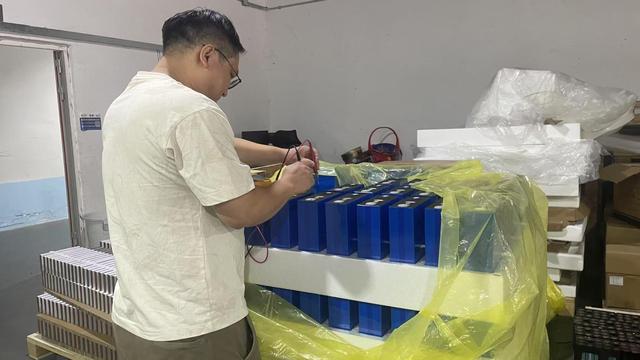
Our modern manufacturing facility utilizes automated robotic assembly, laser-welding cell connections, and rigorous Multi-Stage BMS testing to ensure that every containerized BESS exported to Namibia meets international quality and safety benchmarks.
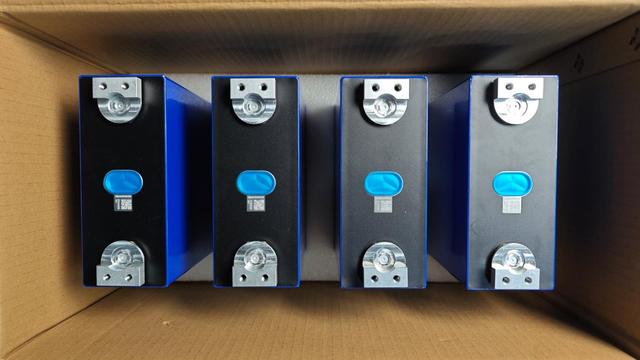
The company operates modern manufacturing facilities equipped with advanced production technologies and strict quality control procedures. From battery cell selection and battery pack assembly to system integration and performance testing, every stage of production is managed to ensure reliability, safety, and long-term operational performance.
PowerSTN serves customers across multiple industries, including renewable energy, telecommunications, data centers, utilities, manufacturing, commercial facilities, and infrastructure projects. Its engineering team works closely with clients to deliver customized energy storage solutions tailored to specific project requirements and operational environments.
In addition to manufacturing capabilities, Shenzhen PowerSTN Energy Co., Ltd. offers OEM and ODM services for global brands, distributors, system integrators, and energy solution providers. By combining technical expertise, flexible production capacity, and customer-focused support, the company aims to be a trusted partner for organizations seeking reliable and scalable energy storage technologies in the rapidly evolving global energy market.
Ensuring smooth grid integration in Namibia with professional standards compliance.
Connecting a commercial microgrid system to NamPower or local distribution networks (Erongo RED, NORED, CENORED) requires strict compliance with grid connection rules. Our systems are engineered to meet NamPower's requirements for voltage range ride-through, frequency stabilization, and reactive power control. This ensures hassle-free utility approvals for municipal-tied projects and MSB wheeling arrangements.
Namibian electrical regulations heavily draw from South African National Standards (SANS) and International Electrotechnical Commission (IEC) frameworks. Our complete LFP product portfolio complies with IEC 62619 (safety requirements for large lithium batteries), IEC 62477 (safety of power electronic converter systems), and IEC 61000 (electromagnetic compatibility), easing local engineering sign-offs.
Safety is critical for industrial BESS. PowerSTN integrates multi-level safety features into its design. Every containerized BESS contains an integrated aerosol fire suppression system, localized battery compartment isolation, and automated gas detection systems (CO, H2, smoke) that trigger rapid disconnects before thermal events occur.
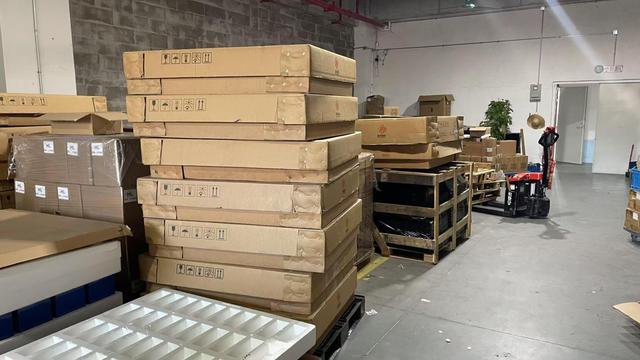
We manage direct shipping routes from our advanced production facilities in Shenzhen/Guangzhou to the Port of Walvis Bay. By coordinating with regional heavy transport carriers, we ensure secure overland transport to inland mining towns and remote areas across the country, providing smooth customs clearance and on-site crane positioning support.
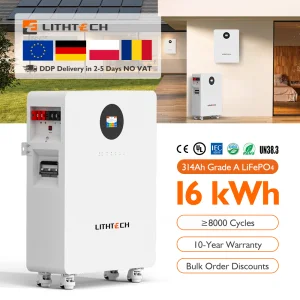
Explore our full line of specialized solutions, from residential backup units to heavy industrial containerized storage platforms.
Addressing engineering, regulatory, and logistics queries for Namibian project developers and energy coordinators.
Whether you are designing a community mini-grid in Kunene, a mining backup system in Erongo, or a commercial agricultural system in the Maize Triangle, our engineers can assist you with system sizing, simulation, and commissioning.
 PowerSTN Energy