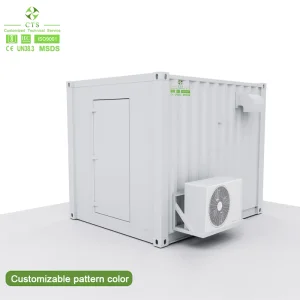
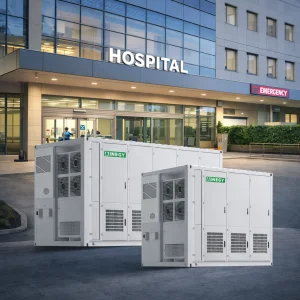
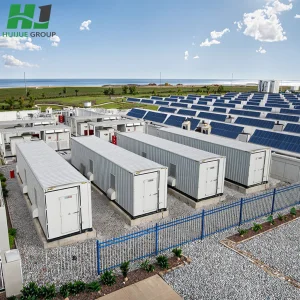
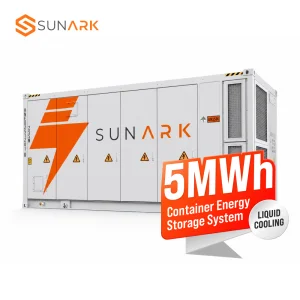
Under Malaysia’s National Energy Transition Roadmap (NETR), the nation has committed to raising its renewable energy capacity to 70% by 2050. This aggressive push is triggering structural transformations for industrial operators in Selangor, Johor, Penang, and East Malaysia. Intermittent solar PV integration is destabilizing regional distribution lines, necessitating high-capacity, grid-forming Battery Energy Storage Systems (BESS).
Whether for mitigating the Tenaga Nasional Berhad (TNB) maximum demand charges, achieving peak-shaving, or securing off-grid microgrid resilience for remote palm oil estates and offshore facilities in Sabah and Sarawak, localized energy storage solutions have transitioned from an environmental choice to a core commercial necessity.
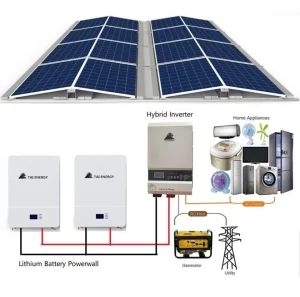
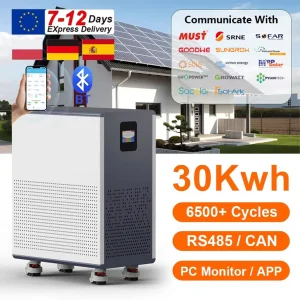
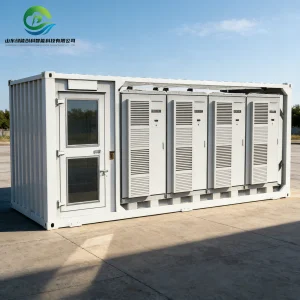
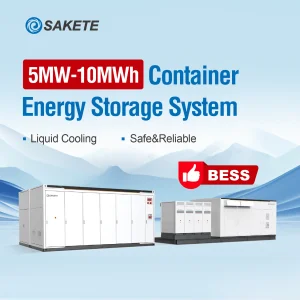
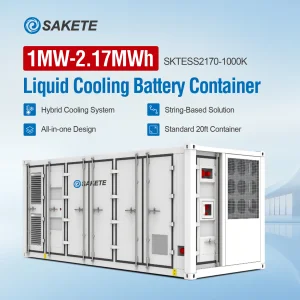
Malaysia’s tropical environment, characterized by temperatures consistently hovering around 30°C to 34°C, is taxing on battery lifespans. Standard air-cooled systems struggle to dissipate heat efficiently, accelerating thermal degradation. Liquid-cooled BESS containers are critical in maintaining core cell temperatures within the optimal 20°C–30°C window.
With the rapid scale-up of heavy manufacturing and semiconductor fabrication facilities in Penang and Kulim, localized grids suffer from micro-interruptions and frequency fluctuations. Integrating hybrid BESS with high-speed PCS allows sub-millisecond UPS switching, protecting delicate assembly lines from catastrophic outages.
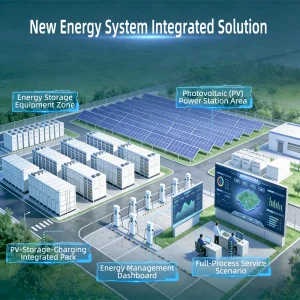
Dozens of rural communities and islands across East Malaysia rely on heavy diesel generators. Hybrid microgrids combine PV, advanced LFP containers, and bidirectional energy storage, providing constant clean power, decreasing diesel importation costs by up to 75% and reducing heavy logistics risks.
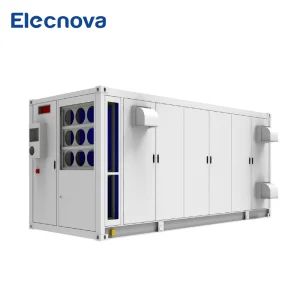
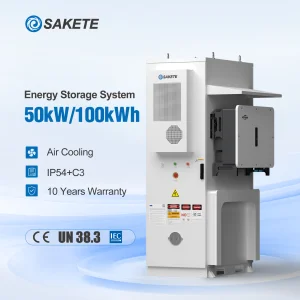
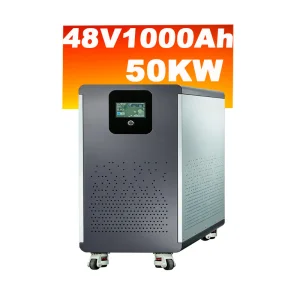
Procuring industrial energy storage platforms requires careful technical verification. For engineering, procurement, and construction (EPC) companies targeting utility-scale and large commercial microgrid contracts across Southeast Asia, technical criteria must address environmental challenges, electrical integration, and safety.
Because Malaysia’s fire departments (Bomba) enforce strict guidelines on indoor and containerized battery systems, safety documentation must be compliant with international certifications. Systems require multi-stage protection:
A key parameter in commercial microgrids is the integration capability of the Power Conversion System (PCS). Global EPC projects require systems compatible with grid-tied, off-grid, and multi-source hybrid setups (solar, diesel generator, grid). Direct integration of EMS platforms supporting MODBUS TCP/IP, CAN, and IEC 61850 protocol ensures compatibility with existing SCADA installations.
Shenzhen PowerSTN Energy Co., Ltd. is a China-based manufacturer specializing in advanced energy storage battery solutions for residential, commercial, and industrial applications. The company focuses on the development, production, and integration of lithium battery systems designed to support renewable energy utilization, backup power supply, and energy management projects worldwide.
With a commitment to innovation and quality, PowerSTN provides a comprehensive portfolio of energy storage products, including residential energy storage systems, commercial and industrial battery solutions, solar energy storage batteries, off-grid power systems, hybrid energy storage platforms, and containerized battery energy storage systems. These solutions are engineered to help customers improve energy efficiency, enhance grid stability, and maximize the value of renewable energy investments.
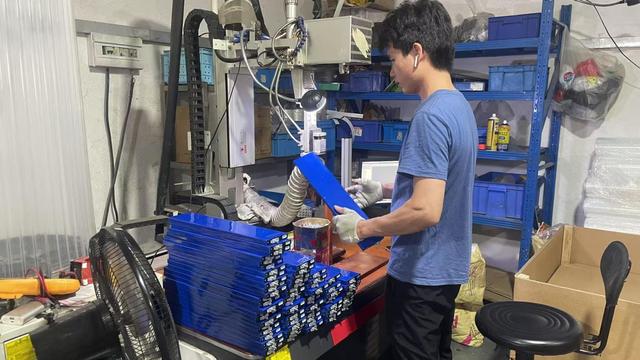
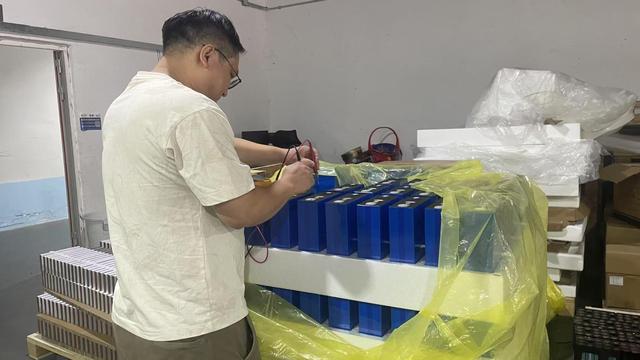
The company operates modern manufacturing facilities equipped with advanced production technologies and strict quality control procedures. From battery cell selection and battery pack assembly to system integration and performance testing, every stage of production is managed to ensure reliability, safety, and long-term operational performance.
PowerSTN serves customers across multiple industries, including renewable energy, telecommunications, data centers, utilities, manufacturing, commercial facilities, and infrastructure projects. Its engineering team works closely with clients to deliver customized energy storage solutions tailored to specific project requirements and operational environments.
In addition to manufacturing capabilities, Shenzhen PowerSTN Energy Co., Ltd. offers OEM and ODM services for global brands, distributors, system integrators, and energy solution providers. By combining technical expertise, flexible production capacity, and customer-focused support, the company aims to be a trusted partner for organizations seeking reliable and scalable energy storage technologies in the rapidly evolving global energy market.
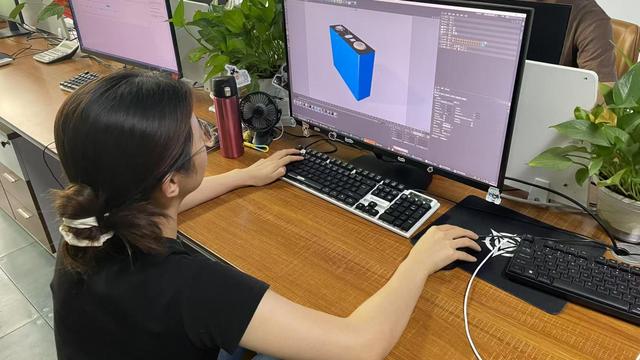
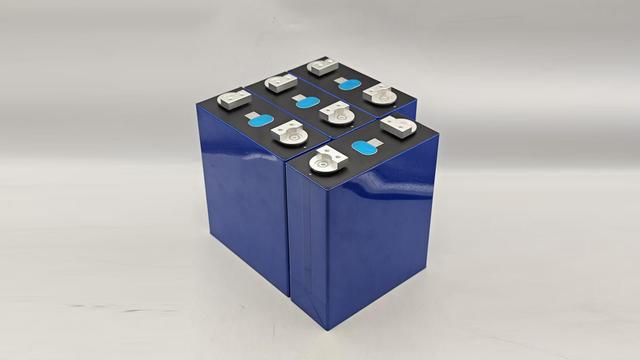
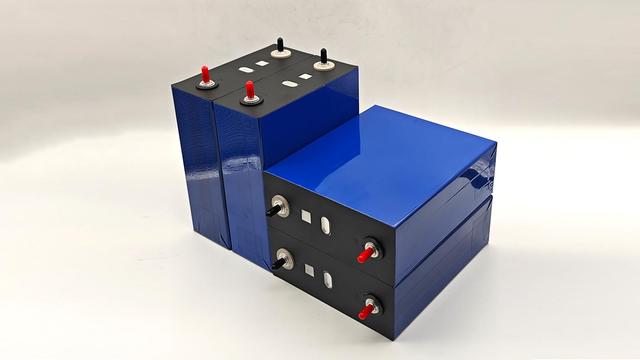
The microgrid landscape is fast migrating towards larger, energy-dense cell chemistry and higher operating voltages. As manufacturers serving Malaysia and global markets, our technical development is aligned with these structural updates:
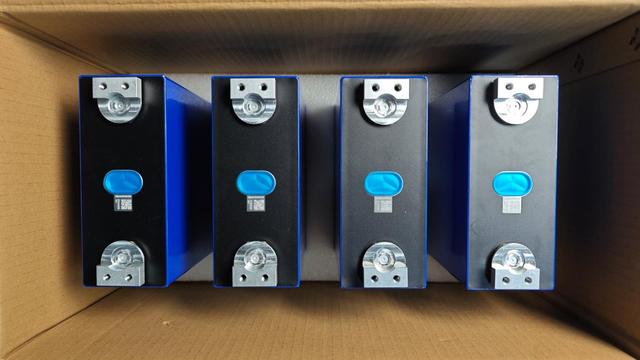
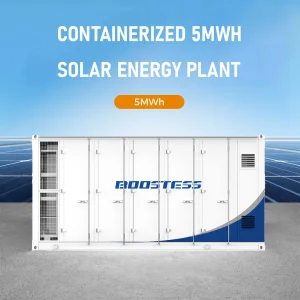
Moving away from traditional 280Ah cell structures, our next-generation utility systems leverage 314Ah high-capacity LFP cells. By increasing energy capacity within the same volumetric footprint, we pack up to 5MWh of energy in a standard 20-foot container. This transition lowers system balance-of-plant (BOP) cost while enhancing thermal efficiency across deep-cycling profiles.
In microgrids with high solar penetration, legacy grid-following inverters fail to maintain system stability. Our grid-forming PCS systems act as virtual synchronous generators, establishing independent voltage and frequency parameters. This technology is critical for industrial networks in remote zones, permitting solar offsets exceeding 80% without microgrid collapse.
Get in touch with our design engineers. We will analyze your monthly energy profiles, design a custom containerized battery energy storage layout, and provide a comprehensive proposal.
 PowerSTN Energy