Explore our foundational range of Tier-1 BESS cabinets, high-voltage battery modules, and intelligent cooling integration designed for ultimate industrial performance.
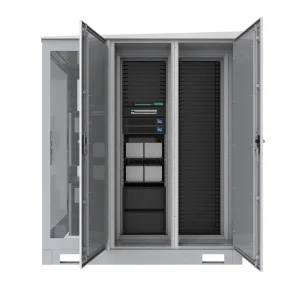
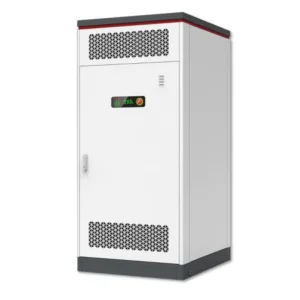
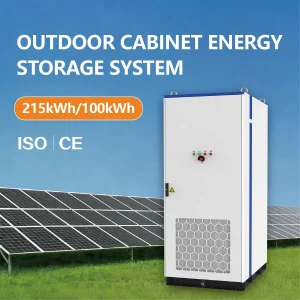
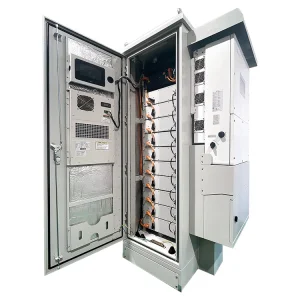
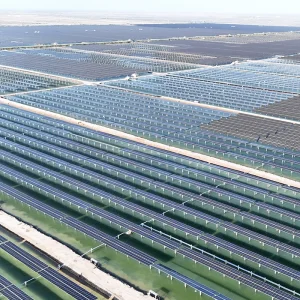
The global energy landscape is undergoing an unprecedented structural transition. Central to this revolution is the integration of high-performance Energy Storage Resources (ESR). As intermittent renewable sources—specifically solar photovoltaics (PV) and wind power—become the dominant contributors to power grids worldwide, grid instability, curtailment, and duck-curve demand patterns present critical operational challenges. To reconcile the temporal mismatch between power generation and demand, energy storage systems are no longer secondary options; they are vital, standard infrastructure.
China stands at the epicenter of this shift. Serving as the primary manufacturing and engineering hub for lithium iron phosphate (LFP) chemistry, China produces over 75% of the world's battery cells and integration systems. Leveraging localized supply chains, state-of-the-art gigafactories, and robust vertical integration from raw materials (lithium, iron, phosphate) to completed battery energy storage systems (BESS), Chinese suppliers deliver unparalleled economies of scale and technical sophistication.
Information Gain Insights: Unlike basic distributors, Tier-1 Chinese manufacturers provide highly integrated "Cell-to-System" designs, reducing parasitic loads, optimizing safety through cell-level monitoring, and offering direct technical customization from engineering teams.
In the commercial and industrial (C&I) sectors, electricity costs are heavily influenced by peak demand charges and time-of-use (TOU) tariffs. For manufacturing facilities, heavy industrial plants, cold chains, and commercial real estate, managing peak demand is a critical component of cost reduction.
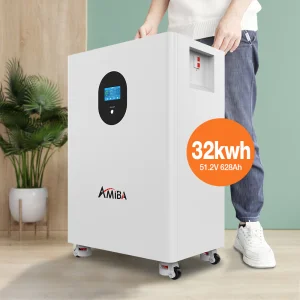
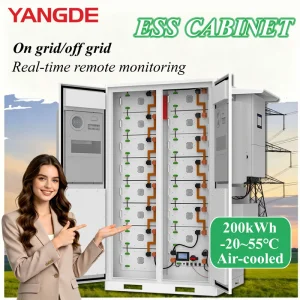
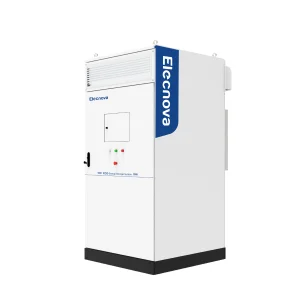
Across markets in North America (PJM, ERCOT, CAISO), Europe (ENTSO-E), and the Asia-Pacific region, regulatory updates are paving the way for distributed energy resources. High-capacity, liquid-cooled C&I battery storage cabinets allow companies to capture power during off-peak hours and discharge during high-rate peak hours. Beyond simple peak-shaving, these systems act as emergency backup power (UPS), preventing costly shutdowns in critical sectors such as semiconductor fabrication and precision automotive manufacturing.
Significantly lower demand fees by capping grid draw and transitioning load directly to localized BESS during peak pricing windows.
Participate in demand response programs and ancillary grid services, generating direct revenue via high-speed primary frequency regulation.
Seamlessly integrate with industrial diesel generators and commercial PV arrays to maintain high operational continuity during complete grid outages.
Shenzhen PowerSTN Energy Co., Ltd. is a China-based manufacturer specializing in advanced energy storage battery solutions for residential, commercial, and industrial applications. The company focuses on the development, production, and integration of lithium battery systems designed to support renewable energy utilization, backup power supply, and energy management projects worldwide.
With a commitment to innovation and quality, PowerSTN provides a comprehensive portfolio of energy storage products, including residential energy storage systems, commercial and industrial battery solutions, solar energy storage batteries, off-grid power systems, hybrid energy storage platforms, and containerized battery energy storage systems (BESS). These solutions are engineered to help customers improve energy efficiency, enhance grid stability, and maximize the value of renewable energy investments.
The company operates modern manufacturing facilities equipped with advanced production technologies and strict quality control procedures. From battery cell selection and battery pack assembly to system integration and performance testing, every stage of production is managed to ensure reliability, safety, and long-term operational performance.
PowerSTN serves customers across multiple industries, including renewable energy, telecommunications, data centers, utilities, manufacturing, commercial facilities, and infrastructure projects. Its engineering team works closely with clients to deliver customized energy storage solutions tailored to specific project requirements and operational environments.
In addition to manufacturing capabilities, Shenzhen PowerSTN Energy Co., Ltd. offers OEM and ODM services for global brands, distributors, system integrators, and energy solution providers. By combining technical expertise, flexible production capacity, and customer-focused support, the company aims to be a trusted partner for organizations seeking reliable and scalable energy storage technologies in the rapidly evolving global energy market.
Modern BESS development focuses heavily on safety, cycle life, and thermal management. The industry is transitioning from forced-air cooling systems to liquid cooling configurations. Liquid cooling systems offer more uniform cell-to-cell temperatures, reducing thermal gradients across the pack to less than 2°C. This temperature control is critical to mitigating localized cell degradation and preventing thermal runaway propagation.
| Engineering Attribute | Traditional Forced-Air Cooling | Advanced Liquid Cooling (PowerSTN Standard) |
|---|---|---|
| Thermal Uniformity | ±4°C to ±6°C Cell-to-Cell Gradient | ≤±2.0°C High-Precision Control |
| Energy Density (Volumetric) | Low to Moderate (Requires air ducts) | High (Up to 40% spatial savings) |
| Parasitic Auxiliary Load | Higher (High-power fans running constantly) | Lower (Optimized variable-speed liquid pumps) |
| Cell Lifespan Extension | Standard baseline (approx 4500-5000 cycles) | Extended up to 6000+ cycles (at 80% SOH) |
| External Ambient Adaptability | Prone to dust, humidity, and atmospheric saline | Fully sealed IP54/IP55 cabinet, isolation from ambient air |
At the system level, the battery management system (BMS) plays a key role in safety. A three-tier BMS architecture (Module, Rack, System level) monitor cell parameters (voltage, temperature, impedance) in real time. Combined with smart cloud diagnostics, predictive algorithms analyze state-of-health (SOH) and identify abnormal cell trends before faults occur, ensuring high operational reliability.
A strategic vision detailing the evolution of battery chemistry, system integration, and grid software orchestration.
Deployment of 306Ah and 314Ah high-density cells, integrating liquid cooling plate systems to standardize C&I systems at 241kWh and container solutions at 2.0-5.0MWh.
Integrating semi-solid-state lithium cells to improve safety profile and energy density, alongside early implementations of sodium-ion packs for extreme cold operations.
Deploying machine-learning-based state forecasting models on cloud servers to optimize virtual power plant (VPP) performance and bidirectional Vehicle-to-Grid integration.
Exporting energy storage solutions internationally requires strict adherence to global safety and compliance frameworks. PowerSTN systems undergo comprehensive testing to meet strict safety and performance regulations globally.
For the North American market, compliance with UL 9540 (for integrated systems) and UL 9540A (fire safety testing for thermal runaway progression) is essential. Our battery systems are certified under UL 1973 for stationary batteries, ensuring compliance for grid-interactive projects.
For the European market, compliance with CE, IEC 62619 (safety requirements for secondary lithium cells and batteries), and EN 50549 (requirements for generating plants to be connected in parallel with distribution networks) is fully integrated into our production standards. In addition, all battery assemblies are certified under UN 38.3 to meet global transportation safety requirements.
Key technical and business inquiries addressed by our expert engineering team.
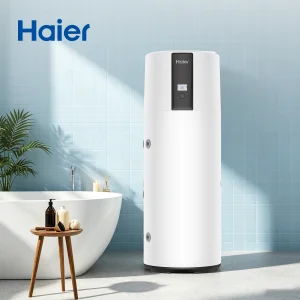
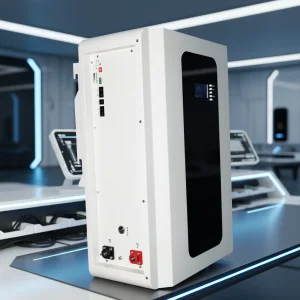
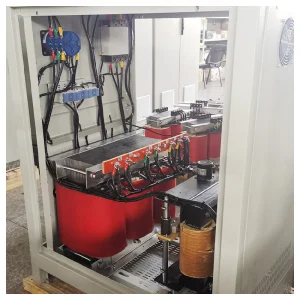
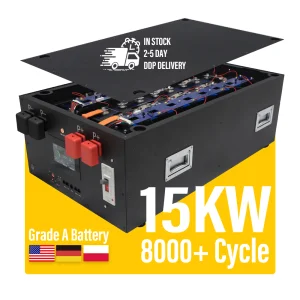
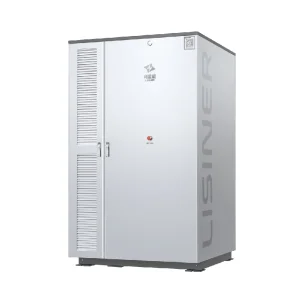
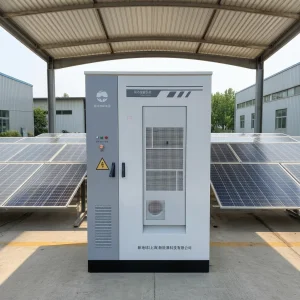
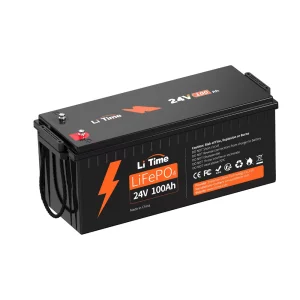
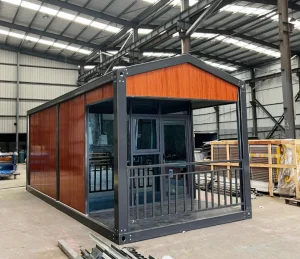
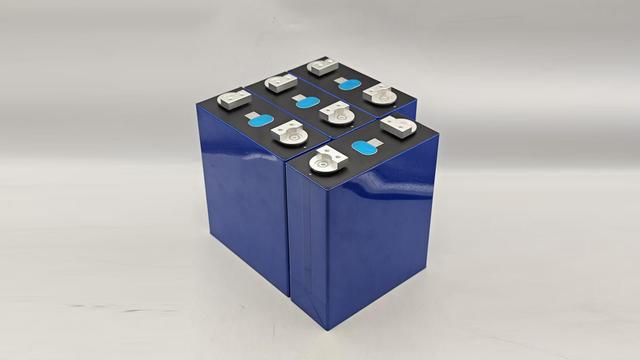
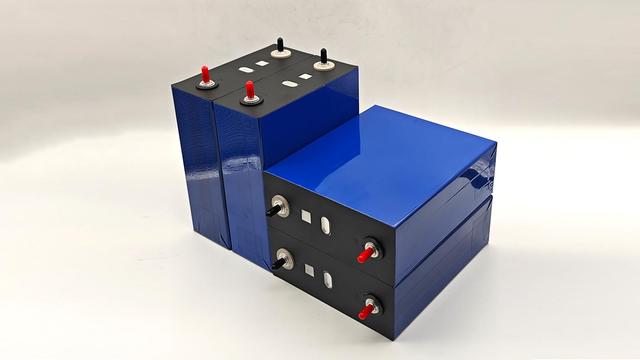
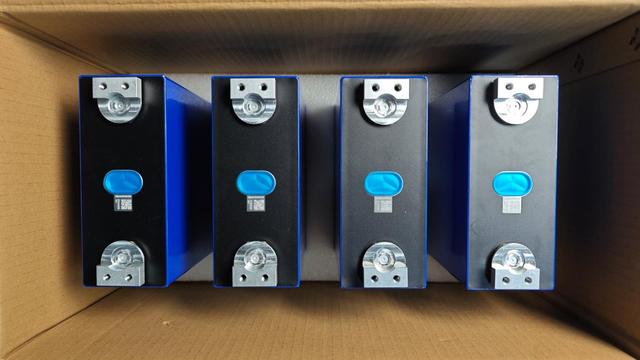
Explore our specialized range of modular battery storage systems, voltage stabilizers, heat pumps, and structural units designed for diverse deployment scenarios.
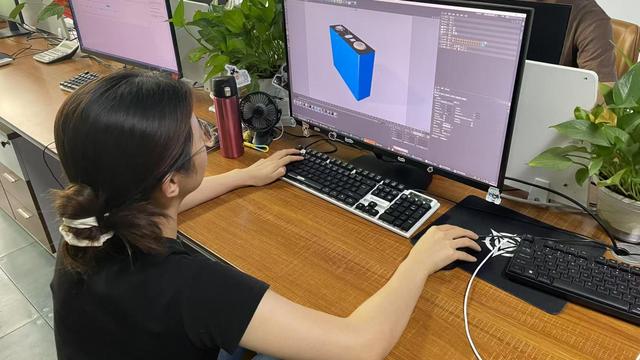
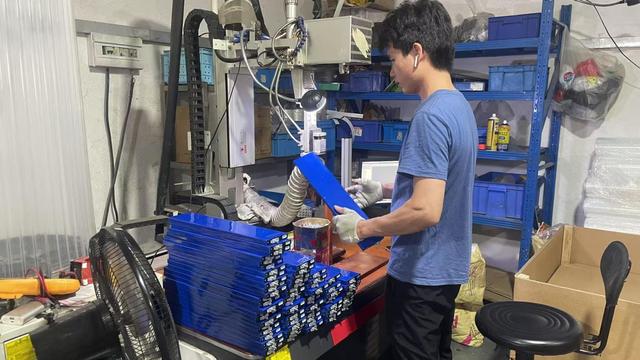
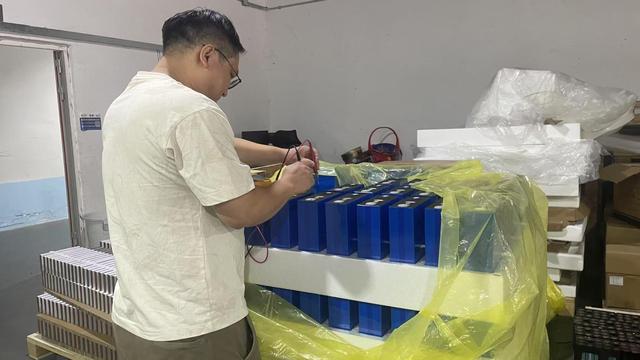
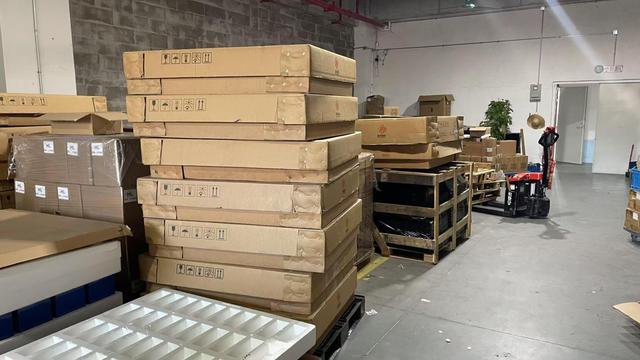
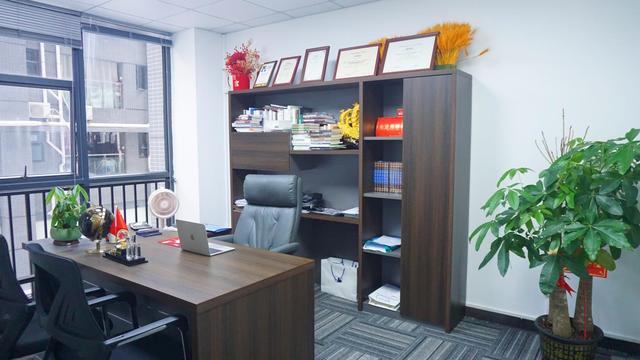
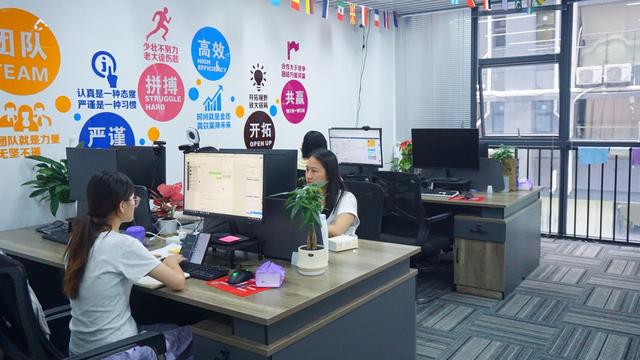
Step inside our state-of-the-art manufacturing plants, quality testing labs, and assembly corridors in Shenzhen.
 PowerSTN Energy