Explore our top-tier battery storage hardware portfolio engineered for scalable deployment, high round-trip efficiency (RTE), and maximum thermal reliability under heavy cycling conditions.
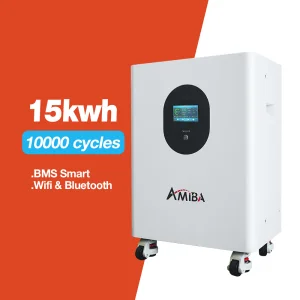
The global energy landscape is undergoing a structural transformation toward decarbonization, driven by aggressive net-zero mandates, rapid electrification of transport, and the widespread integration of intermittent renewable energy sources like solar photovoltaics (PV) and wind turbine networks. However, the inherent volatility of renewable power generation introduces significant power grid instability, frequency fluctuations, and curtailment challenges. In response, Electric Storage Systems (ESS) have emerged as the single most critical asset class enabling power grid resilience, demand-side management, and reliable off-grid capability.
China has consolidated its leadership as the premier global hub for BESS manufacturing, supply chain scaling, and electrochemical cell technology innovation. Chinese original equipment manufacturers (OEMs) and original design manufacturers (ODMs) produce over 85% of the world’s Lithium Iron Phosphate (LiFePO4) battery cells, serving global project developers, EPC contractors, utility companies, and commercial hardware distributors across North America, Europe, Australia, and emerging markets in Southeast Asia and Africa.
For enterprise procurement officers and system integrators, navigating China's vast manufacturing ecosystem requires a granular understanding of cell chemistries, thermal architecture designs (liquid cooling vs. forced air cooling), Power Conversion System (PCS) topology, and International Electrotechnical Commission (IEC) compliance frameworks. This technical whitepaper establishes a comprehensive procurement benchmark for evaluating OEM partners and deploying robust energy storage infrastructure.
Modern electric storage systems demand high energy density, extended operational lifespans, and uncompromising multi-tier thermal safety protocols. The transition from legacy Lead-Acid and Nickel-Manganese-Cobalt (NMC) chemistries to advanced Lithium Iron Phosphate (LiFePO4) has fundamentally transformed system reliability and Levelized Cost of Storage (LCOS).
LiFePO4 olivine crystal structures exhibit superior thermal and chemical stability compared to layer-structured chemistries. Thermal runaway initiation temperatures exceed 270°C, preventing oxygen release during internal short circuits or mechanical punctures.
Three-tier Battery Management Systems (BMU, BCU, BAMS) provide millisecond-level telemetry over voltage delta, temperature gradients, SOC/SOH estimation, and active balancing to optimize string performance and prevent overcharge/overdischarge degradation.
Next-generation containerized utility BESS feature microchannel cold-plate liquid cooling circuits, maintaining intra-pack temperature variance within ≤3°C. This reduces thermal stress and extends battery cycle life by up to 20% over traditional HVAC air cooling.
| Performance Vector | Forced Air Cooling Systems | Liquid Cooling Systems (PowerSTN Standard) | Operational Impact |
|---|---|---|---|
| Temperature Variance (ΔT) | ± 5°C to 8°C across battery module | ≤ 3°C uniform pack temperature | Eliminates hot-spots, preventing premature degradation of individual cells. |
| Auxiliary Power Consumption | High (Requires continuous high-CFM HVAC fans) | Low (30-40% reduction in parasitic HVAC load) | Significantly increases net system Round-Trip Efficiency (RTE ≥ 92%). |
| Footprint Density (kWh/m²) | Standard volumetric energy density | Up to 50% higher capacity density per container | Reduces land acquisition costs and civil foundation works for large plant deployments. |
| Acoustic Noise Emissions | High (> 75 dBA at 1 meter) | Quiet (< 60 dBA low-noise pump operation) | Ideal for urban noise-sensitive C&I installations and microgrids. |
Electric storage systems are dynamic utility assets serving multiple revenue streams and operational mandates. Depending on grid topology and regional energy market structures, BESS deployments are divided into three core operational sectors:
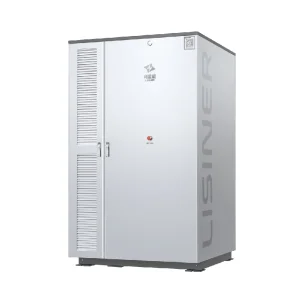
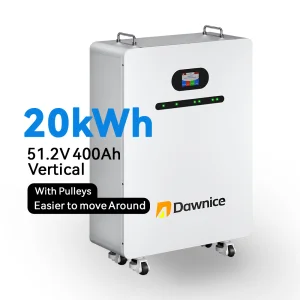
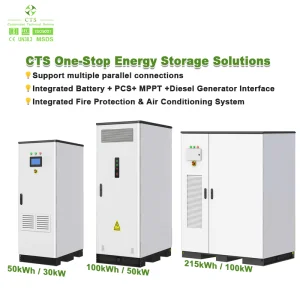
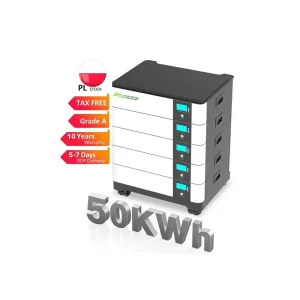
Industrial manufacturing plants, cold storage facilities, and commercial real estate complexes face exorbitant peak demand charges and time-of-use (TOU) power tariffs. Standard 50kWh to 418kWh energy storage cabinets allow commercial facilities to discharge stored low-cost off-peak solar/grid power during peak pricing hours, directly lowering monthly utility bills while serving as dynamic backup power during grid blackouts.
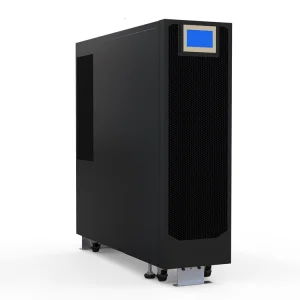
Data centers, 5G base stations, and financial compute nodes cannot tolerate micro-outs of AC power. High-voltage 60kVA online double-conversion 3-phase uninterruptible power supplies (UPS) paired with modular lithium battery banks deliver continuous zero-transfer-time voltage regulation, protecting IT hardware from voltage sags, harmonics, and sudden grid failure.
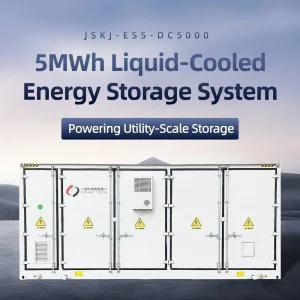
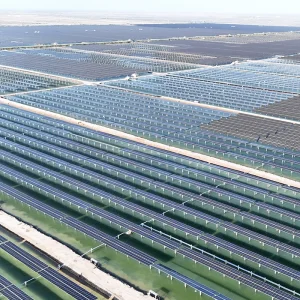
Large-scale utility solar installations require 20ft/40ft ISO containerized BESS (ranging from 1MWh to 5MWh capacities) equipped with centralized Power Conversion Systems (PCS), aerosol fire suppression systems, and cloud-connected Energy Management Systems (EMS). These assets execute automatic generation control (AGC), black start routines, and ramp-rate smoothing to maintain grid compliance.
Shenzhen PowerSTN Energy Co., Ltd. is a premier China-based manufacturer specializing in advanced energy storage battery solutions for residential, commercial, and industrial applications. The company focuses on the development, production, and integration of high-grade lithium battery systems designed to support renewable energy utilization, backup power supply, and energy management projects worldwide.
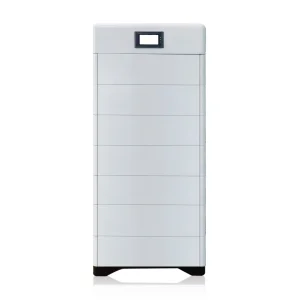
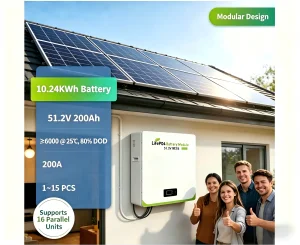
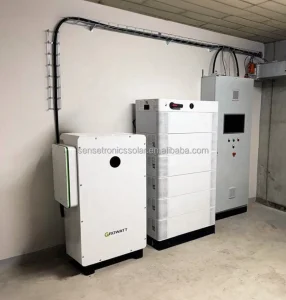
With a steadfast commitment to technological innovation and global quality standards, PowerSTN provides a comprehensive portfolio of energy storage products, including residential powerwalls, high-voltage stackable battery units, commercial and industrial BESS containers, off-grid solar power systems, hybrid energy storage platforms, and double-conversion online UPS systems. These solutions are meticulously engineered to help international customers improve energy efficiency, enhance grid stability, and maximize the long-term ROI of renewable energy investments.
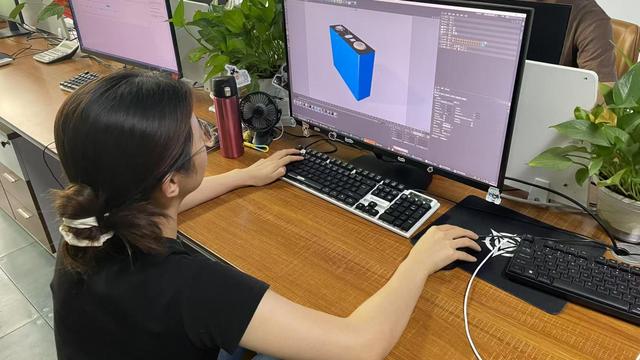
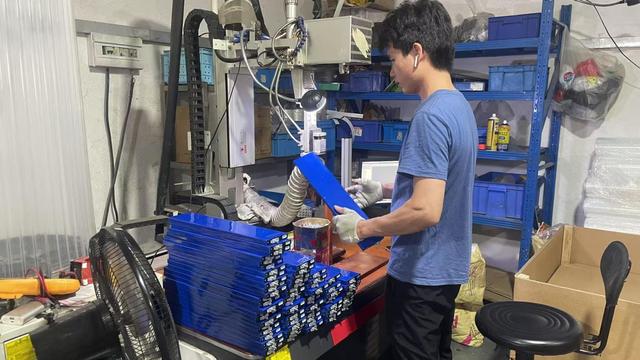
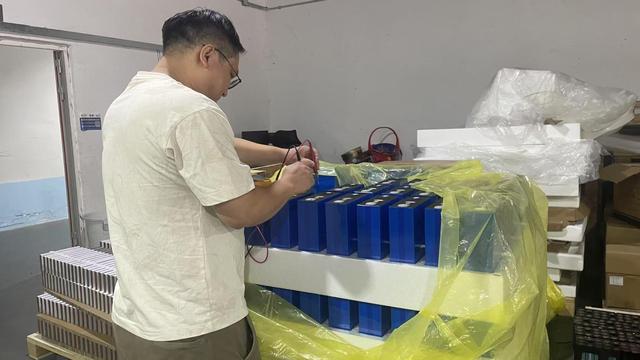
The company operates state-of-the-art manufacturing facilities equipped with automated laser welding, high-precision cell impedance sorting, and computerized aging test stations. From initial cell evaluation and battery pack assembly to complete system integration and load testing, every stage of production is governed by strict ISO9001 and ISO14001 quality control management systems.
PowerSTN serves enterprise clients across multiple verticals, including utility solar developers, telecommunications operators, data center infrastructure providers, manufacturing facilities, and smart microgrid developers. Its specialized R&D engineering team works in close collaboration with global procurement clients to deliver customized OEM and ODM energy storage solutions tailored to unique climate conditions, electrical grid codes, and enclosure specifications.
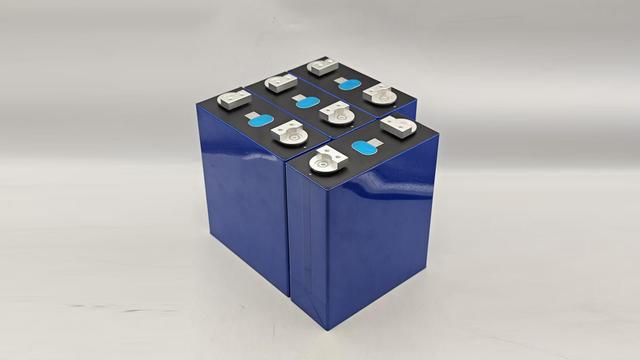
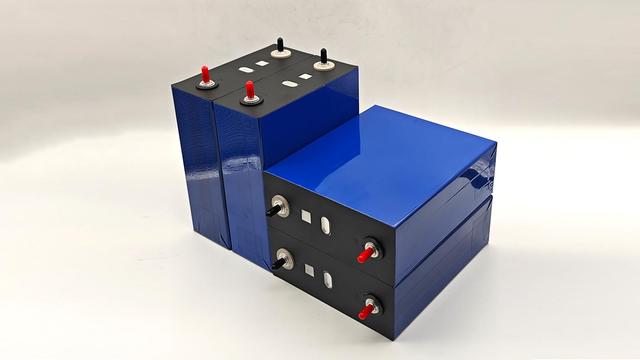
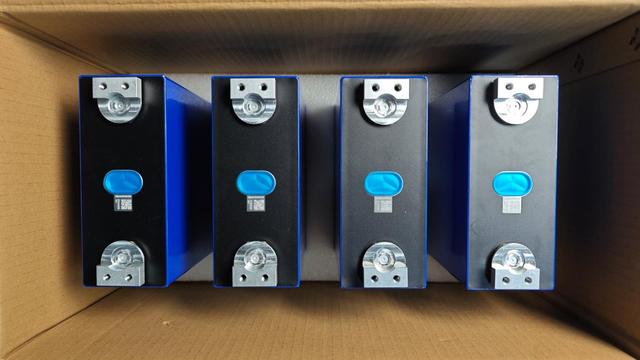


International trade in energy storage equipment involves stringent regulatory frameworks to ensure cross-border transport safety and electrical grid safety compliance. OEM buyers must verify that manufacturers possess comprehensive testing documentation:
UN38.3 & MSDS: Validates lithium battery structural integrity during air/maritime transit, covering vibration, impact, thermal shock, and altitude simulation tests.
UL 1973 & UL 9540A: Critical for North American installations. Confirms thermal runaway fire propagation prevention at the cell, module, and system unit levels.
CE, IEC 62619, IEC 62477: Compliance with European Low Voltage and EMC Directives, ensuring grid interconnection compatibility (e.g., EN 50549 / VDE-AR-N 4105).
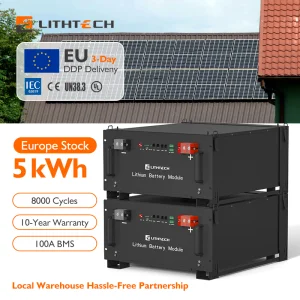
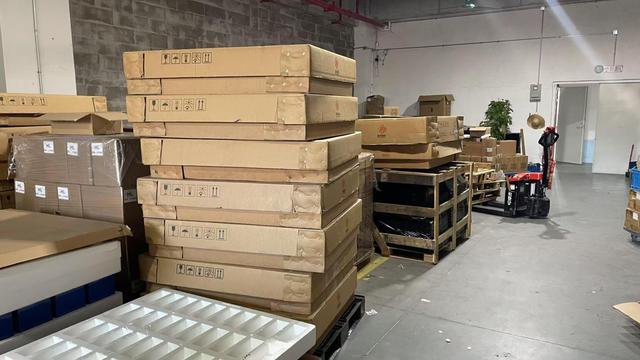
To streamline global logistics, leading exporters establish regional distribution hubs. Overseas stockpiling (such as EU-based local warehouses in Poland or Germany) allows distributors to access rapid DDP fulfillment, circumventing long sea-freight lead times and reducing working capital requirements.
The energy storage industry is advancing rapidly toward higher energy density formats, advanced digital analytics, and alternative chemistry platforms. Procurement managers must align with manufacturers that actively invest in long-term engineering roadmaps:
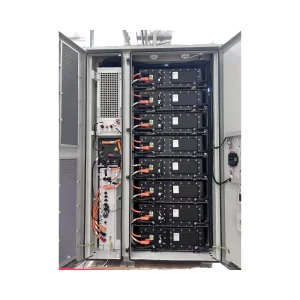
Browse our commercial battery systems, containerized BESS modules, and high-voltage rack solutions built for utility grid-side support and heavy industrial projects.
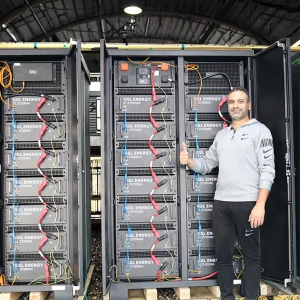
 PowerSTN Energy