Explore our state-of-the-art power distribution, energy storage, and industrial backup systems built for critical enterprise infrastructure.
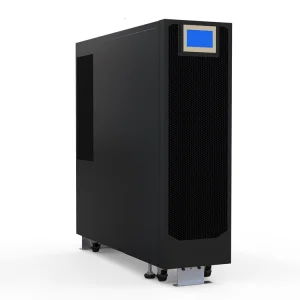
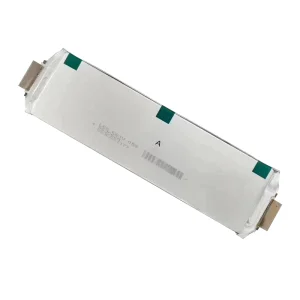
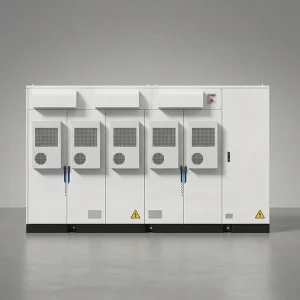
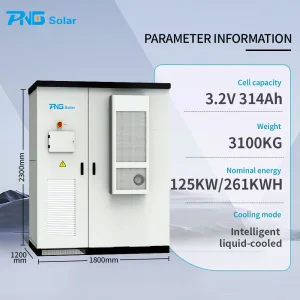
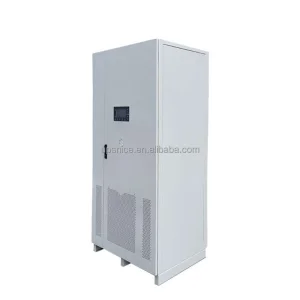
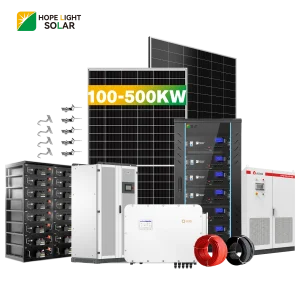
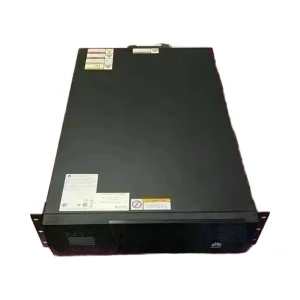
Shenzhen PowerSTN Energy Co., Ltd. stands at the forefront of China's clean energy revolution. As a highly specialized manufacturer and exporter, we focus on the end-to-end development, production, and integration of premium lithium battery systems, high-capacity online UPS systems, and comprehensive energy storage platforms for residential, commercial, and utility-scale projects globally.
With deep industry expertise, our team bridges the gap between state-of-the-art battery technologies (including Lithium Iron Phosphate - LiFePO4 and Nickel Cobalt Manganese - NCM chemistries) and real-world system applications. We serve critical sectors including telecommunications, hyper-scale data centers, microgrids, industrial manufacturing, and marine transport, providing grid-level stability and robust emergency backup infrastructure.
An engineering analysis of modern battery chemistry evolution, thermal management systems, and safety integration.
Lithium Iron Phosphate (LiFePO4) is the benchmark for stationary grid applications due to its extreme thermal stability and operational lifespan of over 6,000 charge cycles. Conversely, Nickel Cobalt Manganese (NCM) chemistry is deployed where volumetric density is critical, such as electric vehicles and compact marine power storage systems. Shenzhen PowerSTN develops tailored configurations for both paths, leveraging intelligent Battery Management Systems (BMS) to optimize safe execution.
As capacity thresholds scale up to 215kWh and 261kWh in utility and commercial enclosures, active thermal management shifts from forced air cooling to advanced liquid-glycol loops. Liquid cooling reduces the temperature delta between adjacent cells to less than 2°C, significantly minimizing degradation rates, neutralizing local thermal runaway zones, and extending total system lifetime efficiency by up to 20% compared to traditional configurations.
Modern microgrids demand rapid grid response and telemetry integration. Our Energy Management Systems (EMS) deploy AI-driven algorithms to forecast load demands, execute peak-shaving strategies, and seamlessly switch from online utility inputs to backup local storage under 10 milliseconds. This ensures total data protection and zero operational interruptions for high-demand, high-frequency setups.
Customized, reliable off-grid and hybrid configurations built to secure global critical infrastructure.
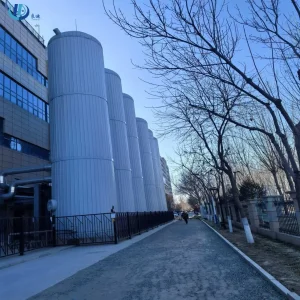
Hyperscale data centers require double-conversion online UPS systems coupled with thermal buffer systems (such as high-efficiency cold water storage tanks) to prevent catastrophic processor failures. Our 60kVA and three-phase modular online UPS arrays operate at high power factor efficiency (0.9 to 1.0) with comprehensive Wi-Fi connectivity options, ensuring that operations teams maintain real-time diagnostics over battery state-of-health, voltage imbalances, and utility disturbances.
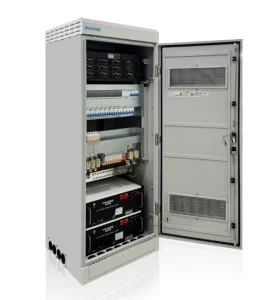
Remote communication nodes operate under challenging weather and grid conditions. PowerSTN's Telecom All-in-One Hybrid Power Supply systems integrate solar PV arrays, diesel generator controls, and outdoor-rated lithium storage modules in an unified IP55-rated container. This lowers operational maintenance expenses (OPEX) by minimizing diesel reliance and ensuring continuous cell tower operations.
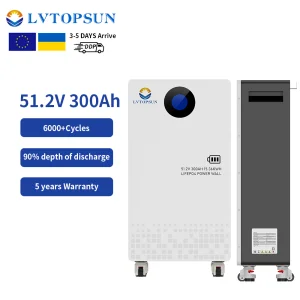
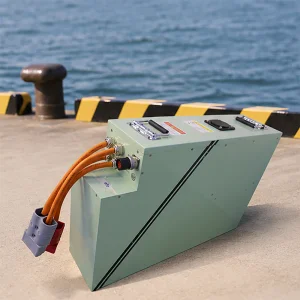
The maritime industry demands stringent reliability under aggressive ambient conditions. Our specialized 51.2V 300Ah Superyacht Lithium Battery systems conform directly to DNV standards. Featuring vibration-damping structural containment and anti-corrosion marine-grade physical components, they support auxiliary ship services, hybrid propulsion, and shore power load stabilization.
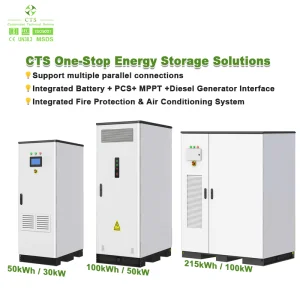
Commercial and Industrial (C&I) facilities utilize high-voltage storage blocks (e.g., 215kWh and 261kWh systems) to reduce energy tariff bills. By charging the battery arrays during off-peak windows and discharging them during high-demand peak billing spikes, factories save on utility costs while providing backup security against localized power blackouts.
Inside Shenzhen PowerSTN's state-of-the-art production systems, driving quality assurance and price competitive leverage.
The global demand for clean energy storage requires manufacturing processes that eliminate cell deviation rates. Operating from Shenzhen, the global hub of electronic and energy engineering, PowerSTN leverages a vertically integrated supply chain to construct scalable and reliable BESS systems.
Every lithium cell utilized in our assembly lines undergoes rigorous grading. Sourced cells are matched strictly by internal resistance (IR), self-discharge rate, and dynamic voltage tolerances. This sorting prevents cell imbalance within packs, maximizing safe cycles and extending system life.
By automating cell sorting, pack assembly, and laser busbar welding, we reduce manual assembly defects. Continuous machine vision cameras verify geometric alignment and spot weld integrity, preventing hot-spot vulnerabilities within high-current pathways.
Every integrated battery cabinet is subjected to dynamic burn-in and charge-discharge test cycles under simulated load environments. Real-time diagnostic systems monitor the BMS software to ensure cell balancing functions operate correctly before packaging.
Providing certifications and safety compliance for smooth integration and customs clearance worldwide.
Navigating localized energy grid codes and customs compliance is a core challenge in procurement. PowerSTN assists our partners by providing complete technical documentation, including schematics, mechanical drawings, and custom Modbus maps for direct integration into local monitoring software.
Additionally, our commercial division works closely with global freight networks, providing tailored customs and shipping arrangements. Whether you require standard cargo shipping or specialized battery container transport, our team ensures efficient, compliant, and cost-effective logistics solutions.
Key considerations for procurement officers evaluating BESS and industrial power supplies.
When sourcing systems, procurement teams must look past the initial capital expenditure (CAPEX). Evaluate the Levelized Cost of Storage (LCOS) by assessing cell degradation rates, system efficiency, warranty windows, and cooling energy demands. Highly efficient liquid-cooled platforms offer superior ROI by reducing auxiliary cooling overheads.
Ensure the integrated BMS supports standard communication protocols (such as CAN, Modbus TCP/RTU, or RS485). Compatibility with major hybrid inverter architectures is vital for trouble-free commissioning and remote management in off-grid or microgrid installations.
Select manufacturing partners that offer adaptable OEM/ODM paths. Whether modifying system voltages for specific inverters, building custom enclosures for challenging marine environments, or requesting customized product labeling, working with adaptable suppliers minimizes development cycles.
Frequently asked questions from engineers, buyers, and project developers regarding system specifications and deployment.
LiFePO4 (Lithium Iron Phosphate) cells feature high thermal stability, a longer cycle life (up to 6,000+ cycles at 80% DOD), and are less prone to thermal runaway, making them ideal for stationary energy storage systems (BESS). NCM (Nickel Cobalt Manganese) cells offer high energy density in a compact size, making them suitable for space-constrained configurations, electric vehicles, and specialized marine propulsion setups.
Liquid cooling systems utilize high-efficiency cooling loops that keep cell temperature differentials within 2°C, compared to 5–10°C in air-cooled configurations. This thermal management ensures uniform aging, prevents localized hotspots, reduces auxiliary power consumption, and maximizes safe operation for high-power charge and discharge cycles.
Key certifications include UN38.3 and MSDS for international transport, CE and IEC62619 for European safety compliance, and UL1973, UL1642, and UL9540A for North American grid and fire safety codes. Shenzhen PowerSTN systems are engineered to meet these standards to facilitate smooth integration and compliance.
Yes, we provide full OEM and ODM services for system integrators, distributors, and energy developers. This includes custom voltage configurations, enclosure ratings (IP55/IP65), customized branding, and custom BMS/EMS communication integrations to match specific project parameters.
An online double-conversion UPS constantly converts incoming AC utility power to DC, and then back to stable, pure-sine AC. This isolates critical servers from line disturbances (such as surges, voltage sags, or frequency fluctuations) and provides zero-millisecond transfer times to backup batteries in the event of an outage.
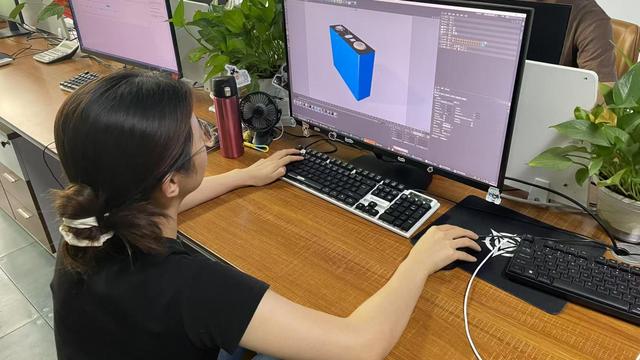
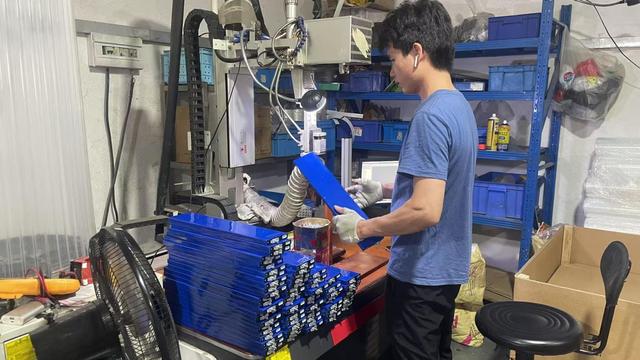
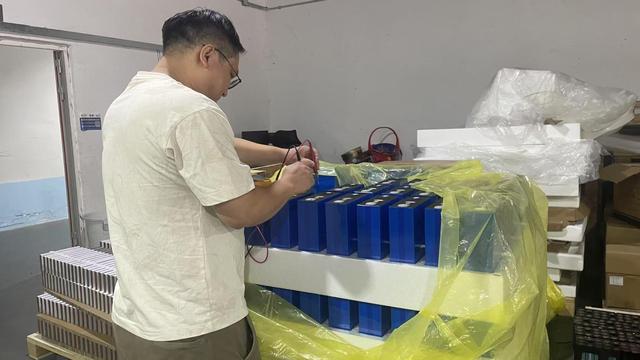
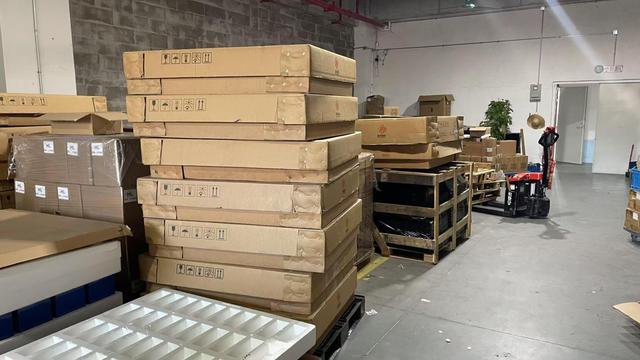
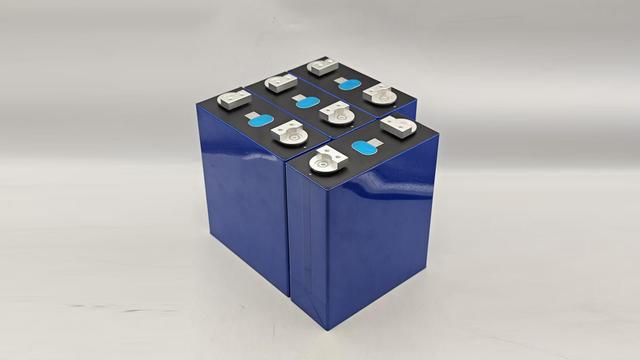
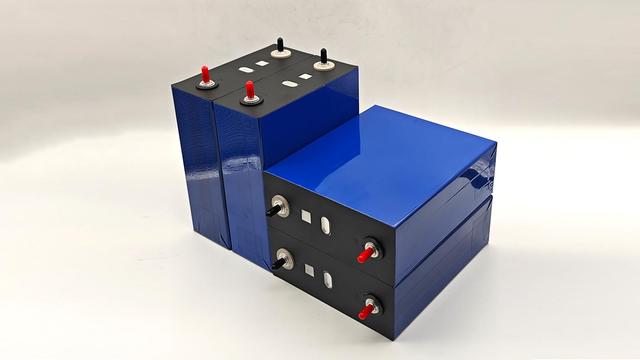
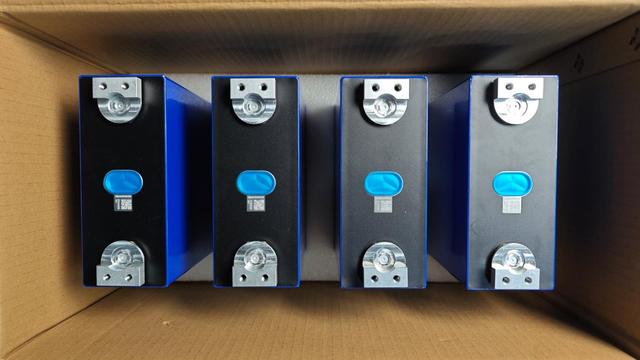
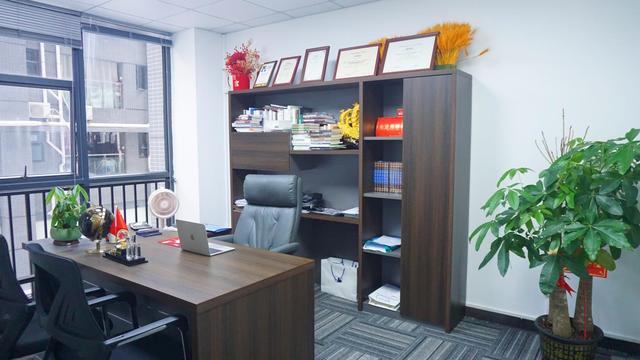
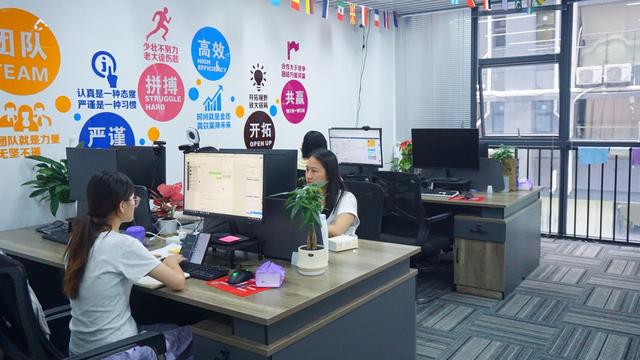
Visual breakdown of our manufacturing floor, testing laboratories, and integration facilities.
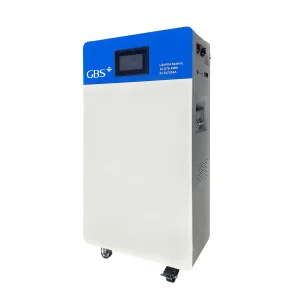
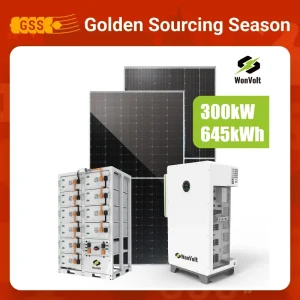
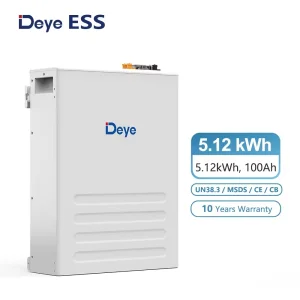
Discover our highly efficient home backup networks, off-grid systems, and marine-certified batteries.
 PowerSTN Energy