Explore our cutting-edge, high-durability BESS configurations designed to stabilize modern power grids and optimize C&I energy utilization.
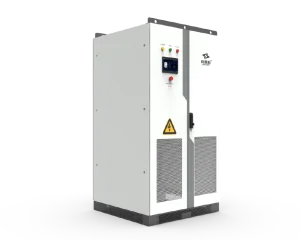
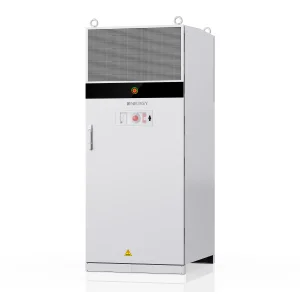
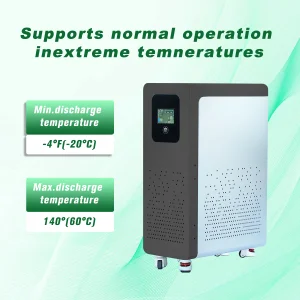
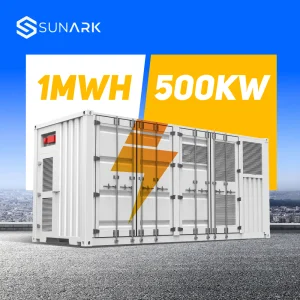
As the global energy landscape transitions rapidly toward intermittent renewable sources like solar photovoltaics (PV) and wind power, grid vulnerability has become a major pain point for utilities and large industrial consumers alike. Traditional Short-Duration Energy Storage (SDES), primarily categorized by 1-hour to 2-hour discharge limits, is sufficient for frequency response and basic peak shaving. However, to achieve deep decarbonization and grid autonomy, the market demands Long-Duration Energy Storage (LDES) systems that can continuously discharge power for 4, 8, 12, or even 24 hours.
“Long-duration energy storage represents the foundation of the future decarbonized grid. It acts as an absolute buffer, absorbing massive curtailment periods and releasing sustained energy during peak load deficits.”
Shenzhen PowerSTN Energy Co., Ltd. is positioned at the forefront of this industrial shift. Operating as a tier-one China-based manufacturer specializing in advanced energy storage solutions, the company focuses on designing high-density LiFePO4 battery platforms, hybrid microgrid systems, and large-scale containerized Battery Energy Storage Systems (BESS). Our engineering processes focus heavily on improving the levelized cost of storage (LCOS), maximizing the safety margins of prismatic LFP chemistry, and delivering robust system integration for complex environmental conditions.
Developing safe, efficient, and cost-effective long-duration energy storage requires complex electro-chemical and thermal management design. The core technical pillars driving PowerSTN's research and development include:
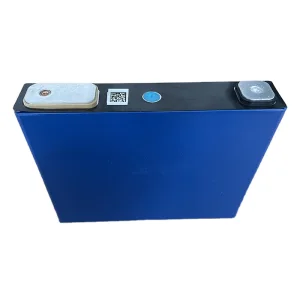
We leverage ultra-stable Lithium Iron Phosphate (LiFePO4) chemistry and are actively exploring solid-state battery integrations. LFP remains the gold standard for LDES due to its high thermal runaway threshold (up to 270°C), lack of cobalt dependencies, and structural endurance under continuous charge-discharge stress.
Transitioning from air cooling to advanced liquid-cooled (water-cold) loop management, such as the EBlock 250 system. Liquid cooling yields a temperature variance of less than 3°C across all cells in a pack, directly preventing accelerated aging and thermal runaway propagation in large containerized assets.
By elevating system operational voltage levels to 1000V and 1500V, our rack systems drastically minimize line transmission losses, simplify cabinet cabling requirements, and significantly boost the round-trip efficiency (RTE) of complete microgrid configurations.
Looking to the horizon, the roadmap of LDES will integrate multi-energy hybrid platforms. The co-deployment of high-power density chemistries (for transient voltage sags and grid frequency spikes) with long-discharge LFP matrices (for multi-hour energy shifting) will optimize both capital expenditure (CAPEX) and operating expenditure (OPEX). Furthermore, local BMS cloud interfaces enable real-time state of charge (SoC) and state of health (SoH) diagnostics, protecting long-term capital investments.
Shenzhen PowerSTN Energy Co., Ltd. operates from the heart of the world’s most advanced lithium battery supply ecosystem. Our Shenzhen and partner manufacturing facilities utilize Industry 4.0 paradigms to deliver premium, reliable BESS units globally.
By establishing long-term strategic relationships with key precursor and LFP powder suppliers, we mitigate raw material price fluctuations. This ensures our clients receive stable pricing structures even during periods of global supply chain volatility.
Improper cell matching is the primary cause of early-stage BESS capacity degradation. Our automated cell sorting lines utilize internal resistance, capacity, and voltage decay profiling to group cells into packs with matching performance curves.
Every modular BESS unit undergoes rigid factory testing protocols, including high-potential insulation testing, thermal chamber aging cycles, dual-direction charge/discharge profiling, and complete communications verification prior to global container loading.
Our commitment to manufacturing efficiency translates directly to competitive lead times. With streamlined logistics routes directly accessing the ports of Shenzhen and Hong Kong, we expedite the dispatch of high-volume containerized shipments, maintaining project timelines for complex utility and commercial installations globally.
Industrial operations and power networks face distinct structural challenges. PowerSTN's product portfolio is engineered to resolve specific high-level issues across diverse sectors:
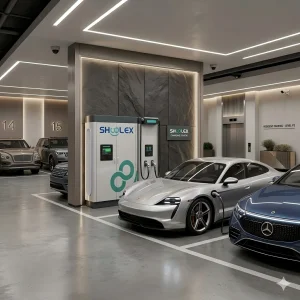
Case in Point: Modular BESS installations integrating DC fast chargers solve critical grid bottlenecks for high-throughput EV fleet charging stations by buffering high-peak power demands locally.
Sourcing large-scale energy storage assets demands detailed risk assessment and planning. Procurement executives must balance initial capital expenditure (CAPEX) with long-term reliability and support.
We provide full customization of battery rack physical footprints, BMS communication protocols (CAN/RS485/Modbus), voltage thresholds, and environmental enclosures (IP20/IP54/IP65) to fit pre-existing infrastructure designs.
By delivering high round-trip efficiencies, extended operational lifetimes (up to 8,000 cycles at target depths of discharge), and minimized maintenance costs, our BESS configurations secure favorable financial evaluations from project underwriters.
Our engineering team provides comprehensive mechanical blueprints, single-line electrical schematics, thermal calculations, and installation guides, accelerating municipal and grid-interconnection approvals.
Navigating international regulatory frameworks is critical for deploying high-voltage battery projects. PowerSTN ensures that global safety standards and logistics pathways are met with precision:
Shenzhen PowerSTN Energy Co., Ltd. is a China-based manufacturer specializing in advanced energy storage battery solutions for residential, commercial, and industrial applications. The company focuses on the development, production, and integration of lithium battery systems designed to support renewable energy utilization, backup power supply, and energy management projects worldwide.
With a commitment to innovation and quality, PowerSTN provides a comprehensive portfolio of energy storage products, including residential energy storage systems, commercial and industrial battery solutions, solar energy storage batteries, off-grid power systems, hybrid energy storage platforms, and containerized battery energy storage systems. These solutions are engineered to help customers improve energy efficiency, enhance grid stability, and maximize the value of renewable energy investments.
The company operates modern manufacturing facilities equipped with advanced production technologies and strict quality control procedures. From battery cell selection and battery pack assembly to system integration and performance testing, every stage of production is managed to ensure reliability, safety, and long-term operational performance.
PowerSTN serves customers across multiple industries, including renewable energy, telecommunications, data centers, utilities, manufacturing, commercial facilities, and infrastructure projects. Its engineering team works closely with clients to deliver customized energy storage solutions tailored to specific project requirements and operational environments.
In addition to manufacturing capabilities, Shenzhen PowerSTN Energy Co., Ltd. offers OEM and ODM services for global brands, distributors, system integrators, and energy solution providers. By combining technical expertise, flexible production capacity, and customer-focused support, the company aims to be a trusted partner for organizations seeking reliable and scalable energy storage technologies in the rapidly evolving global energy market.
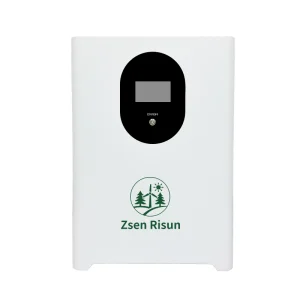
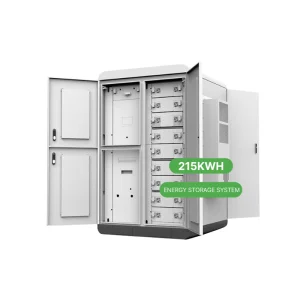
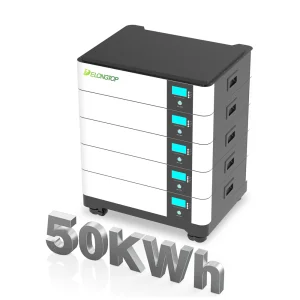
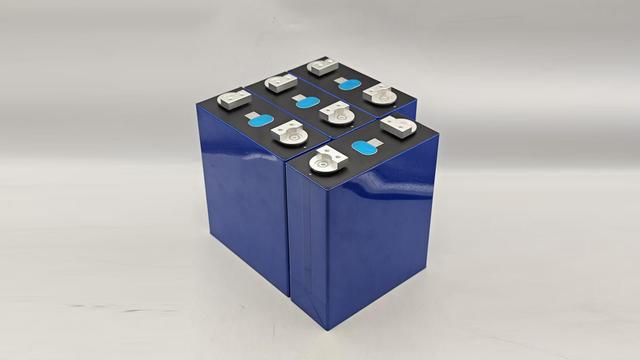
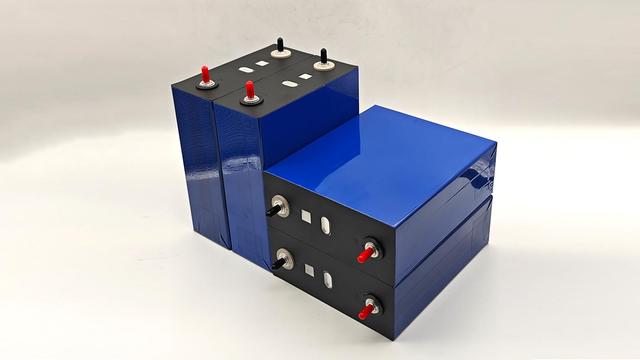
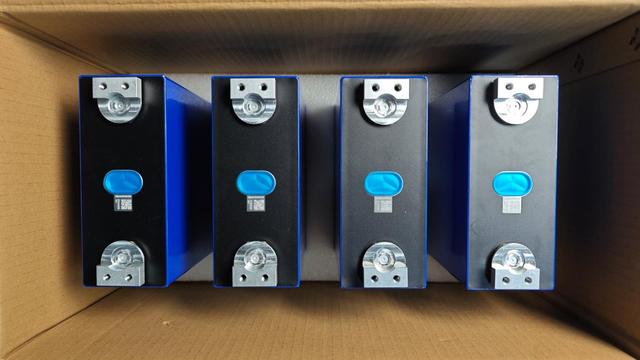
Discover our range of modular solutions, stackable home batteries, and industrial-grade high-voltage battery cabinets.
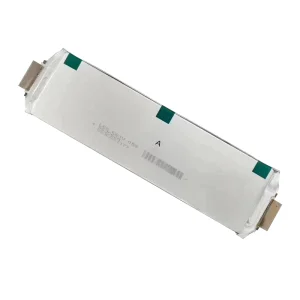
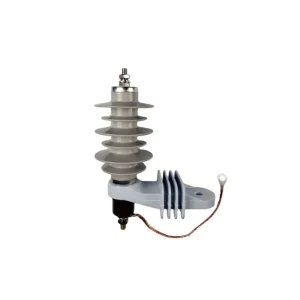
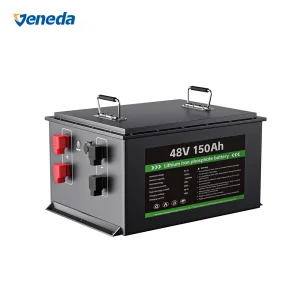
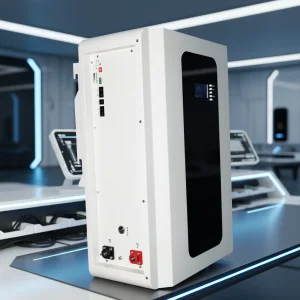
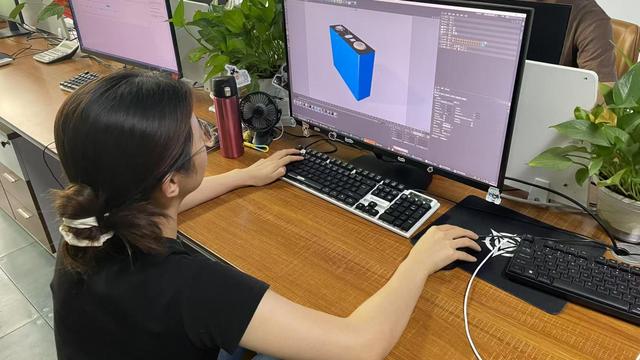
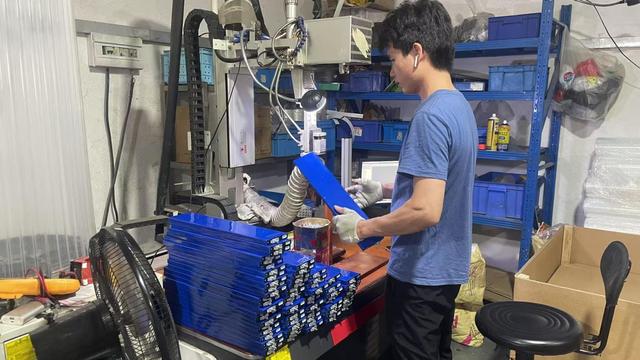
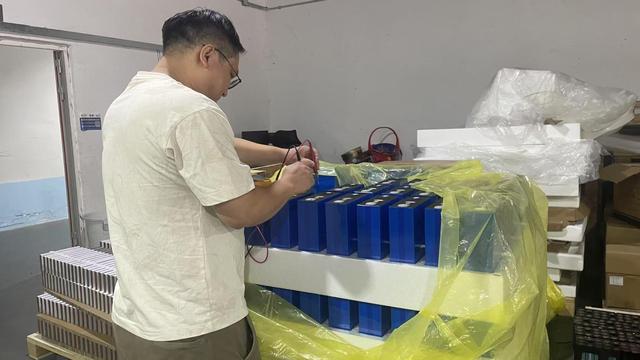
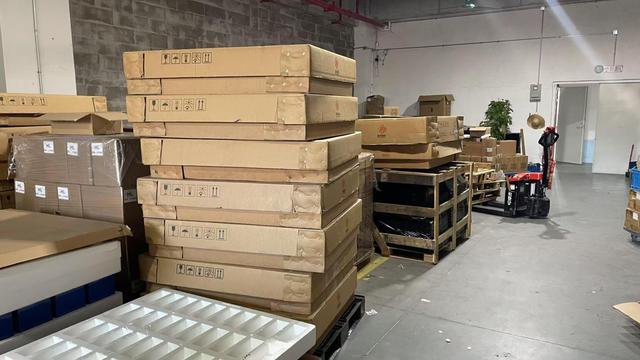
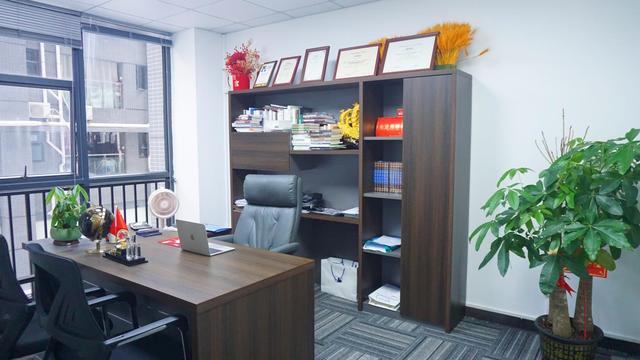
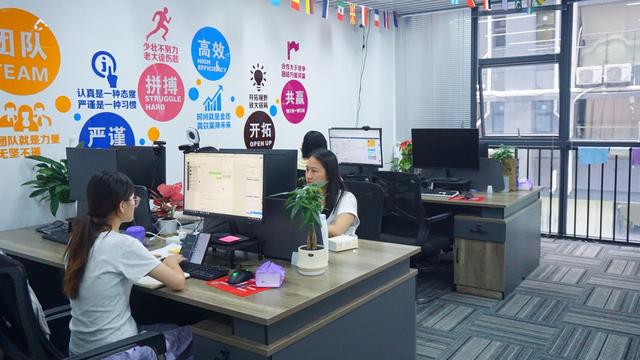
A look inside our state-of-the-art production environments, system validation chambers, and automated assembly operations.
 PowerSTN Energy