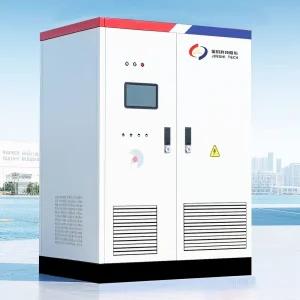
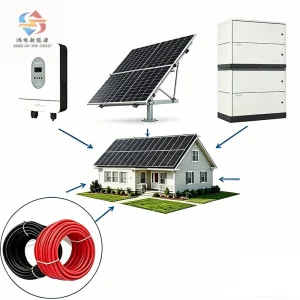
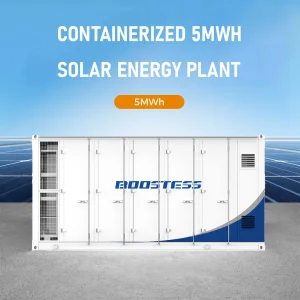
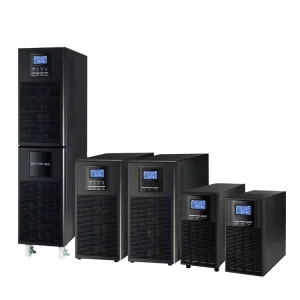
Discover our Tier-1 engineered lithium energy storage systems, custom container configurations, and heavy-duty UPS modules designed to ensure power continuity, carbon reduction, and grid independence.
Shenzhen PowerSTN Energy Co., Ltd. is a premier China-based manufacturer specializing in advanced energy storage battery solutions for residential, commercial, and industrial applications. Our organization focuses on the development, production, and integration of lithium battery systems designed to support renewable energy utilization, backup power supply, and complex grid-scale energy management projects globally.
With a core commitment to technical innovation and quality control, PowerSTN delivers a comprehensive portfolio of energy storage products, including residential energy storage systems, commercial and industrial (C&I) battery systems, solar energy storage batteries, off-grid power platforms, hybrid energy storage installations, and large containerized battery energy storage systems (BESS). These architectures are engineered specifically to assist global enterprises in improving energy efficiency, enhancing grid stability, and maximizing the financial yields of renewable energy infrastructure investments.
Operating modern manufacturing facilities equipped with advanced production machinery, automatic calibration, and strict quality control protocols, PowerSTN ensures that from battery cell selection and battery pack assembly to complete system integration and performance testing, every stage of production is rigorously monitored to assure long-term operational performance, safety, and reliability.
PowerSTN services customers across a wide variety of demanding sectors, including utility-scale renewable energy projects, telecommunications, mission-critical data centers, public utilities, heavy manufacturing facilities, commercial real estate, and municipal infrastructure projects. Our engineering teams work in close alignment with clients to design, build, and deploy customized energy storage solutions tailored to exact environmental and electrical criteria.
In addition to our robust engineering and manufacturing operations, Shenzhen PowerSTN Energy Co., Ltd. offers full OEM and ODM services for global energy brands, distributors, EPC system integrators, and turn-key energy solution providers. By combining technical expertise, flexible factory scheduling, and high-touch customer support, PowerSTN stands as a trusted partner for organizations seeking scalable and reliable energy storage technologies in the rapidly shifting global market.
The global clean energy landscape is experiencing a structural transition, driven by grid decarbonization goals and the search for reliable, decentralized energy. We are transitioning from simple solar-plus-storage setups to smart, software-driven Battery Energy Storage Systems (BESS) that stabilize grid fluctuations in real-time. Liquid-cooled LFP container systems are quickly becoming the industry standard because of their improved thermal runaway mitigations and extended lifecycles compared to legacy air-cooled battery systems.
Additionally, the integration of Artificial Intelligence and advanced Battery Management Systems (BMS) allows commercial operators to participate in grid frequency regulation and dynamic peak-shaving. This turns backup power assets from simple cost centers into active revenue generators. For utility companies and commercial enterprises, investing in modern battery storage is no longer just about ensuring uptime; it is about building energy resilience.
Another major trend is the shift toward high-voltage architectures. Higher voltages significantly reduce current levels, which minimizes energy loss during transmission, improves round-trip efficiency, and allows for thinner, more cost-effective cabling. Because of these benefits, commercial and industrial projects are increasingly choosing 400V to 1500V DC operating voltages.
Finally, sustainability has become a key metric in supply chain management. Procurement teams are looking for battery manufacturers that prioritize carbon footprint transparency, safe raw material sourcing, and end-of-life battery recycling. By using long-life LiFePO4 cells, companies can ensure their storage systems remain highly efficient and functional for up to 8,000 cycles, helping them meet clean energy standards and lower their Total Cost of Ownership (TCO).
International procurement teams require certifications like UL 9540A, CE, UN38.3, and IEC 62619. These credentials guarantee that high-capacity lithium installations meet rigorous fire and structural safety codes for installations close to commercial property.
Buying individual components from multiple suppliers can create compatibility issues. Global procurement managers prefer end-to-end, integrated systems that come pre-wired and pre-tested with inverters, liquid cooling, and BMS software inside a single container.
Purchasers look for warranties backed by Tier-1 components and reliable production partners. Systems with verified lifespans of over 8,000 charge cycles offer a lower levelized cost of storage, making them easier to approve during corporate capital expenditure reviews.
Shenzhen's advanced manufacturing ecosystem combines state-of-the-art automation with efficient supply chain logistics. At Shenzhen PowerSTN Energy Co., Ltd., we utilize Factory 4.0 standards to maintain consistency in battery production. Automated laser welding, computerized cell matching, and climate-controlled assembly lines help eliminate human error, ensuring uniform voltage profiles across all battery packs.
By sourcing raw materials and battery components locally within the Pearl River Delta, we minimize exposure to international supply chain disruptions. This localization enables us to offer shorter lead times, cost-effective customization, and rapid scale-up capabilities for large-scale energy projects.
Additionally, each production batch undergoes automated thermal cycling and high-rate load testing. This process allows us to catch any micro-defects before shipment, assuring that our products arrive on-site ready for installation.
Commercial and industrial energy users face varying challenges depending on their regional grids. In North America and Europe, high demand charges make peak-shaving systems highly cost-effective for manufacturing plants and distribution hubs. In regions with less reliable grids, industrial battery systems provide essential backup power, preventing expensive downtime caused by momentary power cuts.
Our commercial energy storage systems charge during off-peak hours when electricity rates are low, and discharge during peak demand periods. This helps businesses avoid high utility demand charges and lower their monthly energy bills.
By combining storage with on-site solar systems, businesses can store excess daytime solar energy for use at night or on cloudy days, maximizing self-consumption and reducing reliance on the grid.
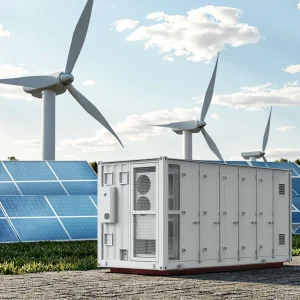
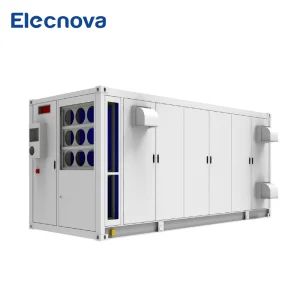
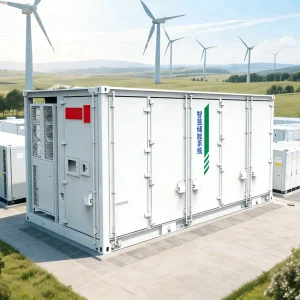
For remote industrial operations, our containerized BESS can run in island mode, forming a self-sustaining grid in combination with solar and wind power, reducing the need for diesel generators.
Deploying utility-grade lithium storage requires careful planning to match local environmental and grid conditions. Below are three common application setups for our high-capacity battery systems:
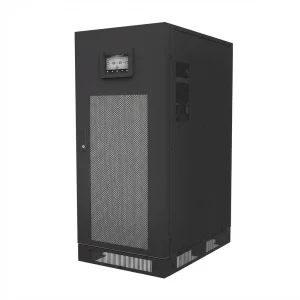
Mission-critical data centers require uninterruptible power supply (UPS) systems that react instantly. Our LiFePO4 rack systems, equipped with automatic voltage regulation, respond in milliseconds. This bridges the power gap before generators start, while also lowering cooling costs compared to traditional lead-acid systems.
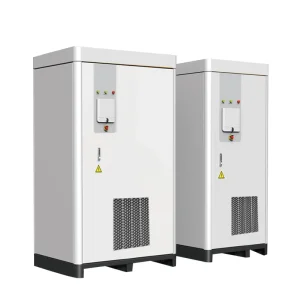
For manufacturing facilities facing high peak-demand charges from local utilities, our modular, grid-connected LFP systems offer an effective solution. By discharging during peak usage windows, these systems reduce peak demand levels, helping operations lower energy expenses without changing production schedules.
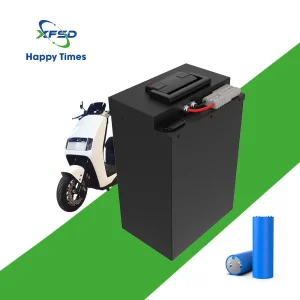
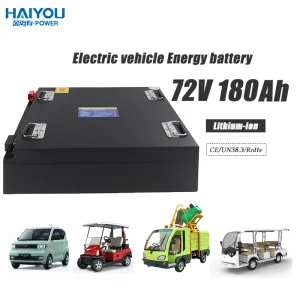
Remote telecom towers require durable battery systems that can handle harsh weather conditions. Our 10kVA online UPS and 72V/100Ah lithium packs provide reliable backup power. They operate across wide temperature ranges and require virtually no maintenance compared to lead-acid batteries.
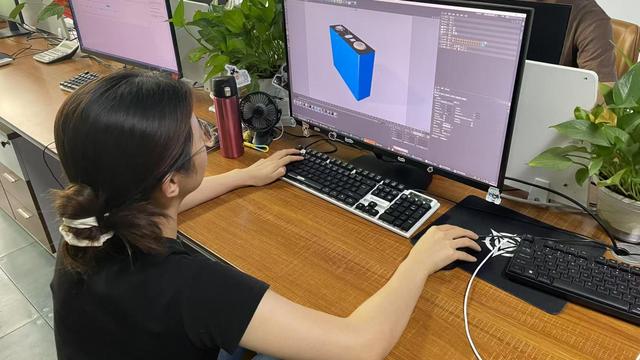
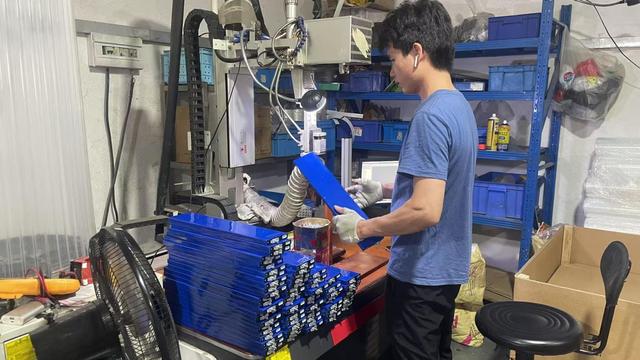
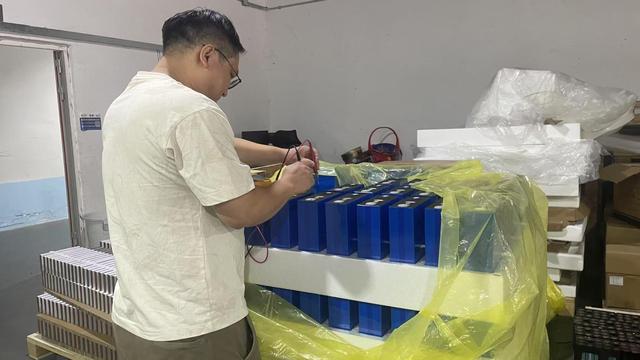
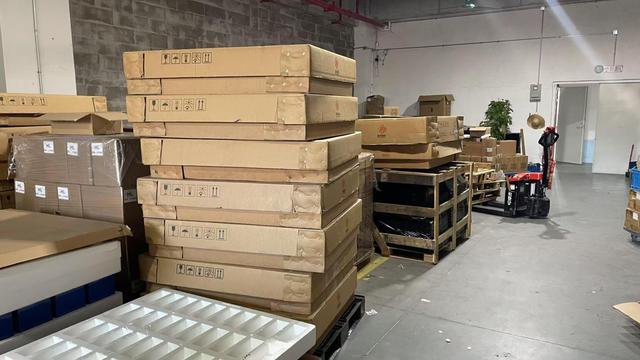
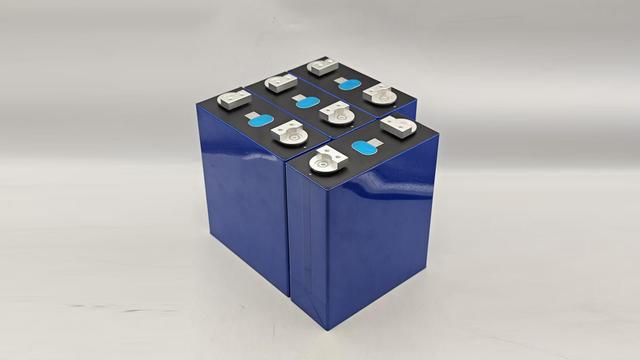
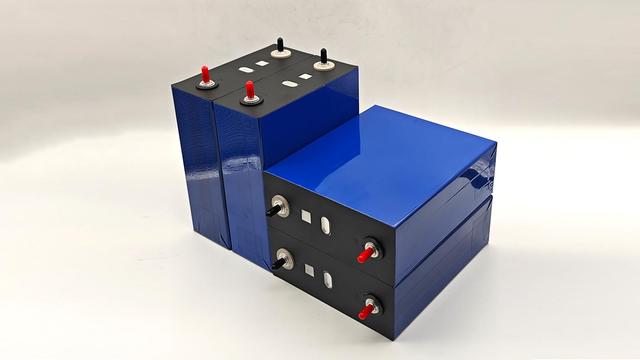
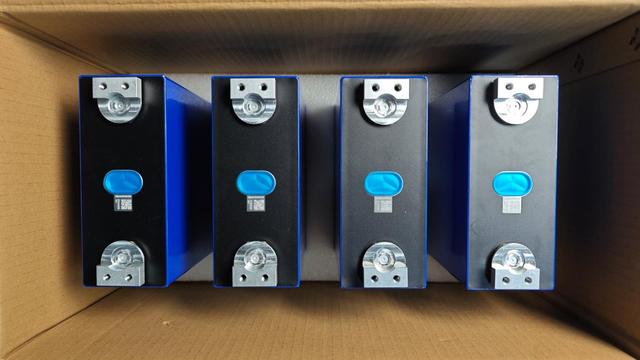
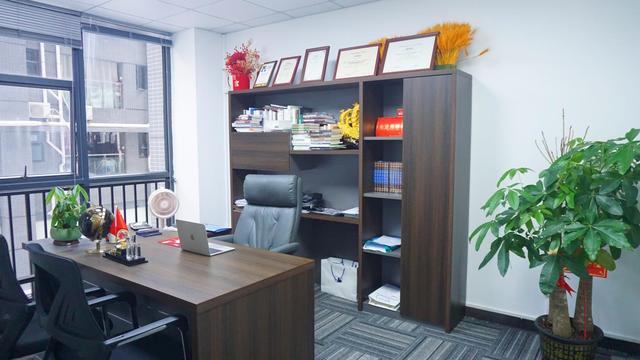
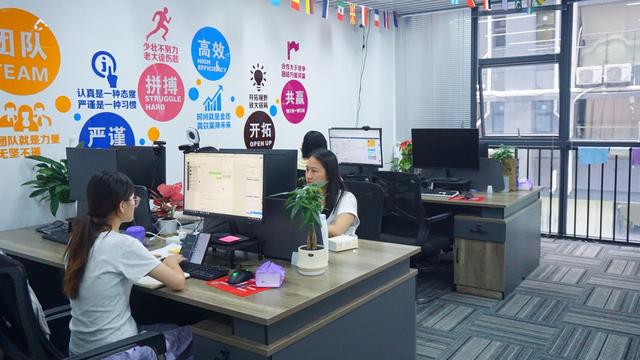
Take a look inside the modern assembly facility of Shenzhen PowerSTN Energy Co., Ltd. We employ strict testing protocols and automated manufacturing lines to ensure every cell, module, and containerized system meets our high standards for safety and performance.
Get answers to common technical, commercial, and shipping questions when purchasing utility-scale and commercial LFP battery installations from China.
Browse our full selection of lithium batteries, uninterruptible power systems, and containerized storage solutions optimized for grid and commercial applications.
 PowerSTN Energy