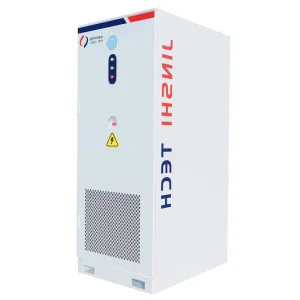
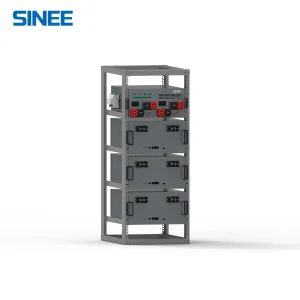
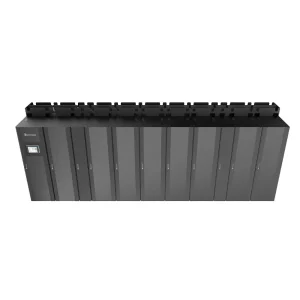
High-efficiency lithium battery architectures designed for the local requirements of Saigon Hi-Tech Park and suburban digital hubs.
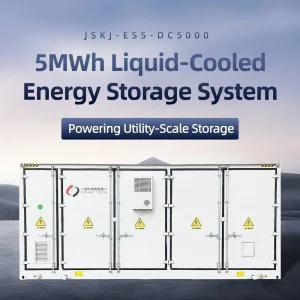
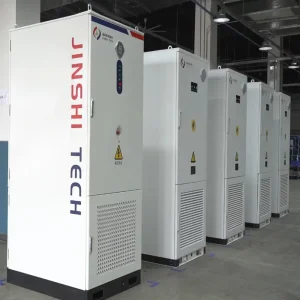
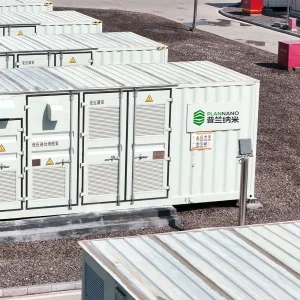
The local grid realities, climate conditions, and regulatory factors shaping next-generation energy storage requirements in Vietnam's financial heart.
As Vietnam's premier economic hub, Ho Chi Minh City (HCMC) is undergoing a monumental digital transformation. With the implementation of the country's national digitalization strategy, the demand for local and hyperscale data centers has spiked. Key zones such as the Saigon Hi-Tech Park (SHTP), Tan Thuan Export Processing Zone, and neighboring industrial parks in Binh Duong and Dong Nai are becoming dense clusters for enterprise data processing. However, this massive influx of digital infrastructure places an unprecedented strain on the local grid infrastructure operated by Electricity Vietnam (EVN).
Unlike temperate zones, data centers operating in southern Vietnam must contend with a tropical climate characterized by high ambient temperatures and high relative humidity. Standard battery systems degrade rapidly under these conditions without excessive HVAC cooling, which drastically increases the facility's Power Usage Effectiveness (PUE) ratio. To remain competitive and compliant with local environmental laws, HCMC operators must transition to modern Battery Energy Storage Systems (BESS) designed for high ambient resilience, leveraging liquid-cooling technology to manage internal cell temperatures efficiently.
Under Vietnam's newly instituted Power Development Plan VIII (PDP8) and the groundbreaking Decree on the Direct Power Purchase Agreement (DPPA), data centers are highly incentivized to transition to renewable energy sources. Hyperscalers and global enterprises require localized data centers to meet net-zero carbon targets. Consequently, energy storage is no longer just a passive backup option; it is an active mechanism for load shifting, peak shaving, and smoothing out the intermittency of localized solar arrays or direct-contract wind capacity. Shenzhen PowerSTN Energy Co., Ltd. provides localized engineering configurations that allow HCMC data centers to bridge the reliability gap while conforming to regional regulatory frameworks.
Alleviate local EVN grid fluctuations during high-demand dry seasons in HCMC by discharging stored energy during peak hours, significantly reducing operational expenses.
Integrate lithium battery storage to match the output of offsite renewable energy contracts, satisfying green credentials and strict multi-national carbon mandates.
Deploy liquid-cooled BESS cabinets tailored to handle southern Vietnam's year-round hot climate, maintaining uniform cell temperature variations below 2°C.
Why hyperscalers and edge operators are moving away from traditional VRLA lead-acid options to high-density LiFePO4 chemistry.
On a global scale, the rapid growth of artificial intelligence (AI) workloads and high-density rack configurations has led to a paradigm shift in data center auxiliary power. Traditional Valve-Regulated Lead-Acid (VRLA) batteries, long the staple of uninterruptible power supply (UPS) systems, are being systematically replaced by Lithium Iron Phosphate (LiFePO4) systems. LiFePO4 batteries offer a significantly higher power density, smaller physical footprint, and a longer lifecycle (typically exceeding 6,000 cycles at 80% Depth of Discharge).
Crucially, safety standards have intensified. Following severe global incidents, international compliance with standards such as UL 9540A (thermal runaway testing) is now mandatory for Tier III and Tier IV data centers. This has accelerated the adoption of liquid-cooled containment designs, where active cooling fluid circulates through internal heat plates, absorbing heat directly from the cells and preventing localized thermal hotspots.
| Parameter / Feature | Liquid-Cooled LiFePO4 BESS (PowerSTN) | Air-Cooled Lithium Systems | Traditional VRLA (Lead-Acid) |
|---|---|---|---|
| Energy Density | High (Up to 150 Wh/kg at system level) | Medium (110-130 Wh/kg) | Low (30-45 Wh/kg) |
| Lifespan & Cycles | 6,000+ cycles @ 80% DOD (15 years) | 4,000-5,000 cycles (10 years) | 500-1,000 cycles (3-5 years) |
| Thermal Control Precision | Active cooling plates (ΔT ≤ 2°C) | Air forced convection (ΔT ≤ 5-8°C) | Passive/HVAC dependent (ΔT varies) |
| HCMC Climate Performance | Excellent (Active thermal management) | Moderate (HVAC load increases) | Poor (High degradation above 25°C) |
| Footprint Requirement | Minimal (Up to 60% space savings) | Small (Up to 40% space savings) | Large (High structural floor loads) |
How Shenzhen PowerSTN Energy Co., Ltd. delivers high-precision manufacturing, cost optimization, and rigorous testing for global operations.
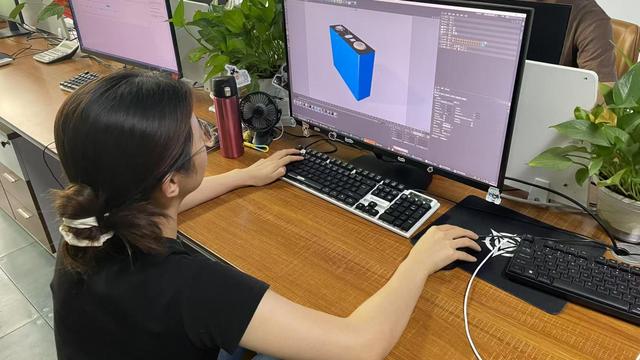
As a global leader in BESS manufacturing, China's lithium battery supply chain offers unmatched economic and technical benefits. Located in the core of China's advanced technology ecosystem, Shenzhen PowerSTN Energy Co., Ltd. coordinates directly with leading tier-1 cell manufacturers to secure raw materials at scale. This integration allows us to implement stringent internal quality controls at every level, from individual cell capacity-grading to system-level electrical stress tests.
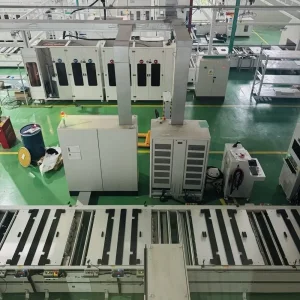
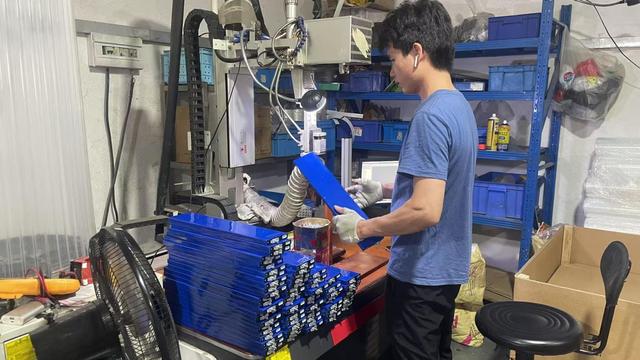
Our state-of-the-art facility integrates advanced robotics, automated spot-welding, and computerized battery management system (BMS) testing platforms. Unlike regional suppliers who assemble systems from secondary parts, PowerSTN controls the entire fabrication process. This ensures that every containerized system shipped to ports like Cat Lai in Ho Chi Minh City complies with global safety standards, including CE, UN38.3, IEC 62619, and UL 9540A.
Operational case topologies and integration strategies for commercial and industrial users in Southern Vietnam.
For large-scale data centers, spatial footprint and PUE minimization are critical. Deploying our 0.5MW 1.075MWh BESS systems allows operators to consolidate energy density within a compact, outdoor-rated IP54 container. This frees up valuable indoor real estate for server racks, while the integrated liquid cooling loops ensure that Southern Vietnam's high humidity does not introduce internal condensation or accelerate electrical corrosion.
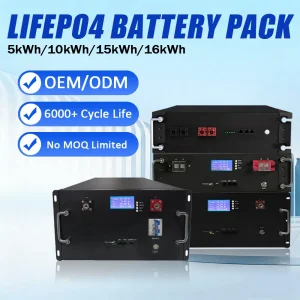
Edge nodes scattered throughout Ho Chi Minh City's urban districts require maintenance-free, highly reliable backup systems. Our 51.2V 200Ah Telecom Rack Mount LiFePO4 Systems offer high energy density in a standardized form factor, integrating seamlessly into existing cabinet systems to replace bulky lead-acid racks. Automated BMS systems allow centralized IT operations in HCMC to remotely monitor battery health via SNMP or Modbus protocols.
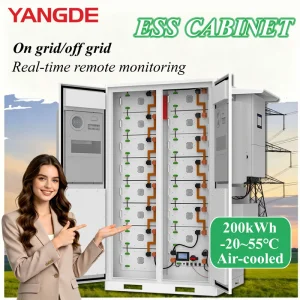
Financial institutions in HCMC's District 1 require zero-downtime guarantees. Our grid-tied business energy storage cabinets offer rapid-switch sub-millisecond response rates, pairing with active automatic voltage regulation components to filter out grid harmonics and surges before they reach sensitive enterprise mainframes.
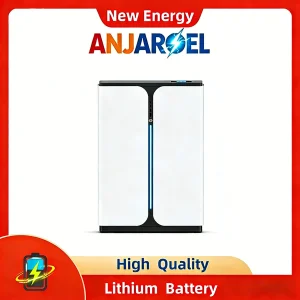
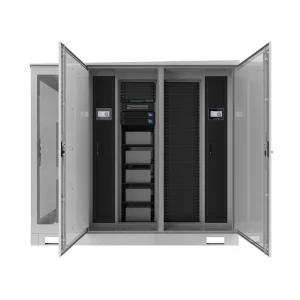
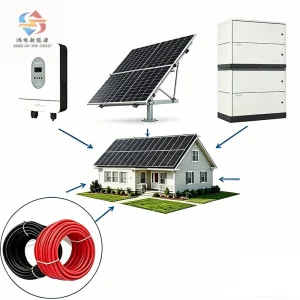
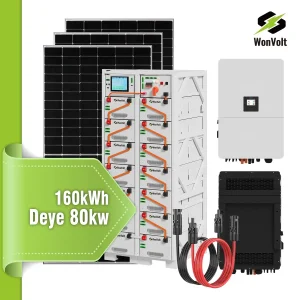
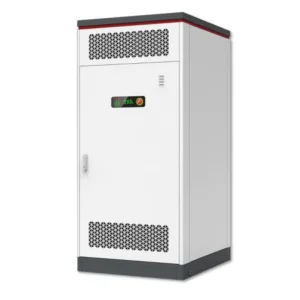
Explore our full line of industrial-grade energy storage cabinets and specialized data center climate equipment designed for global compliance.
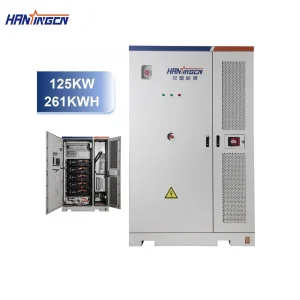
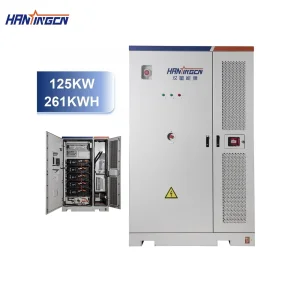
Streamlining procurement pipelines from Shenzhen to Vietnam with verified safety standards and predictable freight timelines.
Purchasing large-scale industrial energy storage systems requires meticulous logistics planning, particularly when dealing with hazardous material designations associated with lithium batteries (Class 9 UN 3480). Shenzhen PowerSTN Energy Co., Ltd. coordinates complete customs clearances, packaging compliance, and marine freight routing from Shenzhen/Shekou ports directly to Cat Lai Port (HCMC) or Haiphong Port for northern sites.
Our standard procurement roadmap follows a structured process to guarantee system functionality and timely arrival:
Our engineers perform site-load calculations, grid condition analysis (EVN parameters), and cooling requirement assessments to configure custom cabinet designs.
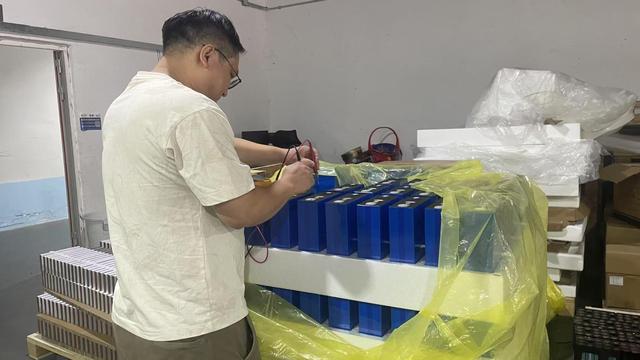
Upon design sign-off, cells undergo rigorous capacity grouping. Factory Acceptance Testing (FAT) is conducted in our Shenzhen facility, complete with thermographic checks.
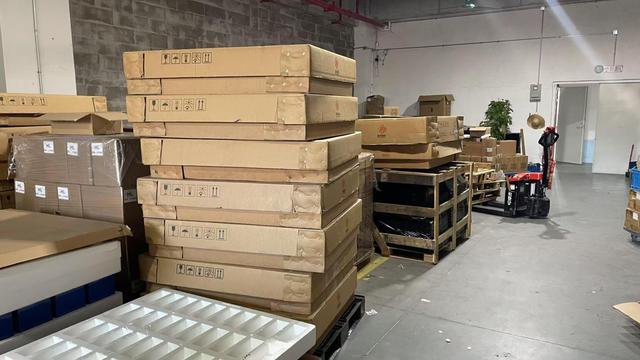
Systems are secured in certified seaworthy crates and shipped to Cat Lai Port (HCMC), followed by local customs clearance, onsite delivery, and Site Acceptance Testing (SAT).
Technical and logistics questions regarding the deployment of Data Center Energy Storage Systems in Ho Chi Minh City.
Ho Chi Minh City experiences high ambient temperatures and humidity year-round. Traditional air-cooled systems struggle to maintain uniform cell temperatures, leading to localized hot spots, faster battery degradation, and higher cooling energy draw. PowerSTN's liquid-cooled systems use circulating coolant plate technology to limit temperature differentials between cells to under 2°C, significantly extending cycle life and improving reliability in tropical conditions.
Standard manufacturing and system integration in our Shenzhen factory takes 30 to 45 days, depending on customization. Sea transit from Shenzhen Port to Cat Lai Port in HCMC typically takes only 5 to 7 days. Including customs clearance, the total door-to-door delivery timeline is approximately 6 to 8 weeks.
PDP8 promotes grid decentralization and carbon reduction. Our lithium battery storage systems allow data centers to effectively store renewable energy procured via DPPA contracts. By charging during off-peak hours and discharging during peak periods, operators can minimize carbon footprint penalties and stabilize their grid connection profile.
Our battery systems, modules, and internal components are certified to international standards. This includes CE, UN38.3 (for transport safety), IEC 62619 (industrial lithium battery safety), and compliance with UL 9540A thermal runaway safety standards.
A premier global manufacturer of advanced lithium battery storage systems.
Shenzhen PowerSTN Energy Co., Ltd. is a China-based manufacturer specializing in advanced energy storage battery solutions for residential, commercial, and industrial applications. The company focuses on the development, production, and integration of lithium battery systems designed to support renewable energy utilization, backup power supply, and energy management projects worldwide.
With a commitment to innovation and quality, PowerSTN provides a comprehensive portfolio of energy storage products, including residential energy storage systems, commercial and industrial battery solutions, solar energy storage batteries, off-grid power systems, hybrid energy storage platforms, and containerized battery energy storage systems. These solutions are engineered to help customers improve energy efficiency, enhance grid stability, and maximize the value of renewable energy investments.
The company operates modern manufacturing facilities equipped with advanced production technologies and strict quality control procedures. From battery cell selection and battery pack assembly to system integration and performance testing, every stage of production is managed to ensure reliability, safety, and long-term operational performance.
PowerSTN serves customers across multiple industries, including renewable energy, telecommunications, data centers, utilities, manufacturing, commercial facilities, and infrastructure projects. Its engineering team works closely with clients to deliver customized energy storage solutions tailored to specific project requirements and operational environments.
In addition to manufacturing capabilities, Shenzhen PowerSTN Energy Co., Ltd. offers OEM and ODM services for global brands, distributors, system integrators, and energy solution providers. By combining technical expertise, flexible production capacity, and customer-focused support, the company aims to be a trusted partner for organizations seeking reliable and scalable energy storage technologies in the rapidly evolving global energy market.
Contact our engineering and procurement team today to get a customized, project-specific quotation with logistics pricing to Ho Chi Minh City ports.
Send Inquiry Now PowerSTN Energy