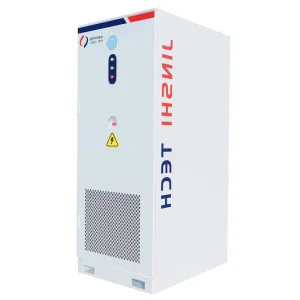
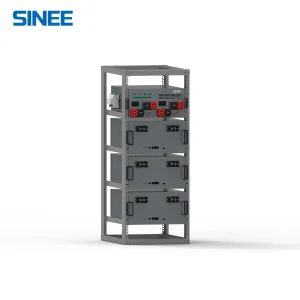
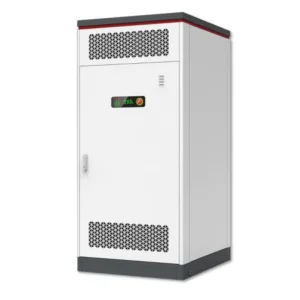
High-density energy storage systems pre-configured to comply with Mexican CFE Grid Code 2.0 regulations, ensuring seamless failover and dynamic power management.
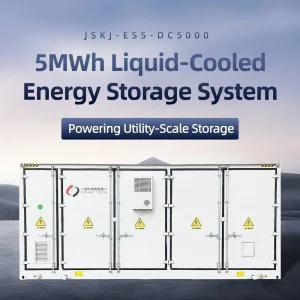
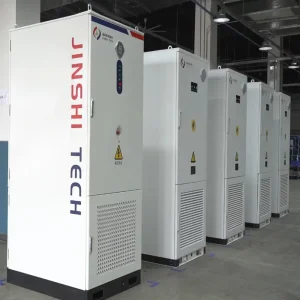
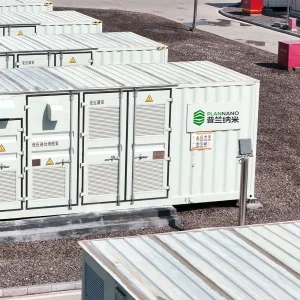
Mexico is undergoing an unprecedented technological and industrial expansion. Fueled by global nearshoring trends, multinational corporations are rapidly relocating manufacturing, logistics, and digital services close to the North American market. In regions like Querétaro, Monterrey, Mexico City, and Guadalajara, hyperscale and colocation data centers are expanding exponentially. However, this digital explosion places massive strain on Mexico's National Electric System (SEN - Sistema Eléctrico Nacional).
To safeguard critical computing operations against grid instabilities, transient frequency variations, and localized load-shedding events, data centers require robust, modern battery energy storage systems (BESS). The transition from traditional lead-acid batteries to lithium iron phosphate (LiFePO4) systems with intelligent liquid cooling has emerged as the standard for operators seeking to achieve high availability, comply with national regulations, and control escalating energy costs.
Mexico’s Energy Regulatory Commission (CRE) enforces the strict Código de Red 2.0 (Grid Code). Data centers connected to the medium and high-voltage grids must meet rigorous requirements regarding power factor stability, voltage flicker limits, and harmonic control. Standard backup diesel generators fail to address transient fluctuations in real-time. Shenzhen PowerSTN's active BESS cabinets, integrated with smart Energy Management Systems (EMS), perform dynamic reactive power compensation, filtering harmonics and stabilizing voltage locally, ensuring full compliance while avoiding costly penalty tariffs from the CFE.
Globally, the architecture of data center power protection is moving away from centralized, fossil-fuel reliant configurations to decentralized, battery-centric configurations. The primary driving forces behind this shift include:
High-performance computing (HPC) and AI server clusters require high-density power. Standard air cooling cannot keep pace. Advanced liquid cooling systems control temperature variations within the battery pack to less than 3°C, extending cell life expectancy and preventing thermal runaway.
Data centers cannot compromise on fire safety. While NMC chemistry has higher energy density, LiFePO4 (LFP) is the undisputed choice for data centers due to its thermal runaway threshold of 270°C and non-toxic combustion properties, fully aligning with NFPA 855 safety standards.
BESS is no longer just insurance against blackouts. With dynamic price structures, data center operators use batteries to store energy during off-peak hours and discharge during critical peak-demand windows, drastically lowering monthly operational expenses.
Through continuous hardware integration and deep AI-driven software optimization, manufacturers are designing systems that integrate directly with local solar arrays. In regions like northern Mexico, where solar resources are plentiful but the transmission infrastructure is weak, BESS acts as a reliable microgrid buffer, providing sustained, green power to telecommunication hubs and cloud facilities.
Maximizing the performance of lithium-ion systems requires precise environmental control and voltage regulation. Explore our specialized systems built for hot and high-altitude Mexican climates.
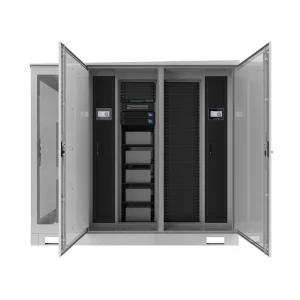
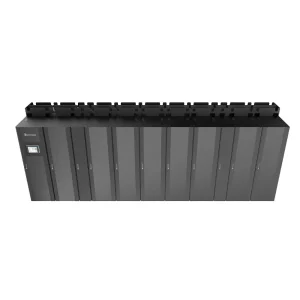
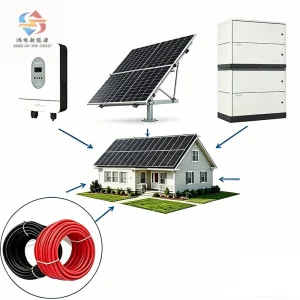
Shenzhen PowerSTN Energy Co., Ltd. is a China-based manufacturer specializing in advanced energy storage battery solutions for residential, commercial, and industrial applications. The company focuses on the development, production, and integration of lithium battery systems designed to support renewable energy utilization, backup power supply, and energy management projects worldwide.
With a commitment to innovation and quality, PowerSTN provides a comprehensive portfolio of energy storage products, including residential energy storage systems, commercial and industrial battery solutions, solar energy storage batteries, off-grid power systems, hybrid energy storage platforms, and containerized battery energy storage systems. These solutions are engineered to help customers improve energy efficiency, enhance grid stability, and maximize the value of renewable energy investments.
By operating modern manufacturing facilities equipped with advanced production technologies and strict quality control procedures, we ensure the highest standards of reliability. From battery cell selection and battery pack assembly to system integration and performance testing, every stage of production is managed to ensure reliability, safety, and long-term operational performance.
PowerSTN serves customers across multiple industries, including renewable energy, telecommunications, data centers, utilities, manufacturing, commercial facilities, and infrastructure projects. Our engineering team works closely with clients to deliver customized energy storage solutions tailored to specific project requirements and operational environments.
In addition to manufacturing capabilities, Shenzhen PowerSTN Energy Co., Ltd. offers OEM and ODM services for global brands, distributors, system integrators, and energy solution providers. By combining technical expertise, flexible production capacity, and customer-focused support, the company aims to be a trusted partner for organizations seeking reliable and scalable energy storage technologies in the rapidly evolving global energy market.
Demonstrated versatility in energy management, grid stabilization, and backup power across diverse geographical and industrial conditions in Mexico.
Securing core banking servers in CDMX. Redundant modular design protects against micro-interruptions during grid shifts, providing seamless integration with high-efficiency automatic voltage regulation.
Supporting nearshoring manufacturing in Monterrey. Heavy BESS containers load-shift during expensive daytime hours and stabilize power quality to prevent electronic equipment faults.
Combining renewable solar installations with high-density LiFePO4 batteries in telecom networks, reducing dependence on expensive diesel generator lines in remote regions.
Select from our comprehensive list of liquid-cooled and air-cooled battery cabinets engineered for commercial, industrial, and utility-scale integration.
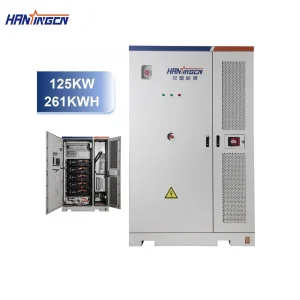
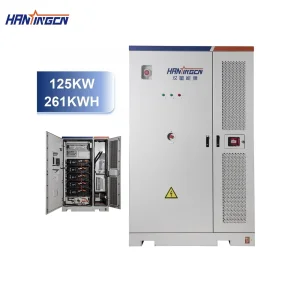
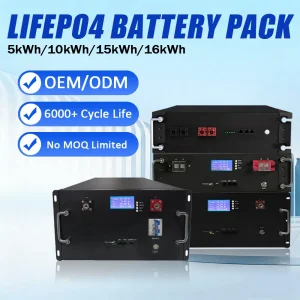
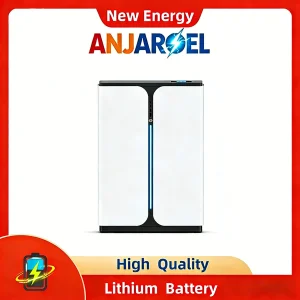
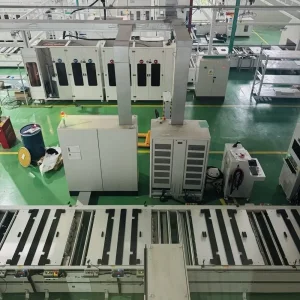
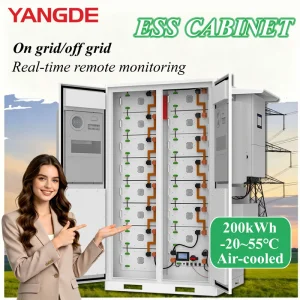
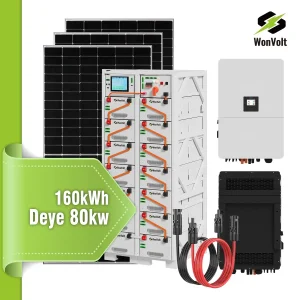
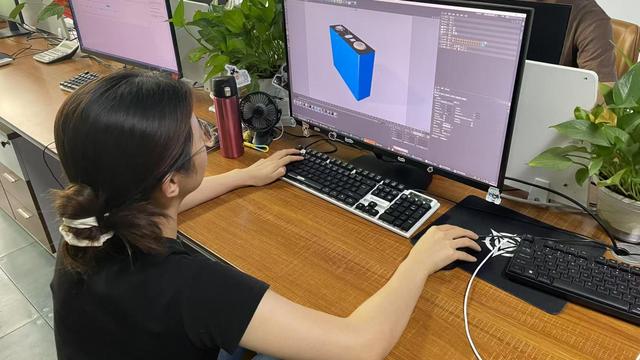
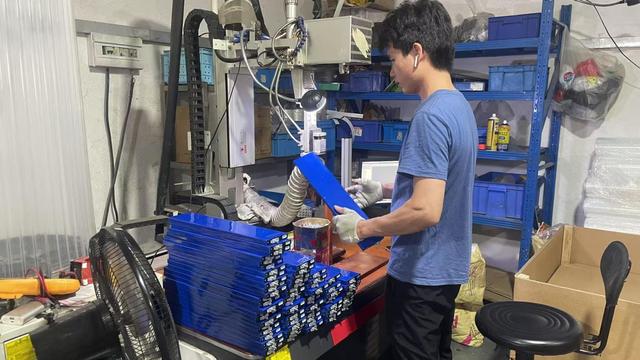
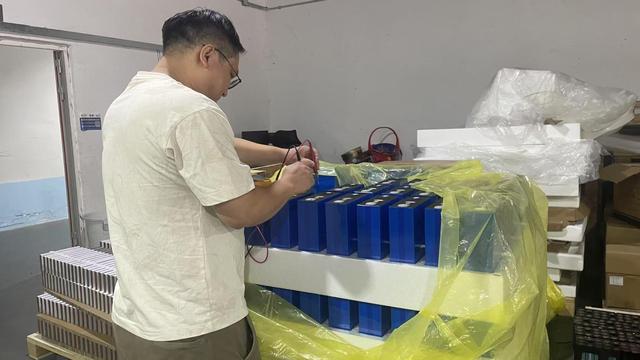
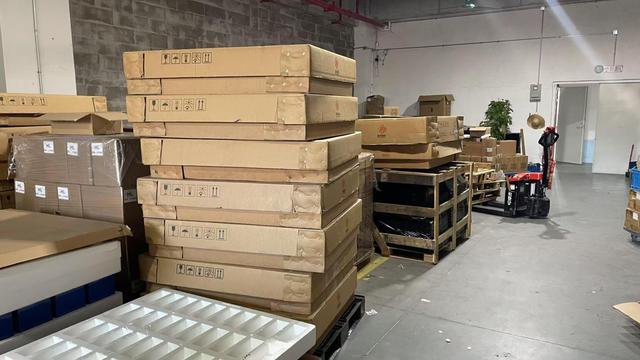
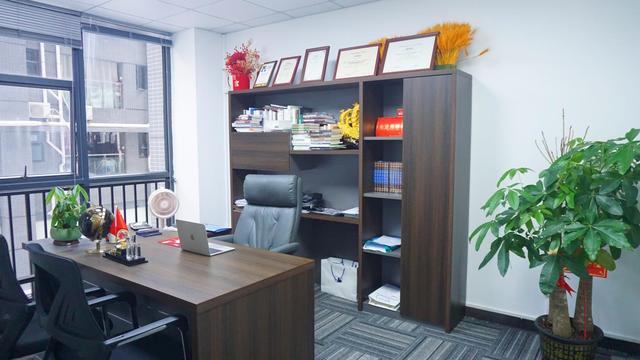
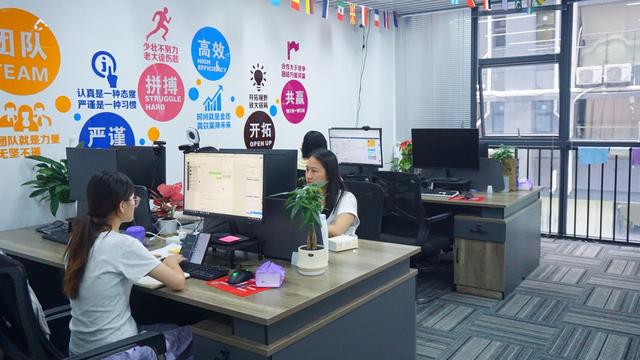
Every battery module, cabinet, and cooling accessory undergoes exhaustive testing before shipment. View our advanced production line and factory spaces in China.
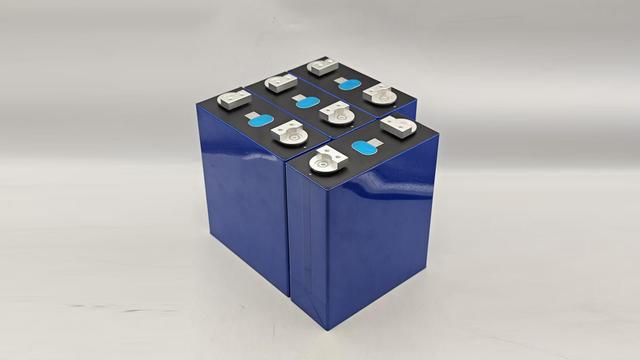
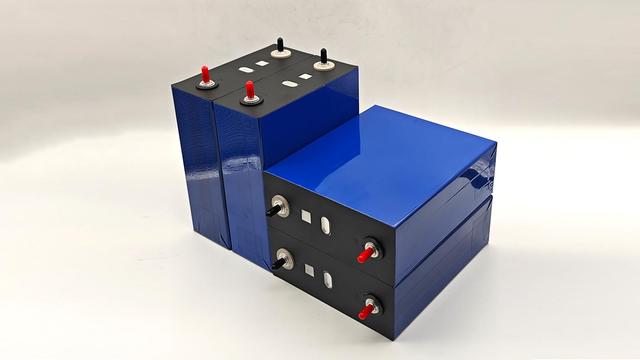
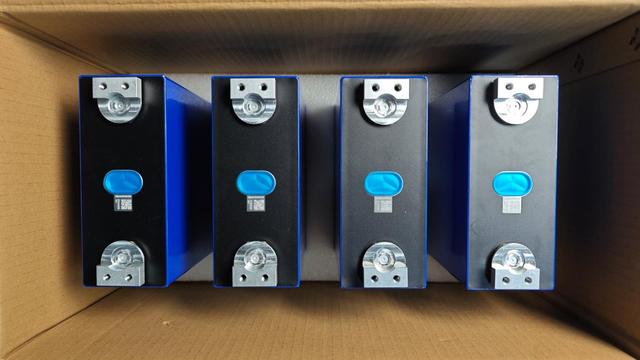
Deploying heavy industrial batteries to Mexico requires a structured approach to supply chain, compliance, and onsite commissioning. Global engineering procurement construction (EPC) firms and data center project managers should prioritize the following parameters during technical evaluation:
Lithium-ion energy storage systems entering Mexico must comply with specialized import rules. Devices containing batteries require strict verification of NOM-001-SCFI and NOM-024-SCFI standards. Working with a manufacturer that provides comprehensive transport test logs (UN38.3) and assists in coordination with Mexican custom brokers (Agentes Aduanales) is critical to prevent grid-connect delays at the ports of Manzanillo or Veracruz.
Many data center clusters in Mexico are located in high-elevation areas (e.g., Mexico City at 2,240 meters, Querétaro at 1,820 meters). Reduced air density affects air heat exchange, necessitating thermal derating for standard systems. Procurement teams should opt for liquid-cooled battery solutions, which are less sensitive to ambient air pressure and maintain cooling capabilities through direct liquid-to-cell thermal interfaces.
Get expert answers to technical, regulatory, and logistics questions about deploying energy storage systems in the Mexican market.
Partner with Shenzhen PowerSTN to design, manufacture, and deploy high-performance energy storage platforms that meet Mexican grid regulations and enhance your operational resilience.
 PowerSTN Energy