Engineered to handle extreme load transients, mitigate grid fluctuations, and guarantee uninterrupted operations for Sydney's high-density hyperscale facilities.
Sydney stands as the critical hub for digital infrastructure in the Southern Hemisphere. Driven by rapid acceleration in generative AI, cloud virtualization, and high-frequency trading services, the demand for power density has reached unprecedented peaks. However, the local grid infrastructure faces systemic pressures under Australia’s National Electricity Market (NEM) transition, exposing data center operators to extreme price volatility and load management challenges.
Traditional diesel generators, which have served as the historical fallback for Tier III and Tier IV data centers, are no longer viable as standalone solutions due to stringent local environmental regulations, municipal carbon-reduction goals, and corporate Net Zero commitments. In Sydney, BESS is transitioning from a simple emergency backup role into an active operational asset that offers peak-shaving capabilities and grid-balancing opportunities.
Globally, hyperscale operators are reshaping their electrical architectures. The introduction of AI clusters has pushed rack densities from traditional 5-10kW to upward of 50-100kW per rack. At this intensity, standard Valve Regulated Lead-Acid (VRLA) battery arrays fall short due to their massive physical footprint, slow recharge rates, and limited cycle life.
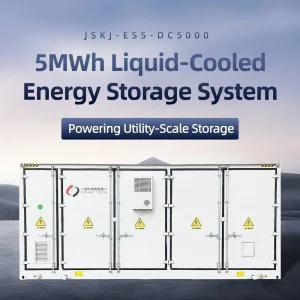
Modern data center energy storage relies heavily on Lithium Iron Phosphate (LiFePO4) chemistries, integrated with active liquid cooling. Liquid cooling ensures uniform cell temperatures, significantly reducing the risk of thermal runaway and extending operating lifetimes. This technology allows data centers to maximize space efficiency, allocating more square footage to profitable compute capacity while keeping backup power equipment compact and safe.
Furthermore, global supply chains are focusing on the total Levelized Cost of Storage (LCOS). Advanced battery systems reduce auxiliary cooling power requirements and lower total system weight, making them suitable for multi-story urban data center facilities.
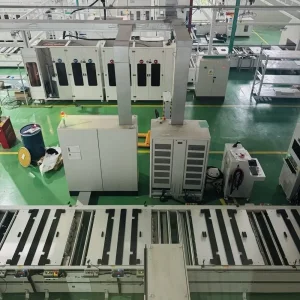
As a leading China-based manufacturer, Shenzhen PowerSTN Energy Co., Ltd. serves as a reliable supply-chain partner for the global data center sector. Our modern manufacturing base in Shenzhen integrates advanced automated cell sorting, intelligent laser welding, and rigorous testing protocols that ensure high reliability for mission-critical infrastructure.
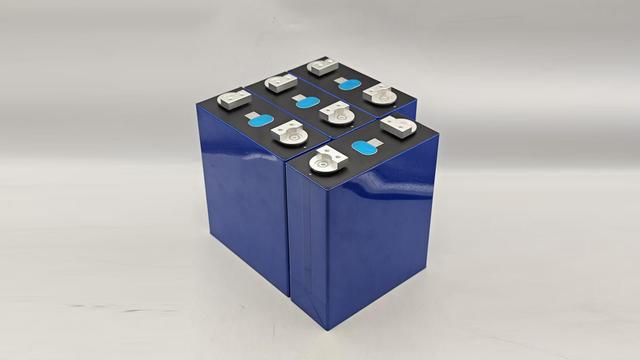
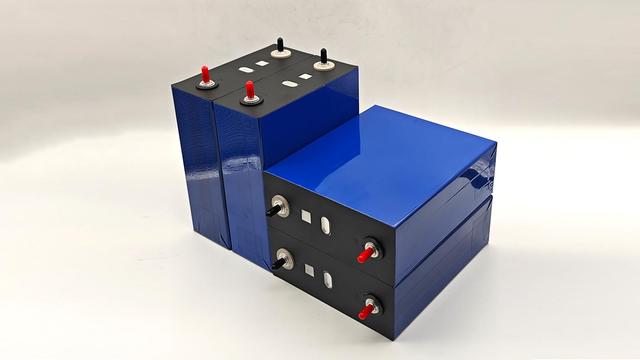
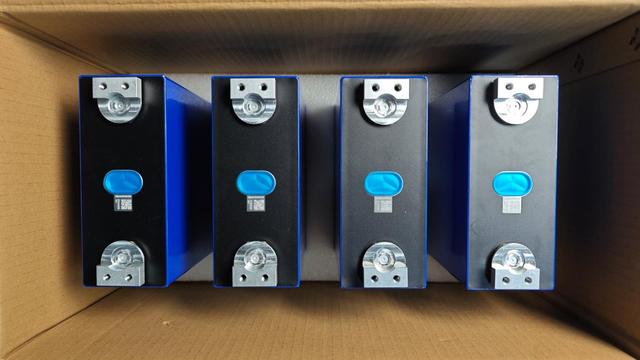
The core advantage of Chinese energy storage manufacturing lies in localized ecosystem integration. By maintaining deep, direct partnerships with top-tier battery cell suppliers, PowerSTN ensures steady, prioritized access to Grade-A Lithium Iron Phosphate (LFP) cells. This security translates into shorter lead times, lower costs, and consistent cell-to-cell performance metrics for global projects.
Every BESS unit undergoes extensive factory testing before shipping, including comprehensive thermal chamber analysis, load bank performance evaluation under real-world conditions, and end-to-end Battery Management System (BMS) validation. This commitment to quality assurance ensures that our systems integrate smoothly with existing data center distribution units upon arrival at the project site.
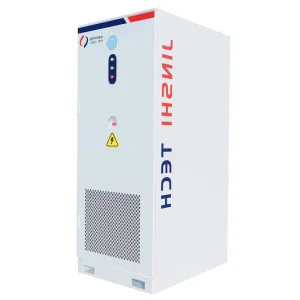
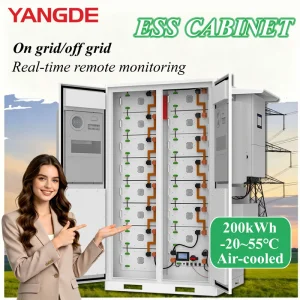
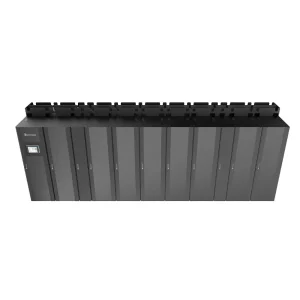
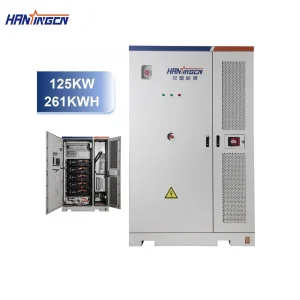
Explore our diverse portfolio of high-density battery energy storage solutions, ranging from space-saving rack systems to modular multi-megawatt configurations.
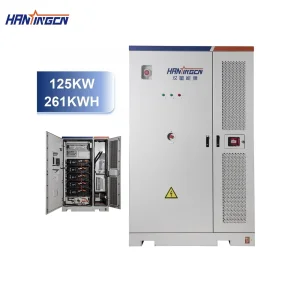
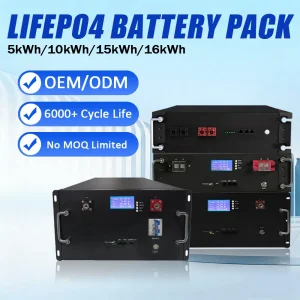
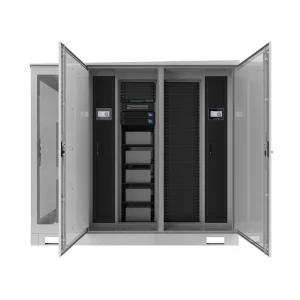
In the Sydney metropolitan area, commercial electricity pricing operates under seasonal demand charges and network tariffs. Implementing a high-capacity energy storage system allows operators to run key facility assets in parallel with the local grid. This is particularly valuable during regional heatwaves, where peak grid demand can trigger extreme operational constraints.
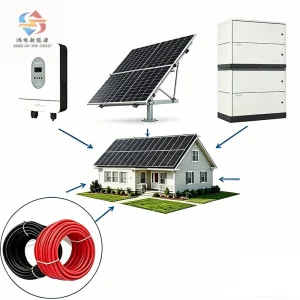
By scheduling BESS discharge cycles to coincide with utility peak hours, Sydney data centers can reduce their Peak Demand Charge tier, which often accounts for a significant portion of monthly network expenses. Furthermore, when coupled with on-site commercial solar, BESS stores clean generation that would otherwise be curtailed, enabling high-density facilities to lower their scope 2 emissions index.
As rack loads increase, thermal management becomes a key differentiator in BESS design. Conventional air-cooled battery systems require high fan parasitic loads and can experience thermal gradients across the pack, which accelerates cell degradation. Liquid cooling, using water-glycol mixtures flowing through cold plates, provides precise thermal control, maintaining cell variance within 2°C.
This temperature consistency improves safety and extends the battery's operational lifetime. Safe designs also require multi-tier safety integration, starting at the cell chemistry level and extending to the structure of the enclosure. System designs should incorporate:
Achieving high efficiency in battery operations requires keeping thermal conditions stable. Explore our integrated cooling units and high-capacity modular storage solutions.
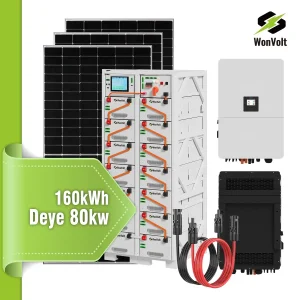
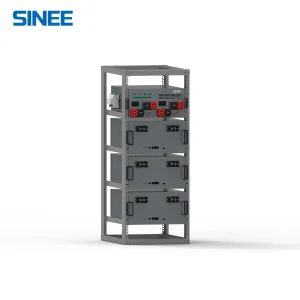
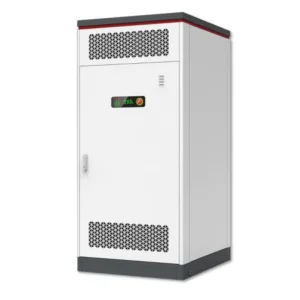
Procurement teams at global enterprises evaluate several key technical criteria when selecting a BESS manufacturer. When choosing an energy storage partner, it is important to verify compliance and performance across several key operational areas:
Verify that components and systems are certified to UL 1973 (for battery packs) and UL 9540 (for the integrated system). These standard certifications help streamline municipal approvals and insurance underwriting processes in markets like Australia and North America.
Ensure the BESS architecture allows for easy expansion as the facility grows. Containerized or modular cabinet systems permit operators to scale capacity in phases, aligning capital expenditure with actual load growth.
Verify that the BMS supports Modbus TCP/IP or CAN bus protocols for seamless integration with the data center's central building management system (DCIM), enabling remote diagnostic capabilities.
Technical clarifications and procurement guidance regarding data center battery energy storage systems.
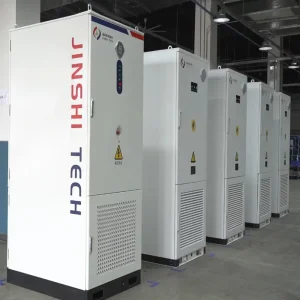
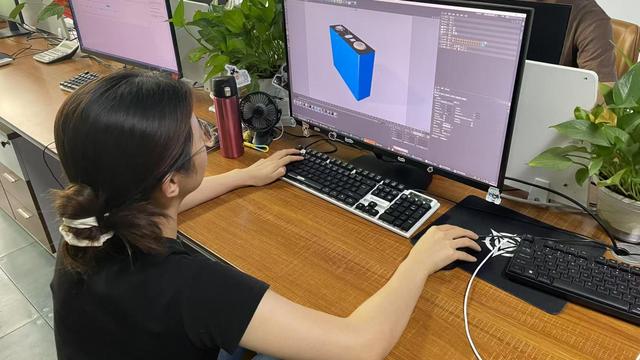
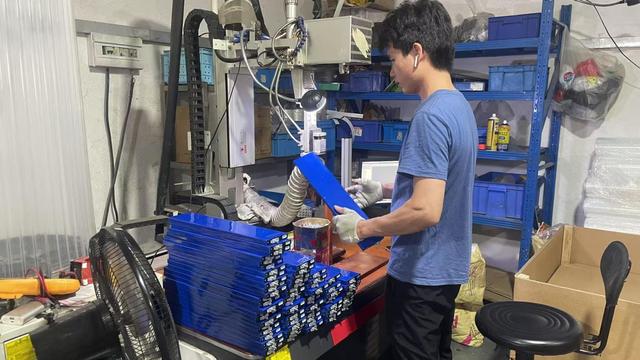
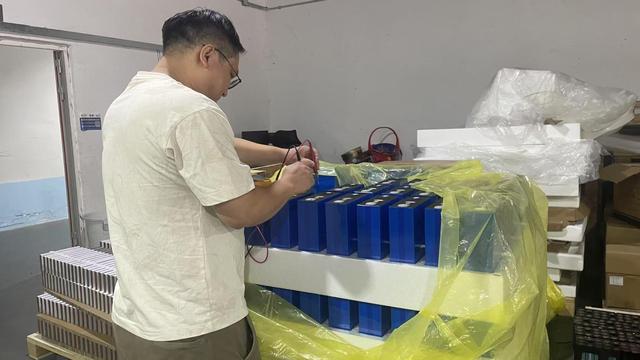
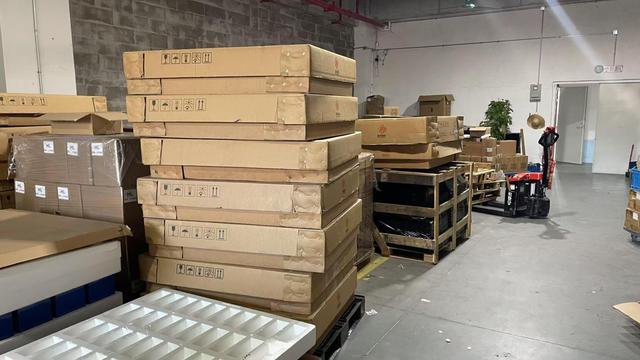
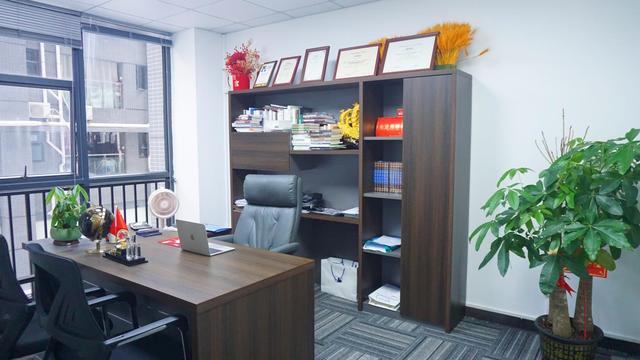
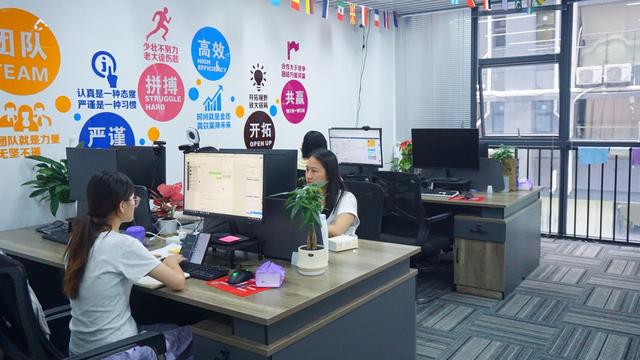
Inside our advanced manufacturing facility, where we build and test our BESS units to meet rigorous global standards.
 PowerSTN Energy