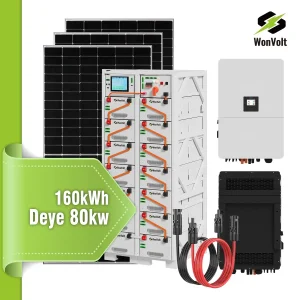
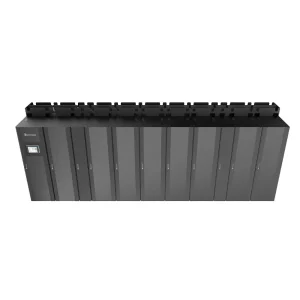
The Moscow region, serving as the digital hub of Russia, is witnessing an unprecedented surge in demand for high-availability data center facilities. With the rapid acceleration of AI integration, cloud computing, and localized digital service hosting, the stability of power infrastructure has become a national priority. Data centers in Moscow face unique challenges, primarily regarding grid stability during peak industrial loads and the need for robust backup systems capable of operating in extreme seasonal temperature variations.
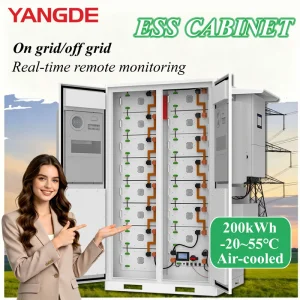
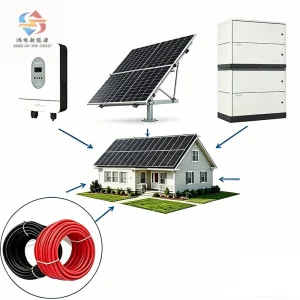
Strategic Shift: Moscow-based IT enterprises and infrastructure providers are shifting from traditional UPS-only systems to intelligent, Lithium-ion-based BESS (Battery Energy Storage Systems). This shift is driven by the need for longer discharge times, lower TCO (Total Cost of Ownership), and the ability to perform "peak shaving" to reduce operational electricity costs.
Shenzhen PowerSTN Energy Co., Ltd. leverages the unparalleled ecosystem of China’s battery manufacturing sector. By integrating supply chain efficiencies with high-end R&D, we provide solutions that outperform legacy systems.
Our systems are designed for the specific electrical environment of the Russian market:
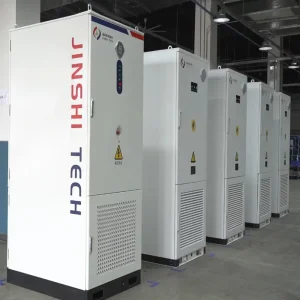
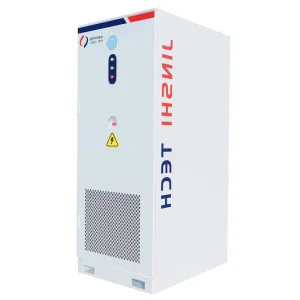
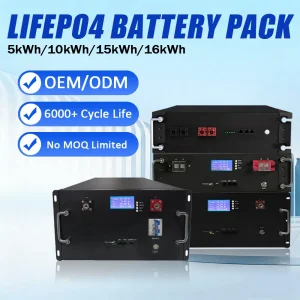
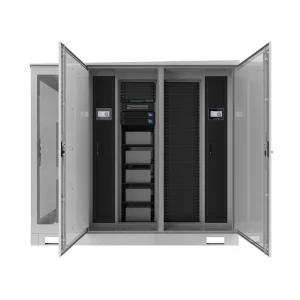
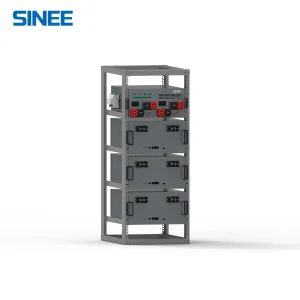
Telecom & Edge Data Centers: With the rise of 5G infrastructure, there is an urgent need for rack-mounted, space-efficient energy storage that provides seamless transition during power failures. Our 51.2V 200Ah solutions are specifically engineered for these high-density cabinets.
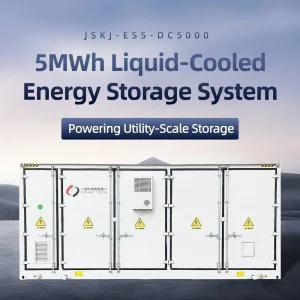
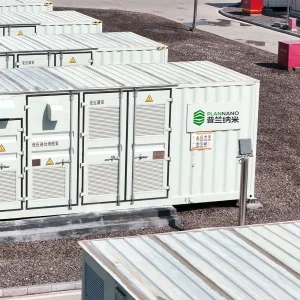
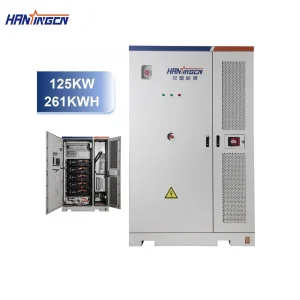
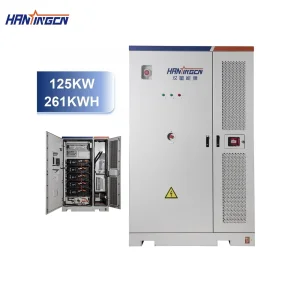
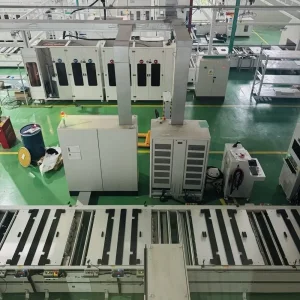
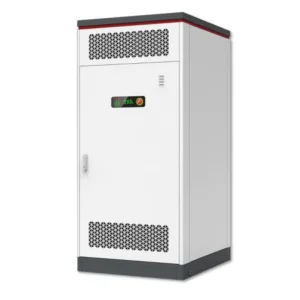
Industrial Resilience: For manufacturing hubs in the Moscow region utilizing high-performance computing (HPC) for production lines, our containerized energy storage systems act as a secondary grid, preventing data corruption and machinery downtime caused by micro-grid instability.
Q: Why choose Lithium-ion over VRLA for data centers in Moscow?
A: Lithium-ion systems offer significantly higher energy density, longer cycle life (10+ years), and faster discharge rates. For high-density computing in Moscow, they provide a smaller footprint and lower maintenance costs compared to lead-acid alternatives.
Q: How do you handle cold-start and extreme weather requirements?
A: Our systems include advanced BMS (Battery Management Systems) with integrated thermal heating and cooling management, ensuring cells stay within the safe operating temperature range even in sub-zero Russian climates.
Q: Can you provide OEM/ODM services for local Russian brands?
A: Yes, Shenzhen PowerSTN Energy Co., Ltd. is a leading OEM/ODM provider. We collaborate with international brands to customize battery pack designs, software monitoring interfaces, and housing aesthetics to meet local regulatory and branding requirements.
Q: How do we ensure compatibility with existing grid infrastructure?
A: Our systems are built with universal compatibility protocols (Modbus, CANBUS, SNMP), making them plug-and-play for most existing data center power distribution units (PDUs) and energy management systems.
 PowerSTN Energy