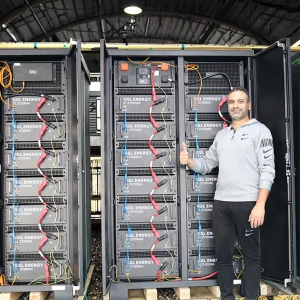
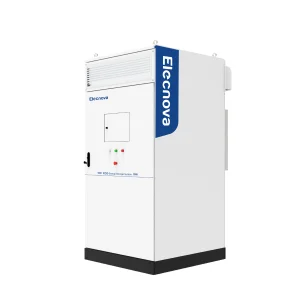
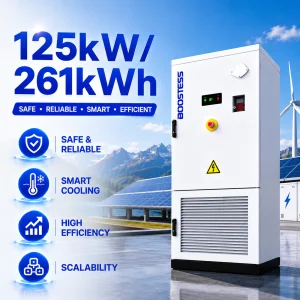
Engineered for immediate grid-tie deployment, petrochemical peak shaving, and containerized logistics backup across Flanders.
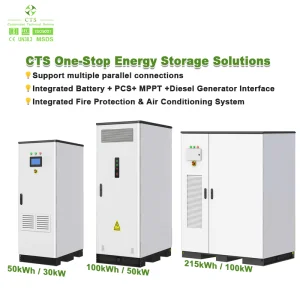
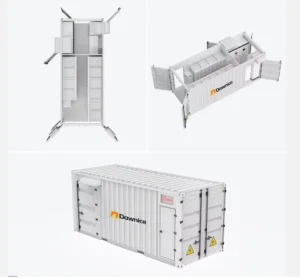
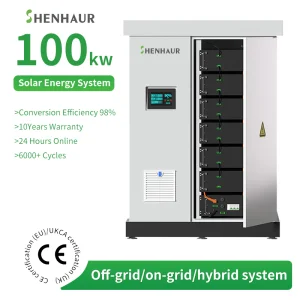
The Port of Antwerp-Bruges stands as Europe’s second-largest seaport and the largest integrated chemical cluster on the continent. With intense concentration of refining, petrochemical processing, and logistics activities, the region is under immense pressure to achieve carbon neutrality. High-capacity Industrial Battery Energy Storage Systems (BESS) have evolved from simple backup utilities into core strategic assets for Flanders’ industrial players.
The integration of volatile offshore wind power from the North Sea combined with the massive electrification of marine container terminals has created significant grid constraints. Local transmission system operator (TSO) regulations, dynamic capacity tariffs, and strict peak-shaving guidelines require companies to adopt intelligent battery storage solutions. By deploying utility-scale energy storage, factories in the Antwerp area can capture low-cost electricity, mitigate peak demand charges, and participate in frequency response markets (FCR and aFRR).
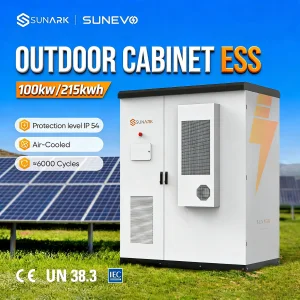
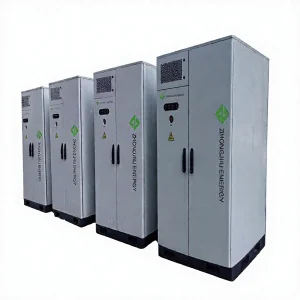
As a leading exporter of heavy-duty commercial and industrial energy storage systems, we offer containerized and modular systems custom-configured to withstand maritime environmental conditions, featuring advanced corrosion resistance, liquid-cooling efficiency, and multi-tier battery safety architectures.
Providing key information gain on battery chemistry, thermal management strategies, and safety standards.
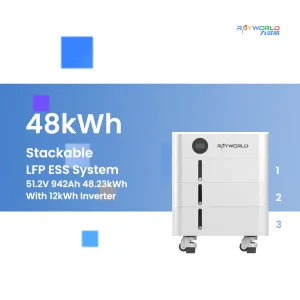
Lithium Iron Phosphate (LiFePO4) has emerged as the global standard for stationary industrial applications. LFP offers superior thermal stability, elimination of cobalt, and exceptional lifespan (>6000 cycles at 80% DoD) compared to NMC chemistries, dramatically lowering the Levelized Cost of Storage (LCOS).
Modern heavy industrial loads require rigorous thermal management. Moving beyond air conditioning, our liquid-cooled systems flow coolant directly through heat-sink plates inside battery modules, maintaining cell-to-cell temperature differentials under 3°C to extend battery life by 20%.
Engineered in compliance with NFPA 855 and UL 9540A protocols. Features aerosol or F-500 gas-phase extinguishing agents, combustible gas detectors (CO, H2), and isolated structural bulkheads to prevent any potential thermal runaway propagation.
Engineered for large-scale utility integration and highly volatile load environments in heavy maritime shipping zones.
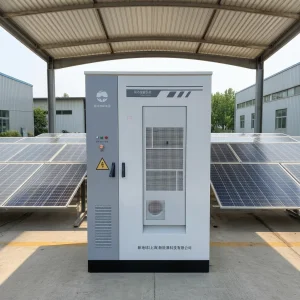
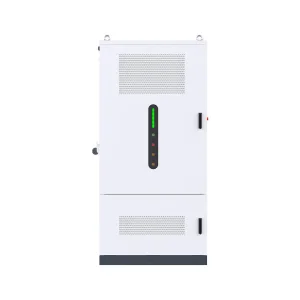
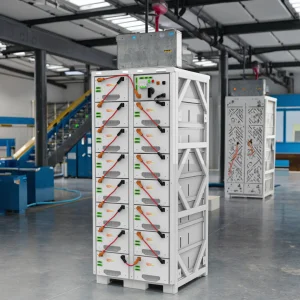
Our industrial BESS implements an exhaustive three-tier BMS architecture to safeguard energy capacity and operational stability:
To capture optimal ROI in the Belgian power market, systems are configured with smart EMS modules:
During vessel port calls, connecting ships to the onshore electrical grid triggers extreme voltage drops and power surges. BESS units buffer the harbor grid, ensuring uninterrupted crane operations and logistics continuity.
Chemical reactors require absolute zero-millisecond power switchovers. High-voltage PCS in our battery containers guarantee safety margins, preventing processing line shutdowns and corresponding material losses.
As distribution hubs transition fleets to heavy electric trucks, local distribution grids cannot support multi-megawatt chargers. Containerized BESS store off-peak solar power to fast-charge fleets during dispatch shifts.
A Tier-1 high-technology enterprise specializing in global supply chains for grid-scale energy storage.
Shenzhen PowerSTN Energy Co., Ltd. is a China-based manufacturer specializing in advanced energy storage battery solutions for residential, commercial, and industrial applications. The company focuses on the development, production, and integration of lithium battery systems designed to support renewable energy utilization, backup power supply, and energy management projects worldwide.
With a commitment to innovation and quality, PowerSTN provides a comprehensive portfolio of energy storage products, including residential energy storage systems, commercial and industrial battery solutions, solar energy storage batteries, off-grid power systems, hybrid energy storage platforms, and containerized battery energy storage systems. These solutions are engineered to help customers improve energy efficiency, enhance grid stability, and maximize the value of renewable energy investments.
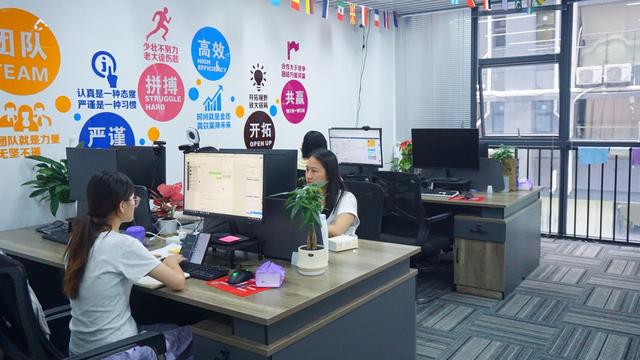
The company operates modern manufacturing facilities equipped with advanced production technologies and strict quality control procedures. From battery cell selection and battery pack assembly to system integration and performance testing, every stage of production is managed to ensure reliability, safety, and long-term operational performance.
PowerSTN serves customers across multiple industries, including renewable energy, telecommunications, data centers, utilities, manufacturing, commercial facilities, and infrastructure projects. Its engineering team works closely with clients to deliver customized energy storage solutions tailored to specific project requirements and operational environments.
In addition to manufacturing capabilities, Shenzhen PowerSTN Energy Co., Ltd. offers OEM and ODM services for global brands, distributors, system integrators, and energy solution providers. By combining technical expertise, flexible production capacity, and customer-focused support, the company aims to be a trusted partner for organizations seeking reliable and scalable energy storage technologies in the rapidly evolving global energy market.
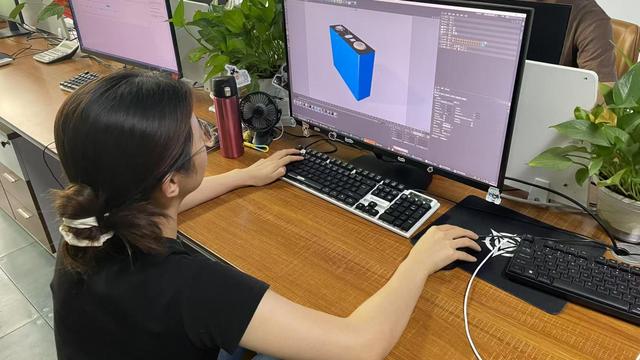
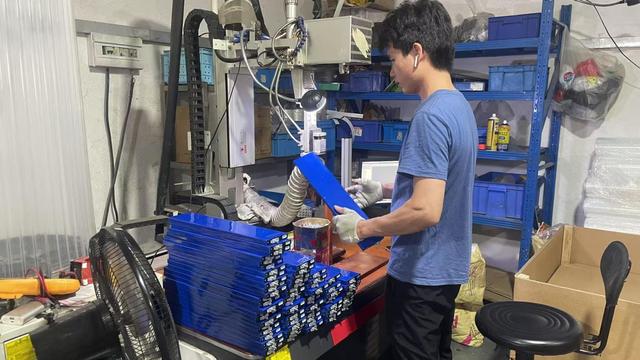
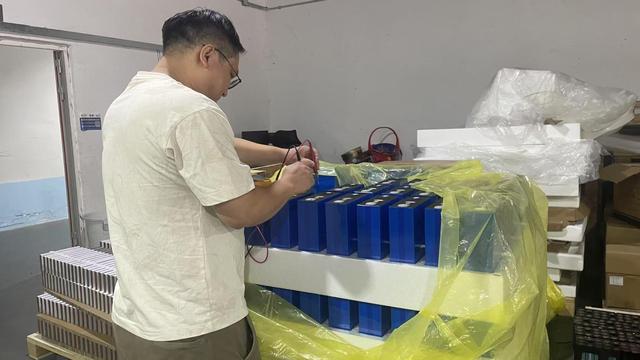
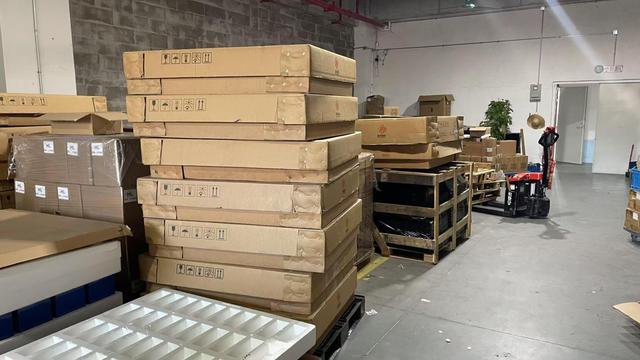
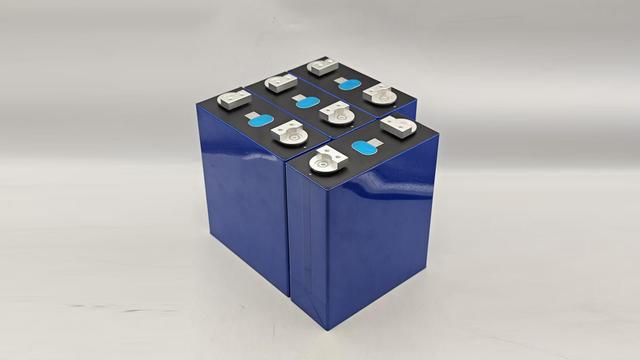
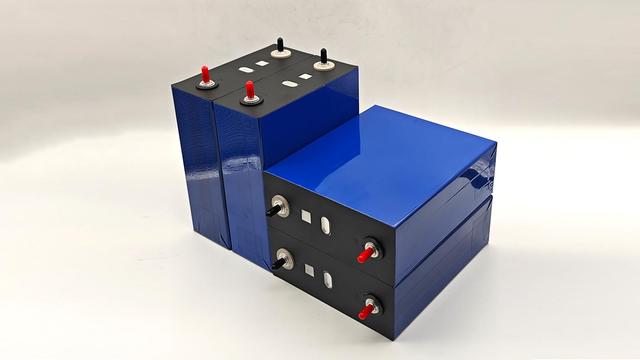
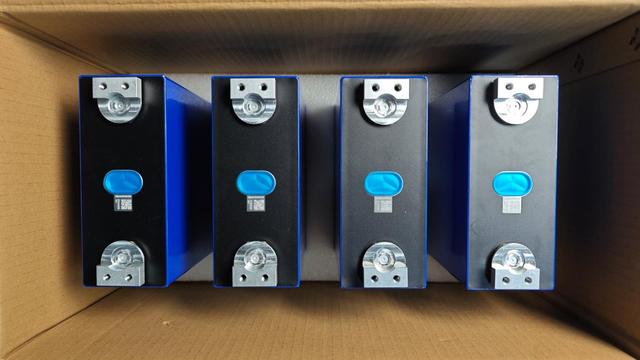

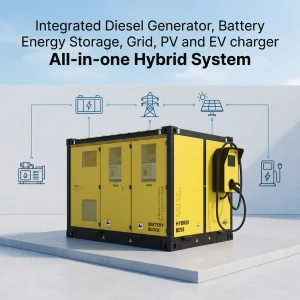
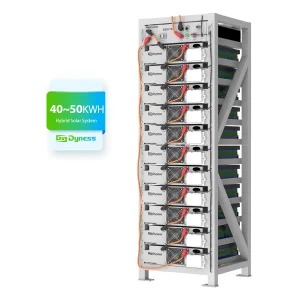
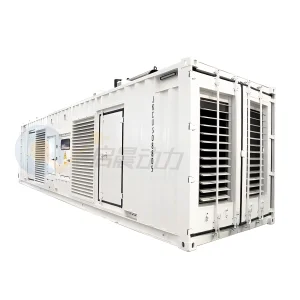
Heavy-duty power management products tailored for grid interface, hybrid diesel microgrids, and manufacturing facilities.
Crucial engineering and economic questions answered for enterprise buyers and project integrators in the Benelux region.
Connect directly with our senior power integration engineers to size your industrial microgrid battery system, compute ROI, and verify compliance with regional grid codes.
 PowerSTN Energy